
Finding the right diaper pants for your baby is a highly individual process. Because every baby has a unique body shape, activity level, and skin sensitivity, a brand that works perfectly for one family might lead to leaks or rashes for another. In the tropical climate of the Philippines, where high heat and humidity can exacerbate skin irritation, choosing the right diaper pants requires balancing absorbency, breathability, and fit.
The choice between Pampers, Huggies, and Equator diaper pants generally comes down to your specific daily priorities. Whether you need maximum overnight dryness, a highly flexible fit for an active toddler, or a cost-effective option for frequent daytime changes, each brand offers distinct design characteristics. By understanding how to evaluate these products through direct observation and simple home checks, you can confidently select the most suitable option for your baby’s daily routine.
Understanding the Core Differences in Diaper Pants Design
Before comparing specific features, it is helpful to understand the general design philosophies and market positioning of Pampers, Huggies, and Equator. Diaper pants are engineered to replace traditional taped diapers once babies become highly active, but manufacturers approach this transition differently. Some brands focus on ultra-thin materials to maximize airflow, while others prioritize robust elastic barriers to contain heavy messes.
Products mentioned in this guide
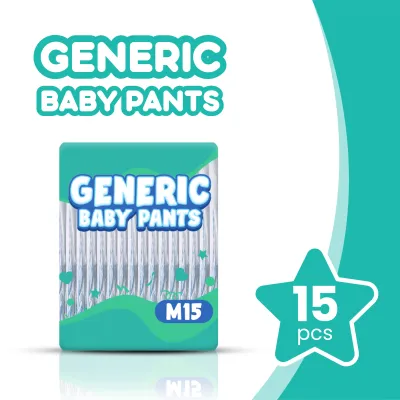
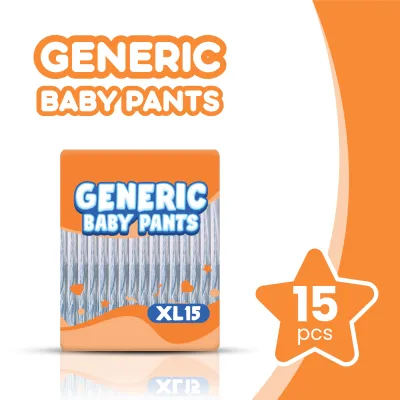
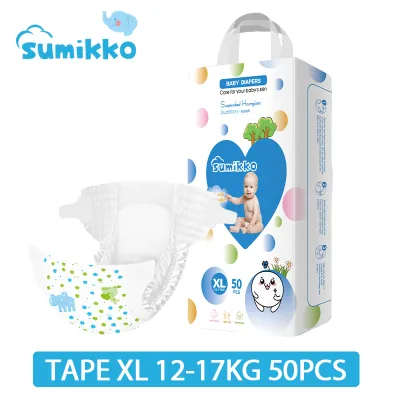
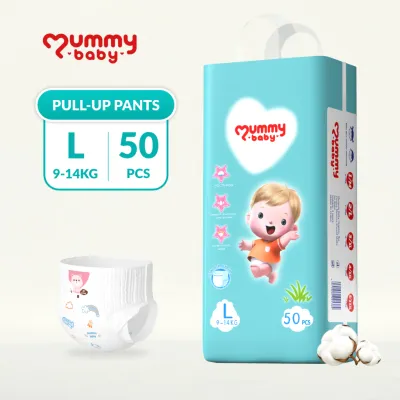
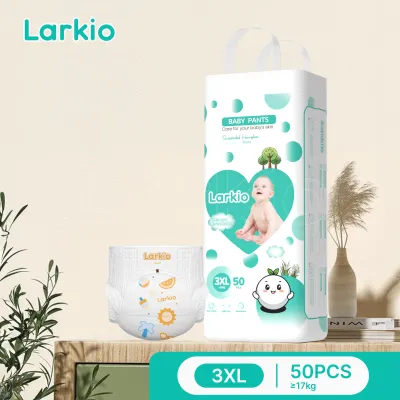
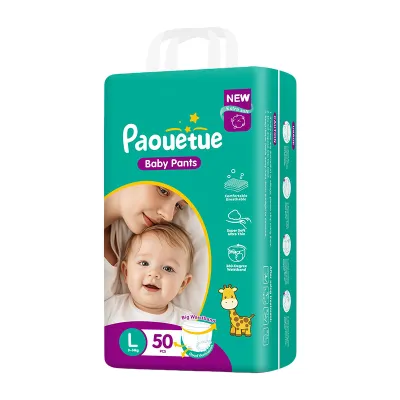
Prices are valid at publication and may change. Please refer to the product page for the latest price.
Pampers diaper pants are widely recognized for their focus on lightweight, thin construction and flexible movement. This can be highly beneficial in warm, humid environments where heavy layers might cause discomfort. Their product lines often emphasize a soft, stretchy waistband that mimics real underwear, aiming to provide a seamless transition for toddlers who are starting to explore their surroundings.
Huggies diaper pants generally emphasize a secure, structured fit with a focus on heavy-duty containment. Their designs often feature thick, highly elastic waistbands and reinforced leg cuffs to stay in place during play. This structural approach is intended to prevent sagging and minimize the risk of blowouts, making them a common choice for parents of highly active babies or heavy wetters.
Equator diaper pants occupy a value-oriented position in the market, focusing on straightforward, functional utility. Rather than incorporating premium, proprietary textile technologies, Equator prioritizes reliable everyday protection at a more accessible price point. This makes them a practical option for families who practice frequent diaper changes throughout the day, where a highly expensive premium diaper may not be economically necessary.
When selecting among these brands, always check the manufacturer’s label for the specific product tier. Most brands offer multiple lines, ranging from basic economy versions to premium, organic, or extra-absorbent variants. The performance of a brand’s entry-level diaper pants can differ significantly from its premium counterpart, so matching the specific product tier to your baby’s daily routine is essential.
Evaluating Absorbency and Leak Protection
Absorbency is the primary function of any diaper pants, but measuring it accurately requires looking past marketing slogans and focusing on observable performance. In a tropical climate, locking away moisture quickly is critical to preventing skin breakdown. When evaluating a pack of diaper pants, start by reading the packaging for details on the absorbent core technology, wetness indicators, and any stated wear-time limits.

To assess absorbency at home, establish a safe and consistent observation routine rather than relying on laboratory claims. Monitor how the diaper behaves during a standard wear period of three to four hours. Observe whether the core swells evenly or clumps in one area, which can cause the diaper to sag and pull away from the baby’s skin. Touch the inner lining of a freshly changed, wet diaper; it should feel relatively dry to the touch, indicating that the moisture has been successfully locked inside the core.
Heavy wetters and overnight sleep periods demand a higher level of absorbency. At night, a baby’s urine output may exceed the capacity of standard daytime diaper pants, leading to leaks. To verify if a specific brand can handle overnight use, check if the manufacturer offers a dedicated “night” or “extra absorbency” version. If leaks still occur, you may need to trial a larger size to obtain a larger absorbent core, or adjust your feeding and changing schedule before bedtime.
Remember that no diaper pants can guarantee absolute dryness indefinitely. The stated wear-time limits on packaging are general guidelines and do not account for individual hydration levels or sudden heavy outputs. Regular physical checks remain the most reliable way to ensure your baby stays dry and comfortable throughout the day and night.
Assessing Fit, Comfort, and Skin Sensitivity
A highly absorbent diaper pants can still fail if it does not fit your baby’s unique body shape. Because diaper pants rely on elastic waistbands instead of adjustable tapes, achieving the correct fit is crucial for both leak prevention and physical comfort. When trying a new brand, carefully inspect the waistband and leg cuffs while your baby is standing, sitting, and crawling.
The waistband should sit comfortably above the hips without slipping, yet remain elastic enough to expand after feeding. Check the leg cuffs to ensure the inner guards are fully extended outward rather than tucked inward, as tucked cuffs are a primary cause of leg leaks. After removing the diaper pants, inspect your baby’s skin; deep red indentations or red marks around the waist or thighs indicate that the elastic is too tight, signaling a need to size up.
Skin sensitivity is another critical factor, particularly in warm weather where sweat and friction can quickly lead to chafing. Look for packaging claims regarding breathability, dermatological testing, or hypoallergenic materials. Breathable outer covers allow heat and moisture vapor to escape, reducing the humid microclimate inside the diaper that fosters bacterial growth.
If you observe persistent redness, chafing, or unexplained skin irritation, it may indicate a material incompatibility or a poor fit rather than a medical issue. However, if skin irritation persists despite changing sizes or switching to a different brand, stop using the product and consult a pediatrician or healthcare professional. They can help determine if the issue is a localized contact allergy or a condition requiring medical treatment.
Calculating Value and Verifying Safe Purchasing Channels
When managing household expenses in the Philippines, comparing diaper pants solely by the price tag on the shelf can be misleading. Pack sizes vary widely between brands and retailers, making it difficult to see which option offers the best value. To make an accurate comparison, always calculate the cost per piece using a simple formula.
To find the true cost, divide the total price of the pack in ₱ by the exact number of diaper pants inside. For example, if a pack costs ₱450 and contains 30 pieces, the cost per piece is ₱15.00. This calculation allows you to compare bulk boxes against smaller promotional packs on equal terms, helping you identify genuine savings.
In addition to calculating value, ensuring the authenticity and safety of the diapers you buy is paramount. Counterfeit or improperly stored diapers can lose their absorbency, feature substandard elastics, or contain materials that irritate sensitive skin. Always purchase your diaper pants from authorized sellers, official brand stores, reputable supermarkets, or established online marketplaces.
Be highly cautious of unusually low prices or unbranded bulk packaging, as these can be signs of counterfeit goods, factory rejects, or expired stock. Check the packaging for clear manufacturing and expiration dates, as the adhesive tapes and superabsorbent polymers in diapers can degrade over time, especially when stored in hot, humid warehouses. Authentic products will always feature clear, legible batch codes and manufacturer contact information.
Decision Framework: Matching the Brand to Your Baby's Needs
To make your final decision, match your primary household priorities and your baby’s physical needs to the specific strengths of each brand. Because no single diaper pants excels in every category for every baby, a conditional approach will help you select the most practical option.
Choose Pampers diaper pants if your baby has highly sensitive skin, is prone to heat rash, or prefers a lightweight, thin diaper that allows for maximum flexibility and breathability during hot, humid days. This option is well-suited for active toddlers who need a soft, underwear-like fit that moves easily with them.
Choose Huggies diaper pants if your baby is an exceptionally active crawler or walker, has a rounder build, or requires robust leak protection to prevent blowouts. This brand is also highly suitable if you need a secure, high-capacity diaper pants to last through overnight sleep without sagging or leaking.
Choose Equator diaper pants if you are managing a strict daily budget and prioritize frequent, regular diaper changes during the daytime. This value-focused option provides straightforward utility, making it a practical choice for frequent daytime changes.
Verify first if your baby has diagnosed skin conditions, severe eczema, or known allergies to specific synthetic materials or fragrances. In these cases, look for specialized, fragrance-free, or organic product lines, and consult your pediatrician before introducing a new brand. Regardless of which brand you choose, always purchase a small trial pack first to test the fit and skin compatibility before committing to bulk boxes or subscription deliveries.
Frequently Asked Questions (FAQ)
When is the right time to switch from taped diapers to diaper pants?
The transition to diaper pants is typically driven by your baby’s developmental milestones and behavior during changes rather than age alone. Consider switching when your baby becomes highly active—such as rolling over, crawling, pulling up to stand, or actively resisting lying down on the changing mat. Diaper pants can be pulled on quickly while your baby is standing, making changes much easier during this active phase. Always refer to the weight and size charts printed on the packaging to ensure you select the correct size for this new style, as diaper pants fit differently than taped diapers.
How can I prevent diaper rash when using diaper pants for long periods?
Preventing diaper rash requires maintaining a clean, dry environment inside the diaper, regardless of the brand you use. Establish a frequent changing routine, checking the diaper pants regularly and changing them immediately after bowel movements or heavy wetting. Ensure your baby’s skin is completely clean and dry before putting on a new diaper pants; allowing the skin to air-dry for a few minutes can be highly beneficial in humid climates. If persistent redness, swelling, or broken skin develops, consult a pediatrician for professional guidance rather than relying solely on switching diaper brands.
Community discussion
Share your experience or ask a question. Comments are reviewed before publication.