
Choosing the right 3XL diaper pants for your child depends heavily on their unique body shape, skin sensitivity, and your household budget. While Unilove, Pampers, Huggies, and Equator all offer larger sizing options, there is no single universal winner. The best choice is the one that prevents leaks, keeps your child’s skin dry, and fits your daily routine. This guide breaks down the specific features, fit indicators, and value calculations you need to compare these brands effectively and make a confident purchasing decision.
Finding the right fit in the largest sizes can be challenging because toddlers grow at highly individual rates. A diaper that fits one toddler perfectly might cause leaks or red marks on another of the exact same weight. By understanding how to evaluate these four popular brands, you can avoid the frustration of buying bulk packs that do not perform as expected.
Verifying the 3XL Size and Fit for Your Child
Sizing standards are not uniform across different diaper manufacturers. A 3XL diaper from Unilove may have a completely different cut, waistband tension, and rise compared to a 3XL diaper from Pampers, Huggies, or Equator. Because of these discrepancies, relying solely on the letter size can lead to frequent leaks or discomfort. The weight guide printed on each specific brand’s packaging must always serve as your primary starting point, but it should not be the only factor you consider.
Products mentioned in this guide
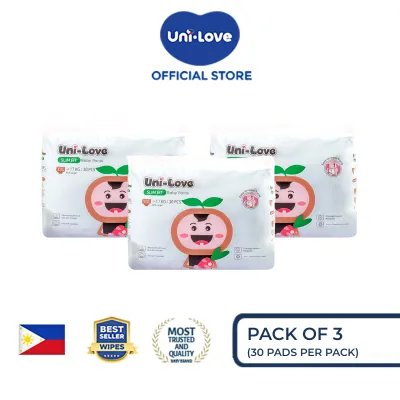
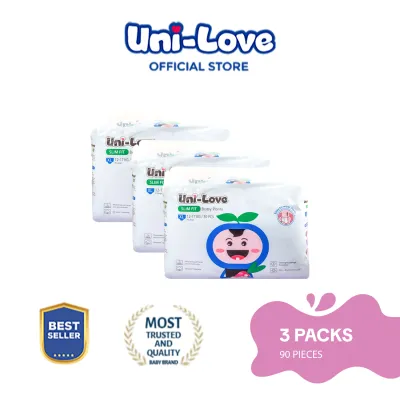
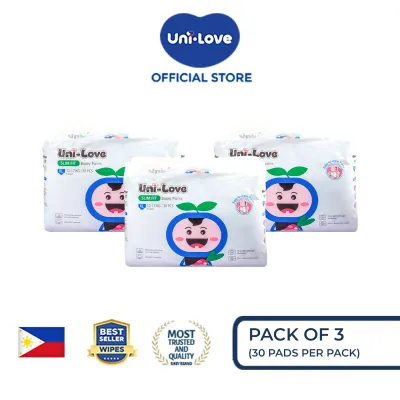
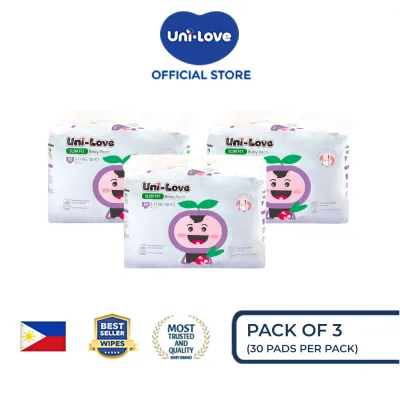
Prices are valid at publication and may change. Please refer to the product page for the latest price.
Weight ranges on diaper packaging often overlap significantly between sizes. For instance, a child who weighs 17 kilograms might fall within the upper limit of a 2XL size and the lower limit of a 3XL size. This overlap is designed to accommodate different body types, such as toddlers with rounder bellies or chunkier thighs. If your child is near the transition point, their physical build will determine whether you should make the jump to 3XL.
Physical fit indicators during active use provide the most reliable feedback. When your child is wearing the diaper pants, check the snugness of the leg cuffs. They should rest gently in the groin creases without digging in or leaving deep, red indentations. The waistband should sit comfortably above the hips, offering enough stretch to allow for a full belly after meals without restricting breathing or movement. If you notice red marks around the waist or thighs after only a few hours of wear, the diaper is likely too tight, regardless of what the weight chart says.
Taller or highly active toddlers often require a transition to 3XL diaper pants earlier than expected. Even if your child’s weight falls within the lower end of the manufacturer’s suggested range, their height and torso length might demand the extra coverage that a 3XL provides. A diaper that is too short in the rise will sit too low on the hips, increasing the risk of blowouts and sagging when wet. If you find yourself constantly pulling up your child’s diaper or if the waistband keeps rolling down under their belly, it is time to try a larger size.
Before committing to a large box of any brand, it is highly recommended to purchase a small trial pack. This allows you to observe how the diaper performs during different activities, such as running, climbing, and sleeping. A trial run also helps you verify if the leg gathers stay in place when your child moves, which is the first line of defense against messy leaks.
Comparing Absorbency, Materials, and Comfort Features
Evaluating the core performance of diaper pants requires looking closely at their construction and material specifications. Absorbency is the most critical factor, especially in larger sizes where toddlers produce a higher volume of liquid. When comparing brands, look at the packaging for details on their core technology. Many modern diapers utilize multi-layer channels or absorbent polymers designed to distribute wetness evenly and prevent the diaper from sagging into a heavy clump between the child’s legs.

The distinction between fluff pulp cores and Super Absorbent Polymer (SAP) cores is highly relevant for larger sizes. SAP-heavy cores allow the diaper to remain remarkably thin while holding a significant volume of liquid, which helps prevent bulkiness under clothing. Fluff pulp cores can feel softer and more cushion-like initially, but they tend to bunch up and sag once saturated. Understanding which core style a brand uses can help you predict how the diaper will behave during long periods of wear.
You can conduct a simple at-home test to check the absorbency and dryness of a diaper. Pour a measured amount of warm water onto the center of the diaper, wait a few minutes, and then press a dry paper towel firmly against the inner lining. If the paper towel remains dry, the diaper’s top sheet is successfully drawing moisture away from the skin. A diaper that feels damp to the touch after a short period can quickly lead to skin irritation and diaper rash, particularly in hot and humid tropical climates.
Skin sensitivity is another vital consideration when choosing diaper pants for older toddlers. The back sheet of the diaper must be highly breathable to allow heat and moisture to escape, reducing the risk of sweat rashes. Check the packaging for explicit labels indicating that the materials are hypoallergenic, fragrance-free, and chlorine-free. Fragrances and chemical bleaching agents are common triggers for contact dermatitis, so opting for simpler, clean ingredient profiles is generally safer for sensitive skin.
Flexibility and movement are essential for toddlers who are constantly on the go. The waistband of a 3XL diaper pant needs to be exceptionally stretchy yet resilient. It should expand easily as your child moves and contract gently to keep the diaper secure. Examine the softness of the inner and outer materials; rough or stiff edges along the waistband and leg cuffs can cause painful chafing during long walks or play sessions.
Calculating the True Value and Cost per Diaper
Comparing diaper prices simply by looking at the price tag on the shelf can be highly misleading. Manufacturers package diaper pants in various quantities, meaning a cheaper pack might actually cost you more per diaper. To find the true value, you must calculate the exact price per piece. Divide the total price of the pack by the number of diapers inside. For example, if a pack costs ₱600 and contains 30 diapers, the cost per piece is ₱20.00. Keeping a running log of these calculations makes it easy to spot genuine bargains.
The choice between buying in bulk online versus purchasing smaller packs at physical supermarkets involves clear trade-offs. Online marketplaces and ecommerce platforms frequently offer bulk boxes at a lower cost per piece, especially during promotional events. However, bulk buying requires a larger upfront payment and storage space in your home. You must also factor in shipping fees, which can sometimes offset the savings unless you qualify for free shipping promotions. Physical supermarkets offer the convenience of immediate purchase and smaller pack sizes, which are ideal when you are testing a new brand or are close to potty training and do not want leftover diapers.
Be sure to verify the exact diaper count per pack every time you purchase. Brands often use very similar packaging designs for different pack tiers, such as “mega packs” versus “value packs.” It is easy to accidentally grab a pack with fewer diapers, thinking you are getting the same deal as before. Always check the printed count on the bottom or side of the bag to ensure your cost-per-piece calculations remain accurate.
Additionally, consider the frequency of diaper changes when calculating your monthly budget. A slightly more expensive diaper that keeps your child dry for twelve hours overnight might save you money compared to a cheaper diaper that requires multiple changes and extra laundry due to leaks. Balance the unit cost with the actual performance of the diaper in your daily routine to find the most economical solution.
Decision Guide: Which Brand Fits Your Child's Needs?
Selecting the right 3XL diaper pant comes down to matching a brand’s specific strengths with your child’s physical needs and your household budget. There is no single option that works perfectly for every family, but categorizing your priorities can simplify the decision.
Choose Unilove if you prioritize a reliable balance of local availability and budget-friendly pricing. This brand is often favored by families who need a dependable diaper for frequent daytime changes. Its price-to-count ratio makes it an attractive option for maintaining a fresh diaper without putting a strain on your daily household expenses.
Choose Pampers if your primary focus is a slim, contoured fit and advanced wetness tracking. Their premium lines often feature highly visible wetness indicators that change color when wet, making it easier to monitor your child’s output without removing their clothes. This brand is highly suitable for parents who want a reliable overnight diaper that minimizes bulk under clothing.
Choose Huggies if your child has a sturdy or highly active build that requires a robust waistband structure. Their diaper pants are known for a secure, snug fit around the waist and deep leg cuffs that stay in place during vigorous play. If other brands tend to slip down or gap at the back when your child climbs or runs, a trial pack of this brand may provide the secure fit you need.
Choose Equator if you are looking for an exceptionally budget-friendly option primarily for daytime use. This brand is ideal for families who practice frequent diaper changes or are in the middle of potty training, where diapers are only worn for short periods. Verify that its basic absorbency meets your child’s typical output before relying on it for long outings or overnight sleep.
Verify first if your child has a history of severe skin reactions or allergies. Before purchasing a large quantity of any new diaper brand, read the ingredient and material labels carefully. If your child has extremely sensitive skin, it is always best to consult a pediatrician for personalized recommendations and to test a single diaper on a small patch of skin before committing to a bulk purchase.
Frequently Asked Questions (FAQ)
Can I mix different diaper brands for day and night use?
Yes, mixing different diaper brands is a highly practical and cost-effective strategy used by many parents. You can use budget-friendly brands like Equator or Unilove during the day when you can change your child frequently. This keeps your overall costs down while ensuring your child stays clean and dry. For overnight use or long car rides, you can switch to premium, high-absorbency options from Pampers or Huggies. This ensures your child remains comfortable throughout the night, preventing heavy leaks and supporting uninterrupted sleep. Always monitor your child’s skin for any signs of redness or irritation when introducing a new brand into their daily rotation.
How do I know if it is time to size up from 3XL?
You will know it is time to transition out of 3XL diaper pants when you observe persistent signs of a poor fit. These signs include deep, red marks on your child’s thighs or waist, frequent side leaks despite proper application, or the diaper sitting too low on the hips. You should also check the manufacturer’s maximum weight limit printed on your current 3XL packaging; if your child has reached or exceeded this limit, a larger size is necessary. If 3XL is the largest size offered by your preferred brand, you may need to explore youth pants or switch to a different brand that offers extended sizing options to accommodate your growing child.

Community discussion
Share your experience or ask a question. Comments are reviewed before publication.