
Choosing between Unilove, Pampers, Equator, and Huggies depends on your baby’s unique body shape, skin sensitivity, and your family’s budget. There is no single diaper brand that works perfectly for every infant, especially in a tropical climate where heat and humidity demand careful attention to breathability and fit. Parents must evaluate specific design features, check packaging claims, and run small-scale trials to find the ideal match for their daily routine.
In warm and humid environments, diaper performance is put to the test. Sweat, friction, and trapped moisture can quickly lead to discomfort or skin irritation. Understanding how each brand structures its absorbent core, waistbands, and leg cuffs allows you to make an informed decision that balances cost and comfort. By focusing on verifiable packaging specifications and observing how a diaper performs on your baby, you can avoid the cycle of leaks and blowouts.
Key Factors for Evaluating Baby Diapers
Before comparing specific brands, establishing a personalized evaluation framework based on your baby’s physical needs and your family’s daily routine is essential. Every baby has a unique build, and what fits one infant perfectly might cause leaks or red marks on another. By focusing on key structural elements, you can narrow down your choices systematically.
Products mentioned in this guide
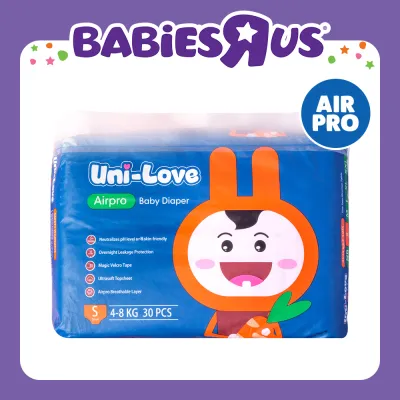
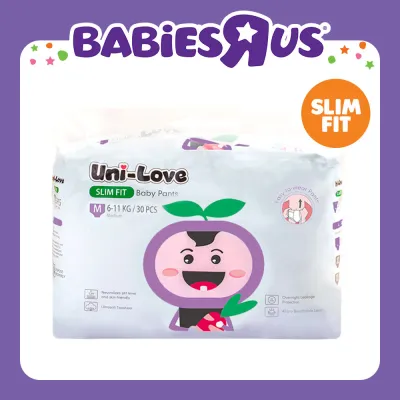
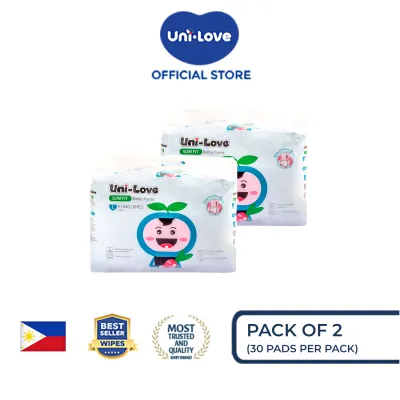
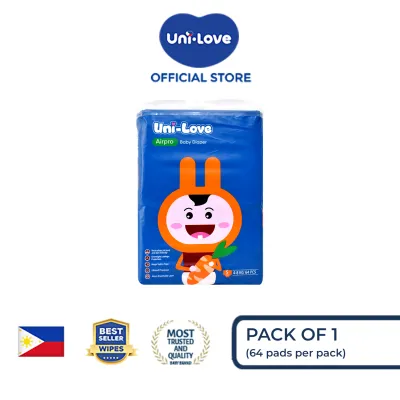
Prices are valid at publication and may change. Please refer to the product page for the latest price.
Absorbency and leak protection serve as the primary defense against moisture-related discomfort. When examining diaper packaging, look for specific core technology claims, such as superabsorbent polymers (SAP) or specialized distribution channels designed to draw liquid away from the skin quickly. Wetness indicators, which typically change color when wet, are highly useful for monitoring when a change is due. Additionally, inspect the leg cuff design; double-layered elastic barriers help contain liquid and prevent side leaks during movement.
Comfort and fit directly impact your baby’s freedom of movement and overall happiness. Evaluate the elasticity of the waistband, ensuring it stretches comfortably to accommodate a full tummy after feeding without digging into the skin. Diaper thickness is another consideration; while thinner diapers are often preferred in hot weather for a lighter feel, they must still deliver reliable absorbency. Always check the manufacturer’s size chart, keeping in mind that a baby’s weight is only a starting point, as thigh and waist circumferences vary widely.
Skin sensitivity is a critical factor, particularly in tropical regions where sweat and friction can exacerbate diaper rash. Look for packaging labels that specify fragrance-free, hypoallergenic, or dermatologically tested materials. Breathability is paramount; diapers with micro-porous outer covers allow hot air to escape while keeping liquid contained. Checking for these material claims helps minimize the risk of heat rash and contact dermatitis.
Brand Profiles and Design Features
Breaking down the structural and material characteristics of each brand helps you match their specific design focuses with your baby’s daily activities and sleep patterns. Each manufacturer emphasizes different technologies and fits on their packaging.

Unilove Baby Diapers
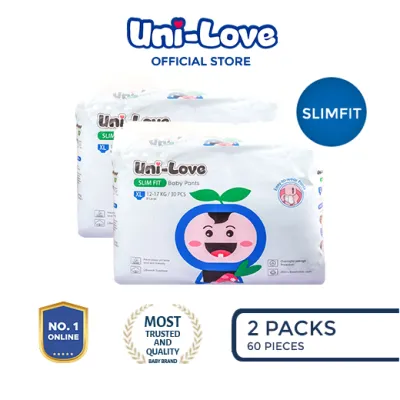
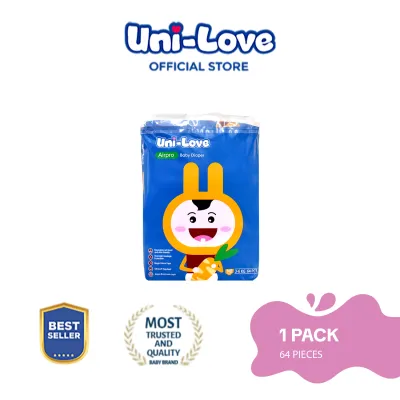
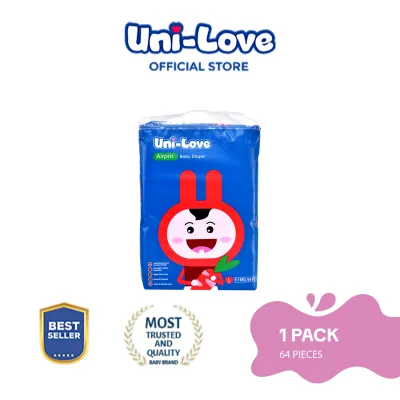
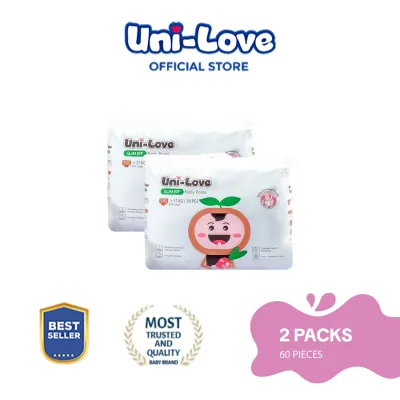
Unilove baby diapers focus heavily on providing gentle materials and a lightweight feel. The packaging prominently highlights a cottony-soft top sheet designed to minimize friction against delicate skin. The brand emphasizes an air-flowing back sheet, which is intended to facilitate air circulation and reduce heat buildup, making it a popular consideration for daytime wear in warm weather.
In terms of fit and sizing, the brand offers both tape and pants varieties with stretchable waistbands. The manufacturer’s guidelines categorize sizes by weight ranges, and the elastic components are designed to provide a snug, secure fit around the waist and thighs. This elasticity helps prevent gaps that could lead to leaks while maintaining a soft touch.
Special features listed on Unilove packaging include a convenient wetness indicator on the exterior, allowing caregivers to check wetness at a glance. The brand also highlights an ultra-thin absorbent core. This design choice aims to reduce bulkiness between the baby’s legs, supporting natural hip alignment and comfortable movement as they crawl or walk.
Pampers
Pampers packaging frequently highlights advanced absorbency technologies designed to keep babies dry for extended periods. The brand emphasizes its specialized distribution channels, which are engineered to distribute liquid evenly across the core rather than letting it pool in one spot. This technology is intended to prevent sagging and maintain a dry layer next to the skin.
Sizing charts for this brand are highly detailed, often featuring slight overlaps between weight categories to help parents transition smoothly between sizes. The brand offers tape options with stretchy, adjustable fasteners and pants options featuring a 360-degree elastic waistband that adapts to the baby’s movements.
Key features to look for on the packaging include breathable outer covers and specialized leg cuffs designed to form a secure seal around the thighs. These elements work together to provide reliable leak protection, making the brand a frequent choice for overnight use when longer intervals between changes are expected.
Equator
Equator diapers are designed with a focus on practical, everyday utility and reliable containment. The packaging claims highlight a high-capacity absorbent core structured to lock away moisture quickly. This straightforward design focuses on core functionality to support active babies throughout the day.
Sizing guidelines align with standard infant weight brackets, and the brand emphasizes a secure fit around the legs. Caregivers should verify the fit of the leg cuffs, which are designed to provide a robust barrier against leaks, particularly for babies who are constantly on the move.
Special features of Equator diapers are geared toward active wear and overnight protection. The structural design emphasizes reinforced leak guards and a secure fastening system that keeps the diaper in place during vigorous play, crawling, or rolling, reducing the likelihood of displacement-induced leaks.
Huggies
Huggies packaging prominently features proprietary leak-prevention structures aimed at containing messes of all consistencies. A key design highlight is the pocketed waistband, which is specifically engineered to trap runny stools at the back and prevent blowouts. The brand claims high-performance absorbency layers that quickly draw wetness deep into the core.
Sizing charts are structured to guide parents through rapid growth phases, offering clear weight recommendations. The tape diapers feature secure grip tabs that allow for multiple adjustments, ensuring a customized fit around the waist, while the pants version offers easy-tear sides for quick removal.
Specialized features include double leak barriers around the legs and a clear wetness indicator. The materials are selected to balance softness with structural integrity, ensuring the diaper maintains its shape and protective barriers even when fully saturated during long car rides or overnight sleep.
Calculating Price and True Value
Comparing diaper costs requires looking beyond the initial price tag of a package. Because pack sizes and diaper counts vary significantly between brands and sizes, calculating the cost per individual diaper is the most accurate way to evaluate your expenses. Use this simple formula to determine the unit cost:
$$\text{Cost per Diaper} = \frac{\text{Total Pack Price (₱)}}{\text{Number of Diapers in the Pack}}$$
For example, if a pack costs ₱450 and contains 50 diapers, the cost per diaper is ₱9.00. Performing this calculation allows you to compare different brands and packaging sizes on an equal basis.
However, the cheapest diaper on paper does not always deliver the best value. If a lower-priced diaper lacks sufficient absorbency or fits poorly, you may find yourself changing your baby twice as often, or dealing with frequent leaks that result in extra laundry and sheet changes. A slightly more expensive diaper that keeps your baby dry for longer periods can ultimately reduce the total number of diapers used daily, saving you money and effort.
To optimize your budget, look for bulk purchasing options, subscription services, or promotional bundles. Official brand stores and authorized e-commerce platforms frequently offer discounts on larger carton sizes. Always verify the seller’s authenticity to ensure you are purchasing genuine products that meet the manufacturer’s quality standards.
Decision Framework: Which Brand Fits Your Baby?
To choose the right diaper, match your observations of your baby’s daily needs with the specific design strengths of each brand. Use this conditional framework to guide your selection:
- Choose Unilove if: The packaging specifications match your priority for a lightweight, ultra-thin design and soft materials, and a trial pack confirms a secure fit without causing skin irritation during warm daytime hours.
- Choose Pampers if: The stated channel-absorbency technology and wetness indicators align with your routine, and trial use shows effective leak prevention and dryness during overnight sleep.
- Choose Equator if: The design features support your baby's active mobility needs, and the sizing chart accurately matches your baby's current weight and thigh circumference to prevent gaps.
- Choose Huggies if: The specific leak-guard structures, such as the pocketed waistband, address your primary concerns regarding blowouts, and the adjustable fasteners provide a comfortable fit during movement.
Before introducing any new diaper brand, verify if your baby has a history of severe skin sensitivities or allergies. If your baby frequently experiences unexplained skin irritation, consult a pediatrician for personalized guidance on materials and skin care routines.
Frequently Asked Questions (FAQ)
How do I know if a diaper brand is causing a rash?
Distinguishing between a diaper rash caused by moisture or friction and one caused by material sensitivity requires careful observation. Rashes caused by trapped moisture or infrequent changes typically appear as broad red patches in areas of direct contact with wetness. Friction rashes often develop along the edges of the waistband or leg cuffs where the material rubs against the skin. If a rash appears suddenly after switching brands and presents as localized redness matching the diaper’s footprint, it may indicate a sensitivity to a specific material or fragrance. To manage skin health, ensure frequent changes, dry the skin thoroughly before applying a barrier cream, and stop using the brand immediately if the rash persists or worsens, then consult a pediatrician.
Should I buy diapers in bulk or try small packs first?
Always start with the smallest available pack size when trying a new diaper brand, whether you are testing Unilove, Pampers, Equator, or Huggies. Buying in bulk before verifying the fit can lead to wasted money if the diaper leaks, sags, or causes skin irritation. Use a small trial pack over a few days to assess how the diaper handles your baby’s movements, sleep positions, and skin sensitivity. Once you have confirmed that a specific brand and size provide reliable protection and comfort without adverse skin reactions, you can confidently transition to purchasing larger bulk boxes or subscription packages to secure the best unit value.

Community discussion
Share your experience or ask a question. Comments are reviewed before publication.