
Finding the right balance between cost and performance is a constant challenge for parents, especially as babies grow into larger diaper sizes. As your baby transitions to large pants diapers, the daily volume of diapers used remains high, making the price difference between premium brands and budget-friendly alternatives highly noticeable.
In the tropical climate of the Philippines, high humidity and heat make diaper breathability and frequent changes critical for your baby’s comfort. While premium brands like Pampers and Huggies are widely recognized for their advanced overnight dryness, transitioning to an alternative like Unilove for daytime wear can offer significant monthly savings.
Evaluating whether Unilove is a suitable alternative requires looking closely at how your baby’s unique build, mobility, and skin sensitivity align with the diaper’s design. By understanding the specific trade-offs in absorbency and fit, you can make an informed decision that keeps your baby dry and comfortable without overstretching your budget.
Products mentioned in this guide
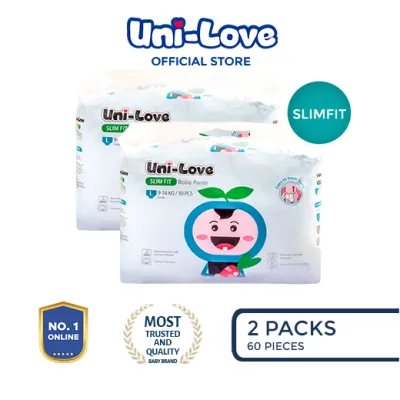
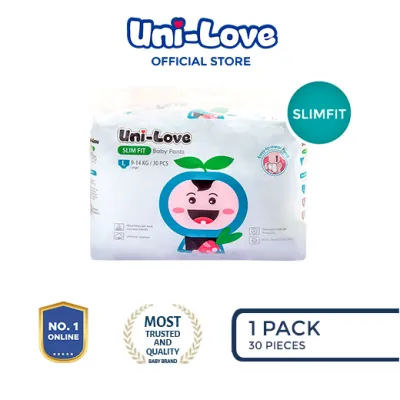
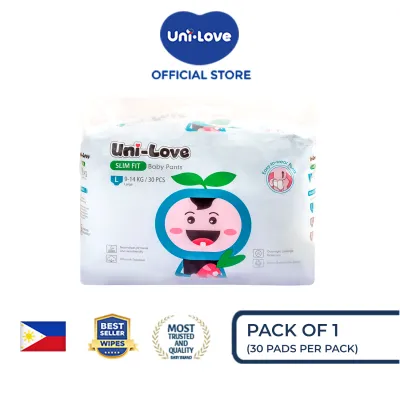
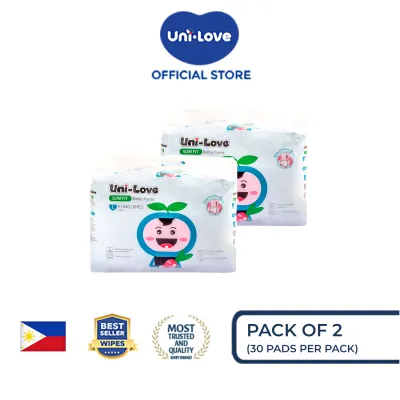
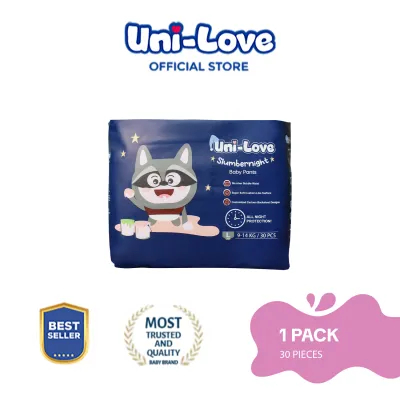
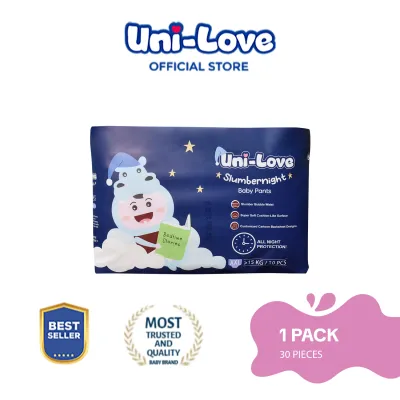
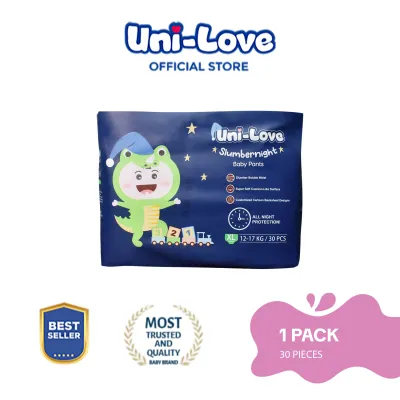
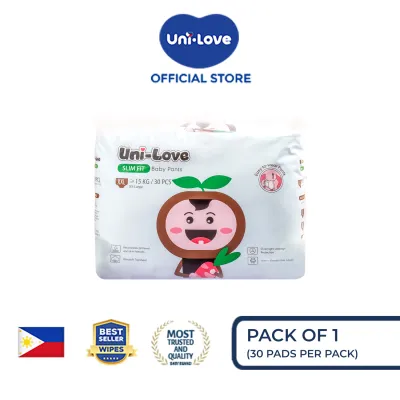
Prices are valid at publication and may change. Please refer to the product page for the latest price.
Defining Your Diaper Priorities for Larger Babies
As babies grow into the large diaper size, their daily routine changes dramatically. They are no longer lying still; they are crawling, walking, and constantly exploring their environment. This increased mobility demands a pants diaper that can stretch and flex with every movement while maintaining a secure seal around the waist and thighs.
In a warm and humid climate, heat and moisture can quickly build up inside a diaper, leading to skin irritation or heat rashes. Therefore, any alternative diaper you consider must offer reliable breathability to keep the skin dry and cool during active play.
A baby’s unique physical build also dictates how a diaper fits. Some toddlers have rounder bellies, while others have thicker thighs. A diaper that fits one baby perfectly might cause leaks or red marks on another, meaning you must look closely at how the elastic bands conform to your child’s specific shape.
Premium brands have set a high standard with their advanced absorbent channels and ultra-soft materials. They are designed to lock away moisture for hours, often surviving a full night of sleep. Understanding this baseline helps you set realistic expectations: while an alternative brand may offer excellent value, you need to determine if it can match this level of performance or if it serves a different, specific role in your daily routine.
Evaluating Unilove Large Pants Diapers
When considering Unilove large pants diapers, your evaluation should begin with the product packaging and physical specifications. Check the recommended weight range printed on the pack to ensure your baby falls comfortably within the limits. Keep in mind that weight ranges are general guidelines, and your baby’s actual build may require sizing up or down.

Look for key features listed on the packaging, such as the presence of a wetness indicator. This color-changing strip is a highly convenient tool for busy parents, allowing you to see at a glance whether a change is needed without having to tear open the sides of the pants diaper.
Next, physically inspect the diaper’s construction. Examine the waistband elasticity by gently stretching it. A good pants diaper should have a highly flexible, soft waistband that stretches easily to accommodate a full belly after meals but retracts gently to prevent sagging during play.
Pay close attention to the leg cuff design. The cuffs should feature double-layered elastic barriers that sit flat against the baby’s thighs. These barriers are crucial for preventing side leaks, especially when your toddler is running or climbing. Feel the elastic to ensure it is soft enough not to leave deep red marks on delicate skin.
Finally, run your fingers over the inner surface texture of the diaper. It should feel soft and smooth to the touch, minimizing friction against your baby’s skin. Gently bend the diaper to assess the flexibility of the absorbent core; a stiff or bulky core can restrict movement and feel uncomfortable for an active toddler.
Comparing Unilove with Pampers and Huggies
The most immediate difference parents notice when comparing Unilove to premium giants like Pampers and Huggies is the price per piece. Calculating the cost per diaper in Philippine Pesos (₱) reveals substantial potential savings, especially since toddlers in the large size can go through several diapers a day. Over a month, these savings can free up a significant portion of your baby care budget.
However, a lower price point often comes with specific trade-offs in performance and design. Premium brands typically invest heavily in proprietary absorbent technologies, resulting in a thinner, less bulky diaper that absorbs liquid almost instantly. You may observe that alternative diapers feel slightly thicker or take a bit longer to distribute moisture evenly across the core.
During active daytime play, this difference in bulkiness can affect how the diaper sits on your baby. A bulkier diaper might sag more quickly when wet, which can occasionally restrict movement or lead to minor leaks if not changed promptly. Observing your baby’s comfort during play will help you judge if the fit remains secure.
Another critical area of comparison is overnight dryness. Premium diapers are often engineered to keep a baby dry for up to 12 hours by locking wetness deep inside the core. With budget-friendly alternatives, you might find that the diaper reaches its capacity sooner, requiring more frequent changes during the day and potentially making it less suitable for uninterrupted overnight sleep.
Safely Transitioning to a New Diaper Brand
Transitioning to a new diaper brand should always be done gradually to protect your baby’s sensitive skin and avoid wasting money. Instead of ordering a massive box from an online marketplace, start by purchasing the smallest pack available. This allows you to test the fit, absorbency, and skin compatibility without a major financial commitment.
When you begin using the new diaper, do so during the day when you can monitor your baby closely. Check the skin around the waistband and thighs every time you perform a change. Look for any signs of redness, chafing, or localized heat rashes that might indicate the material is rubbing or trapping too much moisture.
Keep a close eye out for allergic reactions or diaper dermatitis. Because every baby’s skin chemistry is unique, a material that works perfectly for one child might cause irritation for another. If you notice persistent redness or a bumpy rash developing after switching, this is a clear signal to pause the trial.
Establish clear stop conditions before you begin the transition. If your baby experiences persistent leaks, frequent blowouts, or skin irritation that does not resolve quickly, stop using the alternative diaper immediately. Return to your trusted premium brand and, if the skin irritation is severe or does not improve, consult your pediatrician for professional guidance.
Deciding If Unilove Is the Right Alternative for You
Deciding whether to make Unilove your primary diaper brand depends on your baby’s unique needs and your family’s daily routine. Unilove is an excellent choice if your toddler tolerates the materials well and you already practice frequent daytime changes. If your main goal is budget optimization, using a more affordable diaper during the hours when you change your baby every few hours makes perfect financial sense.
On the other hand, you may want to stick with premium options like Pampers or Huggies if your baby has highly sensitive skin that reacts quickly to changes in diaper brands. Premium diapers are also highly recommended if your baby is a heavy wetter overnight, as their advanced cores are specifically designed to handle large volumes of liquid over extended periods without leaking.
For many parents, the most practical solution is a hybrid approach that combines the best of both worlds. You can use budget-friendly diapers like Unilove during the day when changes are frequent and easy to manage. Then, switch to a premium Pampers or Huggies diaper at bedtime to ensure your baby stays dry and sleeps comfortably through the night. This strategy maximizes your savings while maintaining premium protection when it matters most.
Frequently Asked Questions (FAQ)
How do I know if the large pants diaper is the right size for my baby?
To verify if a large pants diaper fits your baby correctly, start by checking for red marks or deep indentations around their thighs and waist after you remove the diaper. If you see these marks, the diaper is too tight, and you should size up. Next, ensure the waistband sits comfortably just below the belly button without sagging or gaping. Finally, always run your finger around the leg cuffs after putting the diaper on to make sure the inner and outer guards are fully pulled out, as tucked-in cuffs are a primary cause of side leaks.
Can I use alternative diapers overnight if my baby sleeps through the night?
You can test an alternative diaper for overnight use, but it requires a cautious approach. Start by testing the diaper’s overnight capacity during a weekend when you can easily monitor your baby and handle an early morning change if necessary. In the morning, check if the diaper is heavily saturated, sagging, or if your baby’s skin feels damp to the touch. If the diaper leaks or leaves your baby’s skin wet, it is best to reserve the alternative diaper for daytime use and stick to a premium overnight diaper to ensure 10 to 12 hours of dry, comfortable sleep.

Community discussion
Share your experience or ask a question. Comments are reviewed before publication.