
Choosing between Unilove Large, Pampers, Equator, and Huggies requires balancing your baby’s unique body shape, skin sensitivity, and your household budget. While premium brands like Pampers and Huggies often feature advanced elastic bands and specialized overnight cores, budget-friendly options like Unilove and Equator offer practical daytime utility at a lower cost per piece. The right choice depends on whether you prioritize maximum overnight dryness or economical, frequent daytime changes.
In tropical climates like the Philippines, high humidity and heat make diaper selection even more critical. Trapped moisture can quickly lead to diaper rash and discomfort, meaning that breathability and a proper fit are just as important as raw absorbency. By understanding how each brand designs its diapers, you can make an informed decision that keeps your baby dry and comfortable without overstretching your budget.
Every baby develops differently, meaning a diaper that works perfectly for one infant might cause leaks or red marks on another. Rather than relying solely on brand popularity, caregivers should evaluate diapers based on observable fit, real-world absorbency, and unit cost. This guide provides a practical framework to help you compare these four popular brands and choose the best option for your family’s daily routine.
Products mentioned in this guide
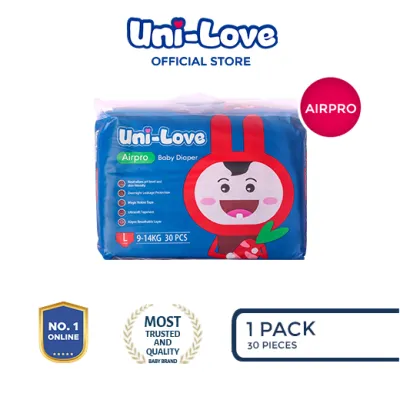
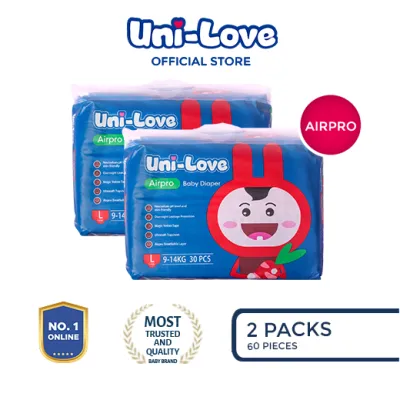
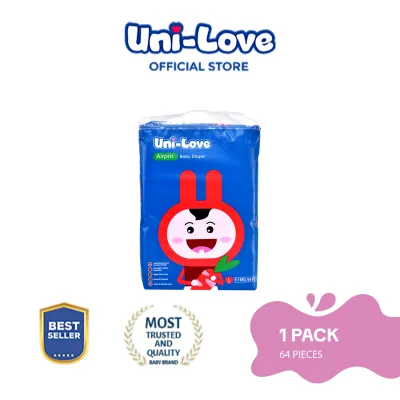
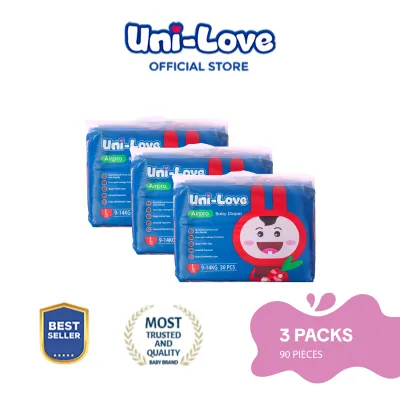
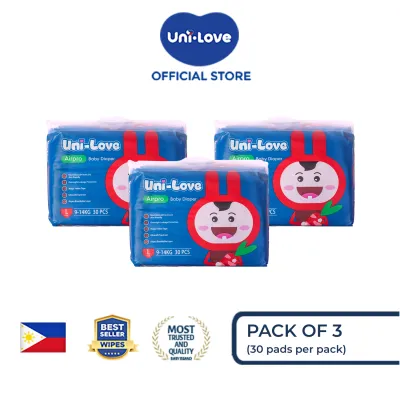
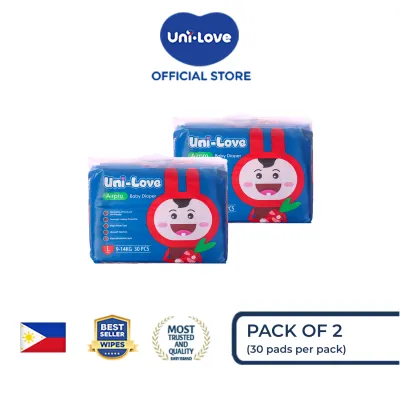
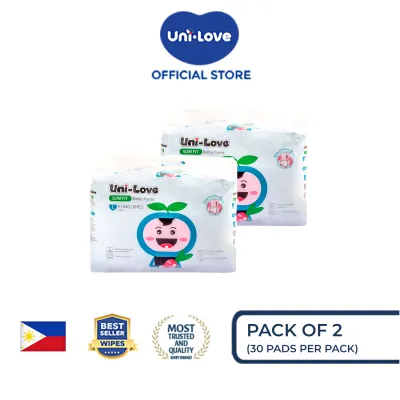
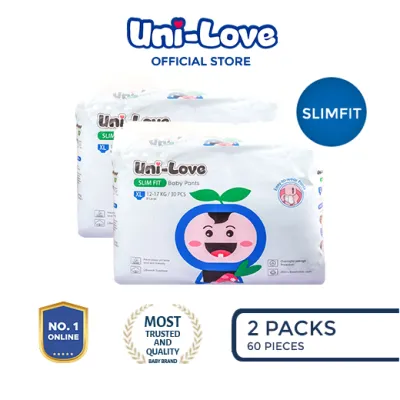
Prices are valid at publication and may change. Please refer to the product page for the latest price.
Understanding the Contenders and Product Lines
Diaper brands do not follow a single, universal standard for sizing or product tiers. When comparing Unilove, Pampers, Equator, and Huggies, it is essential to look at the specific sub-line you are purchasing, such as basic dry options versus premium pants or taped varieties. Features, materials, and overall performance vary significantly between a brand’s entry-level utility line and its premium offerings.
For instance, a “Large” size in one brand might be optimized for babies weighing 9 to 14 kilograms, while another brand might set its Large range from 12 to 17 kilograms. Caregivers must inspect the physical packaging of each pack to verify the recommended weight range before purchasing. Relying on the size label alone can lead to buying diapers that are either too tight or prone to gaping.
Furthermore, manufacturers frequently update their diaper designs, core technologies, and outer cover materials to improve performance or reduce production costs. Because of these continuous updates, the information printed on the current product label remains your most reliable reference for specifications. Checking the packaging ensures you are aware of any recent changes to the diaper’s construction or sizing guidelines.
Evaluating Absorbency and Leak Protection
Evaluating how well a diaper absorbs liquid involves looking past marketing terms and focusing on your baby’s daily routine. When browsing options, check the packaging for specific claims regarding channel technology, wetness indicators, and recommended maximum wear hours. These features help you understand how the diaper is designed to distribute and lock away moisture.

A baby’s actual absorbency needs are highly dynamic and depend on factors like hydration levels, recent diet transitions to solid foods, and sleep duration. A diaper that performs exceptionally well during active daytime play might not handle heavy overnight output during a long stretch of sleep. Understanding your baby’s specific output patterns allows you to choose a diaper with the appropriate core capacity.
To find the right match without wasting money, consider running a controlled at-home trial. Purchase a single small pack of Unilove Large, Pampers, Equator, or Huggies, and observe how the diaper handles moisture over a few days. This practical test is the most reliable way to assess how the diaper performs under your baby’s unique daily conditions.
During this trial, check for signs of sagging, pooling liquid, or dampness on your baby’s skin during changes. If you notice leaks occurring primarily at night or when your baby is crawling, it may indicate that the core design or leg barriers of that specific brand do not align with your baby’s current movement patterns. Adjusting the brand or style based on these observations can prevent future leaks.
Assessing Fit, Comfort, and Skin Compatibility
A diaper can only prevent leaks and keep your baby comfortable if it fits their unique body shape correctly. When testing a new brand, inspect the waistband elasticity to ensure it stretches comfortably without gaping when your baby sits or bends. A flexible waistband allows for natural movement while keeping the diaper securely in place.
Pay close attention to the leg cuff barriers, which should sit snugly in the groin creases to seal against leaks. The overall bulkiness of the diaper also matters, as an overly thick diaper can restrict natural movement and cause discomfort during play. A well-designed diaper should offer a slim profile while maintaining reliable barrier protection.
You can easily spot a poor fit by looking for physical warning signs on your baby’s skin. Deep red marks around the thighs or waist indicate the diaper is too tight, while frequent blowouts up the back suggest the waistband is either too loose or sits too low. If you observe these signs, it is usually time to adjust the fit or transition to a different brand’s sizing cut.
Skin compatibility is another critical factor, especially in warm, humid tropical climates where moisture can easily trap heat. Review the diaper packaging for details on material composition, noting whether the product is free from added fragrances, latex, or elemental chlorine. These details are essential for preventing irritation on delicate skin.
If your baby has highly sensitive skin, look for labels indicating dermatological testing or hypoallergenic materials. Checking these details on the packaging helps minimize the risk of contact dermatitis and heat rashes. If skin irritation persists regardless of the brand, consulting a healthcare professional is the safest course of action.
Calculating True Value and Purchasing Strategy
Comparing the shelf price of different diaper boxes can be highly misleading because pack counts vary significantly between brands and tiers. To find the true value, always calculate the cost per individual diaper by dividing the total price (₱) by the number of pieces in the package. This simple calculation reveals the actual cost of daily diapering.
For example, a larger box might seem expensive upfront, but it often yields a lower cost per piece than a small convenience pack. Keep a running log of these unit prices to identify which brand offers the most sustainable long-term cost for your household budget. This practice helps you spot genuine savings rather than relying on marketing discounts.
When purchasing your selected diapers, source them from official brand stores on major e-commerce platforms or established local supermarkets. Buying from authorized channels ensures you receive authentic products that have been stored in clean, dry environments. It also protects you from counterfeit goods that may not meet safety standards.
While bulk buying offers the lowest unit cost, it carries a financial risk if your baby suddenly outgrows the size or develops a skin reaction. Limit your initial purchases to small trial packs, and only commit to bulk boxes once you have verified that the diaper fits well and does not irritate your baby’s skin. This cautious approach prevents wasted money and unused inventory.
Decision Framework: Choosing the Right Diaper
To simplify your decision, match each diaper brand’s characteristics to your baby’s specific daily needs and your financial priorities. This structured approach helps you avoid overpaying for features you do not actually use. It also ensures your baby remains comfortable and dry throughout the day and night.
Consider choosing Unilove Large if your primary constraint is your monthly budget and your baby does not experience frequent leaks or skin sensitivity. This option works well for families who practice frequent daytime changes, where a highly expensive overnight core is not necessary to maintain hygiene.
Opt for Pampers or Huggies if your baby is a heavy wetter, sleeps for long stretches, or requires advanced elastic fit technologies to prevent leaks during active movement. These brands are highly suitable for overnight use when maximum dryness and specialized leak guards are essential for uninterrupted sleep.
Select Equator if you are looking for a practical middle ground that balances cost with reliable mid-tier features, or if this brand offers the most consistent availability in your local neighborhood stores. Having a reliable, accessible option simplifies your weekly shopping routine.
Regardless of the brand you choose, always prioritize your baby’s skin health. If your baby experiences persistent diaper rashes, unusual skin irritation, or allergic reactions, stop using the product immediately. Consult a qualified pediatrician to identify the underlying cause and receive professional guidance on skin care.
Frequently Asked Questions (FAQ)
How do I know if my baby has outgrown the Large size?
Your baby may need to transition to a larger size if you notice the waistband sitting significantly below the belly button or if the fastening tabs can barely reach the center zone. Physical indicators like deep red marks around the thighs or waist also signal that the diaper is too tight. Additionally, a sudden increase in leaks or blowouts in a diaper that previously performed well often means the core can no longer handle your baby’s increased liquid output. Always cross-reference your baby’s current weight with the specific weight guidelines printed on the packaging, as sizing limits vary across different brands.
Is it effective to use different brands for daytime and nighttime?
Yes, splitting your diaper strategy between two different brands can be a highly cost-effective approach. Many caregivers use a budget-friendly, highly breathable diaper like Unilove or Equator for frequent daytime changes, and save premium, highly absorbent options like Pampers or Huggies for long overnight stretches. This strategy maximizes your budget while ensuring your baby stays dry and comfortable during sleep. However, you must monitor your baby’s skin closely when introducing multiple brands, as switching between different materials and core technologies throughout the day can sometimes trigger sensitivities in babies with highly reactive skin.

Community discussion
Share your experience or ask a question. Comments are reviewed before publication.