
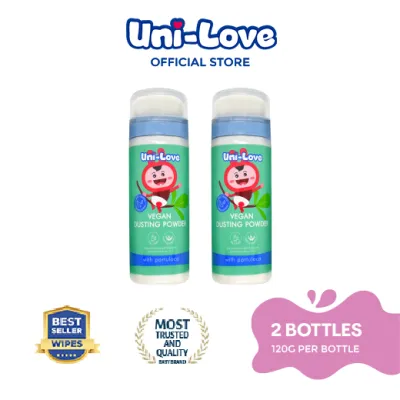
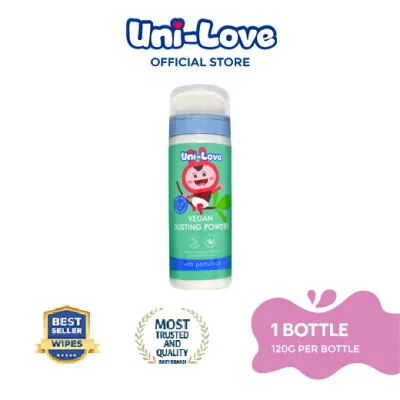
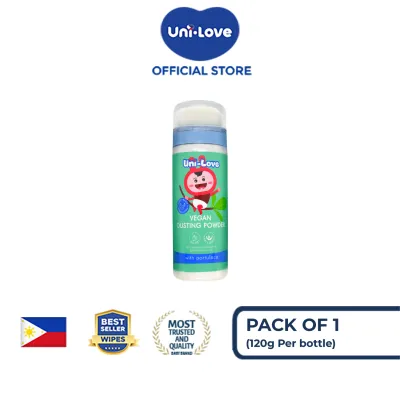
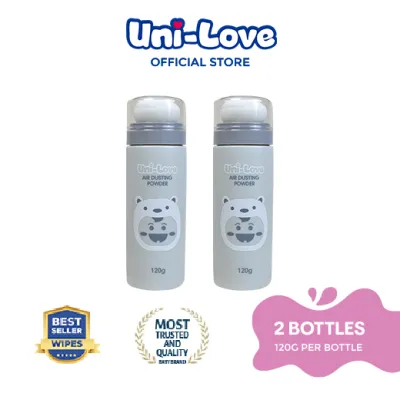
The safety of Unilove dusting powder for your baby is not a simple yes-or-no answer; it depends heavily on the specific formulation of the bottle you hold and how you apply it. In tropical climates like the Philippines, where high humidity and heat frequently cause sweat rash and diaper irritation, parents often turn to dusting powders for quick relief. However, because product formulations can change over time, you must always inspect the physical label of your specific bottle to identify its active ingredients.
Understanding Unilove Dusting Powder Ingredients
To determine whether a specific baby powder is suitable for your infant, you must first learn how to read and interpret the ingredient list on the back of the packaging. Manufacturers list ingredients in descending order of concentration, meaning the first few items make up the vast majority of the product. When examining your bottle of Unilove dusting powder, look closely at the very first ingredient to identify whether the product uses a mineral base or a plant-based alternative.
Talc, or talcum powder, is a naturally occurring mineral composed of magnesium, silicon, and oxygen. For decades, talc has been prized in infant skincare for its exceptional ability to absorb moisture, reduce friction, and prevent chafing in delicate skin folds. Its ultra-fine texture allows it to glide smoothly over the skin, creating a silky barrier that keeps babies feeling dry and comfortable even in warm, humid weather.
Products mentioned in this guide

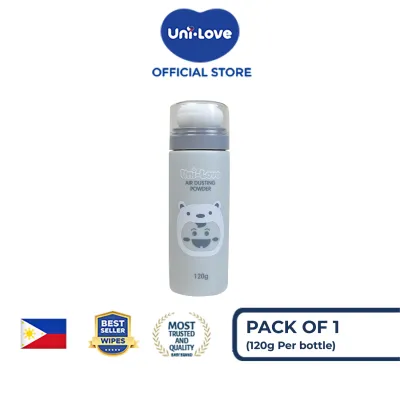
Prices are valid at publication and may change. Please refer to the product page for the latest price.
Cornstarch is the primary plant-based alternative to talc, derived directly from corn kernels. It consists of larger, more complex carbohydrate molecules that are highly effective at absorbing moisture. Many modern baby care brands have transitioned to cornstarch-based formulations because they offer a similar drying effect without the specific mineral-related concerns associated with talc.
Beyond the primary base, you should also scan the ingredient list for secondary additives, such as fragrances, preservatives, and skin-soothing agents. Fragrances, often listed simply as “parfum,” are frequently added to give baby products their signature clean scent. However, synthetic fragrances can be a common source of skin irritation or allergic reactions, particularly for infants with sensitive skin or eczema.
Preservatives, including parabens, are sometimes used in cosmetic products to prevent the growth of harmful bacteria and mold. While preservatives are necessary to keep products shelf-stable, many parents prefer paraben-free formulations to minimize the risk of skin sensitization. Checking for additional soothing ingredients, such as allantoin, aloe vera extract, or chamomile, can also give you insight into how the powder will interact with your baby’s skin barrier.
Talc vs. Cornstarch: Safety Considerations for Infants
When evaluating the safety of baby powders, it is essential to understand the broader medical consensus regarding loose powders in infant care. Pediatricians and global health organizations have long raised concerns about the use of any loose powder around babies, regardless of whether the base is talc or cornstarch. The primary risk does not always stem from the chemical composition of the powder, but rather from its physical form as an airborne dust.

When you shake loose powder out of a container, it easily disperses into the air, creating a cloud of microscopic particles. Because infants have very small, developing airways and rapid breathing rates, they can easily inhale these airborne particles. Once inhaled, the fine dust can travel deep into the baby’s lungs, causing immediate irritation, inflammation, and respiratory distress.
Over time, repeated exposure to inhaled baby powder can lead to chronic respiratory issues, such as persistent coughing, wheezing, or even chemical pneumonia. Because of these inhalation hazards, major pediatric associations recommend that parents avoid using loose baby powders entirely. Instead, they suggest managing moisture and friction with alternative product formats, such as barrier creams, ointments, or liquid-to-powder lotions that do not become airborne.
The risks associated with loose powder are significantly higher for certain vulnerable infants. If your baby was born prematurely, has a history of respiratory illness, or suffers from chronic lung conditions, their airways are exceptionally sensitive to environmental irritants. In such cases, healthcare providers strongly advise against having any loose powders in the home, as even a small amount of airborne dust can trigger a severe respiratory reaction.
Furthermore, the choice between talc and cornstarch carries distinct skin-related considerations. While cornstarch is an excellent moisture absorber, it is a food-based carbohydrate. In some cases, if a baby already has a yeast-based diaper rash, applying cornstarch powder can provide a food source for the yeast, potentially worsening the infection. Understanding these differences helps you make an informed decision based on your baby’s current skin health.
How to Apply Baby Powder Safely (If You Choose to Use It)
If you decide that using dusting powder is the most effective way to keep your baby comfortable in hot, humid conditions, you must adopt strict application techniques to minimize the risks of inhalation and skin irritation. Safe usage is entirely dependent on how you handle the product during your daily routine.
First, never shake the powder container directly onto your baby’s body or diaper area. Shaking the bottle directly over the baby creates an immediate cloud of dust right next to their face, making inhalation almost inevitable. Instead, step slightly away from your baby’s changing table or crib before dispensing the product.
Carefully shake a small, controlled amount of powder directly into the palm of your own hand. Gently rub your hands together to settle the loose particles and prevent them from floating into the air. Once the powder is secure on your skin, gently pat or smooth it onto your baby’s skin folds, focusing on areas prone to sweat and friction, such as the outer thighs, neck creases, and underarms.
Keep the powder completely away from your baby’s face, nose, and mouth to prevent direct inhalation. Additionally, avoid applying powder directly to the genital area, particularly for baby girls, as some medical guidelines suggest keeping foreign particles away from sensitive mucous membranes.
Environmental controls are also vital for safe application. Always apply the powder in a well-ventilated room with good air circulation, and avoid using it near fans or air conditioning vents that could blow the dust around. Once you are finished, immediately close the container tightly and store it in a secure location out of your baby’s reach to prevent accidental spills or inhalation hazards.
Finally, proper hygiene is essential to prevent the powder from causing skin issues. During your baby’s daily bath, make sure to thoroughly wash away all traces of powder from their skin creases using a mild, fragrance-free baby wash. If left on the skin, accumulated powder can mix with sweat, urine, or stool, forming a thick paste that traps moisture against the skin, clogs pores, and ultimately leads to severe diaper rash or bacterial infections.
When to Stop Use and Consult a Pediatrician
Even when applied with the utmost care, any baby product can potentially cause an adverse reaction. As a caregiver, you must remain vigilant and monitor both your baby’s skin and their breathing patterns whenever you introduce or continue using dusting powder.
Watch closely for skin-related warning signs that indicate the powder is irritating your baby’s skin barrier. If you notice new redness, tiny red bumps, dry or peeling patches, or a diaper rash that seems to worsen rather than improve, your baby may be experiencing contact dermatitis. This can be a reaction to the powder base itself or to added fragrances and preservatives.
Equally important is monitoring your baby’s respiratory health during and after application. If your baby begins to cough, wheeze, breathe rapidly, or show signs of labored breathing—such as flared nostrils or chest retractions—they may have inhaled the powder particles. Respiratory symptoms require immediate attention, as infant airways can constrict quickly when irritated.
If you observe any of these skin or respiratory red flags, you must discontinue using the dusting powder immediately. Wash the affected skin gently with plain water to remove any remaining product, and seek professional medical evaluation from a pediatrician. Do not attempt to treat a severe rash or respiratory issue with home remedies or other powders without consulting a healthcare provider first.
Frequently Asked Questions (FAQ)
Can I use Unilove dusting powder on a newborn?
Newborn babies have incredibly delicate, thin skin barriers and highly sensitive, developing respiratory systems. Because their airways are so small and their immune systems are still maturing, newborns are at a much higher risk for both skin irritation and powder inhalation. It is generally recommended to avoid using any loose dusting powders on infants under three months of age. Before introducing any new skincare products or powders to a newborn, always consult your pediatrician to ensure it is safe for their specific developmental stage.
Does Unilove dusting powder contain asbestos?
The concern regarding asbestos in baby powder is linked to talc, as natural talc deposits in the earth can sometimes be located near asbestos veins, leading to a risk of cross-contamination during mining. Cosmetic-grade talc is subjected to strict purification processes to ensure it is free from asbestos fibers. To verify the safety and purity of your specific Unilove product, you should inspect the packaging for official regulatory compliance marks, check the manufacturer’s website for quality assurance and testing statements, or monitor local consumer safety portals for any active product recalls or warnings.
What are the best alternatives to loose baby powder?
If you want to protect your baby’s skin from moisture and friction without the risks of loose powder, several highly effective alternatives are available. Zinc oxide-based diaper creams and petroleum jelly-based barrier ointments are excellent for creating a protective shield on the skin that blocks moisture without becoming airborne. Additionally, the most effective way to prevent diaper rash naturally is to practice frequent diaper changes, gently clean the skin with water or fragrance-free wipes, and allow the diaper area to completely air dry before putting on a fresh diaper.

Community discussion
Share your experience or ask a question. Comments are reviewed before publication.