
The Short Answer: Is Baby Powder Safe for Newborns?
No, major pediatric organizations worldwide generally advise against using loose baby powder on newborns. While generations of parents traditionally reached for a bottle of powder during every diaper change, modern pediatric consensus has shifted away from this practice due to serious inhalation risks and the potential for skin irritation.
Newborns have incredibly delicate, developing respiratory systems and skin barriers. The fine particles in traditional powders can easily become airborne during application, posing an immediate threat to your baby’s lungs. Today, modern baby skincare routines prioritize moisture management through frequent diaper changes, thorough air-drying, and the application of targeted barrier creams rather than loose powders. Keeping your newborn safe means understanding these risks and adopting safer, highly effective alternatives to protect their delicate skin.
Understanding the Risks: Why Pediatricians Caution Against Powders
To understand why pediatricians caution against loose powders, it helps to look at how a newborn’s body interacts with these fine particles. The primary dangers of using loose powder fall into two distinct categories: immediate respiratory vulnerability and unintended skin complications.
Products mentioned in this guide
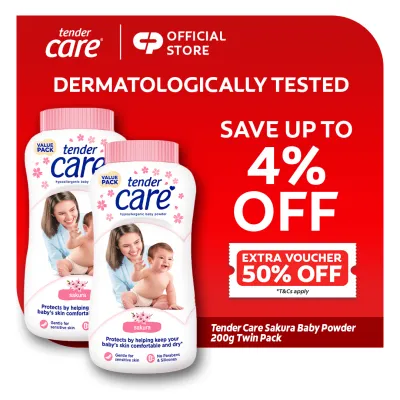
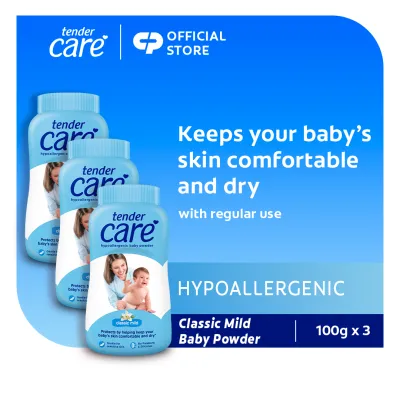
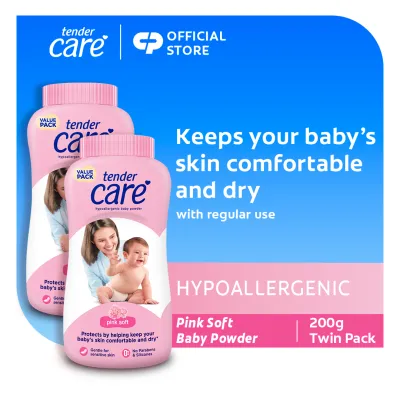
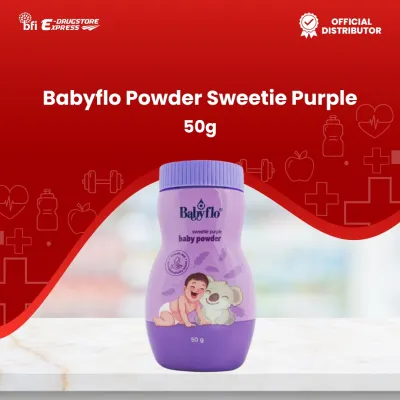
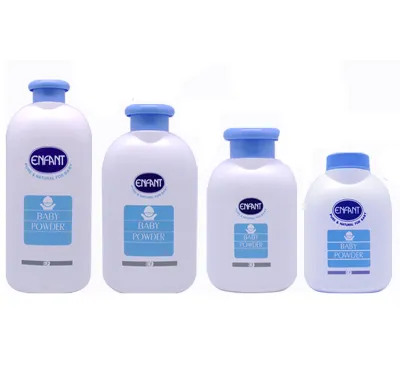
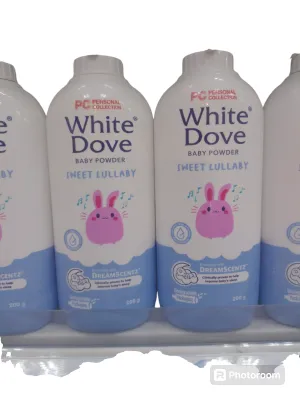
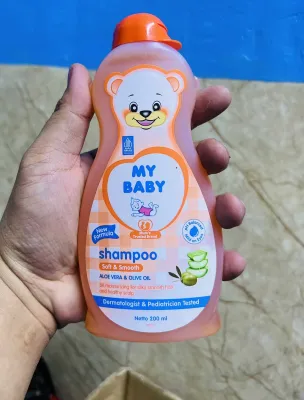

Prices are valid at publication and may change. Please refer to the product page for the latest price.

Because newborns are physically small and their organs are still maturing, they are highly sensitive to environmental irritants. What might seem like a harmless, gentle cloud of dust to an adult can represent a significant physical hazard to an infant.
Inhalation Risks and Respiratory Concerns
When you shake a bottle of loose baby powder, thousands of microscopic particles are released into the air, creating an invisible cloud around the changing table. Because newborns have very small, narrow airways and rapidly developing lungs, inhaling these fine particles can quickly irritate their respiratory tract.
Unlike adults, babies cannot voluntarily hold their breath, turn away, or clear their throat effectively when exposed to a sudden cloud of dust. If inhaled, these fine particles can travel deep into the lungs, causing immediate coughing, choking, or sneezing. Over time, or even after a single heavy exposure, this inhalation can lead to more severe lung inflammation, respiratory distress, or chronic airway irritation.
Skin Irritation and Moisture Trapping
There is a common misconception that applying baby powder to a newborn’s skin will keep it perfectly dry and healthy. In reality, loose powder often achieves the exact opposite result when it interacts with bodily fluids.
When baby powder mixes with sweat, urine, or natural skin oils, it does not simply vanish. Instead, the fine particles clump together to form a thick, pasty residue. This paste easily becomes trapped within the deep, delicate skin folds of a newborn’s groin, thighs, or neck. Once trapped, these damp clumps hold moisture directly against the skin and create friction as the baby moves, leading to painful chafing, skin breakdown, and a higher risk of bacterial or fungal infections.
Talc vs. Cornstarch: What Parents Need to Know
If you browse the baby care aisle in the Philippines, you will find two primary types of baby powder: talc-based and cornstarch-based. While the historical shift away from talc has led many manufacturers to offer cornstarch alternatives, it is crucial to recognize that changing the base ingredient does not eliminate all the safety risks associated with powdered products.
Talcum Powder: Asbestos Contamination and Health Warnings
Talc is a naturally occurring mineral composed of magnesium, silicon, and oxygen. It is highly valued in cosmetics for its ability to absorb moisture and reduce friction. However, talc deposits in the earth are frequently located in close proximity to asbestos, a known carcinogen.
During the mining process, there is a risk that talc can become contaminated with asbestos fibers. Because of these severe, long-term health risks and the immediate danger of inhaling fine mineral dust, talc-based baby powders are widely discouraged, heavily regulated, or banned in many regions. When caring for a newborn, the consensus among healthcare professionals is clear: talc-based powders should be completely avoided to protect your infant from both immediate respiratory irritation and potential long-term chemical exposure. Always read the ingredient list of any product you purchase to verify whether talc is present.
Cornstarch Powder: A Safer Alternative or Still Risky?
In response to the safety concerns surrounding talc, many brands transitioned to using cornstarch as their primary powder base. Cornstarch is a food-grade carbohydrate derived from corn kernels. Because it does not contain talc, it completely eliminates the risk of asbestos contamination.
However, cornstarch-based powder is not a perfect or risk-free solution for newborns. First, the physical inhalation risk remains exactly the same. Cornstarch particles are still incredibly fine and easily airborne, meaning they can cause the same coughing, choking, and lung irritation if inhaled by your baby. Second, because cornstarch is a carbohydrate, it acts as a food source for fungi, particularly Candida albicans, the yeast responsible for most severe diaper rashes. If your newborn already has a mild diaper rash or is prone to yeast infections, applying cornstarch can actually feed the yeast, causing the infection to multiply and worsen rapidly.
Safe Alternatives to Keep Your Newborn’s Skin Dry and Healthy
Fortunately, you do not need baby powder to keep your newborn’s skin clean, dry, and free from diaper rash. Transitioning to a powder-free skincare routine is simple, safe, and highly recommended by pediatricians.
- Practice Frequent Diaper Changes: The most effective way to prevent diaper rash is to minimize the time your baby's skin is in contact with wetness and stool. In the warm, humid climate of the Philippines, check your newborn's diaper frequently and change it immediately after they urinate or have a bowel movement.
- Cleanse Gently: Use warm water and a soft washcloth, or alcohol-free, fragrance-free baby wipes to clean the diaper area. Avoid aggressive scrubbing, which can damage the delicate skin barrier.
- Allow Thorough Air-Drying: Before putting on a fresh diaper, let your baby's skin dry completely. You can gently pat the skin dry with a clean, soft towel. Whenever possible, allow your baby to enjoy supervised "diaper-free" air time on a waterproof mat. This allows natural air circulation to dry out sensitive skin folds without any friction.
- Apply a Pediatrician-Approved Barrier Cream: Instead of powder, use a thick barrier cream or ointment containing zinc oxide or petroleum jelly. These products form a physical, protective layer on top of the skin, shielding it from the irritating effects of urine and stool while locking in natural moisture.
- Manage the Indoor Environment: In tropical conditions, heat rash (locally known as bungang-araw) is common. Keep your newborn's nursery well-ventilated, use a fan or air conditioner to maintain a comfortable temperature, and dress your baby in loose, breathable 100% cotton clothing to prevent sweat from building up in their skin folds.
If You Choose to Use Powder: Harm Reduction and Safety Boundaries
If you still prefer to use baby powder, or if it is a deeply ingrained part of your family’s caregiving routine, you must follow strict safety protocols to minimize the risks to your newborn. Always check the product’s label and follow the manufacturer’s specific instructions before application.
- Never Shake Powder Directly: Never shake the powder container directly onto your baby, near their body, or around their face. This action immediately sends a cloud of fine particles into their breathing zone.
- Use the Hand-Application Method: To apply powder safely, step away from your baby first. Shake a small amount of powder directly into your own hands, rub your palms together gently to minimize airborne dust, and then carefully pat the powder onto your baby's skin. Keep your hands far away from the baby's face during this process.
- Store Safely Out of Reach: Keep the powder container tightly closed and stored on a high shelf, completely out of reach of infants and older siblings. Children can easily spill or play with the container, leading to accidental inhalation of large quantities of powder.
- Avoid the Genital Area for Female Infants: For female babies, do not apply powder to the perineal or genital area. There are concerns that fine powder particles can migrate internally through the reproductive tract, potentially causing localized irritation or long-term health complications.
- Never Apply to Broken Skin: Do not use powder on open wounds, weeping skin, active rashes, or raw areas. The powder will clump, trap moisture, and interfere with the natural healing process.
When to Stop Using Powder and Consult a Pediatrician
As a caregiver, you must monitor your newborn closely for any adverse reactions to skincare products. If you use baby powder and observe any of the following red flags, stop using the product immediately and seek professional medical guidance.
Respiratory Red Flags:
- Persistent coughing, wheezing, or rattling sounds in the chest
- Rapid, shallow breathing or flared nostrils
- A blue or gray tint around the baby's lips or fingernails after powder exposure
- Any signs of struggling to breathe
Skin-Related Red Flags:
- A diaper rash that worsens, spreads, or does not improve after a few days of frequent changes and barrier cream application
- Bright red skin with distinct, tiny red dots (satellite lesions) spreading outward, which strongly suggests a yeast infection
- Skin that is raw, bleeding, oozing pus, or warm to the touch
- The appearance of blisters or pimples in the diaper region
Do not attempt to self-diagnose or treat severe or persistent rashes with over-the-counter powders or home remedies. Always consult a qualified pediatrician to receive an accurate diagnosis and an appropriate treatment plan for your newborn’s sensitive skin.
Frequently Asked Questions (FAQ)
Can I use baby powder on my newborn's face or neck folds?
No, you should never use baby powder on your newborn’s face or neck folds. Applying powder near the face dramatically increases the risk that your baby will inhale the fine particles directly into their developing lungs. Additionally, sweat and drool will quickly mix with the powder in deep neck folds, creating a thick paste that traps moisture, causes severe friction, and leads to painful chafing. Instead, wash these areas gently with water and a soft cloth, then pat them completely dry.
Is cornstarch safe for treating a yeast diaper rash?
No, cornstarch is not safe for treating a yeast diaper rash. Cornstarch is a carbohydrate, which serves as an direct food source for the yeast fungi (Candida). If you apply cornstarch to a yeast infection, it can feed the fungi, causing the rash to multiply, spread, and become significantly more inflamed. If you suspect your baby has a yeast infection, stop using cornstarch immediately and consult a pediatrician for a proper antifungal treatment.
Are liquid talc-free powders safer than traditional loose powders?
Yes, liquid talc-free powders or cream-to-powder lotions are generally much safer than traditional loose powders because they do not create airborne dust clouds, virtually eliminating the risk of inhalation. These products go on as a cream or liquid and dry into a smooth, powder-like barrier. However, you must still check the ingredient list carefully for potential skin irritants, artificial fragrances, or allergens. Always consult your pediatrician before introducing any new skincare product to your newborn’s daily routine.
Community discussion
Share your experience or ask a question. Comments are reviewed before publication.