
Parents frequently ask whether a single cleaning product can safely handle the different materials that make up their baby’s feeding gear. When using a popular local option like unilove baby bottle cleanser, it is important to understand how its formulation interacts with glass, plastic, and silicone. Choosing the right cleanser ensures that your baby’s bottles remain hygienic, free from chemical residues, and structurally intact over months of repeated daily use.
Quick Answer: Is Unilove Baby Bottle Cleanser Safe for All Bottle Materials?
Yes, baby-specific bottle cleansers like the unilove baby bottle cleanser are generally formulated to be mild, non-toxic, and safe for all common baby feeding materials, including glass, BPA-free plastic, and silicone. Because infants have highly sensitive developing systems, specialized cleansers are designed to wash away milk fats and proteins without leaving behind the harsh chemical residues often associated with standard household dishwashing liquids.
However, material safety is not determined by the liquid cleanser alone. While the formulation itself is designed to be gentle on baby items, parents must always verify the specific product label for any material compatibility warnings or specific dilution instructions. The overall safety and longevity of your feeding equipment also depend heavily on using the correct washing tools, such as non-abrasive brushes, and ensuring a thorough rinse to remove any remaining soapy residue before sterilization.
Products mentioned in this guide
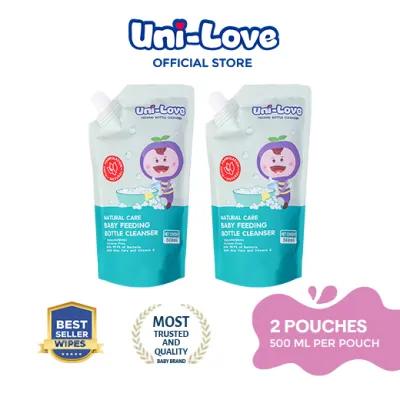
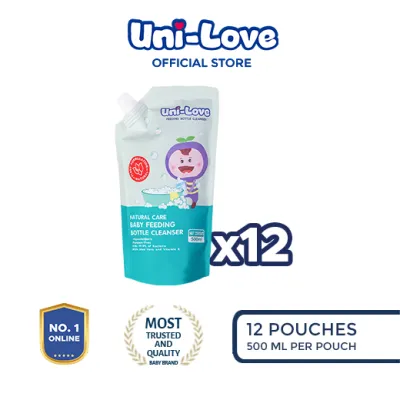
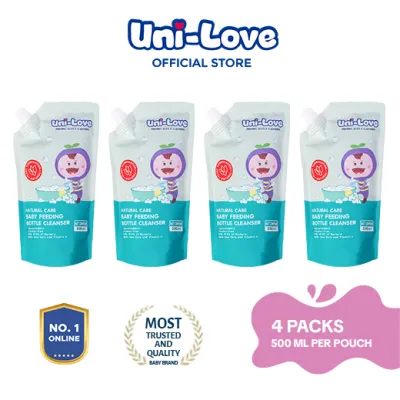
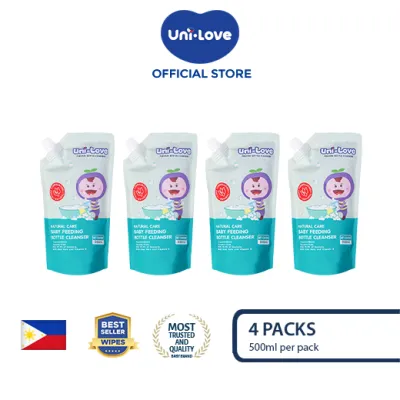
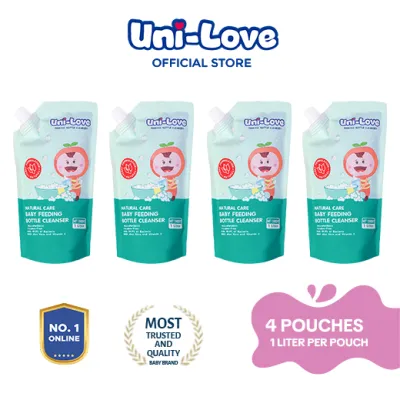
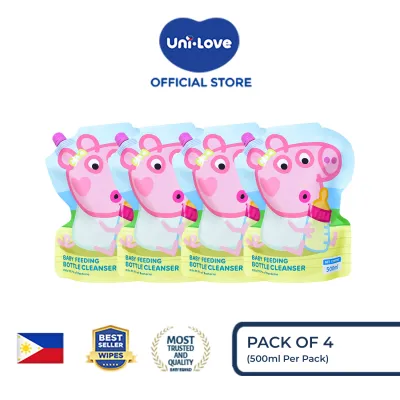
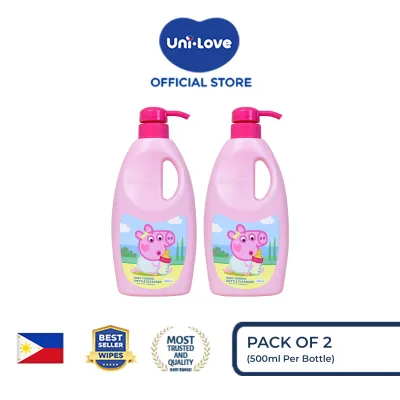
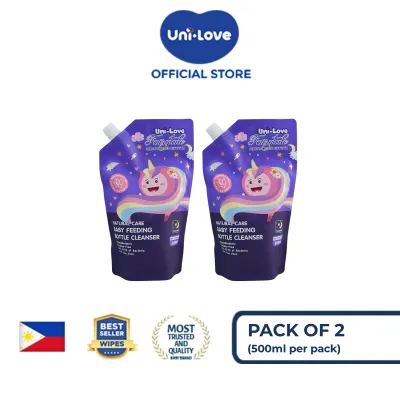
Prices are valid at publication and may change. Please refer to the product page for the latest price.
Additionally, always consult the manufacturer instructions for your specific brand of baby bottles. Different brands may use proprietary coatings or unique structural designs that require specific care. If you ever notice an unusual reaction on the material, or if your baby shows signs of discomfort or skin irritation after feeding, stop using the product and consult a pediatrician or a qualified healthcare professional.
Key Ingredients to Check on Your Unilove Cleanser Label
To understand why a specialized product like unilove baby bottle cleanser is suitable for delicate baby gear, it helps to look closely at what goes into baby-specific cleaning formulas. Standard household dish soaps are formulated to strip heavy grease from family cookware, often relying on strong anionic surfactants, synthetic dyes, and intense fragrances. These harsh chemicals can cling to plastic and silicone, leaving a perfumed residue that is difficult to rinse away and potentially harmful to an infant.

When inspecting your cleanser packaging, look for plant-based or food-grade surfactants. Ingredients derived from natural sources, such as coconut or corn, are highly effective at breaking down the stubborn fats and proteins found in breast milk and infant formula, yet they rinse away much more cleanly than petroleum-based alternatives. These gentle surfactants help preserve the structural integrity of flexible silicone nipples and prevent plastic bottles from becoming prematurely cloudy or brittle.
Parents should also verify that the packaging displays clear safety claims, such as “BPA-free,” “food-contact safe,” or “hypoallergenic.” In the Philippines, where high humidity can accelerate the growth of bacteria on poorly cleaned surfaces, having a reliable, food-safe cleanser is essential for daily hygiene. These labels indicate that the product has been formulated to minimize the risk of skin irritation and chemical contamination, making it appropriate for items that go directly into your baby’s mouth.
Conversely, you should actively avoid using any cleaning agent on baby gear that contains strong solvents, heavy synthetic fragrances, artificial colorants, or harsh antibacterial agents like triclosan, unless explicitly approved for infant feeding equipment. These substances can degrade plastics and silicone over time, creating microscopic pockets where bacteria can multiply, and may leave behind toxic residues that cannot be easily rinsed away.
Material-by-Material Compatibility and Care Guide
Different bottle materials require distinct handling to keep them clean and safe. While a mild cleanser is chemically compatible with glass, plastic, and silicone, the physical way you clean each material determines how long the bottles will last and how hygienic they remain. Understanding these material properties helps you customize your daily washing routine.
Washing Glass Baby Bottles
Glass is highly regarded by pediatricians and parents alike because it is completely non-porous and highly resistant to chemical degradation. When you use a mild baby bottle cleanser on tempered glass bottles, there is virtually no risk of the cleanser reacting with or breaking down the material. Glass does not absorb odors, stain from colored liquids, or leach chemicals, making it an incredibly durable choice for infant feeding.
However, the primary concern when washing glass bottles is physical safety. Wet glass coated in soapy water becomes extremely slippery, increasing the risk of accidental breakage. To protect both the bottles and your hands, always wash glass bottles over a plastic basin rather than directly in a hard ceramic or stainless steel sink. Use a dedicated bottle brush with soft nylon bristles or a silicone head, and ensure the handle provides a secure, non-slip grip.
Another major advantage of glass is that its transparency makes it very easy to spot soapy residue, water spots, or leftover milk film. When rinsing glass bottles, hold them up to a clean light source to verify that the glass is sparkling and completely free of any film. If you see water beads clinging to the inner walls rather than sheeting off smoothly, it indicates that a thin layer of milk fat or soap residue remains, requiring another thorough rinse.
Cleaning BPA-Free Plastic Bottles
BPA-free plastic bottles, typically made from polypropylene (PP), polyphenylene sulfone (PPSU), or polyethersulfone (PES), are lightweight, shatterproof, and highly convenient for travel. While mild baby cleansers are perfectly safe for these plastics, the physical technique you use to wash them is absolutely critical to maintaining their safety and hygiene over time.
Plastic is a relatively soft material that scratches easily. You must strictly avoid using abrasive sponges, steel wool, or stiff-bristled scrubbing pads when cleaning plastic baby bottles. These harsh tools create micro-scratches on the interior surfaces of the bottle. These tiny grooves are highly problematic because they act as breeding grounds where milk proteins, fats, and bacteria can hide, shielding them from both the cleanser and subsequent sterilization processes.
Regularly inspect your plastic bottles under good lighting. Look closely for signs of wear, such as persistent cloudiness, deep scratches, stubborn stains, or changes in the texture of the plastic. If you observe any of these issues, the bottle itself has reached the end of its safe lifespan and needs to be replaced immediately, regardless of how gentle or high-quality your bottle cleanser is.
Caring for Silicone Nipples and Accessories
Silicone is a highly flexible, durable, and temperature-resistant material used for bottle nipples, anti-colic valves, and developmental pacifiers. While silicone can withstand high sterilization temperatures, its physical structure is surprisingly sensitive to oils and harsh chemical detergents. Using a mild, plant-based cleanser is the best way to clean silicone without causing the material to break down prematurely.
Because silicone is slightly porous, it has a natural tendency to absorb milk fats, oils, and strong fragrances. Over time, exposure to harsh dish soaps or inadequate washing can cause silicone nipples to become sticky, swollen, cloudy, or discolored. Regularly inspect all silicone parts by gently pulling on the nipple bulb to check for tears, cracks, or loss of elasticity. If a nipple feels sticky, looks stretched, or shows any signs of structural weakness, discard it immediately to prevent a potential choking hazard.
Thorough rinsing is especially vital for silicone accessories. If soap residue is not completely washed away, the silicone can retain a soapy taste or chemical odor. Babies have highly sensitive senses of taste and smell, and even a faint trace of soap residue can cause an infant to reject the bottle entirely during feeding. Always spend extra time flushing clean, running water through the nipple hole and anti-colic vents to ensure every trace of cleanser is gone.
Step-by-Step Guide to Washing Bottles with Unilove Cleanser
To achieve the highest standard of hygiene and protect your baby from foodborne illnesses, establish a consistent, systematic bottle-washing routine. Following these steps ensures that your cleanser works effectively across all bottle materials.
- Disassembly: Before you begin washing, completely disassemble every single part of the bottle. Separate the silicone nipple from the screw ring, remove any anti-colic valves, caps, and silicone sleeves. Milk residue easily traps itself in the threads of the screw ring and the crevices of valves, which can quickly lead to bacterial growth if left unaddressed.
- Dilution and Application: Avoid squirt-applying concentrated cleanser directly onto your bottle brush or into the bottle, as this makes rinsing incredibly difficult and wastes product. Instead, fill a clean washbasin with warm water and add the recommended amount of cleanser according to the instructions on the product label. Mix the water gently to create a mild, soapy solution.
- Brushing: Submerge the disassembled parts in the soapy water. Use a dedicated, clean bottle brush to clean the interior and exterior of the bottles. For the delicate silicone nipples, use a smaller, specialized nipple brush to clean the inside of the bulb gently. Avoid pushing the brush forcefully through the nipple hole, as this can tear the silicone and alter the milk flow rate.
- Rinsing: Rinse every component thoroughly under clean, running water. Ensure that you flush water through the tip of the nipple and any small air valves. The surfaces of the bottles should feel clean and squeaky to the touch, with no slippery or soapy sensation remaining.
- Drying: Place all washed parts on a clean, dedicated bottle drying rack. In the warm and humid climate of the Philippines, proper drying is crucial. Do not dry baby bottles with a standard kitchen towel, as this can transfer bacteria to the clean surfaces. Instead, let them air-dry completely in a well-ventilated area away from household dust, cooking grease, and pests.
When to Replace Your Bottles and Cleanser
Even with meticulous care and the gentlest cleansers, baby feeding equipment does not last forever. Knowing when to retire your bottles and accessories is essential for maintaining your baby’s health and safety.
- Plastic Bottles: Generally, plastic baby bottles should be replaced every 4 to 6 months. If you notice persistent cloudiness, deep scratches, or an odor that does not go away after washing, replace them sooner.
- Silicone Nipples: Bottle nipples undergo significant wear from constant sucking and biting. Replace silicone nipples every 2 to 3 months, or immediately if they show signs of damage, stickiness, discoloration, or if the milk flows out too quickly.
- Glass Bottles: Glass bottles can last indefinitely if they are kept in pristine condition. However, you must inspect them daily for any micro-cracks, chips, or deep scratches. Discard any glass bottle that shows even the minor sign of damage, as it poses a severe risk of shattering during use or sterilization.
- The Cleanser: Always check the expiration date or the Period After Opening (PAO) symbol on your cleanser bottle. If you notice any changes in the cleanser's color, consistency, or smell, the formulation may have degraded. Discard the bottle and replace it with a fresh one to ensure effective cleaning.
Frequently Asked Questions (FAQ)
Can I use Unilove baby bottle cleanser to wash breast pump parts?
Yes, you can generally use a mild baby bottle cleanser to wash breast pump parts, provided you consult your breast pump manufacturer’s manual first. Most breast pump flanges, connectors, and valves are made from the same food-grade plastics and silicone as baby bottles, making them highly compatible with gentle cleansers. Ensure that you rinse all pump parts exceptionally well with clean water to prevent any soap residue from contaminating expressed breast milk during your next pumping session.
Do I still need to sterilize bottles if I use Unilove cleanser?
Yes, washing with a bottle cleanser and sterilizing are two distinct and necessary steps. Cleansers are designed to physically remove milk fats, proteins, organic residues, and loose dirt from the surfaces of the bottles. Sterilization, on the other hand, uses heat or steam to kill any remaining pathogens, bacteria, and viruses that could make your baby sick. Especially for newborns, infants under three months, or babies with compromised immune systems, you should always sterilize bottles after washing them, in accordance with local health guidelines and your pediatrician’s advice.
What should I do if my baby refuses the bottle after washing?
If your baby suddenly refuses a bottle they previously accepted, they may be tasting or smelling soap residue left on the silicone nipple or inside the bottle. To resolve this, try reducing the amount of cleanser you use during washing and ensure you rinse every component under warm, running water for a longer duration. If the silicone nipple has already absorbed a strong soapy odor or taste over time, it is best to replace the nipple with a new one and adjust your washing and rinsing habits moving forward.

Community discussion
Share your experience or ask a question. Comments are reviewed before publication.