
Selecting the right bottle cleanser for baby feeding equipment is not just about choosing a “gentle” formula; it is about matching the cleanser’s active chemical agents to the specific physical characteristics of your bottles. Whether you use lightweight plastic, durable borosilicate glass, or flexible silicone, each material interacts differently with cleansing surfactants, enzymes, and pH levels. In a warm and highly humid environment like the Philippines, milk residues can spoil rapidly, making a highly effective yet material-compatible cleanser essential to prevent bacterial growth without compromising the structural integrity of your baby’s bottles.
Why Bottle Material Dictates Your Cleanser Choice
Different bottle materials react uniquely to cleaning agents. Plastics are synthetic polymers that can absorb certain chemicals or suffer from stress-cracking when exposed to aggressive solvents or high-pH solutions. Glass is highly non-porous and chemically inert but can suffer from physical etching or unsightly mineral films if washed with incompatible agents. Silicone, a flexible elastomer, is highly hydrophobic and prone to absorbing oils, fragrances, and organic fats, which can lead to swelling, stickiness, and persistent odors.
Using an incompatible cleanser carries real-world risks. For instance, using harsh, abrasive cleansers on plastic bottles creates micro-scratches. These tiny crevices become breeding grounds for bacteria and trap milk proteins, making sterilization less effective. On silicone, the wrong surfactant can cause the material to degrade and lose its elasticity, while on glass, a heavy chemical residue can form a cloudy layer that is difficult to rinse away.
Products mentioned in this guide
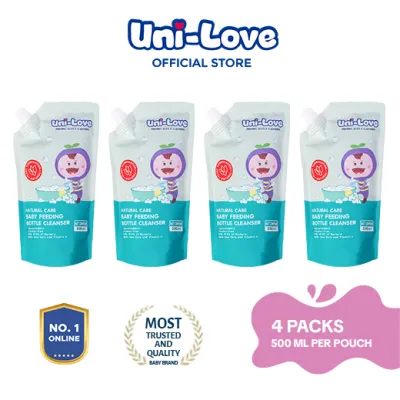
![[GREAT VALUE!!! Buy 3 Take 1] ichi Baby Feeding Bottle Cleanser Pack of 4 (500ml each) Nipple Cleanser Refill Non-toxic Solution food grade best baby dish soap pediatrician approved free shipping essentials](https://img.lazcdn.com/g/p/792c648665136592a92e12d2878fad35.jpg_400x400q80.jpg_.webp)
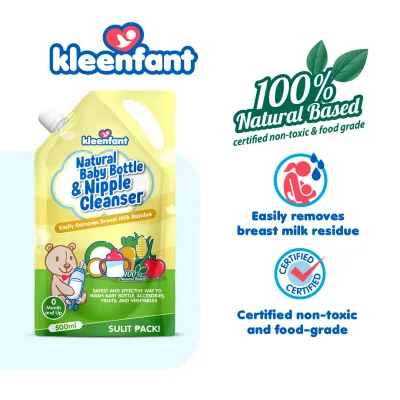
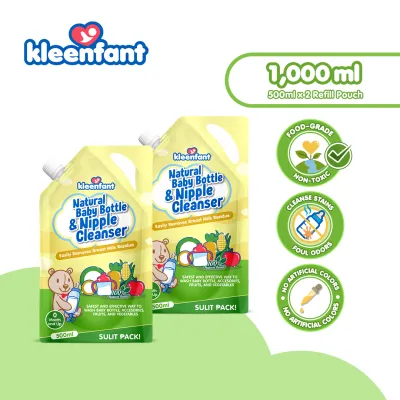
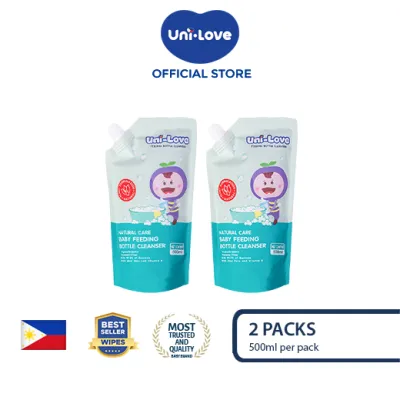
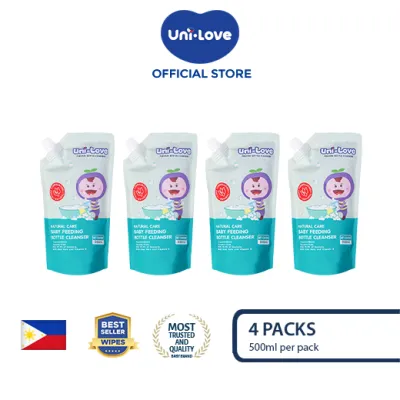
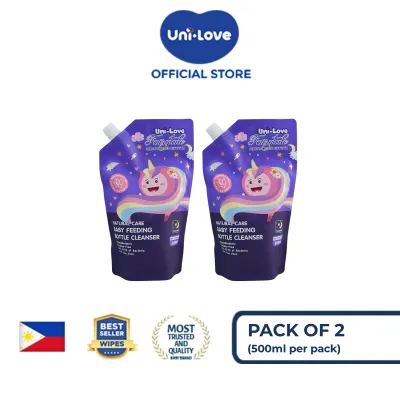
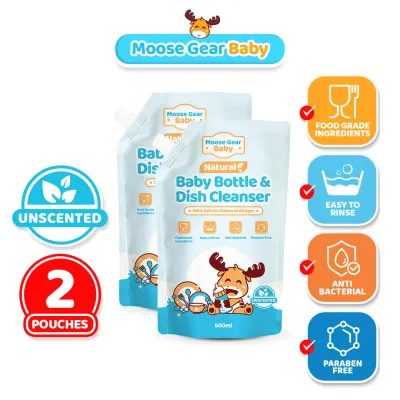
Prices are valid at publication and may change. Please refer to the product page for the latest price.
Many parents assume that a “baby-safe” or “non-toxic” label guarantees universal compatibility. However, these marketing terms focus on human toxicity rather than material science. A cleanser that is perfectly safe for a baby’s health can still slowly degrade a silicone nipple or cloud a high-quality plastic bottle. Your core decision must be based on matching the cleanser’s active ingredients to the physical and chemical properties of your specific bottle collection.
Safe Cleanser Ingredients for Plastic Baby Bottles
Plastic baby bottles are typically made from polypropylene (PP), polyphenylsulfone (PPSU), or polyethersulfone (PES). These materials are lightweight and shatterproof, but they are vulnerable to chemical degradation and physical wear. To clean these polymers safely, look for mild, plant-based surfactants such as coco-glucoside, decyl glucoside, or lauryl glucoside. These coconut-derived ingredients naturally lower the surface tension of water, allowing it to lift stubborn milk fats and proteins without stripping or weakening the plastic structure.

Non-abrasive, low-foaming formulations are highly recommended for plastic bottles. High-foaming cleansers often require intensive rinsing and may contain synthetic foaming agents that leave a stubborn film. More importantly, avoid any cleansers containing physical scrubbing particles or using stiff-bristled brushes that can cause micro-scratches. These microscopic grooves not only harbor bacteria but can also accelerate the leaching of microplastics over time.
Before choosing a cleanser, inspect the bottom of your plastic bottles to identify the resin identification code. Polypropylene is marked with a “5,” while newer, highly durable plastics like PPSU and PES are often grouped under “7” (Other). Always verify the manufacturer’s specific care instructions, as some high-end plastics have specific temperature and chemical tolerances that must be respected to prevent premature aging.
Be cautious of cleansers with highly alkaline or strongly acidic pH levels. Repeated exposure to extreme pH levels can accelerate the hydrolytic degradation of plastic polymers. This chemical wear manifests as clouding, yellowing, or increased brittleness, which significantly reduces the lifespan of the bottle and increases the risk of cracking during sterilization.
Safe Cleanser Ingredients for Glass Baby Bottles
Glass baby bottles, typically made of thermal-shock-resistant borosilicate glass, offer excellent chemical resistance. Because glass is non-porous and highly inert, it does not react with surfactants, solvents, or varying pH levels in the same way plastics and silicone do. This resilience allows you to use a wider variety of cleaning ingredients, but glass still requires careful formulation choices to maintain its clarity and hygiene.
To break down the tough combination of milk fats, proteins, and carbohydrates, look for cleansers formulated with mild citric acid derivatives or plant-based enzymes like amylase and protease. These ingredients target and break apart organic milk residues, allowing them to wash away effortlessly. This prevents the formation of a cloudy milk-fat film on the inner walls of the glass without requiring aggressive chemical action.
While glass is chemically stable, it is still vulnerable to physical damage. Avoid cleansers containing harsh abrasive particles, such as silica or pumice, which are sometimes added to heavy-duty soaps. These abrasives can scratch the glass surface, creating weak points that make the bottle more susceptible to cracking or breaking when subjected to sudden temperature changes during sterilization.
Thorough rinsing is paramount when cleaning glass bottles. Although glass does not absorb chemicals, surfactants can still cling to its smooth surface if the rinse water is hard or if the cleanser is poorly formulated. Any lingering surfactant residue can alter the taste and smell of breast milk or formula, which may cause your baby to reject the bottle. Always rinse with clean, running water until the glass is completely squeaky to the touch.
Safe Cleanser Ingredients for Silicone Baby Bottles
Silicone has become a highly popular material for baby bottles and nipples due to its flexibility, durability, and soft texture. However, silicone is an elastomer with a highly hydrophobic surface, meaning it naturally repels water and attracts oils. This unique physical structure makes silicone highly vulnerable to absorbing lipids, essential oils, and strong solvents, which can cause the material to swell, warp, or develop a sticky, degraded surface.
To protect silicone components, choose cleansers that rely on mild, non-oil-based surfactants. It is crucial to avoid any cleansers that contain essential oils, citrus oils (such as limonene), or petroleum-derived solvents. While citrus oils are excellent for cutting grease on traditional dishes, they can penetrate the silicone matrix, causing the material to expand, lose its shape, and retain a strong, permanent scent that is highly unappealing to infants.
Odor retention is a common complaint among parents using silicone bottles. Because silicone easily absorbs volatile organic compounds, it can trap the smell of sour milk or strong cleaning fragrances. To combat this, select cleansers that feature odor-neutralizing ingredients, such as highly diluted sodium bicarbonate (baking soda) derivatives, which neutralize acidic odor molecules rather than masking them with heavy synthetic perfumes. Ensure these formulations are explicitly balanced and certified safe for baby bottle use.
Always verify the specific grade of silicone used in your bottles, which should be high-quality food-grade or medical-grade silicone. Before using any new cleaning product, consult the manufacturer’s washing, boiling, and sterilization guidelines. Silicone can withstand high heat, but its chemical integrity can be compromised if it is exposed to incompatible chemical cleansers immediately before or during thermal sterilization.
Harmful Ingredients to Avoid Across All Bottle Materials
When evaluating a bottle cleanser for baby feeding gear, a clear understanding of harmful ingredients is essential for protecting your baby’s health and preserving your bottles. First on the list of chemicals to avoid are harsh sulfates, such as Sodium Lauryl Sulfate (SLS) and Sodium Laureth Sulfate (SLES). These cheap, high-foaming surfactants are difficult to rinse away completely, especially in areas with hard water, and any dry residue left behind can cause mild digestive irritation if ingested by an infant.
Synthetic fragrances, artificial dyes, and parabens should be strictly avoided. These additives serve no functional purpose in cleaning milk fats or proteins; they are added solely for aesthetic appeal or shelf-life extension. Synthetic fragrances often contain phthalates, and artificial dyes can leave residues on porous plastic and silicone, introducing unnecessary chemical exposure to your developing baby’s system.
Strong solvents, including high-concentration alcohols, chlorine bleach, and ammonia, must never be used for daily bottle washing. These aggressive chemicals can rapidly degrade plastic polymers, cause silicone to warp, and leave toxic chemical residues that are highly hazardous to infants. Daily cleaning should always rely on mild, physical washing rather than aggressive chemical stripping.
It is vital to distinguish between daily cleaning ingredients and periodic sterilization or disinfection agents. Daily cleansers are formulated to remove organic milk soils (fats and proteins) through physical washing. Sterilization, on the other hand, uses heat, steam, or specialized, highly regulated sanitizing tablets to eliminate microscopic pathogens. Never attempt to use daily cleansers as sterilizers, and never mix dish soaps with sanitizing chemicals.
How to Read Cleanser Labels and Verify Safety
Navigating the ingredient lists on commercial baby bottle cleansers requires a methodical approach. Begin by scanning the label for the primary surfactants; look for plant-derived glucosides (such as coco-glucoside or decyl glucoside) near the top of the list. Conversely, check the middle and end of the list for red-flag ingredients like sulfates, synthetic perfumes, or parabens, and reject products that fail to disclose their full ingredient deck.
Look for explicit manufacturer statements regarding material compatibility on the packaging. Reputable brands will often state if their formula is “safe for silicone,” “formulated for PPSU,” or “compatible with all bottle types.” These designations indicate that the manufacturer has tested the chemical formulation against the specific stress tolerances of those materials, reducing the risk of premature degradation.
After transitioning to a new cleanser, perform regular visual and tactile inspections of your bottles. Look for signs of incompatibility, such as persistent cloudiness that does not wash away, a sticky or tacky texture on silicone nipples, or a strong, soapy odor that remains even after thorough drying. If you observe any of these changes, stop using the cleanser immediately and inspect the material for structural damage.
When in doubt about a cleanser’s safety or when transitioning between products, remember that plain warm water and a dedicated, clean bottle brush serve as the safest baseline for daily maintenance. While water alone cannot fully dissolve stubborn milk fats over long periods, it is a safe, chemical-free option while you verify compatibility with the bottle manufacturer or consult a pediatric professional regarding your baby’s specific feeding needs.
Frequently Asked Questions (FAQ)
Can I use regular dish soap instead of a dedicated baby bottle cleanser?
Regular dish soaps are formulated to tackle heavy grease on adult cookware, meaning they contain highly concentrated surfactants and strong synthetic fragrances. These formulations are often difficult to rinse completely from porous plastic and silicone baby bottles, leaving behind a chemical film and a strong scent. If you must use regular dish soap, ensure it is fragrance-free, dye-free, and thoroughly diluted. However, a dedicated baby bottle cleanser is highly recommended because it is specifically designed to target breast milk and formula residues while prioritizing rapid, residue-free rinsability.
Are enzyme-based cleansers safe for all bottle materials?
Yes, enzyme-based cleansers are generally safe and highly effective for glass and plastic baby bottles. Enzymes like amylase and protease specifically target and break down stubborn milk proteins and starches, making them easy to rinse away without aggressive scrubbing. However, you should exercise caution when using them on silicone or bottles with specialized internal coatings. Always verify with the bottle manufacturer’s care instructions to ensure that the specific enzyme concentration will not compromise any specialized surface treatments or cause premature wear on soft silicone components.
How do I know if my cleanser is leaving a chemical residue on the bottles?
You can identify chemical residue through several clear, observable signs. If the bottles appear cloudy even after being thoroughly washed and dried, feel slippery or greasy to the touch, or retain a strong chemical or soapy scent, residue is likely present. Another indicator is if your baby suddenly rejects a bottle of freshly prepared milk, as lingering surfactants can alter the milk’s taste. To resolve this, increase your rinsing time using warm running water, ensure you are using the correct dilution ratio, or switch to a cleaner, more rinsable plant-based formula.
Community discussion
Share your experience or ask a question. Comments are reviewed before publication.