
Choosing the right diaper rash cream for your baby in the Philippines requires balancing effective moisture protection with the unique challenges of a hot, humid tropical climate. While Uni Love Icy has gained attention among local parents, deciding whether to use it or opt for an alternative diaper rash cream depends entirely on your baby’s current skin condition, the active ingredients listed on the packaging, and how well the product’s texture handles daily wear.
To make an informed decision, caregivers must look past brand popularity and focus on verifying label details, understanding barrier strengths, and identifying potential skin sensitivities.
Understanding Your Baby's Diaper Rash Needs
Diaper rash is one of the most common skin issues infants face, particularly in warm environments where sweat and friction easily compromise the skin barrier. Before selecting any cream, you must carefully assess the severity of your baby’s skin irritation.
Products mentioned in this guide
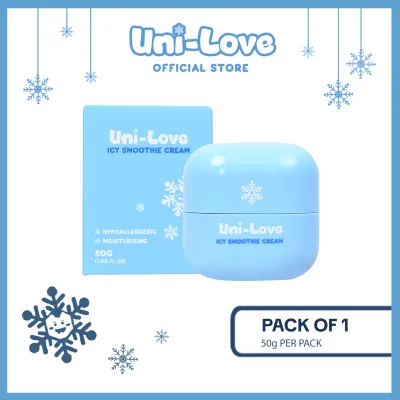
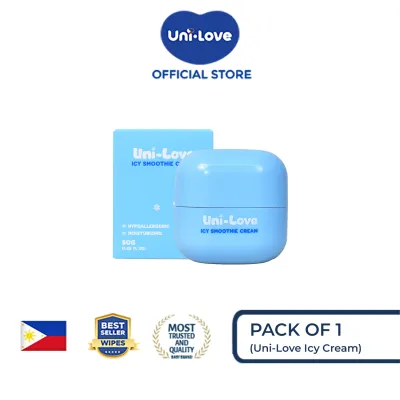
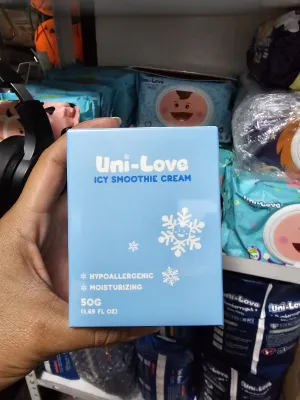
Prices are valid at publication and may change. Please refer to the product page for the latest price.
Mild diaper rash typically presents as faint pink patches or slight roughness confined to areas in direct contact with the diaper. For these mild cases, a light, preventative barrier cream is often sufficient to shield the skin from wetness and allow natural recovery.
When irritation progresses to a moderate rash, the skin becomes noticeably red, slightly raised, and warm to the touch. This stage usually requires a thicker barrier cream with a higher concentration of protective ingredients to insulate the skin from acidic stool and urine.
If the rash becomes severe—characterized by bright red patches, peeling skin, open sores, or small fluid-filled blisters—or if it develops into a fungal infection with satellite lesions spreading into the skin folds, standard over-the-counter barrier creams are no longer adequate.
Distinguishing between daily prevention and active treatment is crucial for maintaining healthy infant skin. Daily preventative care focuses on keeping the skin dry and applying a thin, breathable layer to minimize friction during movement.
Active treatment, on the other hand, demands a robust, dense barrier that can stay intact between diaper changes even when exposed to heavy moisture.
Caregivers must also recognize when a diaper rash has escalated beyond home management. If your baby exhibits clinical signs such as bleeding, oozing pus, a fever, or extreme discomfort during diaper changes, or if the rash does not improve after several days of consistent care, you must stop applying over-the-counter creams and seek immediate pediatric consultation. Fungal or bacterial infections require specific prescription treatments that standard barrier creams cannot resolve.
Evaluating Uni Love Icy: What to Check on the Label
When considering Uni Love Icy for your baby, the first step is to carefully examine the product label to verify its formulation and suitability. Diaper rash creams rely on active barrier agents to block moisture, with zinc oxide being one of the most common. You should check the packaging of Uni Love Icy to identify the exact percentage of zinc oxide or other active barrier ingredients. A lower percentage is generally suitable for daily prevention and easy wiping, whereas a higher concentration provides a denser, more resilient shield for active irritation.

Next, review the manufacturer’s specific instructions regarding the recommended age, weight limits, and application frequency. Some formulations are designed specifically for infants of a certain age, while others may have guidelines on how many times a day the product can be safely applied. Checking these details ensures you are using the product within the manufacturer’s tested safety parameters.
It is equally important to scrutinize the inactive ingredients list on the Uni Love Icy packaging. Look for the presence of added fragrances, parabens, or botanical extracts. While pleasant scents are appealing to some parents, fragrances can sometimes irritate highly sensitive skin or open rashes.
Additionally, pay close attention to any cooling agents or specialized additives implied by the “Icy” designation. Verify whether these ingredients are recommended for newborns or babies with compromised skin barriers, as cooling sensations can occasionally cause discomfort or allergic reactions on raw, inflamed skin.
Comparing Key Dimensions Across Diaper Rash Creams
To choose an effective product, caregivers should compare Uni Love Icy against other available diaper rash creams across several practical dimensions, starting with texture and consistency. Diaper care products generally fall into three categories: thick pastes, smooth creams, and liquid sprays.
Thick pastes offer maximum staying power but can be difficult to spread evenly and wipe away, which might cause friction on sore skin. Smooth creams are easier to apply and clean, making them highly convenient for quick diaper changes, while sprays minimize physical contact altogether but may offer a thinner protective layer.
Another critical dimension is barrier thickness, which is directly influenced by the concentration of active ingredients. A thick, heavy-duty barrier is essential during overnight sleep or long car rides when diaper changes are less frequent.
In contrast, a lighter, more breathable barrier is often preferred during hot, humid afternoons in the Philippines to prevent trapping sweat against the baby’s skin, which can lead to heat rash or worsen diaper dermatitis.
Skin sensitivity factors must also be weighed carefully during your comparison. Many traditional diaper rash creams are formulated without any dyes, fragrances, or common allergens to accommodate the most sensitive skin types.
When comparing products, evaluate whether a fragrance-free, hypoallergenic alternative might be safer for your baby than a scented or cooling formula, especially if your child has a history of eczema or reactive skin.
Decision Framework: Which Cream Should You Use?
To help you decide which diaper care product to purchase, establish a clear decision framework based on your baby’s immediate needs, skin tolerance, and whether the retail price in ₱ fits your monthly diapering budget. You might choose Uni Love Icy if you are looking for a product whose active ingredient concentration matches your baby’s mild-to-moderate skin protection needs, and if your baby has shown no sensitivity to fragrances or cooling additives.
It can be a practical option for daily wear if the label indicates it is safe for regular use and if the texture aligns with your preferred diapering routine.
Conversely, you should opt for an alternative diaper rash cream if your baby has extremely sensitive skin, open sores, or a history of allergic reactions to scented products. In these cases, a strictly fragrance-free, hypoallergenic paste with a high concentration of zinc oxide is often a safer choice.
You should also seek an alternative if you prefer a highly viscous, heavy-duty paste for severe overnight wetness, or if you require a lightweight spray to avoid touching highly irritated skin during application.
Regardless of the product you choose, always verify the condition of the rash before each application. If the redness worsens, spreads to the abdomen or thighs, or shows no signs of improvement within two to three days of consistent use, discontinue the product immediately.
This lack of progress often indicates an underlying issue, such as a yeast infection, which requires professional medical diagnosis and targeted prescription treatment rather than a standard over-the-counter barrier cream.
Safe Application and When to Stop Use
Proper application technique is just as important as choosing the right product, especially in tropical climates where moisture control is a constant challenge. Before applying any diaper rash cream, ensure the baby’s diaper area is thoroughly cleaned using mild, fragrance-free wipes or water, and then completely dried.
Applying cream over damp skin traps moisture beneath the barrier, which can actually accelerate skin breakdown and encourage fungal growth. Pat the skin gently with a clean, dry cloth rather than rubbing it.
Once the skin is completely dry, apply the cream according to the manufacturer’s instructions. For daily prevention, a thin, translucent layer is usually sufficient to reduce friction. For active irritation, apply a thicker, even layer—similar to frosting a cake—to ensure the skin is fully insulated from wetness.
Always wash your hands thoroughly before and after application to prevent introducing bacteria to the diaper area.
Caregivers must remain vigilant for warning signs that indicate it is time to stop using the cream and seek professional help. If you observe bleeding, blistering, peeling skin, or if your baby develops a fever, stop using the product immediately.
These symptoms, along with a rash that persists or intensifies after a few days of proper application, are clear indicators that the condition requires a pediatrician’s evaluation.
Frequently Asked Questions (FAQ)
Can I use diaper rash cream as a daily preventative measure?
Yes, diaper rash creams can be used daily, but you must select the right formulation and verify the manufacturer’s guidelines on the label. For daily prevention, look for mild barrier creams with lower concentrations of active ingredients or simple petroleum-based ointments that provide a breathable shield against friction.
High-concentration zinc oxide pastes are typically reserved for treating active rashes and may be unnecessarily thick or difficult to clean off during routine diaper changes. Always check the product packaging to ensure it is designated for daily preventative use and does not contain ingredients that might dry out or irritate healthy skin over time.
Should I wipe off all the diaper rash cream during every diaper change?
You do not need to vigorously scrub off all residual diaper rash cream during every diaper change, as excessive wiping can further irritate your baby’s delicate skin. If the remaining cream is clean and free of stool, you can gently wipe away any soiled portions and apply a fresh layer directly over the clean residue.
However, if the diaper was soiled with stool, you must carefully and gently clean the entire area to ensure no bacteria or waste is trapped beneath the next layer of cream. When a complete cleanup is necessary, using a small amount of baby oil or a very gentle, moisturizing wipe can help dissolve thick barrier creams without requiring harsh rubbing.

Community discussion
Share your experience or ask a question. Comments are reviewed before publication.