
Finding the right diaper rash cream—often sought by parents in the Philippines as an effective gamot sa rashes ng baby—requires a close look at the ingredient label. In a tropical climate where high humidity and heat frequently trap moisture inside diapers, choosing the correct formulation is essential for protecting delicate infant skin. The most reliable diaper rash creams rely on robust barrier ingredients like zinc oxide and petroleum jelly to block moisture, alongside soothing agents that support natural recovery. Conversely, parents must carefully screen labels to avoid potential irritants like synthetic fragrances, harsh preservatives, and essential oils that can aggravate compromised skin.
Recognizing When Your Baby Needs a Diaper Rash Cream
Diaper rash is a common challenge for parents, but knowing when to apply a simple barrier cream versus when to seek professional medical care is crucial. Mild diaper rash typically presents as light pink or red patches confined to the areas directly in contact with the diaper. The skin might feel slightly warm to the touch, but your baby remains relatively comfortable during changes. In these early stages, applying a protective barrier cream during diaper changes can help shield the skin from moisture and friction, allowing the area to recover.
However, more severe or complicated rashes require a different approach. If you observe bright red, raw, or bleeding skin, or if the rash spreads beyond the diaper area to the abdomen or thighs, home care alone may not be sufficient. The presence of pimples, blisters, pus-filled bumps, or a peeling surface often indicates a secondary bacterial or fungal infection. If your baby develops a fever, becomes unusually irritable, or if the rash does not improve after several days of consistent care, stop using over-the-counter creams and consult a pediatrician immediately for a proper diagnosis and targeted treatment plan.
Products mentioned in this guide
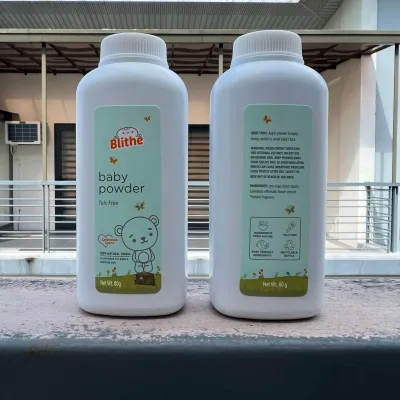
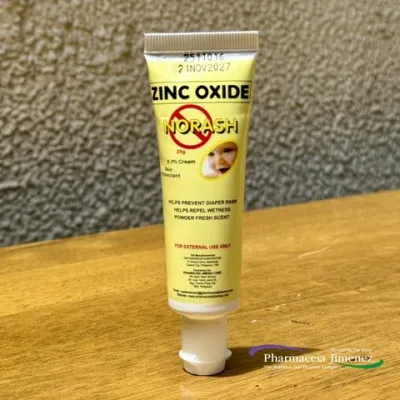
Prices are valid at publication and may change. Please refer to the product page for the latest price.
Beneficial Ingredients to Look For on the Label
When evaluating products on the shelves of local pharmacies or online marketplaces, the ingredient list is your most reliable guide. Zinc oxide is widely recognized as an effective active ingredient for protecting and soothing diaper irritation. It forms a physical, non-absorbent barrier on the skin that blocks wetness while allowing the underlying tissue to recover. When checking the product label, look at the concentration percentage of zinc oxide; lower concentrations (typically around 10% to 12%) are generally formulated for daily prevention and light protection, while higher concentrations (often up to 40%) are designed to address active, moderate-to-severe redness by providing a thicker, more resilient shield.

Petroleum-based ingredients, such as white petrolatum, serve as another excellent moisture barrier. These ingredients work by sealing in the skin’s natural moisture while keeping external wetness from urine and stool out. In a humid climate where sweat and diaper moisture combine quickly, a petroleum-based ointment can provide a long-lasting protective layer that does not wash away easily between diaper changes.
Many modern formulations also incorporate botanical extracts, such as calendula or chamomile, to help soothe irritated skin. While these natural additions can be beneficial, it is important to verify their purity and check for potential allergens on the packaging. Look for products that carry clear manufacturer safety statements, such as “hypoallergenic” or “pediatrician-tested,” to ensure the botanical ingredients have been processed safely for infant skin. Always check the manufacturer’s age recommendations on the label, as some botanical formulations may be intended only for babies of a certain age or development stage.
Ingredients to Avoid or Check Carefully
While searching for an effective gamot sa rashes ng baby, knowing what to avoid on the ingredient list is just as important as knowing what to include. Added fragrances and essential oils are among the most common triggers for skin irritation and allergic contact dermatitis in infants. Although a scented cream might seem appealing to mask diaper odors, synthetic perfumes and concentrated plant oils can cause a painful stinging sensation when applied to broken, raw, or inflamed skin. Opting for fragrance-free formulas minimizes the risk of triggering further discomfort.
Preservatives are necessary in water-based creams to prevent the growth of harmful bacteria and mold, but certain types can be too harsh for a baby’s compromised skin barrier. Parents should carefully inspect labels for parabens, formaldehyde-releasing preservatives, and methylisothiazolinone (MI). When in doubt, look for products with simplified ingredient lists and verify safety claims directly on the manufacturer’s official documentation, or consult your pediatrician for recommended preservative-free or low-irritant alternatives.
Additionally, traditional loose powders, including those containing talc or cornstarch, carry significant inhalation risks for infants. When shaken, these fine particles can easily enter a baby’s lungs, leading to respiratory discomfort or more serious breathing issues. For this reason, pediatricians and health organizations generally recommend using thick creams, pastes, or ointments rather than loose powders to protect the diaper area.
Matching the Ingredient Profile to the Rash Stage
Selecting the right diaper rash cream involves matching the product’s formulation to the current state of your baby’s skin. For daily prevention, a light, breathable barrier is ideal. These products typically feature lower concentrations of zinc oxide or rely primarily on petroleum jelly and mineral oil. They are easy to apply and wipe away during routine diaper changes, providing just enough protection to keep daily moisture from irritating healthy skin without building up a heavy residue.
When active redness or moderate irritation develops, you need a thicker, more robust treatment cream. These formulations usually contain higher percentages of zinc oxide, which creates a dense, pasty barrier that stays in place even when subjected to friction from diaper movement. These heavy-duty creams are designed to cling to the skin, providing continuous protection against acidic stools and urine while the irritated skin heals underneath.
To make the right choice, carefully read the product packaging to distinguish between preventive and treatment claims. Preventive products are often labeled as “daily protective ointments” or “barrier balms,” whereas active treatments are typically designated as “medicated diaper creams” or “rapid relief pastes.” Matching the product’s primary purpose to your baby’s current skin condition ensures you are neither under-treating an active rash nor over-applying heavy pastes unnecessarily.
Safe Application and Monitoring Practices
The effectiveness of any diaper rash cream depends heavily on how it is applied. Before putting on any cream, ensure your baby’s skin is completely clean and dry. In a warm, humid environment, trapping even a small amount of moisture beneath a thick barrier cream can create a breeding ground for yeast and bacteria, potentially worsening the rash. Gently pat the skin dry with a soft, clean cloth or allow the area to air-dry completely before proceeding.
When applying the cream, use a gentle touch. Spread a thick, even layer over the affected area—similar to frosting a cake—rather than rubbing it aggressively into the skin. Aggressive rubbing can cause friction, increasing irritation and pain for your baby. The goal is to leave a visible layer of cream that acts as a physical shield between the skin and the diaper.
Monitor the diaper area closely during subsequent changes. If you notice signs of increased redness, swelling, or if your baby cries in discomfort immediately after application, the current cream may be causing further irritation. In such cases, discontinue use immediately, gently clean the cream off with warm water, and consult a healthcare professional to identify a more suitable alternative.
Frequently Asked Questions (FAQ)
Can I use adult skin creams on my baby?
No, you should avoid using adult skin creams on your baby’s diaper area. Adult formulations often contain higher concentrations of active ingredients, strong preservatives, fragrances, and chemical exfoliants that are unsafe for delicate, thin infant skin. Always look for products specifically labeled for babies, and verify the manufacturer’s age and safety guidelines on the packaging before application.
How long should I use the cream before seeing a doctor?
If you have been applying a diaper rash cream consistently for two to three days and see no improvement, or if the rash continues to worsen, it is time to consult a pediatrician. Additionally, if you observe any signs of infection—such as blisters, pus, open sores, or if your baby develops a fever—discontinue home care immediately and seek professional medical advice.
Community discussion
Share your experience or ask a question. Comments are reviewed before publication.