
Evaluating what goes into your newborn’s feeding equipment is a fundamental step in protecting their developing system. When looking at Uni-Love Bottle Cleanser, determining its safety for newborns requires a close inspection of its physical label, understanding how its active ingredients function, and practicing proper rinsing techniques. Because a newborn’s immune and digestive systems are still maturing, even trace amounts of leftover cleaning agents can cause discomfort or irritation.
To ensure the highest level of safety, parents must learn to read the specific ingredient panel printed on their bottle, as formulations can occasionally be updated by the manufacturer. By understanding the roles of mild surfactants, preservatives, and potential additives, you can make an informed decision that keeps your baby’s bottles clean and free from harmful chemical residues.
How to Evaluate the Ingredient List on Your Uni-Love Cleanser
To verify the safety of your Uni-Love Bottle Cleanser, start by examining the physical packaging of the bottle you have purchased. Manufacturers print essential product details directly on the container, usually on the back label. Locate the ingredient list, the batch or lot number, and the manufacturing and expiration dates. In a warm and humid climate like the Philippines, checking these dates is particularly important, as expired products may lose their efficacy or experience preservative breakdown, allowing bacteria to grow inside the cleanser bottle itself.
Products mentioned in this guide
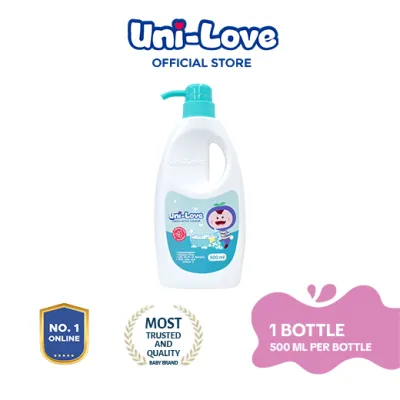
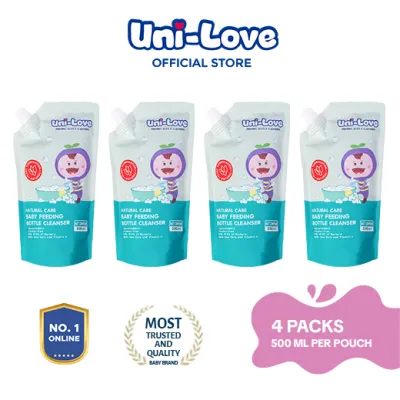
![Uni-Love Baby Bottle Cleanser 500ml Pack [Buy 1 Take 1]](https://img.lazcdn.com/g/p/08636db80c9e3f2710774cab0e92e64a.jpg_400x400q80.jpg_.webp)
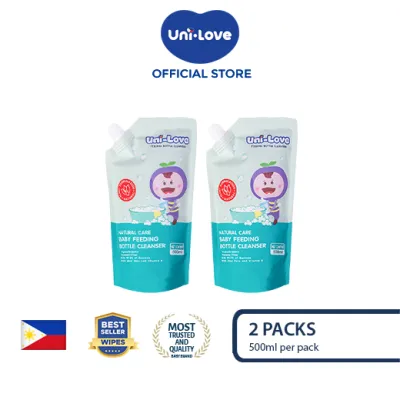
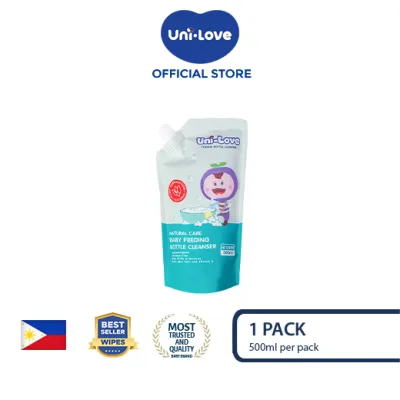
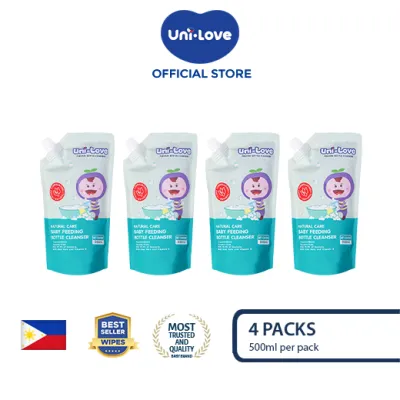
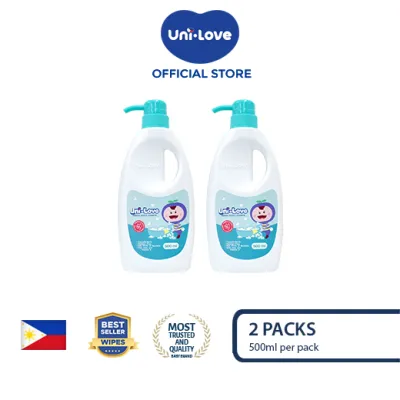
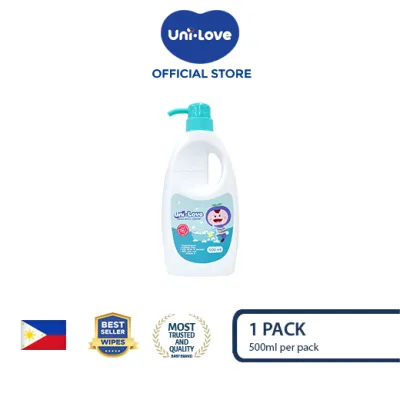
Prices are valid at publication and may change. Please refer to the product page for the latest price.
Once you have located the ingredient panel, identify the primary cleaning agents, which are typically listed first because they make up the largest percentage of the active formulation. Next, look for secondary ingredients such as preservatives, stabilizers, and any added fragrances or colorants. A baby-safe cleanser should ideally prioritize plant-derived cleaning agents and avoid heavy synthetic dyes or strong perfumes that serve no functional purpose in removing milk residue.
After identifying these components, cross-reference them with general pediatric guidelines for infant-safe products. Pediatricians generally recommend using cleansers that are free from harsh chemicals, parabens, and synthetic fragrances. Additionally, read the manufacturer’s specific warnings, recommended dilution ratios, and age guidelines printed on the label. Following these instructions precisely ensures that you do not use more product than necessary, which simplifies the rinsing process and minimizes the risk of leaving residues behind.
Common Ingredients in Baby Bottle Cleansers and What They Do
Baby bottle cleansers are formulated differently from standard household dish soaps to address the unique challenges of cleaning infant feeding equipment. Breast milk and infant formula contain high concentrations of fats and proteins that easily cling to plastic and silicone surfaces, creating a stubborn film. Standard dish soaps often rely on aggressive degreasers to strip away heavy grease from adult cookware, but these chemicals can be difficult to rinse completely from porous baby bottle materials.

The basic chemistry of a baby bottle cleanser focuses on lifting these milk fats and proteins gently so they can be washed away without leaving a chemical film. By utilizing mild, targeted ingredients, these specialized cleansers break down the organic bonds of milk residue while remaining easy to rinse off. Understanding the specific roles of these ingredients helps parents appreciate why a dedicated baby cleanser is a safer choice for a newborn’s feeding routine.
Surfactants and Cleaning Agents
Surfactants, or surface-active agents, are the primary active ingredients responsible for lifting dirt and grease from surfaces. In baby bottle cleansers, these agents work by reducing the surface tension of water, allowing it to wet the bottle surface more effectively and penetrate milk residues. Surfactant molecules have a dual nature: a hydrophilic (water-loving) head that binds to water and a lipophilic (fat-loving) tail that attaches to milk fats and proteins. When you scrub a bottle, the surfactants surround the milk particles, trapping them in tiny structures called micelles that are easily suspended in water and flushed away during rinsing.
When evaluating the label of your cleanser, look for mild, plant-derived surfactants such as decyl glucoside, coco glucoside, or cocoamidopropyl betaine. These ingredients are typically derived from natural sources like coconut, corn, or palm kernel oil. They are highly effective at breaking down milk fats but are significantly gentler on skin and oral mucosa than synthetic alternatives.
It is crucial to check the ingredient list for harsh sulfates, such as Sodium Lauryl Sulfate (SLS) or Sodium Laureth Sulfate (SLES). While these sulfates create a rich, satisfying lather, they can be highly irritating if any residue remains on the bottle nipple or inside the bottle. Because newborns frequently suck on silicone nipples, any lingering sulfate residue can easily transfer to their mouths, potentially causing dry lips, oral irritation, or mild digestive discomfort. Choosing a cleanser that utilizes mild, plant-based surfactants reduces this risk significantly.
Preservatives, Fragrances, and Additives
Because liquid bottle cleansers contain water, they are highly susceptible to contamination by bacteria, mold, and yeast. Without preservatives, a bottle of cleanser stored in a warm, humid kitchen could quickly become a breeding ground for harmful microorganisms. Therefore, preservatives are a necessary component of any liquid cleanser formulation to ensure product safety and shelf life.
However, the type of preservative used matters greatly when it comes to newborn safety. Parents should look for mild, food-grade preservatives or those commonly approved for sensitive skin products, such as potassium sorbate or sodium benzoate. Avoid products that contain parabens, formaldehyde-releasing agents, or methylisothiazolinone (MIT), as these chemicals have been linked to skin sensitization and allergic contact dermatitis in infants.
Fragrances and dyes are other additives that require careful scrutiny. While a pleasant scent might make the dishwashing chore more enjoyable for parents, artificial fragrances and synthetic colorants serve no functional cleaning purpose. Newborns have highly sensitive olfactory systems and developing immune systems; exposure to strong synthetic perfumes can trigger respiratory irritation or skin sensitivities. Opting for a fragrance-free cleanser, or one that uses very mild, food-grade natural flavorings, is the safest approach. If your cleanser does contain a mild fragrance, ensure that it is thoroughly rinsed away so that no artificial scent clings to the silicone nipples, which could otherwise cause your baby to reject the bottle due to an unfamiliar taste or smell.
Safety Considerations for Newborns with Sensitive Immune Systems
A newborn’s immune and digestive systems are in a critical stage of development, making them highly vulnerable to environmental toxins and chemical residues. Unlike older infants or adults, newborns have a highly permeable intestinal lining and a less developed liver and kidney function, which limits their ability to process and eliminate ingested chemicals. Consequently, even microscopic traces of surfactants, preservatives, or fragrances left on feeding equipment can lead to adverse reactions.
To mitigate these risks, the most critical step in the bottle-cleaning process is thorough rinsing. Simply dipping a washed bottle in a basin of still water is not sufficient to remove surfactant residues. Every component—including the bottle body, the collar, the silicone nipple, and the protective cap—must be rinsed individually under clean, running water. Running water provides the mechanical force necessary to flush away the micelle structures containing the lifted milk fats and cleaning agents, ensuring that no chemical film remains on the surfaces that contact your baby’s milk.
Parents must remain vigilant and observe their newborn for any signs of potential irritation or allergic reactions that could be linked to bottle-cleaning products. If you notice unusual fussiness during or immediately after feeding, redness or swelling around the baby’s lips or inside their mouth, or sudden digestive issues such as excessive spitting up, vomiting, or unusual gas, these could be signs of sensitivity to cleanser residue.
If any of these symptoms occur, establish a clear stop-use condition: immediately pause the use of the current bottle cleanser and isolate the affected feeding equipment. Switch temporarily to washing the bottles with plain hot water and a clean brush, followed by thorough sterilization, to eliminate any potential chemical triggers. If the symptoms persist or if your baby shows signs of severe discomfort, poor feeding, or lethargy, consult a pediatrician immediately. A qualified medical professional can help determine whether the reaction is due to a chemical sensitivity, an underlying milk allergy, or another pediatric health concern.
Best Practices for Washing and Sterilizing Newborn Bottles
Integrating your bottle cleanser into a structured, hygienic washing and sterilizing routine is essential for maintaining the health and safety of your newborn. In tropical environments where high humidity accelerates bacterial growth, following a disciplined routine prevents the accumulation of harmful pathogens on feeding gear.
Begin by washing your own hands thoroughly with soap and clean water for at least twenty seconds before handling any feeding equipment. Disassemble all parts of the bottle completely; milk residues easily hide in the threads of the collar and the tip of the silicone nipple, where bacteria can rapidly multiply.
Prepare a clean washing basin dedicated solely to baby items; never wash baby bottles directly in the kitchen sink, as the sink surface can harbor food-borne pathogens like Salmonella or E. coli. Fill the basin with warm water and add the baby bottle cleanser according to the manufacturer’s specified dilution ratio. Avoid applying concentrated cleanser directly onto the bottle parts unless the label explicitly instructs you to do so, as this makes rinsing much more difficult.
Use a dedicated bottle brush to scrub the inside and outside of the bottle, and a smaller nipple brush to gently clean the delicate silicone nipple. Pay close attention to the nipple tip, ensuring that the feeding hole is clear of dried milk. After scrubbing, rinse each part thoroughly under running water.
Perform a visual and tactile check on every component. Hold the bottle up to the light to ensure there are no cloudy spots or dried milk residues. Run your clean fingers over the inner and outer surfaces of the plastic and silicone; if the surface feels slippery or greasy, it indicates that surfactant or milk residue is still present. A properly rinsed bottle should feel completely clean and “squeaky” to the touch, with no lingering soapy scent.
It is important to remember that washing with a cleanser only removes physical residues; it does not sterilize the equipment. For newborns, washing must always be followed by a proper sterilization step. You can sterilize the clean parts by boiling them in water for at least five minutes, or by using a dedicated steam or UV sterilizer according to the manufacturer’s instructions. Once sterilized, allow the parts to air-dry completely on a clean, dedicated drying rack in a well-ventilated area. Store your bottle cleanser and cleaning brushes in a dry, clean spot away from household chemicals and direct sunlight to prevent cross-contamination and mold growth.
Frequently Asked Questions (FAQ)
Can I use regular dish soap instead of a dedicated baby bottle cleanser?
Regular dish soaps are not recommended for cleaning newborn feeding equipment. Standard household dish detergents are formulated with highly concentrated, aggressive surfactants designed to strip heavy grease and baked-on food from adult cookware. These formulations often contain strong synthetic fragrances, artificial dyes, and robust preservatives that are difficult to rinse completely from plastic bottles and silicone nipples. Any lingering residue can easily transfer to your baby’s milk, posing a risk of oral irritation or digestive upset. Dedicated baby bottle cleansers utilize much milder, often plant-derived surfactants that are specifically designed to rinse away easily and cleanly, minimizing the risk of chemical exposure for your newborn.
What should I do if my baby shows signs of irritation after bottle feeding?
If you suspect your baby is experiencing irritation from bottle-feeding equipment, immediately stop using your current bottle cleanser. Wash all bottles, nipples, and collars thoroughly with plain hot water and a clean, dedicated brush, then sterilize them completely using steam, boiling water, or a UV sterilizer to ensure all chemical residues are eliminated. Monitor your baby closely for changes in behavior, feeding patterns, or physical symptoms. If the redness, fussiness, or digestive issues continue, or if you are concerned about your baby’s health, consult a pediatrician promptly. A pediatrician can provide an accurate diagnosis, rule out other potential causes like infant reflux or milk protein allergies, and recommend safe feeding and cleaning alternatives.

Community discussion
Share your experience or ask a question. Comments are reviewed before publication.