
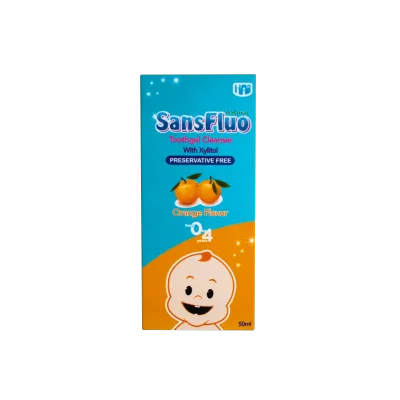
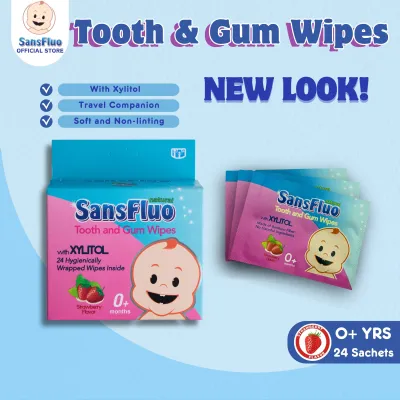
SansFluo toothpaste is formulated specifically as a fluoride-free oral care option for infants and toddlers who have not yet learned how to spit out toothpaste. During the early teething phase, babies naturally swallow whatever is placed in their mouths, making a mild, swallow-safe formula a practical choice for daily gum and tooth cleaning. By checking the product label, parents can verify the specific ingredients—such as gentle cleansers, humectants, and natural sweeteners like xylitol—designed to clean emerging baby teeth without the risks associated with early fluoride ingestion. Establishing a gentle oral hygiene routine early on helps protect your baby’s developing teeth while keeping them comfortable during a challenging developmental milestone.
In tropical climates like the Philippines, where warm weather and high humidity can make teething infants extra fussy, maintaining a clean and refreshing oral environment is especially important. Teething can cause discomfort, increased drooling, and a tendency for babies to put everything in their mouths, which increases the risk of introducing unwanted bacteria. A reliable, fluoride-free baby toothpaste allows parents to clean their child’s mouth safely multiple times a day without worrying about the cumulative effects of swallowed fluoride. Understanding what goes into your baby’s oral care products empowers you to make informed decisions that support their overall health and comfort.
Why Fluoride-Free Toothpaste Matters for Teething Babies
The primary reason pediatric dental guidelines often suggest fluoride-free toothpaste for infants is the natural swallowing reflex. Very young babies do not possess the motor skills or coordination required to spit out toothpaste after brushing. Instead, they swallow almost everything introduced into their mouths during oral care. If a child regularly ingests standard fluoride toothpaste over a prolonged period, they may consume more fluoride than is recommended for their developing bodies. Using a toothpaste specifically formulated to be safe if swallowed in small amounts ensures that early oral hygiene remains a stress-free and risk-free activity for both the caregiver and the baby.
Products mentioned in this guide
Prices are valid at publication and may change. Please refer to the product page for the latest price.
Another key consideration is the prevention of dental fluorosis, a condition that can affect the appearance of permanent teeth while they are still forming under the gums. Dental fluorosis typically manifests as faint white lines, streaks, or spots on the enamel of adult teeth. It is caused by the consistent ingestion of excess fluoride during the critical years of early childhood tooth development. Because infants cannot spit, using a fluoride-free toothpaste during the initial teething phase helps parents manage their baby’s overall fluoride exposure. This is particularly relevant in households where the local tap water or dietary supplements already provide an adequate amount of fluoride.
The transition from a fluoride-free formula to a fluoride-containing toothpaste is a milestone that depends heavily on your child’s individual development. Generally, professional dental associations recommend waiting until a child is at least two to three years old and has demonstrated the ability to spit out excess toothpaste consistently. However, because every child’s dental health, diet, and cavity risk profile are unique, there is no single age that fits everyone. Consulting a pediatric dentist is the best way to determine when your child is ready to make the switch to a fluoride formula and to learn the correct, safe dosage for their age group.
How to Check and Understand SansFluo Toothpaste Ingredients
To ensure you are choosing the safest product for your baby, it is essential to learn how to read and verify the ingredient list on the SansFluo toothpaste packaging. Manufacturers occasionally update their formulations, so relying on older online reviews or third-party descriptions may not give you the most accurate information. Before purchasing or using the toothpaste, take a moment to locate the full ingredient list printed directly on the box or the tube. This habit allows you to confirm that the product is indeed fluoride-free and free from any specific additives you wish to avoid.

When reviewing the ingredients of a baby toothpaste like SansFluo, you will typically find several categories of components designed to perform specific functions. Humectants, such as glycerin or sorbitol, are commonly included to keep the toothpaste moist, smooth, and easy to squeeze from the tube. Mild cleaning agents or very gentle abrasives are used to sweep away plaque, food particles, and milk residue from the teeth and gums without scratching the delicate, newly formed enamel. Additionally, natural sweeteners like xylitol are often added to give the gel a pleasant, slightly sweet taste that appeals to babies, encouraging them to cooperate during brushing sessions without promoting tooth decay.
It is equally important to check the label for potential allergens, artificial additives, or harsh foaming agents that could irritate your baby’s sensitive teething gums. Many adult toothpastes contain sodium lauryl sulfate (SLS), a foaming agent that can sometimes cause dryness or mouth sores in sensitive individuals. A high-quality baby toothpaste should ideally be free from SLS, artificial colors, parabens, and strong synthetic flavorings. By verifying these details on the SansFluo packaging, you can ensure that the formula is as gentle as possible on your baby’s delicate oral tissues, minimizing the risk of irritation or allergic reactions during a time when their gums are already tender. In the Philippines, a standard tube of baby toothpaste typically ranges from ₱150 to ₱300 depending on the retailer, making it a highly accessible addition to your baby’s daily hygiene kit.
Building a Safe Oral Care Routine for Your Teething Baby
Establishing a safe and consistent oral care routine is vital for keeping your teething baby comfortable and healthy. Even when using a mild, fluoride-free toothpaste, caregivers must always follow the manufacturer’s instructions regarding the correct amount to use. For infants and toddlers under the age of two, a tiny smear of toothpaste—no larger than a single grain of rice—is generally all that is needed to clean the teeth and gums effectively. Using the correct, minimal amount ensures that your baby receives the benefits of the cleaning ingredients without swallowing unnecessary quantities of the gel.
The technique you use to brush your baby’s teeth and massage their gums can make a significant difference in their comfort level. In the warm and humid climate of the Philippines, teething babies can easily become irritable and restless. To soothe their gums, you can use a clean, damp washcloth, a soft silicone finger brush, or an ultra-soft baby toothbrush designed for infants. Gently massage the gums in small, circular motions to relieve pressure and sweep away any accumulated milk residue or food particles. When new teeth begin to emerge, gently brush all surfaces of the teeth at least twice a day, preferably after breakfast and right before bed, to prevent early childhood caries.
While baby toothpastes are formulated to be exceptionally gentle, caregivers should always remain vigilant for any signs of adverse reactions. Monitor your baby’s mouth and gums closely during and after brushing. If you observe persistent redness, swelling, bleeding gums, or if your baby shows signs of discomfort or develops a rash around their mouth, stop using the product immediately. These symptoms could indicate an individual sensitivity or an allergic reaction to one of the ingredients. In such cases, consult a pediatric dentist or a pediatrician promptly to evaluate the situation and guide you on the best alternative oral care practices for your child.
Frequently Asked Questions (FAQ)
At what age should I switch from a fluoride-free to a fluoride toothpaste?
The transition to a fluoride toothpaste typically occurs around the age of two to three years, or once your child has developed the coordination to spit out the excess toothpaste reliably after brushing. Because fluoride is highly effective at preventing cavities but should not be swallowed in large amounts, the spitting milestone is the primary indicator of readiness. It is highly recommended to consult a pediatric dentist to assess your child’s specific cavity risk, diet, and local water fluoridation levels before making the switch, as they can provide a personalized recommendation and demonstrate the correct amount of fluoride toothpaste to use safely.
Can I continue using a fluoride-free formula for my toddler who already knows how to spit?
Yes, you can continue using a fluoride-free formula if your pediatric dentist agrees that it is appropriate for your toddler’s specific dental needs. A pediatric dentist will evaluate your child’s overall oral health, dietary habits, and risk of tooth decay to determine if they require the additional enamel-strengthening benefits of fluoride. Always make sure to read and follow the specific age guidelines, usage instructions, and safety warnings printed on the product label to ensure the toothpaste you choose remains suitable for your growing child’s developmental stage.

Community discussion
Share your experience or ask a question. Comments are reviewed before publication.