
Choosing the right baby bottle is one of the most frequent decisions you will make as a parent in the Philippines, where daily sterilization is essential due to the warm, humid climate. Polyphenylsulfone, commonly known as PPSU, has become a highly sought-after material for infant feeding because it combines the lightweight convenience of plastic with the heat resistance and durability of glass. If you are considering a PPSU bottle, such as those from Pigeon, understanding what this material is and how it performs under daily use will help you make an informed choice for your baby’s feeding routine.
PPSU is a medical-grade thermoplastic that naturally exhibits a distinct honey-colored tint. Unlike standard plastics, it can withstand repeated exposure to high temperatures during boiling, steaming, and chemical sterilization without degrading quickly. While it is widely regarded as a premium and durable option, verifying the safety certifications, proper cleaning methods, and specific design features of your chosen bottle is crucial to ensuring a safe feeding experience.
What Is PPSU Material in Baby Bottles?
Polyphenylsulfone (PPSU) is an advanced polymer widely utilized in medical devices, aerospace components, and professional food service equipment due to its extreme durability and thermal stability. In baby bottles, PPSU serves as a premium alternative to traditional plastics like polypropylene (PP) or polyethersulfone (PES). It is engineered to endure high-stress environments, making it highly resistant to physical impacts and repeated thermal cycles.
Products mentioned in this guide
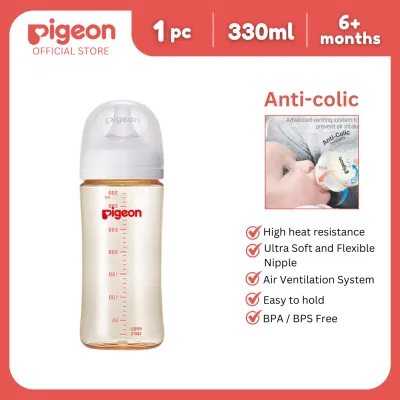
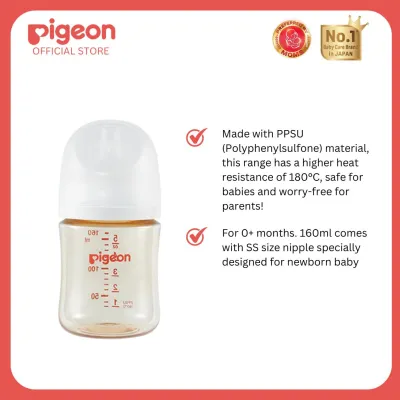
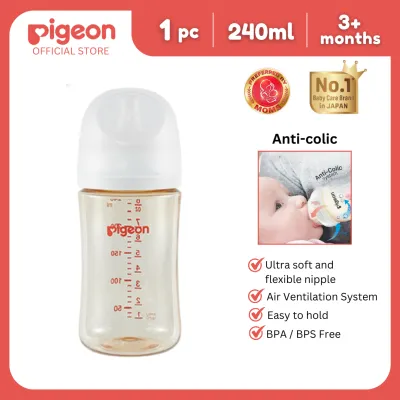
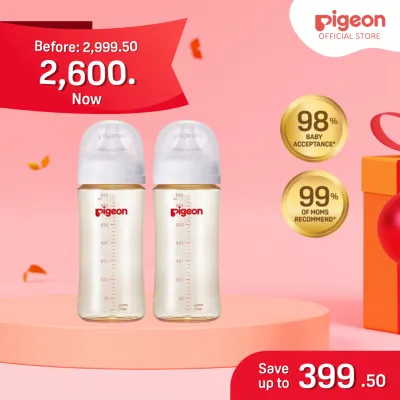
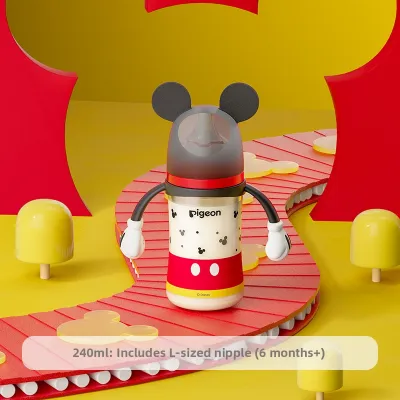
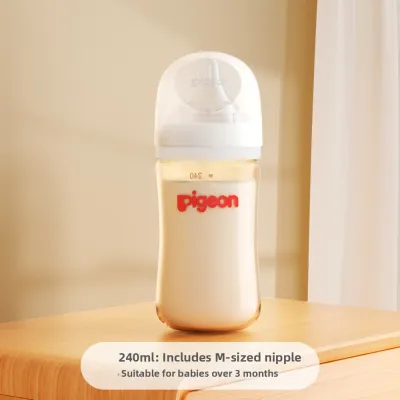
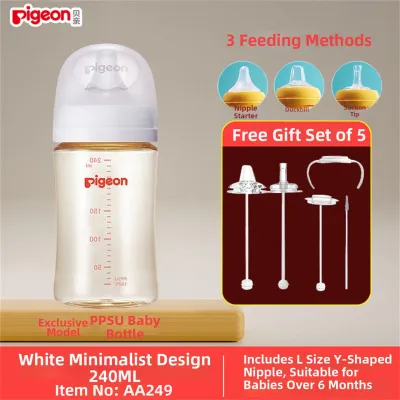
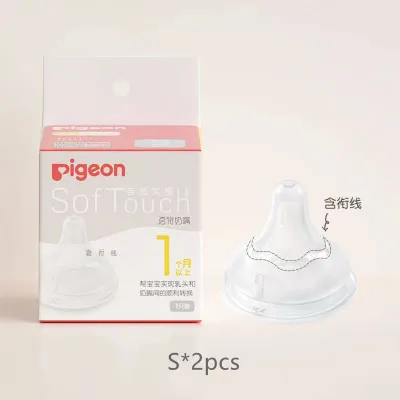
Prices are valid at publication and may change. Please refer to the product page for the latest price.
You can easily identify a genuine PPSU bottle by its natural appearance. Unlike clear polypropylene bottles or dyed plastics, raw PPSU has a characteristic golden, amber, or honey-colored tint. Manufacturers do not need to add artificial colorants to achieve this shade; it is the natural state of the high-performance resin. If a bottle is completely clear or has a bluish cast, it is likely made of a different material.
To verify that a bottle is truly made of PPSU before purchasing, you should inspect the packaging and the bottle itself. Look for the international plastic recycling code, which is typically located on the bottom of the bottle. PPSU falls under category 7 (Other), and reputable manufacturers will explicitly print “PPSU” alongside or inside this triangular recycling symbol. Additionally, check the product label for official material declarations to ensure you are not purchasing a lower-grade plastic blend.
Is PPSU Safe for Daily Baby Feeding?
When evaluating any plastic baby bottle, safety is the primary concern for parents. PPSU is highly favored because it is naturally free from Bisphenol A (BPA) and Bisphenol S (BPS), which are chemical compounds often associated with traditional plastics. Because PPSU does not require these stabilizers during manufacturing, it offers a safer profile for daily milk storage and feeding.

However, you should never rely solely on the material name when assessing safety. Always check the product packaging for explicit “BPA-free” and “BPS-free” certifications verified by independent testing bodies. In the Philippines, look for compliance markings that indicate the product meets international food-grade standards, such as those from the European Committee for Standardization or the United States Food and Drug Administration.
It is also important to remember that material safety is closely tied to how you use and maintain the bottle. Even the highest-quality PPSU can pose risks if it is subjected to temperatures beyond its rated limit or if it is cleaned with abrasive tools that create micro-scratches where bacteria can gather. Always verify the manufacturer’s age recommendations and usage guidelines, as some bottle shapes or nipple flows are specifically designed for distinct developmental stages.
Evaluating the Pigeon PPSU Bottle for Your Baby
Pigeon is a familiar brand in many Filipino households, and their PPSU bottles are popular choices for parents transitioning between breastfeeding and bottle-feeding. When evaluating a Pigeon PPSU bottle, start by examining the design of the nipple and the integrated venting system. The brand’s signature nipples are designed to mimic the natural sucking pattern of an infant, and the built-in ventilation system helps minimize air intake, which can reduce the occurrence of colic and gas.
The natural amber tint of the PPSU material is another practical factor to consider. While this golden hue is a sign of material purity, it can slightly alter how you view the contents of the bottle. You should test how easy it is to read the printed measurement markings, especially during late-night feedings in low-light conditions. Ensure the contrast between the markings and the amber background allows you to measure water and formula accurately.
In terms of daily handling, PPSU bottles are exceptionally lightweight compared to glass alternatives. This makes them highly suitable for travel, outdoor trips, and eventual self-feeding as your baby develops the motor skills to hold the bottle. The material’s high impact resistance means it is unlikely to crack or shatter when dropped on hard tile floors, providing peace of mind during hectic daily routines.
Cleaning, Sterilizing, and Maintaining PPSU Bottles
Proper maintenance is essential to preserve the integrity of your PPSU bottles and ensure they remain hygienic for your baby. For daily cleaning, use a soft sponge or a dedicated silicone bottle brush rather than stiff nylon bristles. Abrasive brushes can scratch the inner surface of the bottle over time, creating tiny crevices where milk residue and bacteria can accumulate. Pair this with a mild, baby-safe liquid cleanser to wash away milk fats effectively.
Sterilization is where PPSU truly excels, but you must still follow the manufacturer’s specific instructions. Pigeon PPSU bottles can generally withstand boiling, steam sterilization, and chemical sterilizing solutions. However, you should consult the product manual to verify the exact temperature limits and recommended exposure times. If you use a UV sterilizer, be aware that prolonged exposure to UV light can accelerate the natural darkening or yellowing of the plastic, though this does not necessarily compromise its structural safety.
Regularly inspect your baby’s bottles for signs of wear and tear. If you notice deep scratches, persistent cloudiness that does not wash away, cracks, or any physical deformation, you should stop using the bottle immediately. These physical changes can compromise the cleanliness of the bottle or indicate that the polymer is beginning to break down, at which point you should consult the manufacturer or replace the item.
PPSU vs. Other Common Bottle Materials
To help you decide if PPSU is the right fit for your lifestyle, it is helpful to compare it to other common bottle materials like glass and polypropylene (PP). Glass bottles are highly durable, completely scratch-resistant, and do not retain odors, but they are heavy and prone to shattering if dropped. PP bottles are incredibly lightweight and highly affordable, but they have a lower heat tolerance and tend to degrade much faster, requiring more frequent replacement.
PPSU occupies a premium middle ground, offering the lightweight safety of plastic with a durability that rivals glass. While PPSU bottles typically carry a higher initial price point in the Philippines—often ranging from ₱800 to over ₱1,500 per bottle—their long lifespan can make them more cost-effective over several months of continuous use.
Choose PPSU if you travel frequently, need a lightweight bottle for your baby to hold, and plan to use high-heat steam or boiling sterilization daily. If you primarily feed your baby at home and prefer a material that will never scratch or discolor, glass remains an excellent alternative. For budget-conscious families or temporary use, PP bottles provide an accessible entry point, provided you are prepared to replace them more frequently.
Frequently Asked Questions (FAQ)
How often should I replace a PPSU baby bottle?
While PPSU is highly durable, it is not permanent. You should perform regular visual and tactile checks on the bottle, looking for deep scratches, persistent cloudiness, or stubborn odors that remain after thorough washing. Most manufacturers suggest replacing plastic baby bottles every six to twelve months of active use, but you should always prioritize the physical condition of the bottle over a calendar guideline.
Why does my PPSU bottle look yellow or brown?
The yellow, amber, or honey-like color of a PPSU bottle is completely natural and is a characteristic of the raw polyphenylsulfone resin. It is not a sign of age, chemical leaching, or manufacturing defect. However, you should distinguish this natural tint from actual milk fat staining or residue buildup by ensuring the bottle feels completely smooth and clean to the touch after washing.

Community discussion
Share your experience or ask a question. Comments are reviewed before publication.