
Selecting the right Pigeon baby bottle for your little one comes down to balancing your daily feeding routine, your preferred sterilization method, and your baby’s current developmental stage. There is no single “perfect” material that outshines the rest in every scenario. Instead, each option serves a distinct purpose: glass provides excellent scratch resistance and longevity for home use; polyphenylsulfone (PPSU) offers a highly durable, lightweight, and heat-resistant option ideal for travel; and polypropylene (PP) serves as an economical, ultra-lightweight choice for families on a budget who do not mind replacing bottles more frequently. By understanding how these materials perform under daily wear and tear, you can make an informed decision that keeps your baby’s feeding sessions comfortable, hygienic, and stress-free.
Understanding Pigeon Bottle Materials: Glass, PPSU, and PP
To make the best choice for your household, it helps to understand what these materials actually are and how they behave under normal daily use. Pigeon offers these three distinct options to cater to different parenting styles, budgets, and safety preferences.
Glass baby bottles are made from high-quality borosilicate glass, which is known for its exceptional thermal shock resistance. This means the bottle can transition from cold storage to warm water without cracking. Glass is naturally free from chemical additives, highly resistant to scratches, and does not retain odors or stains from milk fats. However, it is significantly heavier than plastic alternatives and carries a risk of breaking or chipping if dropped on hard surfaces.
Products mentioned in this guide
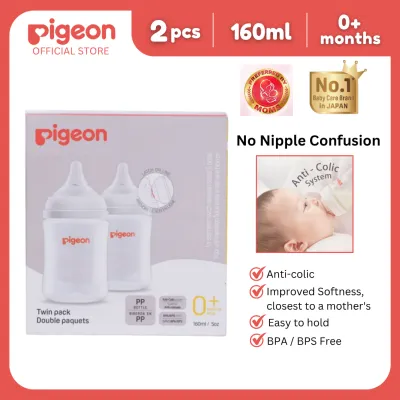
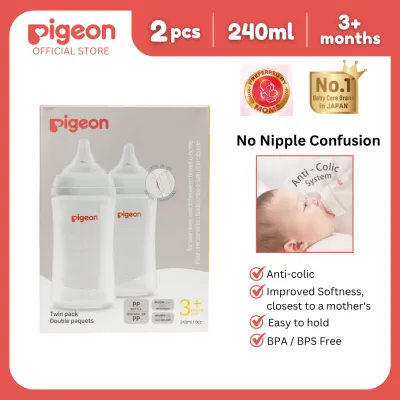
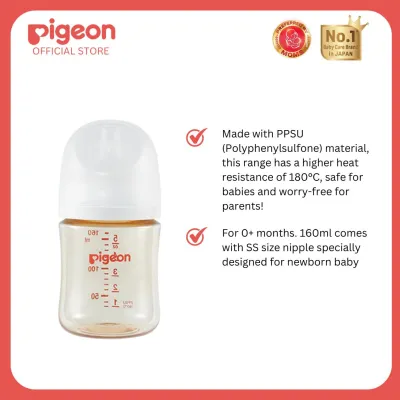
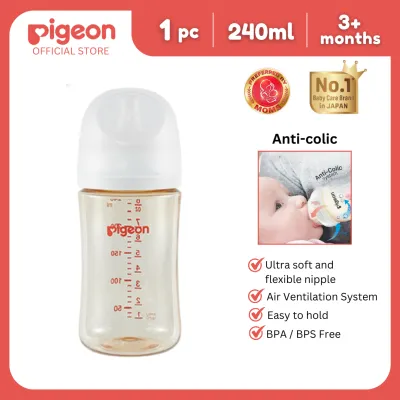
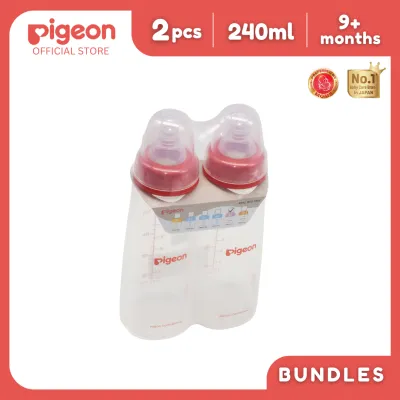
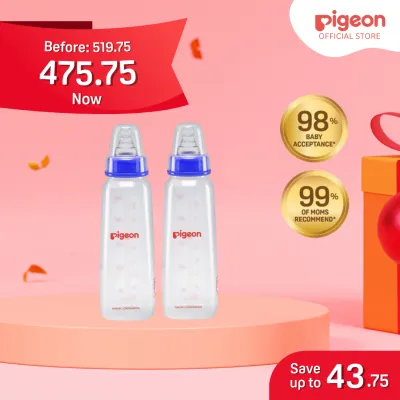
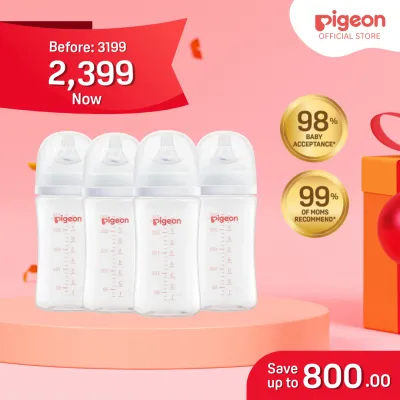
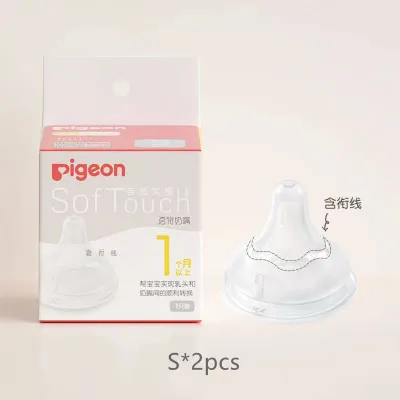
Prices are valid at publication and may change. Please refer to the product page for the latest price.
PPSU (Polyphenylsulfone) is a medical-grade plastic that has become increasingly popular among parents seeking the benefits of both glass and plastic. It is easily recognizable by its natural honey or amber tint, as no artificial colorants are added to change its hue. PPSU is incredibly durable, highly resistant to impact, and can withstand repeated exposure to high-temperature sterilization without degrading. It is lightweight and shatterproof, making it an excellent long-term investment for active families.
PP (Polypropylene) is a lightweight, versatile, and highly economical plastic material widely used in baby products. It is typically translucent or slightly cloudy in appearance compared to the crystal-clear look of glass or the amber tint of PPSU. While PP bottles are highly resistant to drops and are very easy for young babies to hold, they have a lower heat tolerance and are more susceptible to surface scratches during cleaning. Over time, these scratches can cause the plastic to look cloudy, indicating that the bottle may need to be replaced sooner than other types.
Key Comparison Dimensions for Daily Feeding
When evaluating which Pigeon bottle to bring into your home, it is helpful to look at how each material performs across several practical categories. Your daily routine, cleaning habits, and even the climate can influence which bottle fits best.

Durability and Drop Resistance
The physical safety of your feeding environment is a primary consideration. Glass bottles are highly durable against scratches but are vulnerable to drops, especially on hard tile floors common in many homes. If a glass bottle chips or cracks, it must be discarded immediately to prevent injury. On the other hand, both PPSU and PP are shatterproof. If your baby is reaching the stage where they want to hold their own bottle, or if you frequently feed your baby while running errands, the drop resistance of PPSU and PP offers peace of mind.
Heat Resistance and Sterilization
In warm, humid tropical environments like the Philippines, keeping baby gear dry and sterile is essential for preventing the growth of mold and bacteria. Glass and PPSU bottles feature high heat resistance, making them compatible with almost all sterilization methods, including boiling water, steam sterilizers, and chemical sterilizing tablets. PP bottles have a lower heat threshold. While they can generally handle standard steam sterilization, they can warp or degrade faster if subjected to excessive heat over prolonged periods. Always check the manufacturer’s label on your specific Pigeon bottle to verify its maximum temperature limit and compatibility with UV sterilizers, as some plastics can degrade or discolor under UV light.
Weight and Ergonomics
The weight of the bottle affects both the caregiver and the baby. Glass bottles are noticeably heavy, which can cause hand and wrist fatigue during long, late-night feeding sessions. For newborns who are entirely dependent on a caregiver to hold the bottle, this weight is manageable but still noticeable. As your baby grows and begins to develop fine motor skills, transitioning to lightweight PPSU or PP bottles allows them to practice gripping and tilting the bottle independently without the risk of dropping a heavy glass object on themselves.
Cleaning and Maintenance
Milk contains fats and proteins that can cling to the inner walls of a baby bottle. Glass is exceptionally smooth and non-porous, meaning milk residue washes away easily without leaving behind stubborn odors or greasy films. PPSU also maintains a smooth inner surface that resists scratching, making it relatively easy to clean over hundreds of uses. PP, being a softer plastic, is highly prone to micro-scratches from bottle brushes. These tiny scratches can trap milk residue and bacteria, eventually leading to a cloudy appearance and lingering odors that are difficult to wash out.
Material Comparison Matrix
To help you quickly compare the core attributes of each Pigeon bottle material, refer to the summary table below. Keep in mind that these values represent general material properties, and you should always consult the specific product packaging for exact manufacturer guidelines.
| Material | Relative Weight | Drop Resistance | Heat Tolerance | Typical Replacement Signs |
|---|---|---|---|---|
| Glass | Heavy | Low (Fragile) | Very High | Chips, cracks, or deep scratches |
| PPSU | Lightweight | High (Shatterproof) | High | Deep scratches, discoloration, or structural warping |
| PP | Ultra-Lightweight | High (Shatterproof) | Moderate | Persistent cloudiness, deep scratches, or stubborn odors |
Always verify the specific temperature limits printed on your Pigeon bottle’s packaging, as different product lines or collar materials may have varying heat tolerances.
How to Choose the Right Pigeon Bottle for Your Baby
Deciding on the right material does not have to be overwhelming. By matching the characteristics of glass, PPSU, and PP to your lifestyle and your baby’s age, you can easily find the right fit.
Choose Glass if:
- You primarily feed your baby at home where floors are carpeted or cushioned, reducing the risk of breakage.
- You want a bottle that can last through multiple children without needing replacement, provided it remains free of chips and cracks.
- You prefer a material that is highly resistant to scratching, staining, and odor retention.
- An adult will always be the one holding and managing the bottle during feeds.
Choose PPSU if:
- You want a premium, long-lasting bottle that combines the lightweight convenience of plastic with the high durability and heat resistance of glass.
- Your baby is starting to hold their own bottle, and you need a shatterproof option that can survive frequent drops.
- You travel often or need to feed your baby on the go, requiring a bottle that is easy to pack and carry.
- You use high-temperature steam or boiling water sterilization frequently and want a bottle that will not warp over time.
Choose PP if:
- You are looking for a highly economical, budget-friendly option to stock up on multiple bottles for daycare or babysitters.
- You prefer an ultra-lightweight bottle that is exceptionally easy for a young infant to grasp and hold.
- You do not mind replacing your baby's bottles every few months as they begin to show signs of wear and tear.
- You want a simple, straightforward bottle for occasional supplemental feeding.
Before making your final choice, verify if your household sterilization equipment has any specific material limitations. Some UV sterilizers, for example, may recommend against using certain types of plastics, while some steam sterilizers require specific spacing for heavier glass bottles.
Safety, Care, and When to Replace
Regardless of the material you choose, proper care and regular inspections are vital to ensure your baby’s feeding equipment remains safe and hygienic. Over time, all materials undergo wear and tear from cleaning, sterilization, and daily handling.
Inspect your baby bottles before every single feed. For glass bottles, run your finger along the rim and base to check for tiny chips, hairline cracks, or sharp edges. If you detect any damage, discard the bottle immediately to prevent glass fragments from entering the milk or injuring your baby. For plastic bottles (PPSU and PP), look for deep scratches, warping, or a sticky texture on the inside walls. Deep scratches can harbor bacteria that standard washing cannot reach.
Pay close attention to compatibility when assembling your bottles. Ensure that the Pigeon nipples, collars, and caps are properly aligned and screwed on securely to prevent leaks. If you are using a third-party sterilizer, cross-reference its instruction manual with Pigeon’s guidelines to ensure you are not exposing the bottles to temperatures beyond their recommended limits.
Finally, follow the manufacturer’s recommended lifespan guidelines. While glass bottles can last for years if kept in pristine condition, PP bottles generally require more frequent replacement—often every three to six months, depending on the frequency of use and sterilization. PPSU bottles, due to their superior durability, can typically be used longer than PP bottles but should still be replaced if they show significant discoloration, deep scratches, or structural wear.
Frequently Asked Questions (FAQ)
Can I mix different Pigeon bottle materials for my baby?
Yes, mixing different materials is a highly practical approach for many families. You might choose to use glass bottles at home for nighttime feeds when you want an easy-to-clean option, and switch to lightweight PPSU or PP bottles when traveling, visiting relatives, or sending your baby to daycare. This allows you to enjoy the scratch-resistant benefits of glass while taking advantage of the shatterproof, lightweight nature of plastic when on the go.
Are PPSU bottles safe for newborns?
Yes, PPSU bottles are completely safe for newborns. PPSU is a medical-grade material that is naturally free from harmful chemicals like BPA and BPS. It is highly durable and can withstand the rigorous, frequent sterilization required during a newborn’s first few months of life. When buying PPSU bottles, always purchase from authorized retailers or official online marketplaces to ensure you are getting genuine products that meet local safety standards.
Why did my PP bottle turn cloudy after sterilization?
PP bottles often turn cloudy over time due to a combination of factors, including micro-scratches from bottle brushes, mineral buildup from hard water, and exposure to heat during sterilization. While mild cloudiness from mineral deposits is generally harmless, persistent cloudiness accompanied by physical scratches or a rough texture inside the bottle indicates that the plastic is degrading. If the bottle remains cloudy after a thorough wash and shows signs of surface wear, it is best to replace it to maintain optimal hygiene.
Community discussion
Share your experience or ask a question. Comments are reviewed before publication.