
Finding restful sleep during pregnancy often requires adapting to rapid physical changes. The right maternity pillow can help support your changing posture, but the ideal shape depends heavily on your sleep style, bed size, and personal comfort preferences.
If you are a restless sleeper who frequently tosses and turns, a U-shaped pillow offers comprehensive, dual-sided support that eliminates the need to reposition the pillow during the night. For dedicated side sleepers who prefer a contoured fit that cradles the head, belly, and knees on one side, a C-shaped pillow provides targeted alignment while taking up slightly less space. If you have limited bed space, travel frequently, or simply need localized support under your belly or behind your back, a compact wedge pillow is a highly versatile and portable option.
As your pregnancy progresses, you might find that combining different shapes—such as using a wedge alongside a C-shaped pillow—helps address shifting pressure points. Ultimately, your personal comfort and the specific recommendations of your healthcare provider should guide your final choice, as individual physical needs vary greatly.
Products mentioned in this guide




Prices are valid at publication and may change. Please refer to the product page for the latest price.
Understanding the Core Maternity Pillow Shapes
Maternity pillows are structurally engineered to address the unique physical demands of pregnancy, specifically targeting areas where standard bedding often falls short. Unlike traditional pillows, these specialized designs focus on distributing weight evenly across your back, belly, hips, and knees to minimize strain on your joints.
The physical footprint of these pillows varies significantly, ranging from compact wedges that slip easily under a single side of your body to massive full-body contours that occupy a substantial portion of a standard mattress. When selecting a shape, it is essential to evaluate your current bed dimensions—whether you sleep on a double, queen, or king-size mattress—to ensure you and your partner both have adequate space. Understanding the primary support zones of each design allows you to match the pillow’s structure to your specific areas of discomfort.
U-Shaped Pillows: Full-Body Support
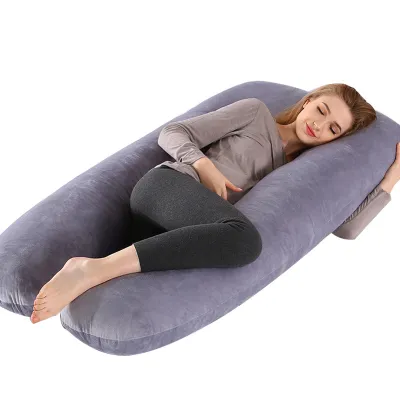
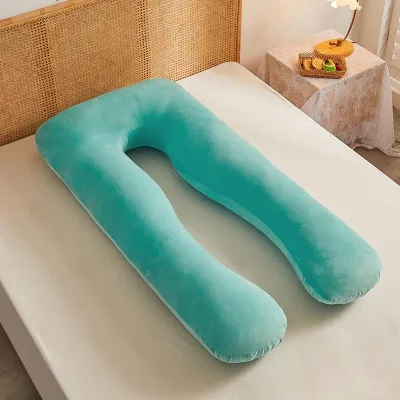
U-shaped maternity pillows are designed to provide symmetrical, full-body coverage from head to toe. This shape features two long parallel arms connected at the top, allowing you to nestle directly in the center of the pillow for simultaneous front and back support.
This design is particularly beneficial for combination sleepers who frequently switch sides throughout the night. Because the pillow wraps completely around you, you can turn from left to right without having to drag or readjust the pillow with you, maintaining consistent alignment for your spine and hips.
However, this comprehensive support comes with notable trade-offs, particularly regarding bed space and temperature. In warm, humid tropical climates, the sheer volume of a U-shaped pillow can trap body heat, making high-quality, breathable fabric covers essential if you rely on electric fans or air conditioning. Additionally, their bulky footprint can easily crowd a standard double or queen-size bed, potentially leaving very little room for a partner.
C-Shaped Pillows: Targeted Side-Sleeping Comfort
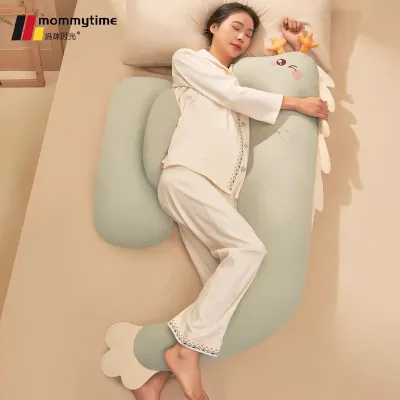
C-shaped pillows are tailored specifically for side sleepers, offering a curved design that wraps around the front or back of your body. The top curve supports your head and neck, the middle section cradles your belly or back, and the bottom curve tucks between your knees to help align your pelvis.
This shape is highly suited for individuals who consistently sleep on one preferred side and do not feel the urge to flip back and forth during the night. By placing the open side of the “C” behind you, you gain easy access to get in and out of bed, which is a practical benefit during late-pregnancy nights.
Compared to U-shaped alternatives, a C-shaped pillow has a moderately smaller physical footprint, making it easier to accommodate on medium-sized mattresses. It still provides substantial full-body support but allows for slightly better airflow around your back, which can be a significant comfort factor during warm, humid nights.
Wedge Pillows: Compact and Versatile
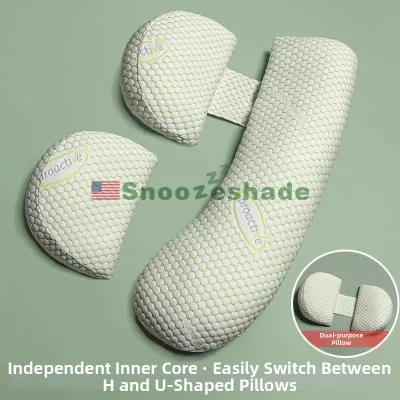
Wedge pillows are small, angled cushions made of firm foam or fiber fill, designed to provide highly localized support where you need it most. Rather than enclosing your entire body, a wedge is placed strategically under your growing belly to prevent pulling, or behind your lower back to reduce strain while sleeping.
The primary advantage of a wedge pillow is its exceptional portability and minimal space consumption. It fits easily into standard travel bags and takes up virtually no extra space on a bed, making it an excellent choice for smaller mattresses or shared sleeping arrangements.
Beyond nighttime sleep, the wedge is highly versatile throughout your entire pregnancy and postpartum journey. You can use it to prop up your upper body to help manage pregnancy-related acid reflux, position it behind your back for lumbar support while sitting in a chair, or utilize it as a supportive prop during postpartum nursing sessions.
Decision Framework: Sleep Position, Bed Size, and Trimester
Choosing the right maternity pillow requires balancing your personal sleep habits with the practical realities of your bedroom environment and your current stage of pregnancy. A structured approach can help you narrow down the options to find the most sustainable setup for your home.

Sleep Position Compatibility
- Restless or Combination Sleepers: A U-shaped pillow is highly recommended to maintain continuous support on both sides without manual adjustment.
- Consistent Side Sleepers: A C-shaped pillow offers excellent, contoured alignment for the head, belly, and knees on your preferred side.
- Back Sleepers Transitioning to Side Sleeping: A wedge pillow placed behind the back can gently prevent you from rolling onto your back during sleep, assisting in the transition to side sleeping.
Bed Size and Partner Space Considerations Before purchasing, measure your mattress and consider how much space you are willing to share. In many households, a queen-size bed is standard; introducing a large U-shaped pillow can significantly crowd the mattress and disrupt your partner’s sleep. If space is limited or if your bedroom tends to retain heat, a compact wedge or a streamlined C-shaped pillow will help maintain a comfortable sleeping distance and allow for better air circulation.
Trimester-by-Trimester Adjustments
- First Trimester: Early physical changes may only require minor adjustments. A simple wedge pillow or a standard pillow under the knees is often sufficient to ease early pelvic tension.
- Second Trimester: As your belly begins to grow and side sleeping becomes more necessary, transitioning to a C-shaped pillow can help support your changing center of gravity.
- Third Trimester: Maximum support is often needed during the final months. You may find that a U-shaped pillow, or a combination of a C-shaped pillow and a wedge under the belly, provides the necessary stability to manage increased pressure on your hips and lower back.
Product Labels and Care Specs to Verify Before You Buy
To ensure your maternity pillow remains hygienic, supportive, and comfortable throughout your pregnancy, it is crucial to carefully inspect product labels and manufacturer specifications before making a purchase. Investing in a high-quality design requires verifying several key physical attributes.
Fill Material and Breathability Examine the fill material tags to understand how the pillow will perform over months of continuous use. Look for hypoallergenic fills, such as memory foam clusters, polyester fiberfill, or micro-beads, which resist dust mites and allergens. In tropical climates where nighttime temperatures and humidity are high, prioritize materials that promote airflow and check if the manufacturer specifies heat-dissipation properties to prevent overheating. Ensure the fill is rated for firmness retention so the pillow does not flatten prematurely under your body weight.
Cover Quality and Maintenance Because you will use the pillow daily, ease of cleaning is a primary consideration. Verify that the pillow features a fully removable cover with a durable, recessed zipper that will not scratch your skin or snag your bedsheets. Check the care label to confirm that the cover is machine-washable and can withstand frequent laundering without shrinking or losing its softness. Cotton, bamboo-derived rayon, or jersey knit covers are excellent choices for their breathability and ease of maintenance.
Manufacturer Warnings and Guidelines Always read the manufacturer’s safety guidelines and product instructions. Some pillows may have specific weight limits, recommended age ranges for postpartum use, or warnings regarding infant sleep safety. Ensure you understand the intended method of use, and consult your healthcare provider if you have specific medical conditions, such as severe pelvic girdle pain or chronic back issues, to ensure your chosen pillow shape aligns with your medical needs.
Frequently Asked Questions (FAQ)
Can I use a regular pillow instead of a maternity pillow?
Yes, you can use standard household pillows to create a customized support system, especially during early pregnancy or for minor positional adjustments. Stacking regular pillows under your knees, behind your back, or beneath your belly can help relieve mild pressure points. However, standard pillows lack the integrated, contoured shape of specialized maternity pillows, meaning they are more likely to shift, slide apart, or flatten during the night. For consistent, full-body alignment that stays in place as you move, a dedicated maternity pillow is generally more reliable and easier to manage than managing multiple loose pillows.
When should I start using a maternity pillow during pregnancy?
There is no single correct time to start using a maternity pillow, as every pregnancy progresses differently. Many individuals begin using specialized support around the second trimester, typically between weeks 13 and 20, when physical changes like a growing belly, hip discomfort, or lower back tension begin to interfere with sleep quality. If you find yourself waking up frequently to adjust your position, experiencing joint stiffness, or struggling to remain comfortably on your side, these are clear physical signals that it may be time to introduce extra support. Always consult your healthcare provider for personalized guidance on sleep positions and comfort strategies tailored to your specific pregnancy.

Community discussion
Share your experience or ask a question. Comments are reviewed before publication.