
Finding a comfortable sleeping position becomes a significant challenge as your pregnancy progresses. The physical changes your body undergoes can disrupt your rest, leaving you searching for ways to support your growing bump, aching hips, and strained lower back. A specialized pillow for pregnant women is designed to address these specific skeletal and muscular pressures, helping you maintain a safe and comfortable posture throughout the night.
The ideal pregnancy pillow shape depends on your personal sleeping habits, the size of your bed, and where you experience the most discomfort. If you are a restless sleeper who tosses and turns, a U-shaped pillow offers complete, dual-sided support that keeps you securely positioned. For those who want comprehensive head-to-toe cushioning but have limited bed space, a C-shaped pillow provides excellent support along one side of the body. If you only need targeted relief for your belly or lower back, or if you travel frequently, a compact wedge pillow is the most practical and versatile choice.
Transitioning to side-sleeping is highly recommended during the second and third trimesters to optimize blood circulation. Selecting a pillow shape that complements your natural sleep posture not only improves your sleep quality but also helps protect your physical well-being during this demanding journey.
Products mentioned in this guide


Prices are valid at publication and may change. Please refer to the product page for the latest price.
The Core Differences: U-Shaped, C-Shaped, and Wedge Pillows
Understanding the physical design and spatial footprint of each pregnancy pillow shape is the first step in determining which one will fit your lifestyle. These pillows vary widely in size, versatility, and how they interact with your sleeping environment.
U-Shaped Pregnancy Pillows
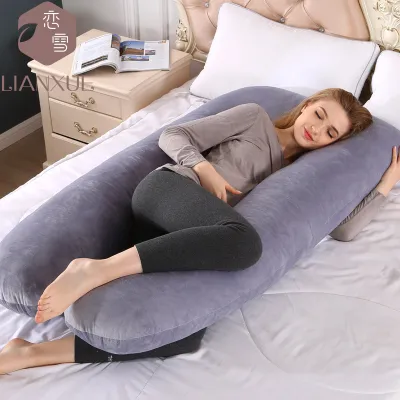
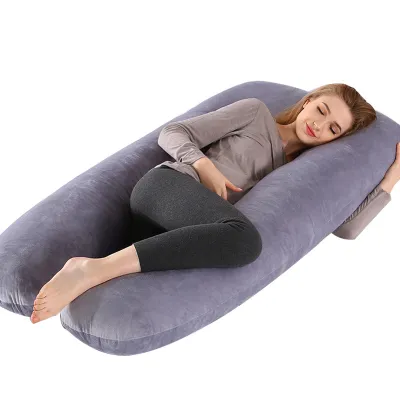
U-shaped pregnancy pillows feature a symmetrical, full-body design that cradles your entire frame from head to toe. This shape consists of two long, parallel legs connected by a curved top portion, allowing you to nestle directly in the center. Because it surrounds you on both sides, it provides equal support to your front and back simultaneously, eliminating the need to reposition the pillow when you turn.
This complete enclosure is highly effective at preventing you from rolling onto your back during the night. However, this level of support comes with a substantial physical footprint. U-shaped pillows are exceptionally large and can easily occupy the majority of a double or queen-sized mattress, which may restrict space for a sleeping partner.
C-Shaped Pregnancy Pillows
C-shaped pregnancy pillows utilize a single, continuous curve designed to wrap around the side of your body. The top curve of the “C” supports your head and neck, the long middle section cushions your back or belly, and the bottom curve tucks comfortably between your knees. This layout provides a balanced combination of spinal alignment and joint relief without fully enclosing you.
Because it only covers one side of your body, a C-shaped pillow is more space-efficient than a U-shaped model. It leaves one side of your bed open, making it a more partner-friendly option. The primary trade-off is that if you prefer to turn over and face the opposite direction during the night, you must physically flip the entire pillow with you to maintain the same front-side support.
Wedge Pregnancy Pillows
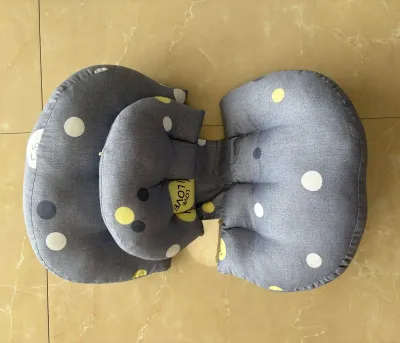
Wedge pregnancy pillows are small, firm, and typically shaped like a triangle or a gentle incline. Unlike full-body options, wedges are designed strictly for localized support. You can slide a wedge under your expanding belly to prevent it from pulling on your lower back, place it behind your spine to prevent rolling, or tuck it between your knees to relieve hip pressure.
This minimalist design takes up virtually no extra space on your mattress, making it an excellent option for smaller beds or warm, tropical climates where a massive plush pillow might trap too much body heat. Wedge pillows are also highly portable, fitting easily into travel bags or suitcases so you can maintain sleep comfort away from home.
Matching Pillow Shapes to Your Sleeping Position
Your natural sleeping position dictates how your weight is distributed and where your body requires the most assistance to maintain neutral alignment.

Side Sleepers
Side-sleeping, particularly on the left side, is widely recommended by healthcare professionals during the later stages of pregnancy. This position helps optimize blood flow to the placenta and kidneys while keeping the heavy weight of the uterus off major blood vessels. Both C-shaped and U-shaped pillows are highly effective at facilitating this posture by providing a physical structure that makes side-sleeping feel natural and comfortable.
For dedicated side sleepers, a C-shaped pillow is an excellent match. By placing the long spine of the pillow along your back, you receive firm lumbar support that prevents you from rolling backward. At the same time, tucking the lower end of the “C” between your knees keeps your pelvis neutral and your hips parallel, which significantly reduces the pulling sensation on your lower back and abdomen.
Combination and Restless Sleepers
If you frequently toss, turn, and switch sides throughout the night, a U-shaped pillow is generally the most comfortable option. Restless sleepers often find C-shaped pillows frustrating because turning over requires dragging the heavy, curved pillow across the bed to reposition it. This movement can disrupt your sleep cycle and cause unnecessary physical strain in the middle of the night.
With a U-shaped pillow, you are continuously supported on both sides. If you turn from your left side to your right side, you simply rotate within the center cavity. The leg of the pillow that was previously supporting your back now cradles your belly, while the opposite leg provides immediate support for your spine, allowing you to transition smoothly without waking up to adjust your bedding.
Back Sleepers and Early Pregnancy
Sleeping flat on your back is generally discouraged starting in the second trimester because the weight of the growing uterus can compress the vena cava, potentially reducing oxygen and blood flow to both you and your baby. If you are a natural back sleeper, breaking this lifelong habit can be incredibly difficult. A wedge pillow can serve as a gentle, non-intrusive training tool during early pregnancy.
By placing a wedge pillow at a slight angle behind your back, you can sleep in a semi-reclined or slightly tilted position rather than flat on your spine. This minor tilt keeps the weight of your abdomen shifted to one side, reducing pressure on your blood vessels while still allowing you to feel like you are sleeping on your back. For personalized guidance on safe sleeping angles, always consult your obstetrician.
Comparing Support Needs: Full-Body vs. Targeted Relief
Determining whether you need comprehensive, full-body alignment or simple, targeted relief will help narrow down your choice between these shapes.
Full-Body Alignment and Hip Pain
During pregnancy, your body releases the hormone relaxin, which softens your ligaments to prepare your pelvis for childbirth. While necessary, this change can lead to pelvic girdle pain, sciatica, and severe hip discomfort. When you sleep on your side without support, your top leg naturally drops forward, twisting your pelvis and pulling your lower spine out of alignment.
Full-body U-shaped and C-shaped pillows solve this issue by providing a thick, cushioned barrier for your knees and ankles. Elevating your entire leg on the lower portion of a full-body pillow keeps your hips stacked horizontally. This neutral alignment relieves the pressure on your joints and sciatic nerve, allowing your muscles to relax fully and reducing morning stiffness.
Targeted Belly and Lower Back Support
Not every pregnant woman requires a massive pillow that wraps around their entire body. If your primary source of discomfort is localized entirely in your lower back or under your expanding belly, a wedge pillow offers highly efficient, targeted relief. Tucking a firm foam wedge under the edge of your belly transfers the downward pull of your baby bump directly to the mattress, instantly relieving the strain on your abdominal muscles and lower back ligaments.
Alternatively, placing a wedge snugly against your lower back provides a firm physical barrier that prevents you from rolling backward into a supine position. This targeted approach is ideal for those who prefer to keep using their standard head pillows and simply want to address one or two specific trouble spots without cluttering their bed.
Upper Body Elevation for Heartburn and Acid Reflux
Hormonal changes during pregnancy relax the valve at the entrance of your stomach, making acid reflux and heartburn incredibly common, especially when lying flat. Elevating your upper body is a simple, mechanical way to use gravity to keep stomach acid from rising into your esophagus.
While stacking regular pillows can cause neck strain, a wedge pillow placed under your upper back and shoulders provides a smooth, gradual incline. This gentle elevation supports your thoracic spine and neck comfortably, helping to alleviate nighttime heartburn without putting pressure on your lower back. The curved top section of a C-shaped or U-shaped pillow can also be doubled up for slight elevation, but a dedicated wedge offers a firmer, more consistent incline.
Practical Considerations: Bed Space, Portability, and Postpartum Use
Beyond sleep positions and physical support, practical lifestyle factors play a major role in how useful a pregnancy pillow will be in your daily routine.
Bed Space and Partner Disruption
The physical size of your bed is a critical constraint when choosing a pillow. In many homes, a standard double or queen-sized bed is shared between partners. A large U-shaped pillow can take up more than half of the mattress width, potentially crowding your partner or forcing them to sleep near the edge. If bed space is limited, a C-shaped pillow is a much more practical compromise, while a wedge pillow has virtually zero impact on your partner’s sleeping area.
Heat Retention and Tropical Comfort
Sleeping comfortably in warm, humid climates requires careful attention to materials. Large full-body pillows contain a significant amount of filling, which can trap body heat and cause night sweats. If you opt for a U-shaped or C-shaped pillow, look for models with removable, machine-washable covers made of highly breathable fabrics like bamboo-derived rayon or 100% cotton. Wedge pillows, due to their small size, trap very little heat and are naturally cooler to sleep with.
Postpartum and Nursing Utility
A high-quality pregnancy pillow can continue to provide value long after your baby is born. Both U-shaped and C-shaped pillows can be wrapped around your waist to act as a supportive nursing cushion, lifting your baby to breast height to reduce strain on your shoulders and neck during feeding. Wedge pillows are also highly useful postpartum; they can be used to prop yourself up comfortably in bed while reading, resting, or feeding your baby. Always ensure that any postpartum use of these pillows aligns with safe sleep guidelines for infants, and never leave a baby unattended on a support pillow.
Quick Comparison: U-Shaped vs. C-Shaped vs. Wedge Pillows
To help you visualize the key differences and quickly compare your options, this table summarizes the core attributes of each pregnancy pillow shape:
| Pillow Shape | Best Suited For | Bed Space Required | Portability | Postpartum Use |
|---|---|---|---|---|
| U-Shaped | Restless sleepers, combination sleepers, back-prevention, full-body support | High (takes up most of a double/queen mattress) | Low (bulky and difficult to pack) | Nursing wrap, sitting support, body prop |
| C-Shaped | Dedicated side sleepers, head-to-knee alignment, moderate bed space | Moderate (leaves room for a partner on one side) | Low to Medium (bulky but easier to fold than U-shape) | Nursing wrap, back support while sitting |
| Wedge | Targeted belly/back support, travel, acid reflux relief, warm climates | Minimal (very small footprint) | High (fits easily into suitcases or travel bags) | Head/back elevation, nursing prop |
Final Decision Framework: How to Choose Your Pillow
To make your final selection, match your daily habits and physical needs to these straightforward guidelines:
- Choose a U-Shaped Pillow if: You are a restless sleeper who flips sides frequently, you need a physical barrier to stop you from rolling onto your back, and you have a large mattress (such as a king-size) with plenty of space.
- Choose a C-Shaped Pillow if: You are a dedicated side sleeper, you want integrated support for your head, belly, and knees, and you share a standard-sized bed where space must be preserved for your partner.
- Choose a Wedge Pillow if: You only need support in one specific area (like under your belly), you want to keep using your existing head pillows, you travel often, or you sleep in a warm room where a full-body pillow would feel too hot.
Before making any major changes to your sleep posture or if you are experiencing severe, persistent pelvic or back pain, always consult your obstetrician or a qualified healthcare professional. They can provide personalized advice tailored to your specific pregnancy progression and physical health.
Frequently Asked Questions (FAQ)
When should I start using a pregnancy pillow?
There is no single correct timeline for introducing a pregnancy pillow; it depends entirely on your personal comfort levels. Many women begin using a support pillow during the second trimester, around week 16 to 20, which is when the baby bump starts to grow noticeably and sleeping flat on your back is no longer recommended. However, if you experience early hip discomfort or lower back strain in your first trimester, you can start using a pillow as early as you feel the need.
Can I use a regular pillow instead of a pregnancy pillow?
Yes, you can absolutely use standard household pillows to create a supportive sleep setup. Placing a regular pillow between your knees and tucking another under your belly can help align your spine. The primary limitation of this method is that standard pillows tend to shift, slide, or flatten out during the night, requiring you to constantly readjust them when you move. A dedicated pregnancy pillow offers a unified, ergonomically contoured design that stays securely in place.
Are pregnancy pillows safe to use throughout the entire pregnancy?
Pregnancy pillows are entirely safe to use from your first trimester all the way through your delivery, provided they are used correctly to facilitate safe sleeping postures. The primary safety consideration is ensuring the pillow helps you maintain a stable side-sleeping position rather than forcing you onto your back. If you ever experience new numbness, tingling, or increased joint pain while using a pregnancy pillow, temporarily stop using it and consult your healthcare provider to ensure your sleeping posture is properly aligned.
Community discussion
Share your experience or ask a question. Comments are reviewed before publication.