
Neither flange design is universally superior for every nursing parent. The choice between trumpet-style flanges (typically featuring flexible, petal-like massage edges) and standard flanges (traditional rigid plastic) depends entirely on your breast tissue elasticity, nipple sensitivity, and how your body responds to different suction mechanics. While one parent might find that a flexible silicone rim increases their milk output, another might experience better results with the firm, consistent suction of a rigid plastic tunnel.
To optimize your pumping sessions, it is essential to understand how these two designs interact with your body. By evaluating your physical feedback, monitoring your milk flow, and ensuring you have the correct size, you can select the flange design that best supports your personal comfort and milk expression goals.
Identifying the Design and Material Differences
To make an informed choice, you must first understand the physical characteristics and material properties of both flange types. These design elements dictate how the flange seals against your skin and how the vacuum pressure is distributed across your breast tissue.
Products mentioned in this guide
Prices are valid at publication and may change. Please refer to the product page for the latest price.
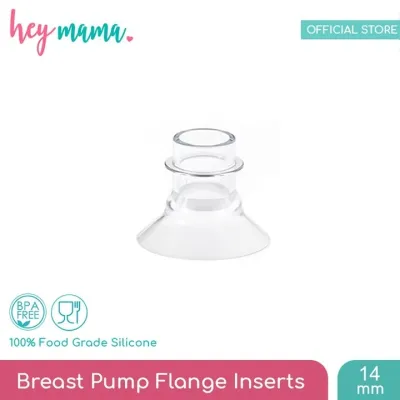
Trumpet flanges, often referred to as silicone or soft-rim flanges, are characterized by their flexible, flared edges. Many of these designs incorporate soft silicone inserts, textured massage petals, or fully flexible rims that bend and contour to the shape of your breast. The primary goal of this design is to mimic the natural, multi-directional stimulation of a baby’s latch. The soft material is designed to compress gently against the breast during the suction cycle, providing a massaging sensation that can help stimulate the nerves responsible for milk release.
In contrast, standard flanges are typically constructed from rigid, hard plastic, such as polypropylene. They feature a straight, uniform tunnel that transitions into a firm, unyielding rim. This design does not flex or compress during the pumping cycle. Instead, it provides a stable, structured pathway that directs the pump’s vacuum suction straight down the center of the tunnel. The rigid rim provides a firm barrier against the chest wall, ensuring that the suction remains concentrated and consistent throughout the session.
The flexibility of the material plays a significant role in how the flange seals against your skin. In warm and humid climates, such as in the Philippines, skin moisture and sweat can affect how different materials adhere to the breast. Flexible silicone trumpet flanges often provide a more forgiving seal that can adapt to minor body movements, whereas rigid plastic flanges require precise positioning and consistent pressure to maintain their vacuum. However, the soft nature of silicone can sometimes create more friction if the skin is damp, making it important to understand how each material interacts with your unique skin texture and environmental conditions.
Assessing Comfort and Breast Tissue Response
Comfort is not just a matter of personal preference; it is a critical factor in how effectively your body releases milk. Pain and discomfort can trigger stress hormones that actively inhibit your milk ejection reflex, making it essential to choose a flange that accommodates your specific breast tissue characteristics.

Flexible trumpet edges are designed to distribute vacuum pressure more evenly across the breast and areola. By cushioning the area where the flange meets the chest wall, these soft rims can reduce the localized friction and pinching that some parents experience with hard plastic. If you have highly sensitive skin, or if your nipples are easily irritated by the repetitive pulling motion of the pump, the gentle compression of a silicone trumpet flange may offer a more comfortable experience.
On the other hand, standard rigid flanges provide firm structural support that is highly beneficial for certain tissue types. If you have highly elastic breast tissue—where the areola stretches easily and tends to be drawn deep into the flange tunnel—the flexible walls of a trumpet flange may not provide enough resistance. In such cases, the elastic tissue can pull the soft silicone inward, causing the tunnel to collapse or block the milk ducts. A rigid plastic flange maintains its shape under high suction settings, preventing the surrounding tissue from collapsing and ensuring that the nipple can move freely within the tunnel.
To determine which design is better for your body, you must actively monitor your physical feedback during and after each pumping session. Look for observable comfort signals that indicate a poor fit or incompatible design. Redness around the base of the nipple, blanching (where the nipple tip turns white due to restricted blood flow), or sharp pain during active suction are clear signs of distress. Additionally, if you experience persistent soreness, swelling, or bruising on your breast tissue after you finish pumping, it is time to re-evaluate your flange style and size.
Observing Milk Expression and Let-Down Efficiency
The ultimate goal of pumping is efficient milk expression, which relies heavily on triggering your let-down reflex. Different flange designs influence how suction is transferred to your milk ducts and how your body responds to the stimulation.
Standard flanges rely on direct, uniform suction. The vacuum pulls the nipple into the rigid tunnel, creating a consistent pressure cycle that coaxes milk from the ducts. This straightforward mechanic is highly efficient for parents whose bodies respond well to strong, direct suction. Because the rigid plastic does not absorb any of the vacuum energy, the full force of the pump’s suction is delivered directly to the breast, which can lead to faster emptying for some individuals.
Trumpet flanges, with their massaging rims and flexible textures, offer a different type of stimulation. The gentle compression of the silicone petals is designed to stimulate the nerves around the areola, mimicking the tactile feedback of a nursing infant. For many parents, this localized, soft stimulation is more effective at triggering the release of oxytocin, the hormone responsible for the let-down reflex. If you find it difficult to achieve a let-down with a standard plastic flange, the added sensory feedback of a trumpet design may help initiate milk flow more quickly.
To evaluate which design yields better efficiency for you, track specific, observable metrics over several sessions. Note the time it takes to trigger your first let-down after starting the pump. Pay attention to signs of complete breast emptying, such as the breasts feeling soft and light, and the milk flow slowing to a gentle drip. Finally, monitor your overall pumping duration; if one design allows you to empty your breasts in less time without discomfort, it is likely the more efficient option for your unique physiology.
Verifying Your Flange Size Before Choosing a Design
Before you decide between a trumpet or standard design, you must address the most critical factor in pumping success: correct flange sizing. No design, regardless of how advanced or comfortable its materials are, can compensate for an incorrect size. Using a flange that is too small or too large will inevitably lead to pain, tissue damage, and reduced milk output.
To find your baseline size, use a measuring tool or a standard ruler to measure the diameter of the base of your nipple in millimeters. This measurement should be taken before you begin pumping, and it should exclude the areola. Once you have this measurement, you will typically need to add 2 to 3 millimeters to find your starting flange size. This extra space allows your nipple to expand and move freely within the tunnel without rubbing against the sides.
It is important to account for natural nipple swelling, which occurs due to increased blood flow and suction during a pumping session. If your nipple swells significantly, a flange that felt comfortable at the start of the session may begin to rub or pinch toward the end. If you observe your nipple rubbing against the walls of the tunnel, or if a large portion of your areola is being pulled into the opening, you may need to adjust your size.
When transitioning between different flange designs, always check the specific manufacturer’s sizing charts. Flexible trumpet flanges, particularly those made entirely of silicone, can fit and stretch differently than rigid standard ones. The soft material may expand slightly under vacuum pressure, which can alter how your nipple sits within the tunnel. Never assume that your size in a rigid plastic flange will automatically translate to the exact same size in a flexible silicone trumpet flange; always verify the manufacturer’s specific guidelines for each product.
Decision Guide: Choosing the Right Flange for Your Body
Selecting the right flange design requires a careful analysis of your pumping history, tissue characteristics, and comfort levels. Use the following guidelines to help determine which style is most likely to meet your needs.
Consider choosing a trumpet-style flange if you experience persistent discomfort or pain when using hard plastic, even when the size is correct. This design is also highly suitable if you have moderately elastic tissue that benefits from gentle, localized massage, or if you struggle to trigger a let-down using standard, direct suction. The softer rim can provide a more comfortable seal for parents with sensitive skin or those who pump frequently throughout the day.
Opt for a standard rigid flange if you require firm, unyielding support to maintain a secure vacuum seal. This style is particularly beneficial if you use high suction settings on your pump, as the rigid plastic will not collapse or deform under pressure. Standard flanges are also the preferred choice if you have highly elastic tissue that needs a structured tunnel to prevent the areola from being drawn too far inside. Additionally, standard flanges often offer a wider range of precise millimeter sizes, making it easier to find an exact match for unique nipple dimensions.
Before making a final switch, always verify the root cause of any pumping difficulties. If you are experiencing severe pain, low milk output, or visible tissue damage, do not assume that changing the flange design will automatically solve the problem. These issues are frequently caused by incorrect sizing or excessively high suction settings on your pump motor. Ensure your size is accurate and your pump settings are adjusted to a comfortable level before deciding whether a change in flange design is necessary.
Frequently Asked Questions (FAQ)
Can I use a trumpet flange with any breast pump brand?
Compatibility between trumpet flanges and different breast pump brands depends entirely on the connector size, tubing adapters, and brand-specific locking mechanisms. Some trumpet flanges are designed as one-piece units that only fit specific pump models, while others are separate pieces that can be inserted into standard plastic connectors. To ensure a secure, airtight seal and to protect your pump motor’s warranty, always check the manufacturer’s compatibility guidelines. If you are using third-party adapters, verify that they fit snugly and do not cause a loss of vacuum pressure during operation.
How often should I replace my silicone or plastic flanges?
The replacement schedule for your pumping parts depends on the materials used and how frequently you pump. Silicone components, such as the flexible rims or inserts of trumpet flanges, degrade more quickly than rigid plastic. You should inspect your parts regularly for observable signs of wear, including a noticeable loss of suction, visible tears or cracks, cloudiness in the plastic, or a loss of elasticity in the silicone. Generally, silicone parts that undergo daily use may need replacement every one to three months, while rigid plastic flanges can last longer if they show no signs of damage. Always follow the specific cleaning, sanitizing, and replacement instructions provided in your product manual.

Community discussion
Share your experience or ask a question. Comments are reviewed before publication.