
To find the correct flange insert size, you must measure the diameter of your nipple base in millimeters and add a small allowance to select the corresponding insert. Finding the right fit ensures comfortable, efficient milk expression and protects delicate breast tissue from friction and swelling. In the warm, humid climate of the Philippines, maintaining comfort during pumping sessions is especially vital to prevent skin irritation and heat-induced discomfort. Taking a few minutes to measure accurately can transform your breastfeeding journey into a smooth, productive routine.
If you experience persistent pain or unusual symptoms, always consult a lactation consultant or a healthcare professional for personalized guidance.
Why the Correct Flange Insert Size Matters
Using a breast pump should never feel like an endurance test of pain. When a flange insert is too small, the nipple rubs against the narrow tunnel during every suction cycle. This constant friction can lead to severe soreness, skin chafing, cracked nipples, and even deep tissue damage that makes subsequent pumping sessions dreadfully uncomfortable.
Products mentioned in this guide
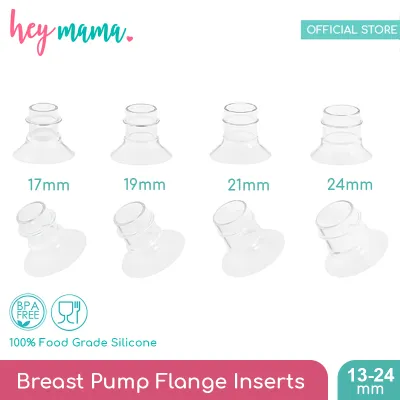
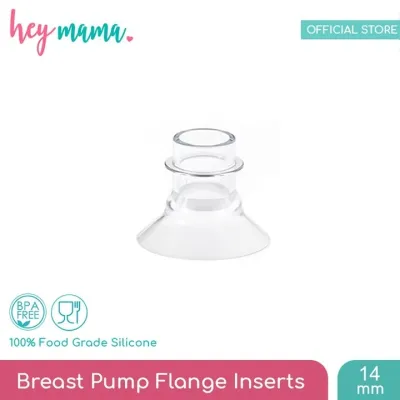
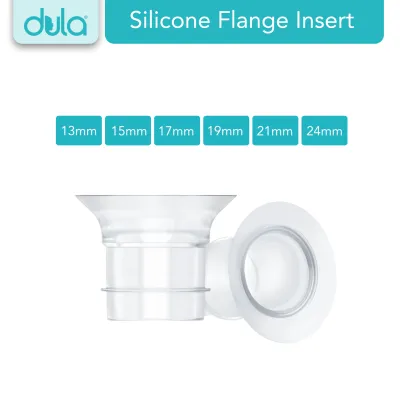
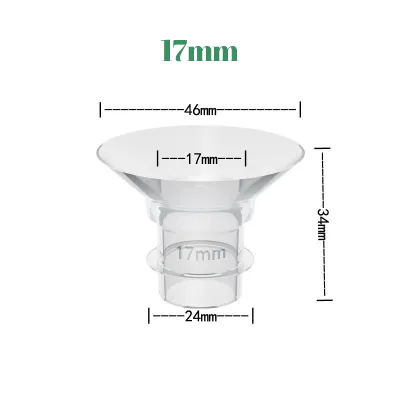
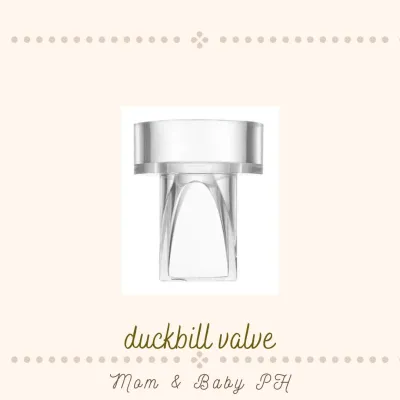
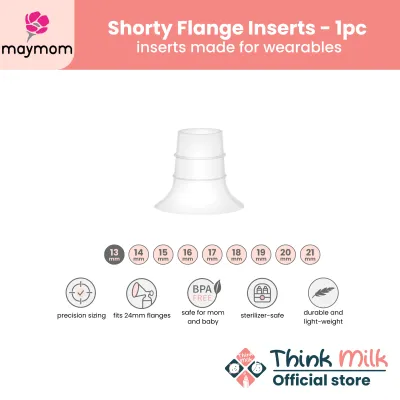
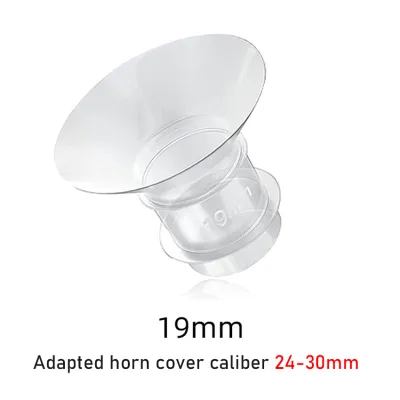
Prices are valid at publication and may change. Please refer to the product page for the latest price.
Conversely, an insert that is too large introduces a different set of issues. Instead of gently stimulating and compressing the nipple, the excessive space draws the sensitive areola deep into the tunnel. This areola pulling often breaks the airtight seal, causing frequent suction loss and preventing the pump from effectively stimulating your milk ejection reflex.
Ultimately, the correct size strikes a delicate balance between physical comfort and complete breast emptying. When the fit is precise, your milk ducts can compress naturally without obstruction, allowing for maximum milk yield in less time. Ensuring this proper fit is a fundamental step in protecting your long-term breast health and maintaining a robust milk supply.
How to Measure Your Nipple Diameter Accurately
Obtaining an accurate measurement requires the right tools and a bit of precision. While a standard household tape measure might seem convenient, its lack of flexibility and coarse markings can easily lead to sizing errors. Instead, use a specialized breast pump sizing ruler—often made of flexible silicone or paper with pre-cut circular holes—or a pair of digital calipers for the most precise reading.

Timing is equally critical when taking your measurements. Always measure your nipples before a pumping session or when you are in a completely resting, non-stimulated state. Pumping temporarily increases blood flow and causes the nipples to swell or stretch, which can result in an artificially large measurement and lead you to purchase an oversized insert.
To measure, focus strictly on the diameter of the nipple itself. Place the sizing tool at the very base of the nipple, right where the nipple tissue meets the darker skin of the areola. Be careful to exclude the areola entirely from your measurement, as including it will skew your results and compromise the fit of your flange insert.
Translating Measurements into Flange Insert Sizes
Once you have your base measurement in millimeters, you need to calculate your target insert size. Most manufacturers recommend adding a small sizing allowance to your raw measurement to allow the nipple room to expand slightly during suction. This allowance typically ranges from 1 to 3 millimeters, but you must always verify the specific product manual for your brand’s exact sizing recommendations.
Keep in mind that size grading is not entirely uniform across the mother and baby industry. A size that fits perfectly in one brand of breast pump might feel slightly different in another due to variations in tunnel length and slope. Always cross-reference your measurements with the official sizing chart provided by your specific insert or pump manufacturer before making a purchase.
Additionally, consider how different materials interact with your skin. Flexible silicone inserts tend to contour more gently to the breast and can absorb some of the friction, making them highly popular in warm, tropical climates where skin is more prone to chafing. Rigid plastic flanges or inserts, on the other hand, provide a highly stable structure but require an absolutely perfect fit to avoid localized pressure points and discomfort.
Signs You Need to Reassess Your Flange Insert Size
Even if you measured carefully at the start of your journey, your body’s needs can change over time. Pay close attention to physical signals during and after your pumping sessions. If you experience persistent pain, notice ring-like redness around the base of your nipple, or find friction marks and blisters, your current insert size is likely incorrect and requires immediate adjustment.
Efficiency signals are another clear indicator that something is amiss. If your breasts still feel heavy or firm after a full pumping session, or if you notice a sudden, unexplained drop in your daily milk volume, the pump may not be draining the milk ducts effectively. This incomplete emptying can eventually signal your body to produce less milk, impacting your overall supply.
Remember that nipple size is dynamic rather than static. Your body undergoes significant hormonal and physical shifts during the postpartum recovery stages, throughout your menstrual cycles, and as your nursing frequency changes. Periodically checking your fit ensures that your equipment continues to support your body comfortably through every stage of your breastfeeding journey.
Frequently Asked Questions (FAQ)
Can I use the same flange insert size for both breasts?
It is highly common for a mother’s breasts and nipples to be asymmetrical. Natural size differences between the left and right sides are completely normal and should be expected. For this reason, you should always measure each nipple individually rather than assuming they require the same size. If your measurements fall into different size brackets, do not hesitate to use two different flange insert sizes to ensure optimal comfort and milk expression on each side.
How often should I remeasure my nipple size?
During the early postpartum weeks, your body experiences rapid fluid shifts and hormonal changes, making weekly checks highly beneficial. Once your milk supply and nursing routine have stabilized, a routine re-evaluation every few weeks is usually sufficient. However, you should immediately remeasure if you experience new physical discomfort, notice a change in your milk output, or transition to a different pumping schedule, such as when returning to work.
Community discussion
Share your experience or ask a question. Comments are reviewed before publication.