
When deciding on the perfect sleep setup for your baby, balancing safety, daily convenience, and comfort is a top priority for parents in the Philippines. A modern baby crib is generally the safer, more sustainable choice for unsupervised overnight sleep due to its firm, flat mattress and standardized safety designs that align with global pediatric safe sleep guidelines. Conversely, a traditional woven duyab excels as a highly breathable, portable, and culturally cherished option for supervised daytime naps in hot, tropical climates. The right choice depends on whether you prioritize long-term standardized safety certifications or a portable, traditional daytime napping solution.
Understanding the Basics: Woven Duyab vs. Modern Crib
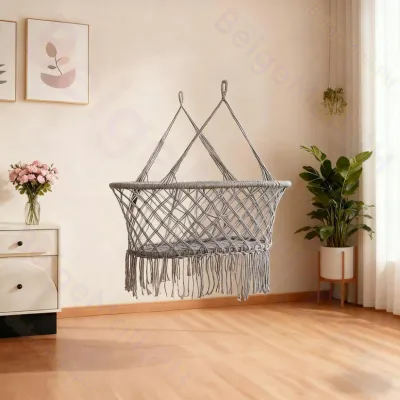
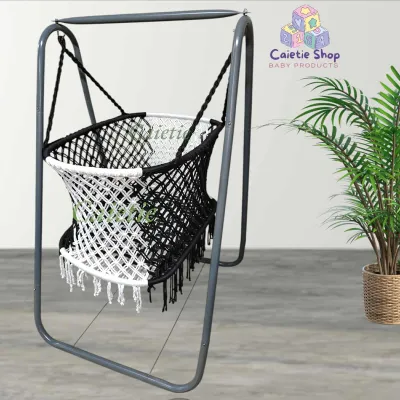
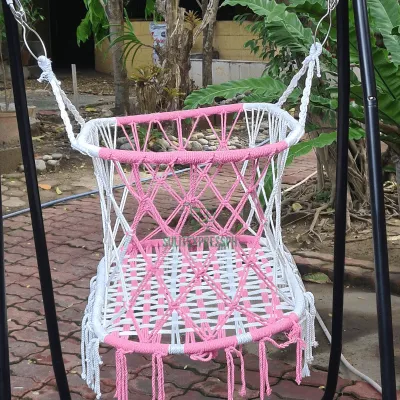
The traditional Filipino duyab is a handwoven cradle or hammock-like bed, deeply rooted in the country’s infant care history. Typically crafted by local artisans using natural materials such as rattan (yantok), bamboo, or abaca, it is designed to suspend from a ceiling beam, a sturdy wooden rafter, or a dedicated metal stand. The gentle, natural swaying motion of the duyab has been used for generations to soothe restless infants, mimicking the rhythmic movement they experienced in the womb.
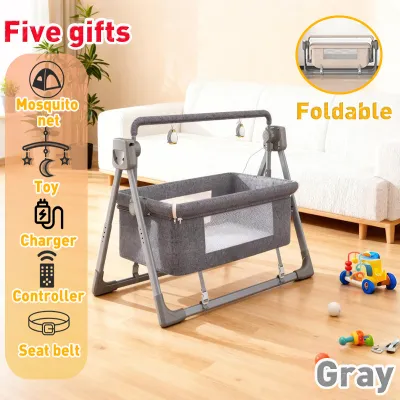
In contrast, a modern baby crib is a highly standardized piece of nursery furniture featuring a rigid wooden or metal frame, vertical slats, and a flat, firm mattress. Modern cribs are engineered to meet strict manufacturing guidelines that regulate everything from the distance between slats to the chemical composition of the paint. They provide a stationary, flat sleep environment designed to support an infant’s developing skeletal system.
Products mentioned in this guide
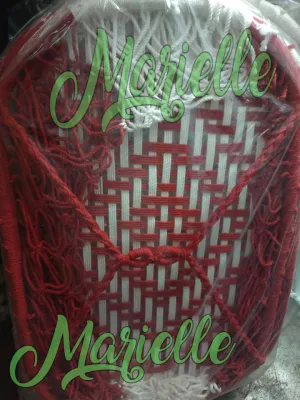
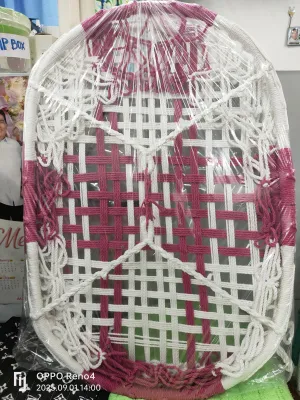
Prices are valid at publication and may change. Please refer to the product page for the latest price.
Neither option is universally superior; instead, each serves distinct parenting styles and household needs. While the duyab offers unmatched portability and cultural familiarity, the modern crib provides a structured, highly regulated environment designed for long-term use. Understanding how these two options perform across safety, comfort, and practicality will help you determine the best fit for your baby’s developmental stage and your home’s layout.
Comparing Safety, Comfort, and Practicality
Choosing where your baby sleeps involves evaluating how each option handles daily routines, environmental challenges, and safety protocols. While aesthetic appeal and cultural traditions play a role, your baby’s physical safety and your household’s practical needs must guide your final decision.

Safety Standards and Sleep Guidelines
Pediatric safe sleep guidelines emphasize that infants should sleep on a firm, flat, and level surface free of soft bedding, loose blankets, pillows, or bumper pads to reduce the risk of Sudden Infant Death Syndrome (SIDS) and accidental suffocation. Modern baby cribs are specifically engineered to comply with these rigorous safety standards. When shopping for a crib, caregivers must verify that the product complies with recognized safety certifications, such as ASTM International, European Standards (EN 716), or local Department of Trade and Industry (DTI) regulations. These standards ensure that the spacing between crib slats is no wider than 6 centimeters to prevent head entrapment, that there are no sharp edges, and that the mattress fits snugly against the frame without dangerous gaps.
Traditional woven duyabs present unique safety considerations because they do not undergo standardized laboratory safety testing. Many traditional duyabs feature a curved, flexible bottom that naturally sags under the baby’s weight. This curved shape can cause an infant’s head to tilt forward, chin to chest, which can restrict their narrow airway and lead to positional asphyxia. Additionally, the soft, yielding sides of a suspended woven hammock can create a suffocation hazard if the baby rolls or shifts to the side.
For these reasons, a traditional duyab is safest when used exclusively for supervised daytime naps where an adult is actively watching the infant in the same room. Caregivers must verify the structural integrity of the suspension setup, checking that the ropes, metal springs, and ceiling hooks or stands are secure and free of wear. Always consult your pediatrician regarding safe sleep environments, and stop using any sleeping arrangement immediately if your baby shows signs of rolling over, pushing up on their hands and knees, or exceeding the manufacturer’s specified weight limit.
Breathability, Comfort, and Climate Fit
The tropical climate of the Philippines, characterized by high temperatures and intense humidity, makes thermal comfort a critical factor in infant sleep. Overheating is a known risk factor for sleep disturbances and SIDS, making proper ventilation essential for your baby’s comfort.
A woven duyab offers exceptional natural breathability. The open-weave design of rattan, bamboo, or abaca allows air to circulate freely around the baby from all directions, helping to dissipate body heat and keep the infant cool during humid afternoons. This passive ventilation is highly beneficial in homes that rely on natural airflow or electric fans rather than continuous air conditioning, as it helps prevent heat rashes (bungang-araw) and keeps the baby comfortable.
Modern cribs, by contrast, rely heavily on their surrounding room environment for temperature regulation. While the open vertical slats provide adequate lateral airflow, the solid, firm mattress can trap heat against the baby’s back. To optimize a modern crib for a warm climate, parents must select breathable mattress materials, use 100% cotton or bamboo fitted sheets, and ensure the room is well-ventilated with fans or air conditioning. Ultimately, the room’s ambient temperature and appropriate, lightweight sleepwear are the primary factors in temperature regulation, regardless of which bed type you choose.
Space, Portability, and Household Setup
Living arrangements in the Philippines range from compact urban condominiums to spacious, multi-generational family homes. The physical footprint and portability of your baby’s bed can significantly impact your daily caregiving routine.
A woven duyab is highly valued for its space-saving design and portability. Because it can be suspended from a single ceiling hook or a compact, lightweight metal stand, it occupies minimal floor space, making it an excellent fit for smaller bedrooms or shared living areas. Caregivers can easily move a stand-mounted duyab from room to room, allowing them to keep a close eye on the baby while attending to household chores or working from home.
A standard modern crib has a much larger, stationary footprint. It requires a dedicated, flat area of floor space and is not easily moved once assembled. This stationary design serves as a permanent, stable sleep zone, which can help establish a consistent sleep routine in a dedicated nursery. However, for families living in tight quarters or those who require a flexible sleep setup that can transition between different areas of the house throughout the day, the stationary nature of a modern crib can feel restrictive.
Price, Value, and Longevity
Financial planning is an essential part of preparing for a new baby, and comparing these two options requires balancing the initial purchase price against the product’s usable lifespan.
A locally sourced, handwoven duyab is typically a highly budget-friendly option upfront. Often crafted by local artisans and sold in municipal markets or specialized woodcraft shops, a basic woven duyab can cost anywhere from ₱1,000 to ₱3,000. However, its primary limitation is its short usable lifespan. Babies typically outgrow a traditional duyab within the first three to five months of life. As soon as an infant begins to roll over, push up on their hands, or show increased physical mobility, the risk of the duyab tipping or the baby falling out increases dramatically, meaning the setup must be retired immediately for safety.
A modern baby crib represents a higher initial financial investment. Standard wooden cribs in the Philippines generally range from ₱5,000 to over ₱20,000, depending on the brand, materials, and features. Despite the higher cost, a crib offers significantly greater longevity and long-term value. Many modern models are designed as convertible cribs, which can transition from a baby crib to a toddler bed, a daybed, and eventually a full-sized bed frame as your child grows. A high-quality convertible crib can serve your child for several years or be safely stored and reused for future siblings, making the long-term cost per use highly economical. Parents should check local artisan markets, online nurseries, and physical furniture stores in the Philippines to compare current pricing and find a model that fits their budget.
How to Choose: Decision Guide for Parents
To make the best decision for your family, evaluate your daily living conditions, safety priorities, and long-term budget. Use this conditional guide to help finalize your choice:
Choose a Modern Crib if:
- You prioritize standardized safety certifications and want a sleep setup that strictly adheres to international pediatric safe sleep guidelines.
- You want a long-term investment that can safely accommodate your child from infancy through the toddler years.
- You have a dedicated nursery space or a spacious bedroom that can easily accommodate a large, stationary piece of furniture.
- You need a secure, flat, and firm surface where your baby can sleep unsupervised overnight.
Choose a Woven Duyab if:
- You are looking for a highly breathable, space-saving daytime napping solution for a warm, tropical home.
- You live in a compact household where portability is essential, allowing you to move the baby's sleep spot easily between rooms.
- You appreciate traditional Filipino craftsmanship and want to incorporate a cultural piece into your baby's daily routine.
- You can guarantee constant, active adult supervision during every nap and will transition the baby to a flat, firm surface for overnight sleep.
Verify first if:
- You are considering a second-hand modern crib or an antique family heirloom duyab. For cribs, check that all hardware is original, the slats are spaced correctly, and there are no structural cracks or peeling paint that could contain lead. For a traditional duyab, thoroughly inspect the weave for splinters, sharp edges, loose fibers, or weakened suspension ropes. If you detect any structural wear, loose parts, or signs of instability, do not use the item. Always check the applied product's label and the treated item's manufacturer instructions before attempting any repairs or modifications. If instructions conflict, the item is unidentified, or the use is not covered, stop and consult the manufacturer or a qualified professional before placing your baby inside.
Frequently Asked Questions (FAQ)
When deciding on your baby’s sleep environment, prioritizing safety and proper maintenance is essential. Always consult your pediatrician for personalized advice tailored to your baby’s specific health and developmental needs.
Can a newborn sleep in a duyab overnight?
Pediatricians and safe sleep experts generally advise against using a traditional curved duyab for unsupervised overnight sleep. Because newborns lack head control, the curved shape of a traditional woven hammock can cause the head to tilt forward, potentially blocking the airway. For safe overnight sleep, infants require a flat, firm surface free of soft padding, which a standard modern crib provides. If you choose to use a duyab, limit its use to supervised daytime naps where you can easily monitor your baby’s breathing and position. Stop using it immediately if the baby shows signs of rolling over or reaching the manufacturer’s weight limit.
How do I clean and maintain a woven duyab?
Maintaining a woven duyab in the humid Philippine climate requires regular, gentle care to prevent mold, mildew, and dust accumulation. Start by wiping the rattan, bamboo, or abaca fibers with a soft, slightly damp microfiber cloth to remove dust. Avoid using harsh chemical cleaners, bleach, or soaking the material, as excess water can weaken the natural fibers and promote fungal growth. Allow the duyab to dry completely in a well-ventilated area, preferably in indirect sunlight, before placing your baby back inside. Regularly inspect the entire structure—including the weave, suspension ropes, and metal springs—for any splinters, loose strands, or signs of wear. If you find any structural damage, stop using the duyab immediately and consult the manufacturer or a professional furniture restorer.

Community discussion
Share your experience or ask a question. Comments are reviewed before publication.