
While the traditional baby duyan remains a deeply cherished symbol of infant care in many Filipino households, modern pediatric and safe sleep guidelines advise against using these fabric hammocks for newborn sleep. The fundamental requirement for a safe infant sleep environment is a firm, flat, and unobstructed surface.
For generations, families across the Philippines have relied on the duyan to soothe fussy infants, utilizing its gentle swaying motion to lull babies to sleep. However, despite its deep cultural significance and widespread historical use, a traditional hammock does not meet the rigorous safety criteria required for unsupervised or overnight infant sleep.
To ensure your newborn’s safety during their most vulnerable developmental stages, it is highly recommended to consult your pediatrician. A qualified medical professional can provide personalized guidance on establishing a safe sleep environment that aligns with current health standards while addressing your family’s unique needs.
Products mentioned in this guide
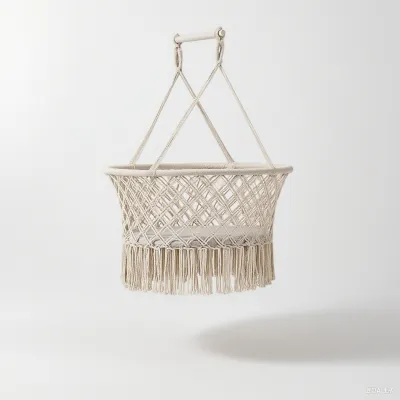
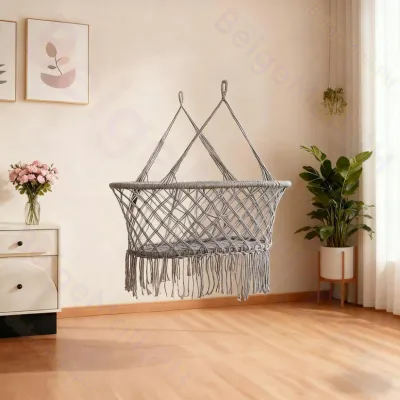
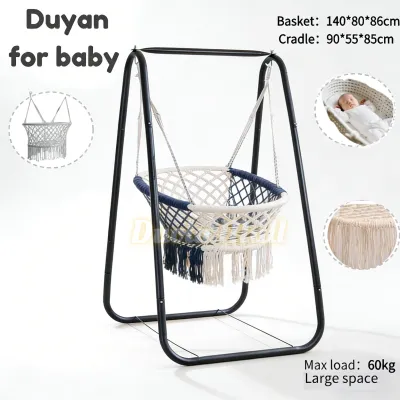
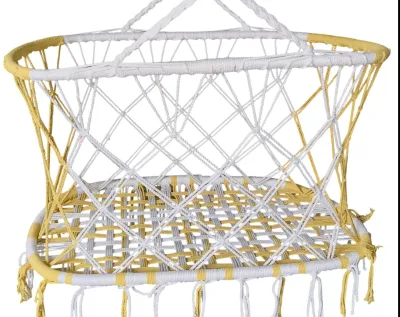
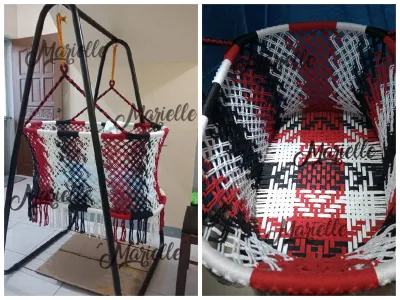
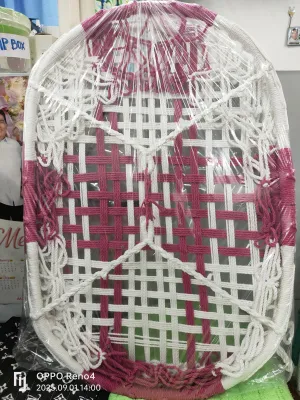
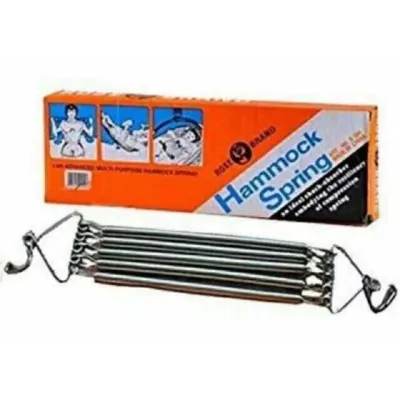
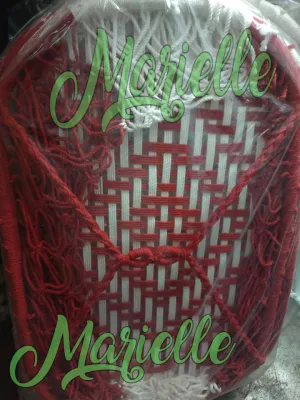
Prices are valid at publication and may change. Please refer to the product page for the latest price.
Understanding the Safety Risks of a Traditional Duyan
To understand why modern pediatricians advise against using a traditional duyan, it is necessary to examine the physical design of these hammocks and how they interact with a newborn’s developing anatomy. While the gentle swaying motion is highly effective at calming a crying baby, the structural characteristics of a fabric hammock introduce several severe physical hazards.
Airway and Suffocation Hazards
The primary medical concern with a traditional fabric duyan is the risk of positional asphyxia. Newborn babies have very weak neck muscles and relatively heavy heads, meaning they lack the physical strength to lift or adjust their heads if their airway becomes compromised. When a newborn is placed in the curved, U-shape of a fabric hammock, the body naturally slumps, causing the chin to be pressed firmly down toward the chest.
This chin-to-chest position can easily crimp and restrict the baby’s narrow, flexible trachea, silently cutting off their oxygen supply without the baby being able to cry out or struggle. Additionally, the soft, unstructured fabric of a traditional duyan tends to bunch up and contour closely around the sides of the baby’s face. If the baby shifts slightly, their nose and mouth can become pressed against the loose fabric folds, leading to direct suffocation or the dangerous rebreathing of exhaled carbon dioxide.
Spinal Support and Physical Development
A newborn’s skeletal system is highly flexible and undergoes rapid development during the first few months of life. To support the natural alignment of the spine, neck, and hips, pediatric osteologists and pediatricians emphasize the necessity of a firm, flat sleep surface. A traditional hammock fails to provide this essential, even support.
Instead of allowing the spine to rest in a neutral, healthy position, the sagging bottom of a duyan forces the baby’s body into a prolonged, unnatural curve. This lack of structural resistance can put unnecessary pressure on the developing vertebrae and may interfere with healthy hip joint alignment. Contrast this curved posture with the flat, stable surface of a certified crib mattress, which allows the baby to stretch, turn their head freely, and build the foundational muscle strength required for early physical milestones.
Fall and Entrapment Dangers
Beyond respiratory and developmental risks, traditional hammocks present significant mechanical safety hazards. Because a duyan is suspended from ceiling hooks, wooden rafters, or a metal stand, it is inherently unstable. If a baby shifts their weight suddenly, or if an older sibling accidentally bumps, pulls, or swings the hammock too forcefully, the entire structure can tip over, throwing the infant onto the floor.
Entrapment is another critical hazard associated with fabric hammocks. The loose folds of woven fabric, cotton sheets, or local blankets (kumot) used to construct a duyan can easily wrap around a baby’s limbs, neck, or torso. Ropes, suspension cords, and metal S-hooks also present severe strangulation and pinching risks. Furthermore, as a baby grows and gains the ability to wiggle, roll, or push themselves up, the shallow sides of a traditional hammock offer no barrier, making a fall highly likely if the infant is left unattended.
Cultural Traditions vs. Modern Safe Sleep Standards
In the Philippines, the duyan is far more than just a piece of nursery furniture; it is a cultural touchstone. For centuries, mothers, grandmothers, and caregivers have used handmade hammocks constructed from local woven textiles or sturdy cotton blankets to keep babies cool and comfortable in the tropical heat. The rhythmic rocking motion is deeply associated with parental love, comfort, and the communal nature of Filipino child-rearing.

However, infant safety science has advanced significantly over the decades. Modern safe sleep guidelines—established through extensive global pediatric research—emphasize the “ABC” method: placing the baby Alone, on their Back, and in a Crib or bassinet. This sleep space must feature a firm, flat mattress covered only by a tight-fitting sheet, completely free of loose blankets, pillows, bumper pads, stuffed toys, or soft positioning devices.
The inherent design of a traditional duyan directly conflicts with these evidence-based safety standards. A hammock is contoured rather than flat, soft rather than firm, and enclosed rather than open. While it can be difficult for parents to transition away from a practice passed down through generations, updating sleep habits based on modern medical understanding is a proactive, loving step to protect your child from preventable sleep-related accidents.
Harm Reduction: Precautions if You Use a Duyan for Soothing
If you choose to use a traditional duyan solely as a temporary tool to soothe a fussy, awake baby, you must implement strict harm-reduction measures. A duyan should never, under any circumstances, be used as a primary sleep space, for unsupervised napping, or for overnight sleep.
Strict Age and Milestone Boundaries
To minimize the risk of injury, parents must establish clear developmental boundaries for when a duyan can be used.
- No Newborn Use: Avoid placing newborns or very young infants who lack basic head and neck control in a hammock, as they are at the highest risk for positional asphyxia.
- Immediate Discontinuation: Stop using the duyan completely the moment your baby shows any signs of attempting to roll over, push up on their hands and knees, or sit up independently.
- Awake Soothing Only: Limit hammock use to brief, supervised intervals when the baby is fully awake. If the baby begins to fall asleep, immediately transfer them to a safe, flat crib or bassinet.
Supervision and Structural Safety Checks
Operating a traditional duyan safely requires constant vigilance and regular maintenance of the hardware and materials.
- Active Supervision: Never leave a baby unattended in a duyan. An adult must remain in the same room, keeping the baby in direct line of sight at all times. Do not rely on baby monitors or periodic checks.
- Verify Structural Integrity: Before placing your baby in the hammock, inspect the ceiling hooks, wooden beams, S-hooks, and the stand framework. Ensure all load-bearing components are securely fastened and capable of supporting dynamic weight.
- Inspect Fabric and Ropes: Regularly check the fabric for thinning, tears, or unraveling seams. Inspect suspension ropes for fraying or weak knots. Replace any worn components immediately.
- Clear the Surrounding Area: Position the duyan far away from window blind cords, electrical wires, wall decorations, curtains, and household appliances like electric fans or space heaters. Ensure the floor beneath the hammock is clear of hard objects.
Safer Nursery Alternatives for Soothing and Sleeping
Fortunately, parents do not have to choose between keeping their baby safe and keeping them calm. There are several modern, safety-compliant nursery products available in the Philippines that offer the soothing motion babies crave while adhering to strict safety standards.
For unsupervised sleep, a standard crib, playpen (pack-and-play), or bassinet equipped with a firm, flat mattress is the only recommended environment. When purchasing these items, look for certifications from recognized juvenile product safety organizations. If you are considering second-hand gear, always verify that the product has not been recalled by the manufacturer and that all original hardware is intact.
For supervised, awake soothing, modern baby swings and bouncers are excellent alternatives. Unlike traditional hammocks, these products are engineered with rigid frames, supportive backrests that prevent the chin-to-chest slump, and secure three- or five-point safety harnesses to prevent falls. Many models feature adjustable speed settings, gentle vibrations, and built-in melodies to help calm fussy infants.
Always read the manufacturer’s documentation to verify the specific age, weight, and developmental limits of any swing or bouncer you use. Just like a traditional duyan, modern swings are not approved for unsupervised sleep. If your baby falls asleep while swinging, gently transition them to their flat crib or bassinet to ensure their airway remains completely clear and protected.
Frequently Asked Questions (FAQ)
Can my baby sleep in a duyan overnight?
No, a baby should never sleep in a traditional duyan overnight or during unsupervised naps. The risk of positional asphyxia, suffocation, and falls increases dramatically when caregivers are asleep or unable to provide continuous, active supervision. For overnight sleep, always place your baby on their back on a firm, flat surface in a safety-compliant crib or bassinet.
At what age is it appropriate to use a baby hammock?
Traditional fabric hammocks are not safe for newborns due to the high risk of airway obstruction and lack of spinal support. If you choose to use a duyan strictly for supervised, awake soothing, it should only be used once the infant has developed basic head control, and usage must stop entirely the moment the baby shows any signs of attempting to roll over or sit up.
Do pediatricians recommend modern baby hammocks over traditional ones?
Generally, pediatricians do not recommend any type of hammock—whether traditional or modern commercial designs—for infant sleep. While some commercial baby hammocks feature spreader bars or rigid bases designed to keep the fabric flatter, they still do not provide the level of safety, stability, and firm support offered by a standard, flat crib mattress, which remains the gold standard for safe infant sleep.
Community discussion
Share your experience or ask a question. Comments are reviewed before publication.