
Choosing the right baby duyan for your home is a decision that balances your baby’s comfort, your daily caregiving routine, and the physical realities of your living space. In many households, the gentle rocking motion of a duyan is a time-tested method for soothing a restless infant. However, with modern innovations, parents are no longer limited to a single style. Today, the market offers three distinct categories: traditional fabric hammocks, electric auto-rocking models, and lightweight portable versions. Selecting the ideal option requires a careful look at your available floor space, your budget, and your capacity for constant supervision. This guide provides a practical framework to help you compare these three types, evaluate their safety requirements, and find the perfect match for your family’s lifestyle.
Traditional Fabric Duyans for Spacious, Supervised Nurseries
The traditional fabric duyan, often suspended from a heavy-duty metal stand or securely anchored to structural ceiling beams, remains a popular choice for families with dedicated nursery space. This classic setup relies on a simple, mechanical design that has comforted generations of infants. Because these units often require a wide, stable footprint to prevent tipping, they are best suited for spacious rooms where they can remain assembled as a permanent fixture. When planning your layout, you must account for the swinging clearance. A traditional duyan needs ample empty space on all sides so that the fabric pocket does not collide with walls, shelves, or nearby furniture during use.
Manual operation is both a benefit and a commitment. Because the duyan does not rock itself, a caregiver must remain physically present to initiate and maintain the gentle swaying motion. This manual requirement naturally keeps you close to your baby, reinforcing the essential practice of continuous, active supervision. It eliminates the temptation to walk away to another room, ensuring that you can immediately respond if your baby shifts position or shows signs of discomfort.
Products mentioned in this guide

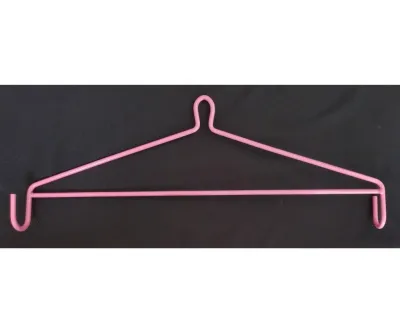
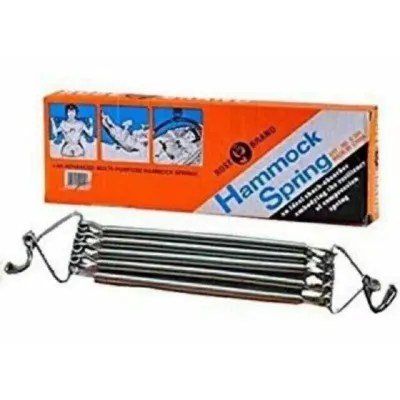
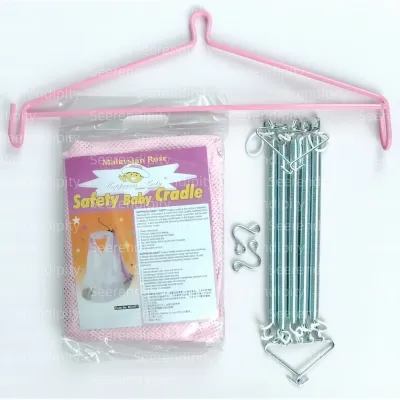

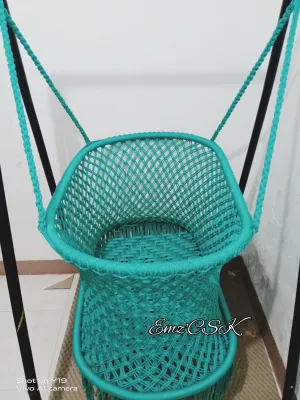
Prices are valid at publication and may change. Please refer to the product page for the latest price.
In tropical climates like the Philippines, where heat and high humidity are daily considerations, the material of your traditional duyan is incredibly important. Heavy, synthetic fabrics can trap heat, leading to discomfort and heat rash for your little one. Instead, prioritize highly breathable, natural fibers such as lightweight cotton or open-weave mesh. These materials promote optimal airflow around your baby’s body, helping to regulate their temperature during warm afternoons. Additionally, look for designs where the fabric sling can be easily detached from the frame. Regular machine washing is vital to keep the fabric free from sweat, drool, milk spills, and accumulated dust, ensuring a clean and hygienic environment for your baby.
Electric Auto-Rocking Duyans for Hands-Free Soothing
For busy parents managing household chores or working from home, electric auto-rocking duyans offer a modern, hands-free alternative. These high-tech devices use an electric motor to mimic the natural, rhythmic swaying of a parent’s arms. However, because they rely on electricity, their placement within your home is strictly dictated by the location of your power outlets. You must carefully plan your room layout to ensure the unit sits close enough to a wall outlet without requiring hazardous extension cords. Proper cord management is a critical safety step; all electrical cables must be secured along walls or under cord covers to prevent tripping hazards for family members and to keep them completely out of reach of curious infants and toddlers.

Most electric models come equipped with a variety of adjustable settings designed to customize the soothing experience. These typically include multiple speed levels, built-in timers that automatically shut off the motion after a set period, and integrated sound machines that play white noise or gentle lullabies. When evaluating different models, pay close attention to the motor’s noise level. A quiet, whisper-soft motor is ideal, as loud mechanical grinding can disturb a resting baby or become a source of irritation in a quiet room.
Because electric duyans contain complex mechanical and electronic components, verifying their build quality is essential. Before making a purchase, always check the manufacturer’s product labels and user manuals for specific details regarding motor durability, maximum weight limits, and built-in safety features like automatic shut-off mechanisms. These automated features are designed to prevent the motor from overheating and to ensure the device stops moving if any resistance is detected, providing an extra layer of reassurance for your household.
Portable Duyans for Small Spaces and Traveling Families
If you live in a compact urban condominium, a cozy apartment, or find yourself frequently traveling to visit grandparents, a portable duyan is often the most practical solution. These models are specifically engineered with lightweight frames and folding mechanisms that allow them to be collapsed into a highly compact form. When folded, they can easily be slid under a bed, tucked into a closet, or packed into the trunk of a car for weekend trips. This temporary setup means you can reclaim your living space when the duyan is not in use, making it an excellent choice for homes where every square meter counts.
While portability offers unmatched convenience, it requires you to pay extra attention to structural stability. Because portable frames are lightweight, they must be placed on flat, completely even flooring to prevent any risk of tipping over. Avoid placing a portable duyan on thick rugs, uneven tile joints, or outdoor surfaces that might compromise the balance of the frame. A wide, low-profile base is generally the safest design for portable models, as it lowers the center of gravity and provides a more secure foundation.
Choosing a portable model does involve certain trade-offs compared to stationary traditional or electric versions. To maintain a lightweight and foldable design, manufacturers often use thinner metal tubing and simplified joints. This can result in a frame that feels less rigid and may exhibit a slight wobble during use. Additionally, the rocking motion of a portable duyan is typically more restricted, offering a shorter, shallower swing than a full-sized traditional frame. Understanding these structural limitations helps you set realistic expectations for daily use and ensures you do not overload the unit beyond its intended capacity.
Decision Matrix: Matching Duyan Types to Your Home and Budget
To narrow down your choices, it is helpful to compare the upfront costs, maintenance requirements, and long-term value of each duyan type. Traditional fabric duyans with basic metal stands are generally the most budget-friendly option, often available for under ₱1,500. Because they have no electronic parts to wear out, they offer exceptional long-term durability and can easily be stored away for future siblings. Electric auto-rocking models represent a much higher initial investment, with prices often starting around ₱3,000 and reaching significantly higher for premium brands. While they carry a higher price tag, many parents find the hands-free convenience and customizable features justify the cost during the demanding early months of parenthood. Portable models typically occupy a middle ground in terms of pricing, offering a balance of affordability and specialized utility.
Your home’s layout and daily routine should heavily influence your final decision. In a compact apartment, a bulky, non-folding traditional frame can quickly become an obstacle, cluttering high-traffic areas and creating safety hazards. In contrast, a standalone house with a spacious, dedicated nursery can easily accommodate a permanent traditional or electric setup. If your baby splits time between your home and a relative’s house, investing in a portable model ensures your child has a familiar, consistent soothing environment wherever they go.
Before you begin browsing online marketplaces or visiting local baby boutiques, take a moment to create a personalized checklist of your household’s non-negotiables. Measure the exact floor space where you plan to place the duyan, locate the nearest power outlets, and establish a clear budget limit. Consider who will be the primary caregiver using the device; if grandparents or nannies will be operating it, a simple traditional or portable model may be more user-friendly than a complex electric unit with digital programming.
Essential Safety Boundaries and Setup Rules
Regardless of which type of baby duyan you choose, safety must always be your primary concern. Before assembling or using any model, you must verify the manufacturer’s specific weight limits, age recommendations, and safety certifications directly on the product label or in the instruction manual. Never rely on general guidelines or assume a product is suitable for your baby based solely on its visual size. Every model is engineered to support a specific weight range, and exceeding these limits can lead to structural failure or tipping.
The physical placement of the duyan within your home requires careful planning. Position the unit far away from window blinds, curtain cords, electrical wiring, dangling decorations, and heavy furniture. A swinging duyan must have a completely clear path; if the fabric or frame comes into contact with nearby objects, it could cause items to fall into the duyan or create a strangulation hazard. Additionally, ensure the duyan is placed on a flat, non-slip surface away from high-traffic areas where family members or pets might accidentally bump into it.
As your baby grows, their physical abilities will change rapidly. You must closely monitor your baby’s developmental milestones and immediately stop using any duyan as soon as they show signs of attempting to roll over, push up on their hands and knees, or sit up. These movements shift the baby’s center of gravity, making it incredibly easy for them to tip the duyan over or fall out of the fabric pocket. A duyan is designed strictly for early infancy when movement is limited.
Finally, it is critical to understand that a baby duyan is a soothing tool, not a safe sleeping environment. Constant, active adult supervision is mandatory whenever your baby is in the duyan. Never leave your baby unattended, and never use a duyan for unsupervised overnight sleep. If your baby falls asleep while being rocked, they should be gently transferred to a flat, firm, and unobstructed sleep surface, such as a crib or bassinet, to ensure their safety.
Frequently Asked Questions (FAQ)
At what developmental stage should a baby stop using a duyan?
A baby must stop using a duyan as soon as they reach key physical milestones, such as attempting to roll over, pushing up on their hands and knees, or trying to sit up. These developmental changes make suspended or inclined surfaces highly unstable and increase the risk of falls. Always consult your specific product’s instruction manual for precise developmental warnings and weight limits, rather than relying solely on the baby’s age.
Is it safe for a baby to sleep overnight in a duyan?
No, it is not safe for a baby to sleep overnight or unsupervised in a duyan. While a duyan is an excellent tool for supervised daytime soothing, standard pediatric safe sleep guidelines emphasize that infants should always sleep on a flat, firm, and unobstructed surface to minimize the risk of suffocation or positional asphyxia. If your baby falls asleep in the duyan, always transfer them to a safe crib or bassinet.

Community discussion
Share your experience or ask a question. Comments are reviewed before publication.