
The traditional duyan, a cloth hammock suspended from a ceiling or wooden beams, has been a cornerstone of Filipino parenting for generations. Across the Philippines, grandmothers, mothers, and caregivers have relied on the gentle, swaying motion of this woven or fabric cradle to soothe crying infants and lull them into deep slumber. It is a deeply ingrained cultural practice, often passed down as a natural, time-tested solution for fussy babies.
However, modern pediatric medical guidelines provide a clear and vital update on this traditional practice: a traditional duyan is not safe for unsupervised newborn sleep. While it remains an effective tool for calming an awake baby, leaving an infant to sleep in a hammock unsupervised presents serious, life-threatening risks.
International and local pediatric authorities universally recommend that newborns sleep on a flat, firm, and completely unobstructed surface. This standard is designed to prevent fatal sleep accidents, including Sudden Infant Death Syndrome (SIDS) and accidental suffocation. While the duyan can still be enjoyed as a supervised space for soothing, calming, or light play during waking hours, it must never be used as a regular bed for naps or nighttime sleep.
Products mentioned in this guide

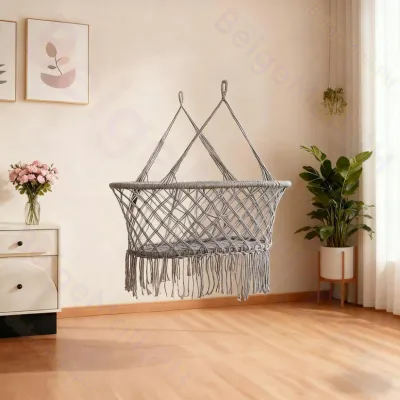
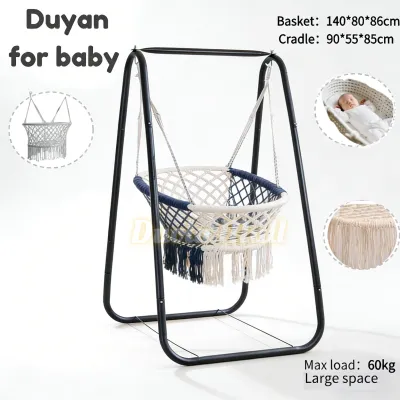
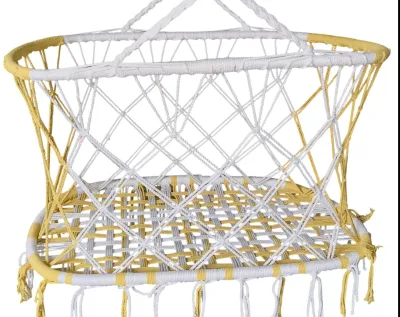
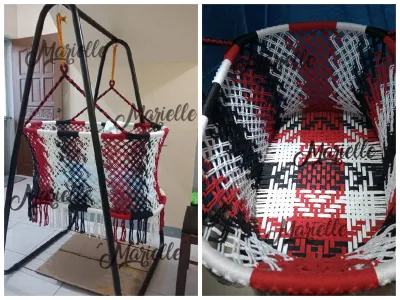
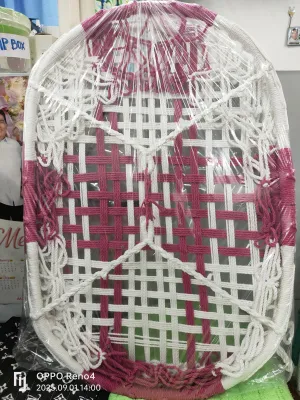
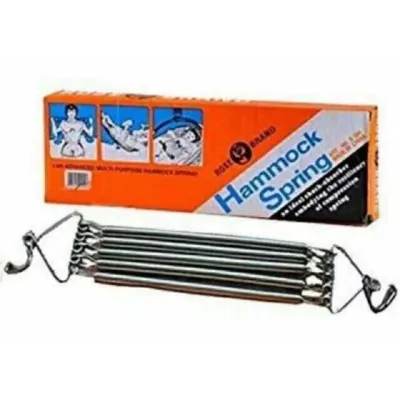
Prices are valid at publication and may change. Please refer to the product page for the latest price.
Why Medical Guidelines Advise Against Hammocks for Sleep
To understand why medical professionals advise against using a duyan for infant sleep, it is helpful to look at how a baby’s body interacts with a flexible hammock. Newborns have very different physical proportions and muscle development compared to older children and adults. Their heads are relatively heavy, accounting for a large portion of their total body weight, while their neck muscles are weak and undeveloped.
When a baby is placed in a curved, flexible hammock, their body naturally slumps into a C-shape. This curved posture causes the baby’s heavy head to tilt forward, pushing their chin down toward their chest. Because an infant’s airway is narrow and highly flexible, this chin-to-chest position can easily kink and compress the trachea. This condition, known as positional asphyxiation, restricts oxygen intake and can cause a baby to quietly suffocate without making a sound or showing signs of struggle.
In addition to positional asphyxiation, soft and uneven sleeping surfaces are heavily linked to an increased risk of SIDS. A firm mattress resists indentation, ensuring that a baby’s face remains clear of obstructions even if they turn slightly. In contrast, the fabric of a duyan is soft and conforms closely to the baby’s body, creating deep folds and pockets. If a newborn shifts their position, their face can press into the fabric, leading to carbon dioxide rebreathing or complete suffocation.
Furthermore, a flat, firm surface is critical for the healthy physical development of a newborn’s spine and hip joints. During the first few months of life, a baby’s bones are soft and their joints are highly pliable. Spending prolonged hours in a curved hammock does not provide the structural support needed for natural spinal alignment and hip socket development. Pediatricians emphasize that a flat surface allows the baby to stretch, align their spine naturally, and develop the core strength necessary for future milestones.
These anatomical and physiological needs are universal. Every newborn, regardless of cultural practices or historical precedents, has the same fragile airway and developing skeletal system that requires a safe, flat environment.
Specific Safety Risks of Traditional Cloth Duyans
While general guidelines warn against all baby hammocks, traditional cloth duyans present specific physical and environmental hazards that are particularly relevant in a local household setting.

Airway Restriction and Fabric Entrapment
Traditional duyans are often DIY creations made from blankets, bedsheets, or long pieces of fabric tied to ropes. Because these materials are loose and flexible, they do not maintain a consistent shape. When a baby is placed inside, their weight pulls the fabric inward, wrapping the cloth tightly around them.
This creates a high risk of fabric entrapment. If the baby shifts or rolls slightly, the loose folds of fabric can easily drape over their nose and mouth. Because newborns lack the motor control and strength to push fabric away or turn their heads, they can quickly become trapped in a suffocating pocket of cloth.
Fall Hazards and Structural Failures
The safety of a traditional duyan depends entirely on the strength of its suspension system. In many homes, these hammocks are hung using ropes tied to wooden rafters, window frames, or metal hooks screwed into the ceiling. Over time, constant swinging, humidity, and the increasing weight of the growing baby can wear down these components.
Friction can cause ropes to fray, knots to slip, and hooks to pull loose from wooden beams. A structural failure can cause the duyan to drop suddenly to the floor. Because many homes have hard flooring, such as concrete, ceramic tile, or hardwood, a fall from even a moderate height can result in severe head injuries, skull fractures, or broken bones. Additionally, if the hammock is hung near walls or furniture, a swinging baby can suffer secondary impact injuries.
Overheating in Tropical Climates
The climate of the Philippines is characterized by high temperatures and high humidity, especially during the dry season. When a baby is placed inside a deep cloth duyan, the layers of fabric wrap closely around their body, trapping warm air and restricting ventilation.
This lack of airflow can cause the baby’s body temperature to rise rapidly. Overheating is a well-documented risk factor for SIDS, as it can cause an infant to fall into an unnaturally deep sleep from which they cannot easily wake. It also leads to severe heat rash and dehydration, causing distress and discomfort that can impact the baby’s overall well-being.
How to Use a Duyan Safely for Soothing and Play
Many Filipino parents value the duyan for its ability to calm a colicky or fussy baby when other methods fail. If you choose to use a duyan in your home, it is essential to follow strict safety protocols to minimize risks.
The Golden Rule: Awake and Supervised Only
The most critical safety rule is that a duyan must only be used when the baby is awake and under the continuous, active supervision of an adult. Active supervision means that you are in the same room, fully awake, and keeping your eyes on the baby at all times.
It is highly unsafe to leave a baby in a duyan while you step away to do chores in another room, take a shower, or sleep. Caregiver fatigue is a major factor in sleep-related accidents; if you feel yourself getting drowsy, immediately transfer the baby to a safe, flat sleeping space. Limit duyan sessions to short periods of 10 to 15 minutes to soothe a crying spell, and then move the baby to a crib or play mat.
Inspecting the Setup and Hardware
If you set up a duyan for supervised waking use, perform a thorough safety inspection before every use:
- Examine the fabric: Check the cloth for any signs of wear, thinning, ripped seams, or loose threads that could wrap around the baby's fingers, toes, or neck.
- Verify the suspension: Ensure that ropes are made of high-quality, durable materials and that all knots are tied securely. Avoid using makeshift ropes or thin cords.
- Anchor securely: If mounting the hammock to a ceiling or beam, use heavy-duty eye bolts designed to support dynamic weight. Never hang a duyan from simple nails, light hooks, or temporary fixtures.
- Keep it low: Adjust the ropes so that the lowest point of the hammock is only a few inches above the floor. This minimizes the distance of a potential fall.
- Cushion the ground: Place a thick, flat play mat or foam tiles directly underneath the duyan to provide a soft landing surface in case of an accidental fall.
- Maintain tension: Adjust the fabric so that it is pulled relatively taut, reducing the depth of the pocket and preventing the baby from sinking too deeply into the cloth.
Knowing When to Retire the Duyan
Babies grow and develop new physical skills rapidly. The duyan is only temporarily suitable for very young infants who cannot yet move independently.
As soon as your baby shows any signs of rolling over, pushing up on their hands and knees, or attempting to sit up, you must stop using the duyan immediately. A baby who can roll or push up can easily shift their weight, causing the hammock to tip over or spin, resulting in a fall or severe entrapment within the fabric folds.
Building a Safe Sleep Space for Your Newborn
To ensure your newborn sleeps safely during naps and nighttime, it is essential to establish a dedicated, modern sleep environment that meets current safety standards.
The ABCs of Safe Sleep
Pediatricians recommend following the basic “ABCs” of safe sleep for every sleep session:
- A – Alone: The baby should sleep in their own designated space. Keep the sleep area completely clear of soft objects, including pillows, blankets, stuffed toys, bumper pads, and positioners.
- B – Back: Always place your baby on their back to sleep. This position keeps their airway fully open and significantly reduces the risk of SIDS.
- C – Crib: The baby should sleep in a safety-approved crib, cot, or bassinet with a firm, flat mattress covered only by a tight-fitting sheet.
Choosing the Right Sleep Surface
When selecting a crib or bassinet, look for products that comply with recognized safety standards. The mattress must be firm enough that it does not conform to the shape of your baby’s head or body.
Ensure there are no gaps between the edge of the mattress and the crib frame. A gap wider than two fingers poses a risk of entrapment, where a baby’s head or limbs could become stuck. Avoid adding extra padding or soft toppers to the mattress, as a firm surface is the safest option.
Managing Temperature Safely
In a warm, tropical climate, keeping your baby comfortable without using loose blankets is simple. Dress your baby in lightweight, breathable cotton clothing, such as a short-sleeved onesie or a light swaddle wrap.
Instead of loose blankets, which can easily slide up and cover the baby’s face, consider using a wearable sleep sack designed for warm weather. Keep the room well-ventilated with a fan or air conditioner, ensuring that the air current does not blow directly onto the baby’s sleep space.
Transitioning from Duyan to Crib
If your baby is accustomed to the swaying motion of a duyan, they may initially find it difficult to settle on a flat, stationary crib mattress. Transitioning your baby to a crib requires patience and consistency.
Start by establishing a calming bedtime routine, such as a warm bath, a gentle massage, and quiet singing. Soothe the baby by gently rocking or swaying them in your arms until they are calm and drowsy. Before they fall completely asleep, gently lower them onto their back in the crib. You can place a reassuring hand on their chest for a few moments to help them settle into the stationary space.
Frequently Asked Questions (FAQ)
Can I use a duyan once my baby can roll over?
No, you must stop using a duyan immediately once your baby shows signs of rolling over. A baby who can roll can easily turn themselves over inside the hammock. Because the fabric is soft and the sides are curved, the baby can become trapped face-down, making it extremely difficult for them to roll back or clear their airway. This creates an immediate risk of suffocation and can also cause the hammock to tip over, leading to a dangerous fall.
Are commercial baby hammocks with stands safer than traditional ones?
While commercial baby hammocks with metal stands may offer better structural stability and reduce the risk of ceiling-hook failure, they do not eliminate the primary safety hazards. The sleeping surface of these products is still soft, curved, and flexible, which means they do not provide the flat, firm surface required for safe sleep. Therefore, commercial baby hammocks with stands are still not recommended for unsupervised sleep or naps, and should only be used for supervised waking play.
Will a duyan help my baby sleep longer at night?
The rhythmic rocking motion and cocoon-like feel of a duyan can help soothe a fussy baby and help them fall asleep. However, using a duyan for prolonged nighttime sleep is highly unsafe. The risks of positional asphyxiation, SIDS, and accidental falls during the night far outweigh any temporary benefit of longer sleep. To protect your baby, always prioritize a safe, flat, and firm sleep environment for all sleep sessions, especially overnight.
Community discussion
Share your experience or ask a question. Comments are reviewed before publication.