
Choosing the right toy organizer rack for kids involves understanding how your child’s developmental stage dictates their interaction with their environment. In a nursery, the ideal storage solution shifts dramatically as an infant grows into an active toddler. While parents require secure, out-of-reach storage to manage baby items safely, toddlers need low-profile, highly accessible shelves that encourage independent play and cleanup. Selecting the correct setup not only keeps the nursery organized but also supports your child’s physical and cognitive milestones while ensuring a safe environment.
Quick Answer: Babies vs. Toddlers Toy Storage Needs
The fundamental difference between baby and toddler toy storage lies in who is primarily using the organizer. For infants, the storage system is managed entirely by parents. The focus during this stage is on keeping items clean, preventing dust accumulation, and ensuring that small parts or choking hazards remain completely out of reach. Baby organizers prioritize high-profile shelving, secure cabinets, and closed bins that adults can easily access while keeping the baby’s environment safe and clutter-free.
In contrast, toddler toy storage is designed for child-led interaction. As children develop mobility and a desire for autonomy, their storage must transition to a low-profile, open-access format. Toddler organizers prioritize low heights, open bins, and visual cues that allow the child to see, select, and return toys independently. This setup fosters self-reliance, cognitive sorting skills, and early habits of tidying up, turning organization into an interactive part of their daily routine.
Products mentioned in this guide
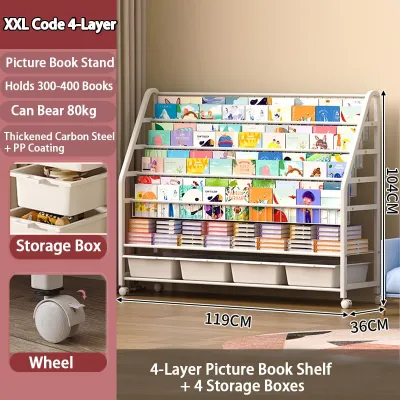
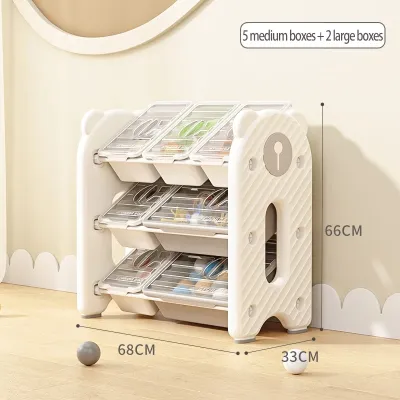
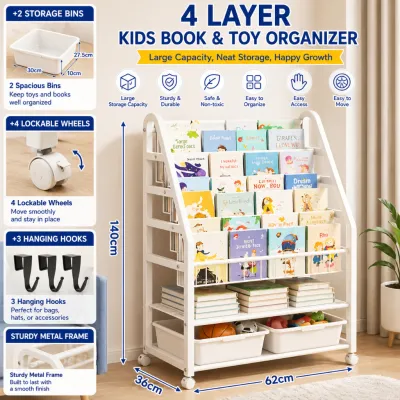
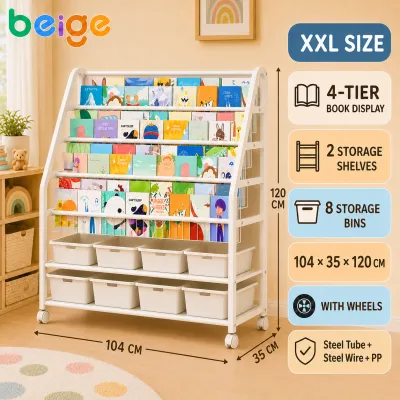
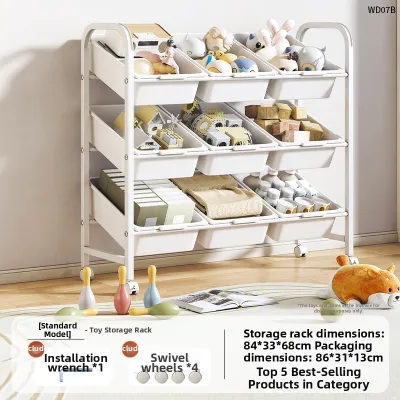
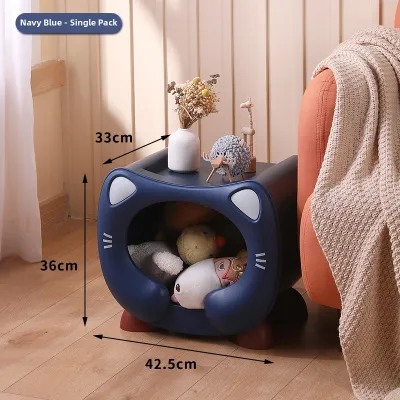
Prices are valid at publication and may change. Please refer to the product page for the latest price.
What to Look for in a Baby Toy Organizer Rack
When setting up a nursery for a baby, your primary goals are safety, adult accessibility, and hygiene. Because infants cannot clean up after themselves, the organizer serves as a tool for parents to maintain order and keep hazardous items out of the baby’s play zone.

Height and Reach
During the first year, babies progress rapidly from rolling to crawling and pulling themselves up to stand. Any low, open shelves can quickly become a hazard if they contain small toys, older sibling’s playthings, or items with small batteries. Selecting a taller organizer rack or utilizing wall-mounted shelving keeps these objects safely out of reach. This configuration allows you to store baby essentials, such as lotions, diapering supplies, and small rattles, at a comfortable height for adults while keeping the floor area completely clear for safe tummy time.
Material and Build
As babies learn to stand, they will naturally use stable surfaces to pull themselves up. A baby nursery organizer must feature a heavy-duty, stable frame that will not wobble or slide under sudden weight. Look for solid wood or thick, high-grade plastic frames with a wide base. It is essential to choose units with smooth, rounded corners and flush-mount hardware to prevent scratches or bumps as your baby practices navigating the room.
Bin Security
Infants are highly susceptible to dust and allergens, making clean toy storage a priority. Deep bins, drawers with secure latches, or cabinets with doors help protect plush toys and teethers from settling dust. Secure bins also prevent items from accidentally spilling onto the floor, where they could collect dirt or become tripping hazards for parents carrying a sleeping baby.
Climate Considerations
In the tropical climate of the Philippines, high humidity levels present a constant challenge for nursery storage. Fabric bins, canvas drawers, and untreated wood can easily trap ambient moisture, creating a breeding ground for mold and mildew. When selecting a baby organizer, look for moisture-resistant materials such as treated timber, high-density polyethylene (HDPE) plastics, or breathable, machine-washable fabrics. Ensure the unit’s design allows for adequate airflow around the stored toys, and establish a routine of wiping down surfaces to keep the nursery hygienic. During the rainy season, when indoor humidity peaks, using a dehumidifier in the nursery or checking stored items weekly can prevent moisture damage.
What to Look for in a Toddler Toy Organizer Rack
As your child enters the toddler stage, their storage needs shift from parent-managed safety to child-led accessibility. The right organizer should empower your toddler to explore their environment and take responsibility for their belongings.
Height and Accessibility
To foster independence, a toddler toy organizer rack for kids must be low-profile, typically standing under 3 feet (approximately 90 centimeters) tall. This height ensures that your child can easily view, reach, and return toys from the top shelf without needing to climb or ask for assistance. When children can access their toys safely on their own, they are more likely to engage in focused, self-directed play.
Open Shelving and Visual Cues
Toddlers process their world visually and can easily become overwhelmed by deep, cluttered toy boxes where items are buried. Open shelving, angled bins, and forward-facing book displays make toys visible at a glance, which sparks interest and reduces frustration. You can enhance this setup by labeling bins with clear pictures or simple color codes. This visual system helps toddlers understand where each item belongs, transforming cleanup into an engaging matching game that builds early cognitive sorting skills.
Weight and Stability
Toddlers are still developing their gross and fine motor skills, meaning they will frequently drop or drag containers. Choose lightweight storage bins made of soft canvas or flexible, impact-resistant plastic that will not cause injury if dropped on little toes. While the bins themselves should be light, the outer frame must remain exceptionally sturdy and securely anchored to the wall to withstand the enthusiastic pushing and pulling of an active toddler.
Ease of Maintenance
Toddlerhood is synonymous with messy play, sticky fingers, and occasional spills of water, juice, or art supplies. A practical toddler organizer must be exceptionally easy to clean and sanitize. Look for removable bins that can be taken directly to the sink for a quick wash with mild soap and water. Avoid complex designs with deep crevices where crumbs, dust, or moisture can accumulate, and prioritize smooth, non-porous surfaces that can be wiped clean in seconds.
Recommended Toy Organizer Types by Developmental Stage
Understanding the specific types of organizer racks available helps you select a model that fits your nursery layout and aligns with your child’s developmental milestones.
Best Rack Types for Babies (Parent-Managed Storage)
For the baby stage, look for storage types that prioritize vertical space and secure containment:
- Multi-tier shelving units with secure doors: These units allow you to keep decorative nursery items or delicate keepsakes on the upper shelves, while storing everyday baby essentials behind closed doors on the lower levels.
- Over-the-door organizers: Perfect for smaller nurseries or apartments, these hanging organizers utilize unused vertical space on closet or bedroom doors. Positioned high up, they keep diapers, wipes, and grooming kits safely out of a crawling infant's reach.
- Tall cube storage systems with deep fabric drawers: These systems provide a clean, modern aesthetic. Parents can utilize the top rows for items requiring adult supervision, leaving the bottom rows empty or filled with large, soft plush toys that pose no safety risks.
Best Rack Types for Toddlers (Child-Led Storage)
For the toddler stage, transition to open, low-profile designs that encourage interaction:
- Front-facing book and toy display racks: Instead of showing only the spines, these racks display the colorful covers of books and the fronts of toys. This visual presentation naturally draws a toddler's attention and encourages early reading and play.
- Low wooden toy boxes with slow-close safety hinges: If you prefer a classic toy chest, ensure it features a low profile and specialized safety hinges. These hinges prevent the heavy lid from slamming down on small fingers and hold the lid open at any angle.
- Slatted bin organizers with removable plastic tubs: These highly popular units feature a sturdy frame with angled slats that hold lightweight, removable plastic bins. Toddlers can easily carry a single bin of blocks or cars to their play mat and slide it back into the frame when playtime is over.
Transitional Racks That Grow With Your Child
If you prefer a long-term investment that adapts as your child grows, consider versatile, transitional designs:
- Modular cube systems: These systems consist of individual interlocking cubes that can be reconfigured over time. You can stack them vertically during the baby stage to keep items out of reach, and later arrange them horizontally as a low, wide credenza when your child reaches toddlerhood.
- Adjustable shelving units: Racks featuring adjustable shelf heights allow you to customize the layout. You can start with shelves positioned higher up for parent-managed storage, and gradually lower them as your child grows taller and gains the coordination to manage their own toys.
Nursery Safety and Installation Checklist
Regardless of the style or material of the toy organizer rack for kids you select, safety must remain your absolute priority during assembly and daily use.
Anti-Tip Anchoring
The most critical safety step when installing any nursery furniture is securing it to the wall. Toddlers are natural climbers and may attempt to use shelves as a ladder to reach a coveted toy, which can lead to severe tip-over accidents. In many homes in the Philippines, walls are constructed from concrete or concrete hollow blocks. Standard drywall anchors are insufficient for these surfaces. You must use appropriate masonry plugs (commonly referred to as tox plugs) and heavy-duty screws to secure the anti-tip straps or brackets directly into the concrete wall.
Hardware and Edge Checks
During assembly, carefully inspect every component of the organizer rack. Verify that there are no exposed screws, sharp metal edges, or peeling laminates that could scratch sensitive skin. If the manufacturer includes plastic screw covers or caps, ensure they are tightly fitted or omit them entirely if they present a loose fit, as these small parts can easily become choking hazards if detached by curious fingers.
Weight Distribution
Proper weight distribution is essential for maintaining the stability of any shelving unit. Always place your heaviest items, such as large wooden building blocks, heavy board books, or bulky toy vehicles, in the bottom bins or on the lowest shelf. This practice keeps the unit’s center of gravity low, significantly reducing the risk of the rack tipping forward even if a child pulls on the upper shelves.
Safety Certifications and Materials
When purchasing any furniture for a nursery, it is crucial to verify the safety certifications of the materials used. Look for products that specify the use of non-toxic, lead-free paints, food-grade plastics (such as BPA-free polypropylene), and formaldehyde-free engineered wood. Always review the manufacturer’s product documentation to confirm compliance with international safety standards, and avoid items that emit strong chemical odors upon unboxing.
Manufacturer Verification
Before purchasing and assembling your organizer, always read the manufacturer’s documentation, age recommendations, and maximum weight limits. Never exceed the specified load capacities for individual shelves or bins. Regularly inspect the rack for signs of wear, loose joints, or structural instability. If you notice any damage or if the frame begins to wobble, stop using the organizer immediately and consult the manufacturer or a qualified professional for repair or replacement options.
Frequently Asked Questions (FAQ)
How do I stop my toddler from climbing the toy rack?
To prevent climbing, always start by securely anchoring the organizer rack to the wall using heavy-duty anti-tip hardware. To remove the temptation to climb, place your child’s absolute favorite toys on the floor or on the lowest, most accessible shelves, keeping less popular or supervised items higher up. If your toddler continues to climb, consider transitioning to a wide, ultra-low-profile storage design that lacks horizontal slats or shelves that can be used as footholds.
Are fabric bins better than plastic bins for toddlers?
Both materials offer distinct advantages depending on your nursery environment and storage needs. Fabric bins are lightweight, soft, and less likely to cause injury if dropped on a child’s foot, making them excellent for storing soft plush toys or blankets. However, in humid conditions, fabric can absorb moisture and odors, and it is more difficult to sanitize if stained. Plastic bins are highly durable, resistant to moisture, and can be easily wiped clean or washed in the sink, making them ideal for storing art supplies, building blocks, or plastic figures. Always check the manufacturer’s care instructions to ensure the material fits your cleaning routine.

Community discussion
Share your experience or ask a question. Comments are reviewed before publication.