
Selecting the right toy storage organizer for a baby room in the Philippines requires balancing child safety, developmental needs, and the realities of a tropical climate. As your baby transitions from a newborn to an active toddler, their playthings will multiply, shifting from soft plush toys to complex building sets. A well-designed storage system does more than just clear floor clutter; it fosters independence, protects your investment in toys, and ensures your nursery remains a safe, hygienic environment.
In the Philippine context, parents must navigate specific environmental and structural factors. High humidity levels can promote mold growth on porous materials, while typical home construction—often featuring solid concrete walls—requires specific installation methods for heavy furniture. By understanding the safety standards, material limitations, and developmental stages of your child, you can select a storage system that serves your family safely for years.
Essential Safety and Functional Features to Look For
When choosing furniture for a nursery, safety must always take precedence over aesthetics. Children are naturally curious and will use shelves, bins, and drawers as climbing structures as they learn to stand and walk. Evaluating the physical design and material composition of any organizer before bringing it into your home is a vital first step.
Products mentioned in this guide
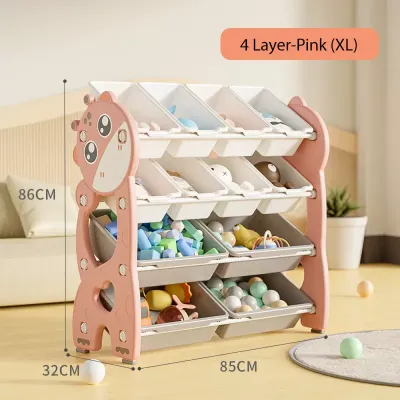
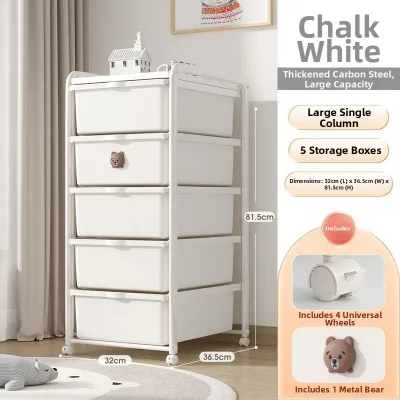
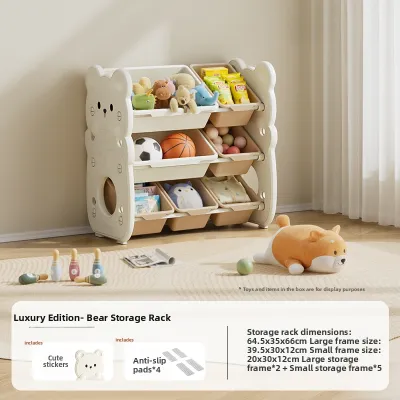
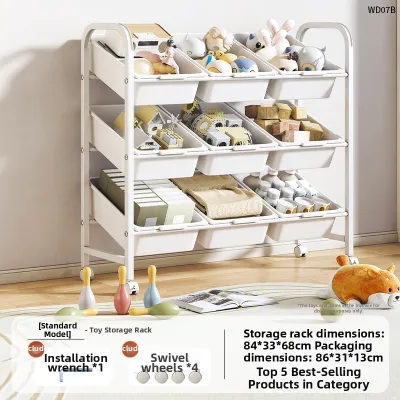
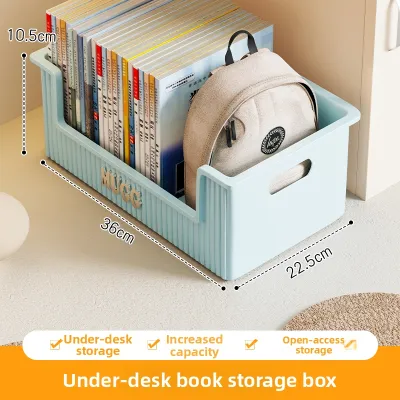
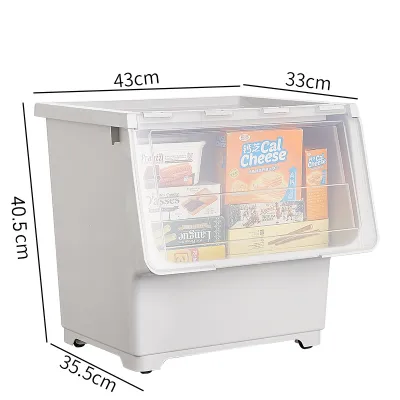
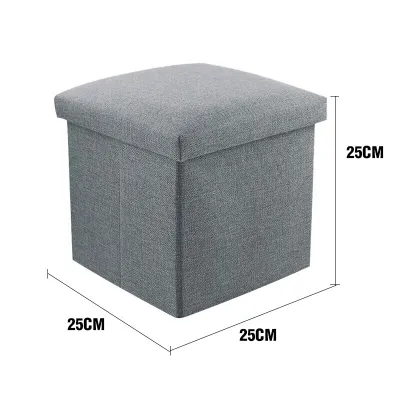
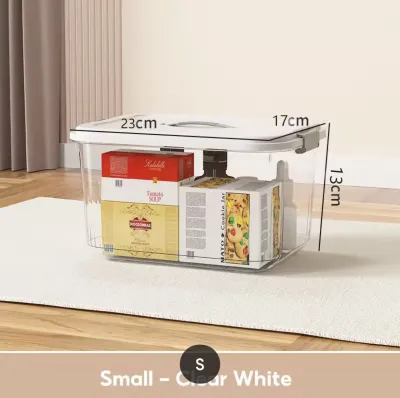
Prices are valid at publication and may change. Please refer to the product page for the latest price.
Tip-Over Prevention
Furniture tip-overs pose a serious hazard in the nursery. Any tall shelving unit, bookcase, or drawer system must be securely anchored to the wall. In many Philippine homes, walls are constructed from concrete hollow blocks (CHB) or solid concrete rather than drywall. This means standard wood screws or simple drywall anchors will not suffice.
To secure your storage units safely, you must use masonry anchors (commonly referred to locally as expansion plugs or “tox” screws) designed to grip concrete. Always follow the manufacturer’s instructions for installing anti-tip kits. If your storage unit does not come with wall-anchoring hardware, purchase a heavy-duty furniture strapping kit separately. Test the stability of the unit after installation by applying gentle downward and outward pressure to ensure it cannot tip forward.
Material Safety and Certification
Babies explore their world with their mouths, making the chemical safety of nursery furniture a critical consideration. Look for organizers made from non-toxic, lead-free materials. If you are purchasing painted or varnished wooden units, verify that the finishes are certified safe and free from heavy metals.
For plastic bins and trays, check that the manufacturer explicitly labels the products as BPA-free, phthalate-free, and PVC-free. Additionally, inspect physical construction details: wooden units should have smooth, splinter-free surfaces and rounded corners to prevent cuts and bruises during active play. Avoid units with exposed hardware, sharp metal brackets, or rough plastic seams.
Lid and Hinge Safety
Traditional toy chests with heavy, free-falling lids present a severe risk of trapping fingers or, in worst-case scenarios, suffocating a child who climbs inside. If you choose a storage unit with a lid, ensure it features a safety hinge or a soft-close tension damper. These specialized hinges prevent the lid from slamming shut, holding it open at any angle until gently pushed down.
Alternatively, opt for open-bin systems or lightweight, removable fabric lids that pose no physical risk. Any closed chest or large storage box should also feature ventilation holes or cut-out handles that allow air to circulate freely, ensuring safety if a child climbs inside during a game of hide-and-seek.
Accessibility Balance
An effective nursery storage plan balances parent convenience with toddler independence. Design your storage layout with two distinct zones: an upper zone and a lower zone.
- The Upper Zone (Out of Reach): Use high shelves or wall-mounted cabinets to store items requiring adult supervision, such as art supplies, toys with small parts, sensory bins, or heavy wooden playsets. This keeps hazards out of reach while keeping the nursery tidy.
- The Lower Zone (Accessible): Keep lightweight, safe items like plush toys, board books, and soft fabric blocks on low shelves or in open floor bins. This allows your child to choose their toys independently and assists in teaching them to put items away when playtime is over.
Best Types of Toy Storage Organizers for a Nursery
No single storage type fits every toy category. A combination of different organizer styles usually provides the most practical and visually appealing solution for a growing child’s room.

Soft Fabric Bins and Canvas Baskets
Soft fabric bins and canvas baskets are excellent introductory storage options for an infant’s nursery. These lightweight containers are highly versatile and fit easily into standard cubby shelves or stand alone in room corners.
- Best Use Cases: Ideal for storing plush toys, large soft building blocks, baby blankets, and dress-up clothes.
- Safety Benefits: Because they have no hard edges or heavy lids, fabric bins pose virtually zero risk of injury. If a toddler pulls a fabric bin off a low shelf onto themselves, the lightweight material will not cause harm.
- Limitations: Fabric bins lack structural rigidity. If they are overloaded with heavy items, they will sag, lose their shape, and wear out prematurely. They are also unsuitable for holding tiny toy parts, which can easily get lost in the corners or escape through loose seams.
Open Wooden Shelving with Removable Trays
Often associated with Montessori educational principles, open wooden shelving units with low, accessible compartments encourage self-directed learning and order.
- Developmental Benefits: By displaying a limited selection of toys clearly at eye level, these shelves help infants and toddlers focus on one activity at a time without feeling overwhelmed by a mountain of cluttered toys.
- Design Features: Look for sturdy, low-profile wooden units with wide bases. Removable plastic or wooden trays can be placed on these shelves, allowing you or your child to carry an entire activity set to a play mat and return it easily when finished.
- Safety Reminder: Because these units are highly tempting for toddlers to climb, they must be anchored to the wall. Ensure the shelves are deep enough to prevent trays from sliding off accidentally.
Lidded Plastic Storage Boxes
Plastic storage boxes with secure lids are essential for maintaining order as your child’s toy collection grows to include sets with multiple small components.
- Best Use Cases: Excellent for organizing building bricks, puzzles, craft supplies, and matching games.
- Climate Benefits: In the Philippines, where dust and high humidity are constant challenges, lidded plastic boxes protect toys from environmental degradation, pests, and ambient moisture. Clear plastic designs allow you to identify the contents without opening every box.
- Safety Considerations: Store lidded boxes containing small parts on higher shelves out of reach of younger siblings who might swallow small pieces. Ensure the lids are lightweight and easy for an adult to secure, but not so tight that a child might injure their fingers trying to pry them open.
Space-Saving Hanging and Door Organizers
When floor space is limited, particularly in urban condominiums or smaller bedrooms, utilizing vertical space is a highly effective strategy.
- Best Use Cases: Over-the-door pocket organizers, wall-mounted fabric pouches, or hanging mesh baskets work beautifully for storing small items like baby rattles, bath toys, pacifiers, and grooming essentials.
- Benefits: These systems keep daily essentials off the floor and at eye level for parents, maximizing the available play area in the room.
- Installation Tips: Ensure that over-the-door hooks do not damage the door frame or prevent the door from closing fully. Verify the weight capacity of hanging organizers; overloading them can strain door hinges or wall anchors. Never hang these organizers directly over a crib or changing table where items could fall on your baby.
Adapting Storage to Your Child’s Developmental Stage
Your storage needs will evolve rapidly during your child’s first three years. Designing a flexible system saves money and reduces the need to purchase new furniture as your child grows.
Infants (0-12 months)
During your baby’s first year, toy storage is primarily for the caregiver’s convenience. Infants do not yet clean up after themselves, and their toys are relatively simple.
- Focus on Accessibility for Parents: Keep changing supplies, swaddles, and frequently used rattles in high-level organizers or closed drawers where you can reach them easily while keeping one hand on your baby.
- Soft Floor Storage: Place a few soft canvas baskets on the floor near your play mat for quick cleanups of plush toys and tummy-time mirrors. Keep heavy toys or items with small parts completely out of the nursery space.
Toddlers (1-3 years)
As your child enters the toddler stage, they begin to develop fine motor skills and a desire for independence. This is the ideal time to transition to a child-centric storage layout.
- Low-Level Access: Shift primary toys to low, open shelves. Replace deep, disorganized toy chests with shallow, open bins where toys are visible and easy to reach.
- Visual Labeling: Help your toddler learn sorting and cleanup routines by using visual cues. Attach photos or simple drawings of the toys (such as a picture of blocks or cars) to the front of each bin. This visual guide empowers them to participate in cleaning up independently.
Toy Rotation Strategy
To prevent sensory overload and keep your child engaged, implement a toy rotation system. Instead of keeping every toy your child owns in the nursery, divide the collection into groups.
- Active Selection: Keep only a small, curated selection of toys (around 6 to 10 items) on the accessible low shelves.
- Deep Storage: Store the remaining toys in lidded plastic bins in a closet or high cabinet out of sight.
- The Rotation: Every week or two, swap the active toys with items from your deep storage. This rotation keeps the toys feeling fresh and exciting, reduces clutter, and makes daily cleanup much faster for both you and your child.
Maintaining Toy Storage in a Humid, Tropical Climate
In the humid, tropical environment of the Philippines, maintaining your nursery storage is vital for preventing the growth of mold, mildew, and bacteria. High relative humidity can quickly ruin wood and fabric if proper precautions are not taken.
Mold and Mildew Prevention
Mold spores thrive in warm, damp, and unventilated spaces. To protect your child’s health and preserve your storage furniture, implement these preventive measures:
- Air Circulation: Ensure the nursery is well-ventilated. Use ceiling fans or standing fans to keep air moving, especially during the rainy season. If you use an air conditioner, run a dehumidifier function occasionally to extract excess moisture from the air.
- Furniture Placement: Avoid placing wooden shelving units directly flush against exterior concrete walls. Exterior walls can absorb heat and moisture from the outside, creating a damp microclimate behind furniture. Keep a gap of at least two to three inches between the wall and the furniture to allow proper airflow.
- Moisture Absorbers: Place child-safe silica gel packets or moisture-absorbing canisters inside closed closets or high cabinets. Ensure these are placed strictly out of reach of children, as they pose a ingestion hazard.
Cleaning Routines
Establish a regular sanitization schedule to keep storage bins clean and hygienic.
- Plastic Bins: Wipe down plastic storage trays weekly using a mild, baby-safe disinfectant or a solution of warm water and gentle dish soap. Allow them to air-dry completely in a well-ventilated area before returning toys to them.
- Fabric Bins: Check the manufacturer's care label on fabric and canvas inserts. Spot-clean stains with a damp cloth and mild baby laundry detergent. If the bins are machine-washable, wash them on a gentle cycle.
- Sun-Drying: Take advantage of dry, sunny days to place fabric bins and wooden trays outdoors in direct sunlight for a few hours. Natural UV rays are highly effective at killing mold spores and eliminating musty odors.
Hardware Inspection
Temperature and humidity fluctuations can cause wood to expand and contract, which can loosen screws and hardware over time. Periodically inspect your storage units to ensure their structural integrity:
- Check wall anchors and brackets quarterly to confirm they remain securely embedded in the wall.
- Tighten any loose screws on hinges, drawer slides, or shelf supports.
- Inspect wooden joints for signs of warping or splitting, which can compromise the safety of the unit.
Where to Shop for Nursery Storage in the Philippines
Finding high-quality nursery storage in the Philippines involves exploring a mix of local physical showrooms and online platforms. Each shopping avenue offers distinct advantages depending on your budget and timeline.
Online Marketplaces and E-Commerce Platforms
Online marketplaces offer an extensive selection of toy organizers, ranging from budget-friendly plastic cubbies to imported wooden shelving.
- Verify Dimensions: Photos on e-commerce product pages can be visually misleading. Always read the detailed product description and use a tape measure to map out the exact dimensions in your nursery before purchasing.
- Analyze Reviews: Look for customer reviews that include real photos and videos. Pay close attention to feedback regarding material thickness, ease of assembly, and any chemical odors upon unboxing.
- Check Seller Ratings: Purchase from reputable, highly-rated official brand stores or preferred sellers to ensure you receive genuine products and reliable customer service.
Local Baby Specialty Shops and Furniture Showrooms
For larger, long-term furniture investments, visiting local physical showrooms is highly recommended.
- In-Person Inspection: Visiting a store allows you to physically test the sturdiness of the furniture, examine the quality of the wood finish, and test safety hinges yourself. You can verify that there are no sharp edges or flimsy joints.
- Expert Advice: Showroom staff can provide detailed information on material certifications and recommend specific products suitable for nursery environments.
Delivery and Assembly
Before finalizing your purchase, clarify the logistics of delivery and setup:
- Assembly Requirements: Many flat-packed wooden organizers require self-assembly. Confirm if the necessary tools are included or if you will need your own screwdrivers and hammer.
- Wall-Anchoring Hardware: Verify if the furniture includes an anti-tip kit. If not, purchase a compatible kit separately before the furniture arrives.
- Professional Installation: For heavy wooden units, inquire if the retailer offers professional delivery and assembly services. Having experienced technicians assemble and anchor the furniture ensures maximum safety and peace of mind.
Frequently Asked Questions (FAQ)
How do I safely anchor tall toy shelves to the wall?
To anchor toy shelves safely, you must first identify your wall type. For concrete or masonry walls, which are standard in the Philippines, use a hammer drill to create holes, insert plastic expansion plugs (tox), and secure the L-brackets or safety straps with compatible masonry screws. For drywall or plasterboard walls, locate the wooden studs behind the wall using a stud finder and screw the anchoring hardware directly into the studs. Never rely on standard drywall anchors for heavy furniture. Always follow the manufacturer’s specific instructions, use the provided anti-tip safety kits, and test the unit’s stability by pulling firmly on the top of the shelf before allowing your child near it.
What is the best way to sanitize fabric storage bins?
Always check the manufacturer’s care label first, as some canvas bins feature cardboard or plastic inserts that cannot be submerged in water. For non-washable bins, spot-clean dirty areas using a soft microfiber cloth dampened with warm water and a mild, baby-safe laundry detergent. For washable fabric bins, launder them on a gentle cycle with baby detergent. To prevent mold and mildew growth—particularly in humid tropical climates—it is critical to dry the bins completely. Hang them in a sunny, well-ventilated outdoor area until they are bone-dry before placing them back on nursery shelves or filling them with toys.
Community discussion
Share your experience or ask a question. Comments are reviewed before publication.