
Brushing a two-year-old’s teeth can feel like a daily test of patience, especially under the warm, humid climate of the Philippines where sweet tropical fruits and starchy snacks are staples. At this age, your toddler is transitioning to a full set of primary teeth, making oral hygiene critical. However, because two-year-olds have not yet mastered the ability to spit, they swallow almost everything put on their toothbrush. This makes choosing the right toothpaste a matter of chemical safety rather than just flavor. Safe ingredients include mild abrasives like hydrated silica and natural humectants, while ingredients like Sodium Lauryl Sulfate (SLS), artificial dyes, and harsh preservatives must be strictly avoided.
Why Ingredient Safety Matters for 2-Year-Olds
At 24 months, a child’s swallowing reflex is still developing. When you brush their teeth, they treat the sweet-tasting paste as a snack. Toddlers can swallow up to 30% to 70% of the toothpaste applied to their brush. This means whatever ingredients are in the tube will enter their digestive system. Furthermore, a toddler’s oral mucosa—the delicate lining of their mouth—is highly sensitive and thin. Harsh chemicals can easily cause irritation, dryness, or allergic reactions. Their primary tooth enamel is also much thinner and softer than adult enamel, making it highly susceptible to both decay and abrasive physical damage.
Because toothpaste is a partially ingested product for toddlers, the formulation must be treated with the same scrutiny as food. Ingesting small amounts of toxic or highly concentrated chemicals daily can lead to systemic exposure over time. This exposure can manifest as stomach upset, chronic mouth irritation, or developmental dental issues. Therefore, selecting a toothpaste specifically formulated for young children who cannot yet rinse and spit effectively is paramount for their overall health.
Products mentioned in this guide
![[BUY 2 FREE 1] Colgate Kids Barbie Toothpaste - Strawberry Kids Ages 2-5 Anticavity Value Pack Pack of 3 40g](https://img.lazcdn.com/g/p/230310ea633993b10057650644d71016.png_400x400q80.png_.webp)
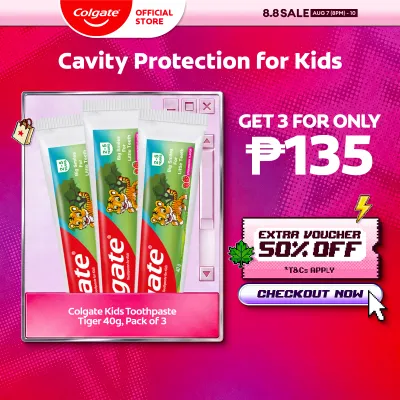
![[BUY 3 FREE 3] Colgate Anti-Cavity Kids (2-5 Years) Toothpaste Tiger Strawberry Flavour 40g Value Pack of 6](https://img.lazcdn.com/g/p/b7cec560a44d06f12febab44fa26461a.png_400x400q80.png_.webp)
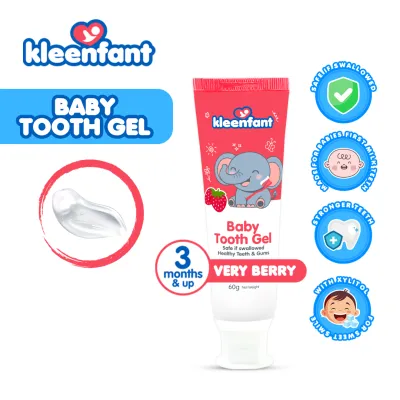
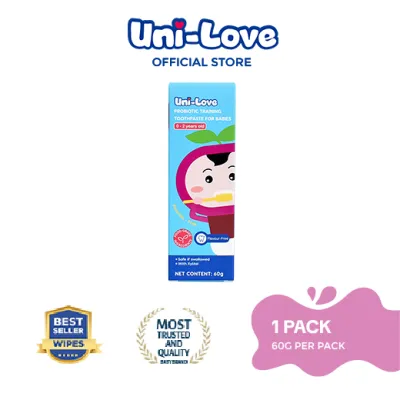
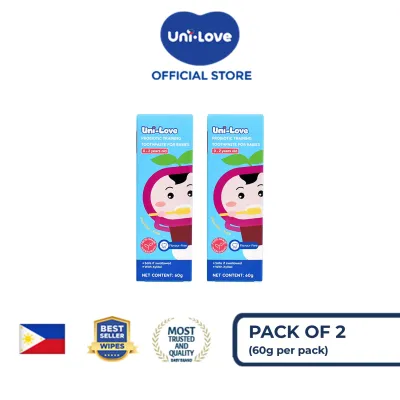
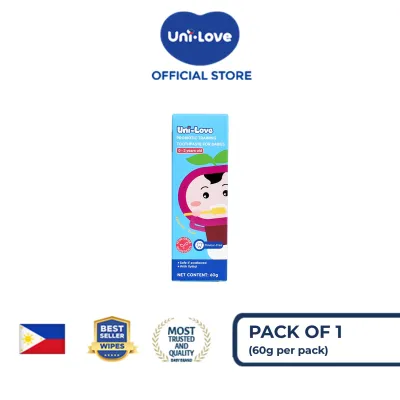
Prices are valid at publication and may change. Please refer to the product page for the latest price.
Safe Toothpaste Ingredients to Look For
When searching for a safe toothpaste for your two-year-old, you want to look for mild, non-toxic ingredients that clean effectively without posing a threat if swallowed. The primary goal of toddler toothpaste is to assist the toothbrush in mechanically removing plaque and food debris while keeping the experience pleasant for the child.

Mild Abrasives for Soft Enamel
Plaque is soft but sticky. To remove it safely from delicate baby enamel, toothpaste needs a very gentle abrasive. Hydrated silica and calcium carbonate in low, toddler-safe concentrations polish the teeth without scratching the enamel. These ingredients ensure that the mechanical action of brushing is effective without wearing down the protective outer layer of your child’s teeth.
Natural Humectants and Thickeners
These ingredients keep the toothpaste from drying out in tropical heat. Glycerin and sorbitol, derived from vegetable sources, provide a naturally sweet taste without causing cavities. Plant-derived binders like xanthan gum and cellulose gum give the paste its smooth texture, ensuring it stays on the toothbrush bristles during brushing.
Gentle Cleansing and Flavoring Agents
Instead of harsh foaming agents, safe toddler toothpastes use mild, coconut-derived cleansers like lauryl glucoside that do not irritate the gums. The flavoring should come from natural fruit extracts rather than synthetic chemicals. Opt for subtle flavors like mild strawberry or banana, and avoid overly sweet, candy-like profiles that actively encourage your child to swallow the paste.
Always check the exact formulation with a pediatric dentist to ensure it fits your child’s specific oral health needs. Every child’s dental development is unique, and a professional can provide tailored recommendations based on your toddler’s diet and genetics.
Ingredients to Avoid in Toddler Toothpaste
To protect your child’s developing mouth, you must actively filter out products containing harsh chemical compounds and unnecessary additives. Many commercial toothpastes contain ingredients designed for adult teeth that are far too aggressive for a two-year-old.
Sodium Lauryl Sulfate (SLS)
This is a common foaming agent used in adult toothpastes to create a rich lather. However, SLS is a known skin and mucosal irritant. In toddlers, it can cause painful canker sores, strip the protective oral mucosa, and increase mouth dryness. Because toddlers cannot rinse their mouths, any SLS left behind continues to irritate their sensitive tissues.
Harsh Abrasives and Whitening Agents
Avoid toothpastes containing highly abrasive charcoal, baking soda in high amounts, or coarse silica. These ingredients can permanently wear down thin baby enamel. Additionally, adult-strength whitening agents like hydrogen peroxide or carbamide peroxide must never be used on toddlers, as they can cause severe chemical burns to the gums and throat if swallowed.
Artificial Sweeteners, Preservatives, and Dyes
Saccharin, aspartame, parabens (such as methylparaben or propylparaben), and synthetic dyes (like Blue 1 or Red 40) offer no oral health benefits. They are added solely for shelf life and aesthetic appeal. Given that your toddler will swallow these ingredients, it is best to avoid exposing their developing organs to unnecessary synthetic chemicals.
Triclosan and Strong Antibacterials
Triclosan is an antibacterial agent sometimes added to adult formulations to fight gingivitis. However, it has been linked to endocrine disruption and is entirely unnecessary for toddlers. Avoid any toddler toothpaste that markets “long-lasting antibacterial protection” through chemical additives.
Fluoride vs. Fluoride-Free: Making the Right Choice
The debate between fluoride and fluoride-free toothpaste is one of the most common concerns for parents. There is no single “right” answer; instead, the choice should be based on your child’s individual risk factors and professional guidance.
The Role and Risks of Fluoride
Fluoride is highly effective at remineralizing tooth enamel and preventing early childhood caries. This is especially important in Filipino households where starchy staples like pandesal or sweet tropical fruits are regularly consumed. However, excessive fluoride ingestion during the first three years of life can lead to dental fluorosis. This condition affects the permanent teeth developing under the gums, causing white streaks, spots, or even pitting on the adult teeth when they eventually erupt.
When to Use Fluoride Toothpaste
If your pediatric dentist assesses your toddler as having a high risk of cavities—perhaps due to genetics, diet, or early signs of enamel demineralization—they may recommend using a fluoride toothpaste. When using fluoride for a two-year-old, it must contain a safe toddler concentration (typically 1000 ppm) and be applied in a strict “rice-grain” or “smear” size under direct adult supervision.
When to Choose Fluoride-Free Training Toothpaste
If your toddler has a low risk of cavities but consistently swallows 100% of the toothpaste, a fluoride-free training toothpaste is often the safer choice. This allows you to focus on mechanical plaque removal and establishing a solid brushing routine without the risk of systemic fluoride ingestion. Once your child learns to spit reliably, usually around age three, you can safely transition to a fluoride formulation.
How to Read Labels and Choose the Right Tube
Navigating the baby care aisle can be overwhelming. To ensure you are buying a product that is genuinely safe for your two-year-old, you must look past the colorful cartoon characters on the packaging and read the labels critically.
Check for Age-Specific Labeling
Do not grab any tube labeled “Kids.” Many kids’ toothpastes are formulated for children aged six and older, containing high levels of fluoride and SLS. Look specifically for “0-2 years,” “toddler,” or “baby” toothpaste. These formulations are specifically designed with lower abrasive levels and milder ingredients.
Scan the Active and Inactive Ingredients
Turn the tube over and read the fine print. Do not rely on front-of-pack marketing claims like “natural” or “organic.” A label that says “100% natural” can still contain potential allergens, high levels of abrasive baking soda, or strong essential oils (like tea tree or peppermint) that can be toxic or highly irritating to a toddler’s mouth. Verify that the product is SLS-free, paraben-free, and free of artificial dyes.
Verify Manufacturer Warnings and Instructions
Look for explicit usage instructions. Safe toddler toothpastes will clearly state the recommended amount (a smear) and emphasize the need for active adult supervision. If a toothpaste lacks clear instructions or contains vague warnings, it is best to choose a different brand.
Brushing Habits to Minimize Swallowing Risks
Choosing the right toothpaste is only half the battle; how you apply and use it is equally important in managing swallowing risks. By establishing safe brushing habits, you can protect your child’s health while keeping their teeth clean.
The "Rice-Grain" Smear Rule
For a two-year-old, you only need a smear of toothpaste the size of a single grain of rice. Do not squeeze a long ribbon across the brush. Press the tiny smear into the bristles rather than letting it sit on top; this prevents your child from simply licking the toothpaste off the brush before you even begin.
Positioning Your Toddler
Have your toddler sit or stand with their head tilted slightly forward. This allows gravity to pull excess saliva and toothpaste toward the front of the mouth, where you can easily wipe it away with a clean, damp washcloth (bimpo). Alternatively, you can cradle their head in your lap from behind, which gives you a clear view of their mouth and better control over the toothbrush.
Choose the Right Toothbrush
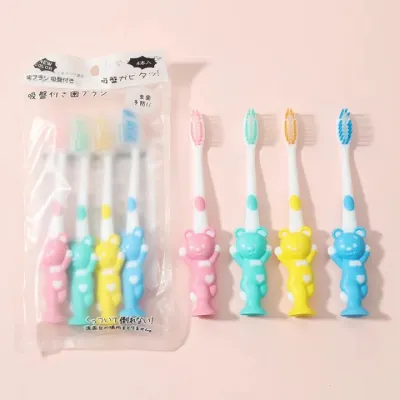
Use a toothbrush specifically designed for toddlers, featuring an ultra-small head and extremely soft bristles to protect delicate gums. A soft brush ensures that even if your child bites down or moves suddenly, you will not cause physical trauma to their sensitive oral tissues.
Practice and Model Spitting
Even if they cannot do it perfectly, encourage them to make a spitting sound (“pah!”) to spit out the excess. Make it a fun game during your morning and evening routines. Children learn best by imitation, so let them watch you brush and spit as well.
Frequently Asked Questions (FAQ)
Can I use adult toothpaste for my 2-year-old in an emergency?
No, you should avoid using adult toothpaste for your toddler. Adult formulations contain high levels of fluoride, harsh abrasives, and strong mint flavors that can burn a toddler’s mouth and cause severe stomach upset if swallowed. If you run out of toddler toothpaste, brushing with plain water and a soft-bristled brush is a much safer temporary alternative until you can purchase a suitable toddler formula.
What should I do if my toddler swallows a large amount of toothpaste?
If your toddler consumes a small smear, there is no need to worry. However, if they manage to eat a significant portion of a tube (especially one containing fluoride), give them a glass of milk or a serving of dairy. The calcium in milk binds to fluoride, reducing its absorption in the stomach. Monitor them for nausea, vomiting, or abdominal pain, and contact your pediatrician or a local poison control center immediately if symptoms develop.
Are natural or organic toothpastes automatically safer for toddlers?
Not necessarily. While they often omit synthetic dyes and SLS, they can still contain allergens, high levels of abrasive baking soda, or strong essential oils. Always read the complete ingredient list and consult your pediatric dentist before introducing any new oral care product to ensure it is safe for daily ingestion.

Community discussion
Share your experience or ask a question. Comments are reviewed before publication.