
Selecting the right baby bottles is one of the most frequent decisions you will face during your early parenting journey. When browsing the tommee tippee official store, you are immediately presented with two distinct material pathways: classic glass and modern plastic. Each material carries its own set of advantages and operational trade-offs that directly affect your daily preparation, feeding, and cleaning routines.
While both options are designed to deliver a comfortable feeding experience, they cater to different household dynamics, budgets, and long-term parenting preferences. Understanding how these materials behave under daily wear and tear, high-temperature sterilization, and midnight feeding sessions will help you make a practical purchase that aligns with your lifestyle.
Quick Answer: Which Material Fits Your Daily Routine?
There is no single “better” option when choosing between glass and plastic baby bottles; the ideal choice depends entirely on your daily routine, your baby’s current developmental stage, and how you prefer to handle clean-up. Parents must weigh the long-term hygiene and environmental benefits of glass against the lightweight, shatterproof convenience of plastic.
Products mentioned in this guide
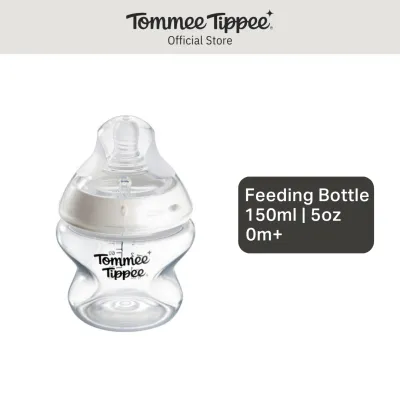
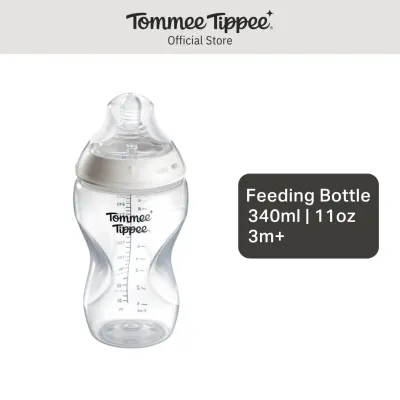
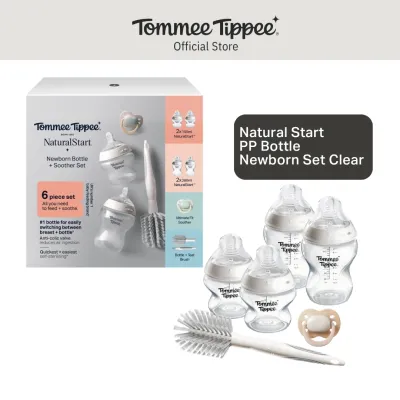
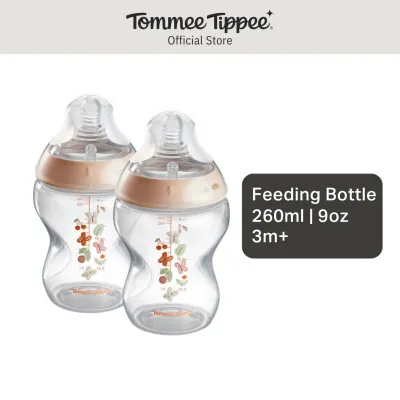
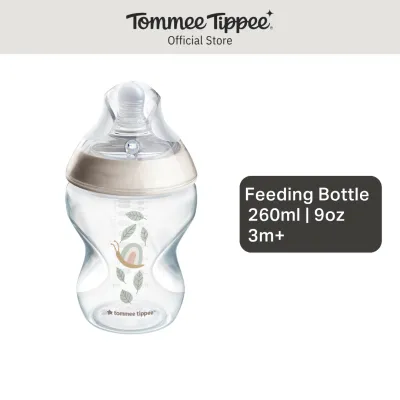
Prices are valid at publication and may change. Please refer to the product page for the latest price.
Glass bottles are highly favored by parents who prioritize maximum chemical purity, easy stain removal, and long-term durability. Because glass is non-porous, it does not absorb odors or food colors, and it can theoretically last through multiple children if handled carefully. However, glass is inherently heavy and fragile, making it less ideal for travel, daycare, or when your baby begins to show interest in holding the bottle independently.
Plastic bottles, typically made from lightweight polypropylene, offer unmatched portability and safety during active moments. They are completely shatterproof, making them the safer choice for households with hard floors, active toddlers, or frequent travel needs. The trade-off is that plastic is a softer material; it is prone to micro-scratches, can absorb milk fats and odors over time, and generally requires replacement every few months to maintain optimal hygiene.
Before making your decision, consider your typical sterilization setup, where feeding mostly takes place, and whether you plan to transition your baby to self-feeding in the coming months. Balancing these factors will guide you toward the material that minimizes daily friction in your kitchen.
Glass vs. Plastic: Core Differences at a Glance
To help you quickly compare the physical properties of these two materials, the following table summarizes how glass and plastic perform across key everyday categories. Keep in mind that these represent general material characteristics, and you should always check the specific product packaging for exact manufacturer specifications.

| Feature | Glass Bottles | Plastic Bottles |
|---|---|---|
| Weight | Heavier; requires more physical support during long feeds | Extremely lightweight; easy for babies to grasp and hold |
| Drop Resistance | Fragile; can crack or shatter upon impact with hard surfaces | Shatterproof; highly resilient to drops and rough handling |
| Lifespan | Long-lasting; only needs replacement if chipped, cracked, or scratched | Shorter; recommended replacement every 3 to 6 months |
| Stain & Odor Retention | Highly resistant; does not absorb milk fats, pigments, or smells | Prone to cloudiness, staining, and retaining strong odors |
| Temperature Retention | Holds heat longer; takes more time to cool down or warm up | Warms up quickly; loses heat faster in air-conditioned rooms |
| Sterilization Wear | Withstands repeated high-heat and UV exposure without degrading | Can degrade, warp, or cloud over time with high heat or UV |
Always refer to the official guidelines provided with your specific bottle set, as capacities, wall thicknesses, and compatible accessories can vary between product lines.
Durability and Handling: Surviving the Daily Drop
Feeding times can be chaotic, and bottles are inevitably subjected to accidental drops, slips, and rough handling. How a bottle material responds to these physical impacts is a major factor in its daily usability. Glass bottles carry an inherent risk of shattering, which requires constant vigilance from caregivers.
In many homes, particularly in tropical regions like the Philippines where hard ceramic tiles or polished concrete floors are common, a dropped glass bottle can easily break into dangerous shards. To mitigate this risk, many parents utilize form-fitting silicone sleeves. These sleeves provide a non-slip grip for soapy hands and offer a layer of shock absorption, though they do add extra weight and require removal during thorough washing.
Plastic bottles shine in high-impact environments because they are virtually shatterproof. A plastic bottle can bounce off a kitchen counter or be tossed from a high chair onto a hard floor without structural failure. However, plastic is not entirely indestructible; repeated impacts can cause hairline fractures, and over time, the material can warp or develop micro-scratches along the interior walls.
Weight is another crucial handling factor that changes as your baby grows. Glass bottles are significantly heavier, which can cause hand fatigue for parents during prolonged late-night feeding sessions. Furthermore, when babies reach the developmental milestone of wanting to hold their own bottle—typically around six months of age—the weight of glass can make it difficult and unsafe for them to manage without close adult supervision. Plastic bottles are lightweight enough for small hands to grasp safely, encouraging early motor skill development.
Evaluate your home environment and lifestyle before choosing. If your kitchen is dominated by hard surfaces, or if you frequently feed your baby while on the move, the impact resistance of plastic may save you from clean-up headaches and safety hazards.
Cleaning and Sterilizing: What Works Best for Busy Parents?
Maintaining pristine hygiene is a non-negotiable part of infant care, and the ease with which a bottle can be cleaned and sterilized directly impacts your daily workload. Glass possesses a naturally smooth, non-porous surface that does not allow milk fats, proteins, or soap residues to cling easily. This makes glass bottles exceptionally easy to rinse clean, preventing the stubborn white film that often accumulates on the inside of baby bottles.
Plastic, being a more porous material, tends to attract and hold onto milk fats and oils. Over time, even with diligent washing, plastic bottles can develop a cloudy appearance, yellow staining, or a persistent sour milk odor. If you notice deep scratches, permanent cloudiness, or a smell that does not disappear after washing, it is time to retire that plastic bottle and replace it with a fresh one to prevent bacterial colonization.
Sterilization requirements also differ between the two materials. In humid tropical climates, thorough sterilization and rapid drying are essential to prevent the growth of mold and mildew in hard-to-reach bottle crevices. Glass is highly heat-tolerant and can withstand repeated cycles in steam sterilizers, boiling water, or UV sterilizers without any structural degradation or cosmetic wear.
Plastic bottles require more careful monitoring during sterilization. While high-quality plastics are engineered to withstand standard sterilization temperatures, prolonged exposure to extreme heat or intense UV light can accelerate the aging of the plastic, causing it to become brittle or warp. Always verify the manufacturer’s maximum temperature limits on the product packaging before using steam or UV sterilization systems.
Regardless of the material you choose, pay close attention to the bottle neck and screw threads. Milk residue easily traps in these areas, creating a breeding ground for bacteria. Use a dedicated bottle brush with soft bristles to clean these zones thoroughly without scratching the interior surfaces.
Safety and Feeding Comfort: Material Impact on Baby
When it comes to safety, parents naturally want to ensure that no harmful substances come into contact with their baby’s milk. Genuine Tommee Tippee plastic bottles are manufactured to be BPA-free and BPS-free, providing peace of mind regarding chemical leaching. However, always inspect the packaging of your specific purchase to verify these safety standards and ensure product authenticity.
Temperature retention is another area where the materials behave differently, affecting how you prepare and administer feeds. Glass has high thermal mass, meaning it retains heat much longer than plastic. While this is excellent for keeping milk warm during a slow feed, it also means glass bottles take longer to warm up in a bowl of hot water and can remain deceptively hot on the outside. Caregivers must be exceptionally careful, always testing the milk temperature on the inside of their wrist before feeding to avoid burning the baby.
Plastic bottles respond much faster to temperature changes, warming up quickly in a bottle warmer or water bath. However, they also lose heat rapidly, which might cause milk to cool down too quickly if you are feeding in an air-conditioned room. Regardless of the bottle material, never use a microwave to warm breast milk or formula, as this creates dangerous hot spots that can burn your baby’s mouth.
Importantly, the material of the bottle body does not dictate the nipple flow rate or feeding mechanics. The same nipple ranges, including slow, medium, and fast-flow options, are designed to fit securely onto both glass and plastic collars of the same product family. Ensure the collar is screwed on straight and tight to maintain a proper vacuum and prevent leaks, regardless of whether you are using a glass or plastic base.
Pricing and Value: Navigating the Tommee Tippee Official Store
When planning your baby budget, navigating the tommee tippee official store will reveal clear pricing differences between these two options. Glass bottles require a higher upfront financial investment. They are typically priced higher per unit due to the raw materials and specialized manufacturing processes required to produce durable, thermal-shock-resistant glass.
However, glass bottles offer excellent long-term economic value if they are preserved without breaking. Because they do not scratch or degrade under heat, a small set of glass bottles can theoretically last through your baby’s entire bottle-feeding stage and even be sterilized and stored for future siblings. This makes them a highly sustainable purchase for families planning for the long term.
Plastic bottles are more budget-friendly at the outset and are frequently sold in multi-packs or starter sets. This low upfront cost makes plastic highly attractive for setting up multiple feeding stations, stocking up for daycare, or packing travel bags. However, because plastic bottles should be replaced every few months due to wear, scratching, and cloudiness, the cumulative cost over a year or more can eventually equal or exceed the cost of a glass setup.
To ensure you are getting genuine products that meet strict international safety and material standards, always purchase directly from authorized retail channels or official online flagship stores. Buying from unverified third-party sellers carries a high risk of encountering counterfeit goods made from sub-standard plastics that may contain harmful chemical additives or fail under high sterilization temperatures.
Final Decision Framework: Choose Glass If / Choose Plastic If
To finalize your purchase decision, use this straightforward framework to match the bottle material to your specific household needs.
Choose Glass If:
- You prioritize a non-porous material that will not absorb odors, stains, or colors over months of use.
- You want a highly sustainable option that can last indefinitely without needing routine replacement, provided it does not break.
- You primarily feed your baby at home in a controlled environment with carpeted or cushioned flooring.
- You use heavy-duty sterilization methods frequently and want a material that will not degrade under repeated high heat.
Choose Plastic If:
- You need a lightweight, highly portable option for travel, outdoor excursions, or daycare drop-offs.
- Your home has hard tile or concrete floors where drops are highly likely to result in breakage.
- Your baby is reaching the age of self-feeding and needs a bottle that is light enough to hold safely without adult hand fatigue.
- You prefer a lower upfront cost and do not mind replacing the bottles periodically as they show signs of wear.
The Hybrid Approach: Many parents find that a combination of both materials offers the ultimate convenience. You can purchase a few glass bottles for hygienic, easy-to-clean feeds at home, and keep a small stock of plastic bottles in your diaper bag for travel, family outings, and daycare. This hybrid method maximizes the lifespan of your glass investment while retaining the on-the-go safety of plastic.
Before checking out, double-check the capacity, age recommendations, and nipple flow rates listed on the product packaging to ensure you are selecting the perfect match for your baby’s current developmental stage.
Frequently Asked Questions (FAQ)
Do Tommee Tippee glass and plastic bottles use the same nipples?
Yes, within the same product ecosystem, the nipples are designed to be interchangeable. For example, if you are using the Closer to Nature range, the standard nipples will fit securely onto both the glass and plastic bottle collars of that same line. However, you must always verify collar compatibility before mixing and matching parts, as different specialized product lines (such as specific anti-colic systems) may utilize unique collar and venting designs that are not cross-compatible.
Are glass bottles too heavy for a baby to hold?
Generally, yes, glass bottles are too heavy and pose a safety risk for younger infants who are just developing their grip. While older babies around 6 to 9 months may have the physical strength to lift a glass bottle, it is highly recommended that caregivers supervise all glass bottle feeds. If your baby is transitioning to independent holding, switching to a lightweight plastic bottle or using a protective silicone sleeve on your glass bottle is a safer way to encourage self-feeding while preventing accidental drops and breakage.

Community discussion
Share your experience or ask a question. Comments are reviewed before publication.