
Choosing the safest baby bottle for your little one often comes down to understanding how different materials perform under daily use, sterilization, and wear. While many parents search for a single, universally superior material, the reality is that glass, plastic, and silicone each offer distinct safety profiles and practical advantages. True safety relies on maintaining the structural integrity of the bottle, following correct sterilization protocols, and matching the material to your baby’s developmental stage.
By understanding the unique characteristics of each material, you can build a feeding routine that keeps your baby safe and comfortable. Whether you prioritize the hygienic durability of glass, the lightweight convenience of plastic, or the natural feel of silicone, each option requires specific care to maintain its safety standards over time.
Understanding Material Safety and Baseline Checks
Before comparing specific bottle types, it is essential to establish the baseline safety standards that apply to all infant feeding products. In a tropical climate like the Philippines, where high humidity and warm temperatures can accelerate the wear of baby gear, regular safety inspections are a critical part of your daily routine. Regardless of the brand or material you choose, your first step should always be verifying that the product is certified BPA-free and BPS-free to ensure no harmful chemicals leach into your baby’s milk.
Products mentioned in this guide
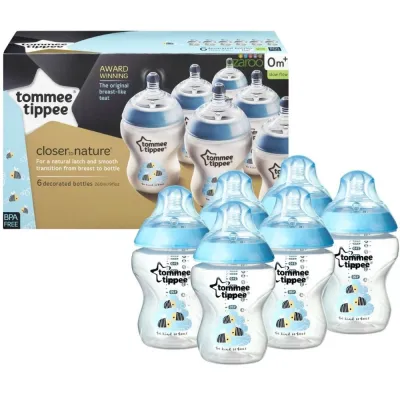
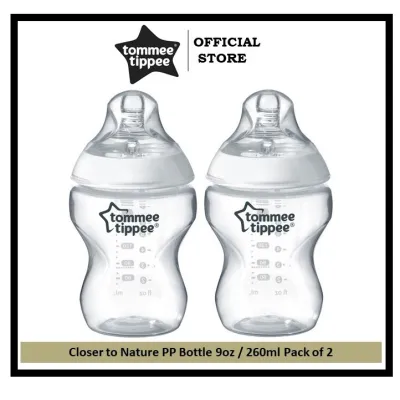
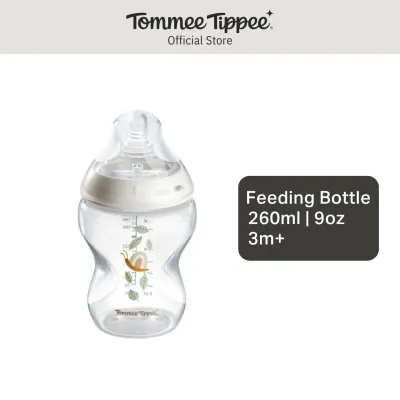
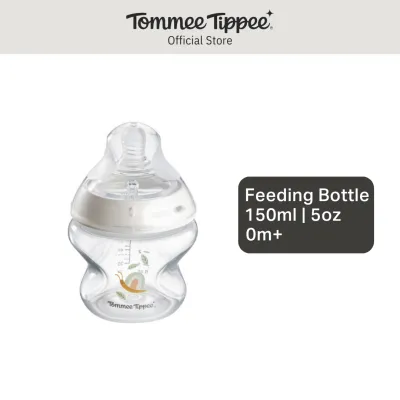
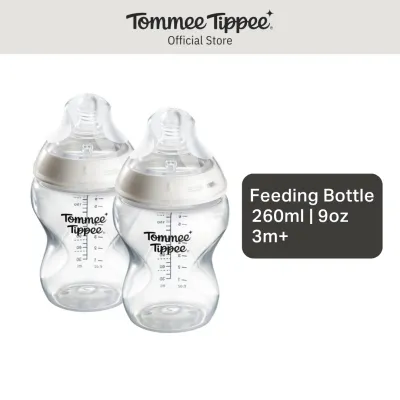
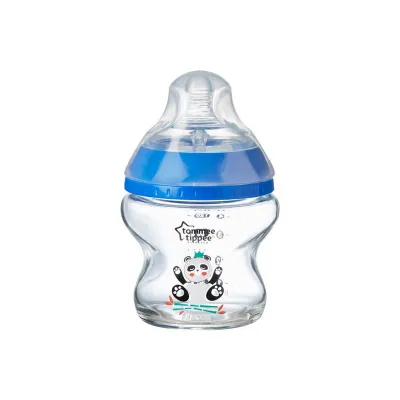
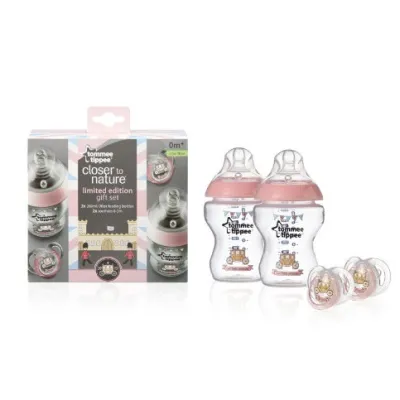
Prices are valid at publication and may change. Please refer to the product page for the latest price.
When purchasing new bottles, examine the packaging for compliance marks and manufacturer age recommendations. These indicators ensure the bottle and its accompanying nipple flow are developmentally appropriate for your baby’s feeding stage. A nipple that flows too quickly can cause choking or gas, while a flow that is too slow can frustrate a hungry infant.
Physical integrity is the ultimate measure of bottle safety. Even high-quality materials can degrade over time due to frequent washing, sterilization, and accidental drops. Inspect every bottle before assembly, looking closely for hairline cracks in glass, deep scratches in plastic, or tears in silicone components. Any sign of physical damage compromises the structural safety of the bottle and requires immediate replacement to protect your baby.
Glass Bottles: Hygiene, Heat Tolerance, and Handling
Glass bottles are highly valued by parents who prioritize hygiene and long-term durability. Because glass is a non-porous material, it resists scratches, odors, and stains far better than plastic or silicone. This makes glass bottles exceptionally easy to clean, as milk fats and formula residues wash away cleanly without leaving a greasy film or lingering smell.

The thermal resistance of glass is another significant advantage, particularly when it comes to sterilization. Glass can withstand high temperatures from steam sterilizers, UV sterilizers, and boiling water without warping or degrading. However, parents must always follow the manufacturer’s specific instructions regarding thermal shock, as sudden temperature changes—such as pouring boiling water into a cold bottle—can cause the glass to crack.
Despite these benefits, glass bottles require careful handling due to their weight and breakage risk. They are significantly heavier than plastic or silicone, making them less suitable for older babies who are beginning to hold their own bottles. To minimize the risk of drops and shattered glass, these bottles are best reserved for stationary, supervised feeding sessions at home where an adult is always holding the bottle.
Plastic Bottles: Everyday Convenience and Wear Limits
Plastic bottles, typically made from lightweight polypropylene, offer unmatched convenience for active, on-the-go families. If you frequently travel, run errands, or attend family gatherings, the shatterproof nature of plastic provides peace of mind. These bottles can survive accidental drops onto hard tile floors or concrete pavements without breaking, making them a practical choice for self-feeding toddlers.
However, the lightweight convenience of plastic comes with specific care limitations. Plastic is a softer material than glass, making it highly susceptible to micro-scratches from abrasive cleaning tools. When washing plastic bottles, avoid stiff wire brushes or harsh scrubbing pads, as these create tiny crevices where bacteria and milk proteins can hide. Instead, use a soft sponge or a dedicated silicone bottle brush to preserve the smooth inner surface.
Because plastic degrades more quickly than other materials, it has a shorter replacement cycle. Over time, exposure to heat during sterilization and regular washing will cause plastic bottles to become cloudy, discolored, or retain persistent odors. Parents should establish a regular replacement schedule and immediately discard any plastic bottle that shows signs of wear, warping, or deep scratching.
Silicone Bottles: Squeeze-Feeding and Texture Care
Silicone bottles represent a modern approach to infant feeding, offering a soft, squeezable texture that closely mimics the feel of skin. This flexible design is particularly beneficial for breastfed babies transitioning to bottle-feeding, as the familiar texture can ease the adjustment. The squeezable body also allows parents to gently assist with paced feeding, helping to regulate the flow of milk for newborns.
While silicone is highly durable and flexible, its unique surface texture requires specific maintenance. Silicone has a naturally high-friction surface that easily attracts dust, lint, and pet hair. To keep these bottles hygienic, they must be washed thoroughly and stored in a clean, enclosed cabinet rather than left exposed on open drying racks where airborne particles can settle on them.
In terms of heat tolerance, high-quality silicone can withstand elevated temperatures, making it compatible with most standard sterilization methods. However, because many silicone bottles feature plastic collars or screw rings, you must check the manufacturer’s guidelines for each individual component. Sterilizing the entire assembly at temperatures exceeding the plastic collar’s limit can cause warping, leading to leaks during feeding.
How to Choose the Right Material for Your Routine
Selecting the right bottle material is not about finding a single winner, but rather matching the material’s properties to your daily lifestyle and your baby’s developmental stage. For home-based routines where hygiene and durability are your primary concerns, glass bottles offer an excellent, long-lasting solution. They are easy to sterilize thoroughly and will not degrade over months of continuous use, provided they are handled carefully by an adult.
If your daily routine involves frequent travel, outdoor activities, or if your baby is reaching the age where they want to hold the bottle themselves, plastic is often the most practical choice. Its lightweight, drop-resistant design ensures that a sudden fall won’t disrupt your outing or create a safety hazard. Just be prepared to monitor these bottles closely for signs of wear and replace them more frequently than glass.
For babies who struggle with the transition from breast to bottle, or those who benefit from a more tactile feeding experience, silicone bottles provide a comforting alternative. Their soft texture and flexible design support paced feeding and offer a natural feel. Whichever material you choose, always perform a quick compatibility check before purchasing: verify that the nipple flow matches your baby’s age, ensure the collar seals tightly without leaking, and confirm that the bottle fits comfortably inside your sterilizer.
Frequently Asked Questions (FAQ)
Can I mix different Tommee Tippee bottle materials for the same baby?
Yes, mixing different bottle materials is entirely safe and often highly practical for busy parents. You might prefer using glass bottles for nighttime feedings at home due to their ease of cleaning, while relying on lightweight plastic bottles for daytime outings or trips to the park. The key to successfully mixing materials is keeping track of their individual care requirements. Remember that plastic bottles will need to be replaced much sooner than glass ones, and each material may have slightly different sterilization limits that you must follow to prevent damage.
How do I know when it is time to replace a plastic or silicone bottle?
You should replace plastic and silicone bottles as soon as you observe physical signs of degradation. For plastic bottles, look for persistent cloudiness, deep scratches, warping, or stubborn odors that remain even after thorough washing and sterilization. For silicone bottles, check for a sticky texture, discoloration, or any tiny tears near the collar or nipple. Following the manufacturer’s recommended lifespan—typically every few months for plastic under heavy use—ensures your baby’s feeding equipment remains completely hygienic and safe.

Community discussion
Share your experience or ask a question. Comments are reviewed before publication.