
Parents looking for a safe lotion for toddler skin should prioritize simple, barrier-supporting ingredients like glycerin, ceramides, and colloidal oatmeal, while actively avoiding synthetic fragrances, artificial dyes, and harsh preservatives. Because a toddler’s skin barrier is still developing, it is highly susceptible to environmental factors and topical irritants. Navigating the skincare aisle requires looking past marketing buzzwords and carefully reading the ingredient list to ensure every component is gentle enough for daily use.
Understanding Toddler Skin Sensitivity
A toddler’s skin is structurally different from adult skin. The epidermal layer is significantly thinner, meaning topical substances are absorbed much more rapidly and deeply. This increased permeability makes young children far more vulnerable to the potential side effects of harsh chemicals and synthetic additives.
Additionally, toddler skin has a higher rate of trenespidermal water loss. Moisture evaporates much faster, leading to rapid dryness and irritation, especially in air-conditioned rooms or during seasonal changes. The natural lipid barrier, which acts as a shield against environmental pollutants, is still maturing and easily disrupted.
Products mentioned in this guide
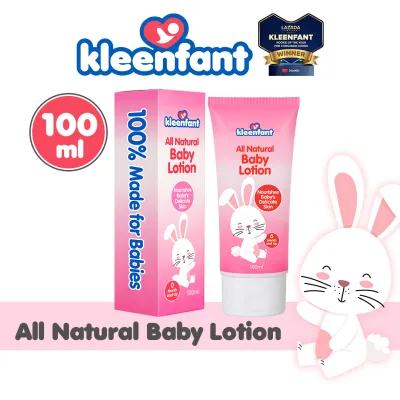
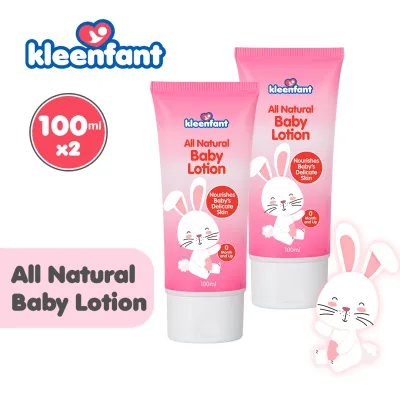
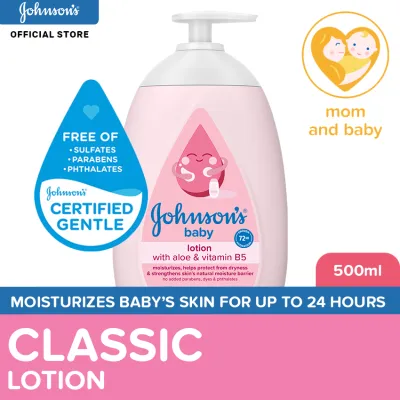
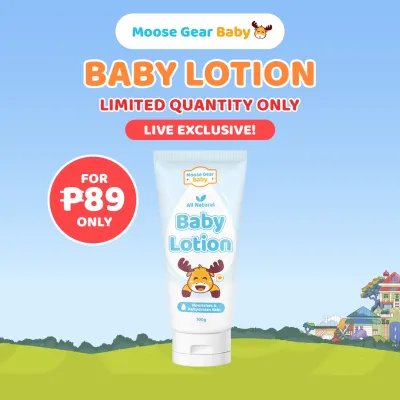
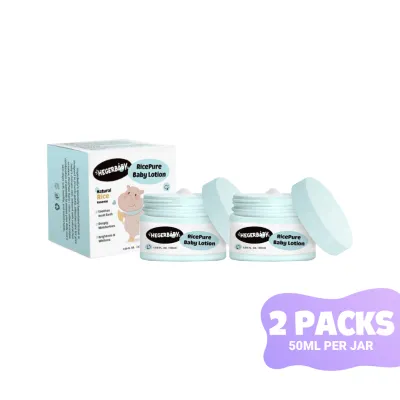
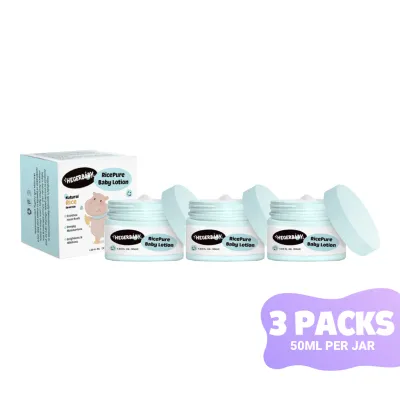
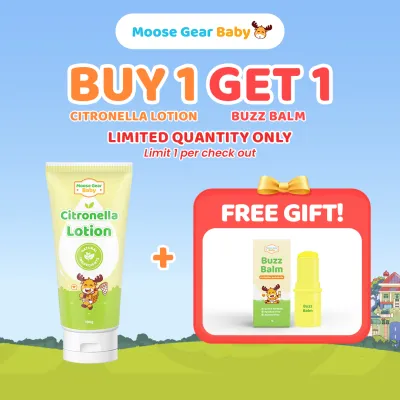
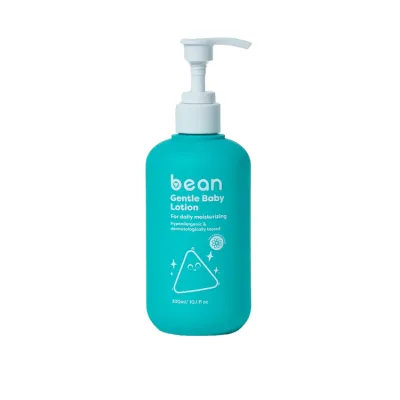
Prices are valid at publication and may change. Please refer to the product page for the latest price.
When harsh chemicals are applied to this delicate barrier, they can wash away the essential lipids holding skin cells together. This disruption causes immediate discomfort and can trigger long-term sensitivity or exacerbate underlying conditions like eczema.
How to Read and Decode Skincare Labels
Reading a skincare label can feel like learning a new language, but understanding a few basic rules can help you make informed choices. Skincare ingredients are listed using the International Nomenclature of Cosmetic Ingredients (INCI) naming system. This standardized system ensures ingredients are identified consistently across different brands.

On any ingredient list, components are arranged in descending order of concentration. The ingredients at the top make up the majority of the product, while those near the bottom are present in very small amounts. If a beneficial ingredient like shea butter is listed at the very end, the lotion contains only a trace amount.
It is also crucial to distinguish between common marketing terms. For instance, “fragrance-free” means no scent-producing chemicals were added. Conversely, “unscented” products may contain masking fragrances designed to neutralize the natural smell of raw ingredients, which can still irritate sensitive skin.
Furthermore, front-label claims like “pediatrician-tested” or “hypoallergenic” are not standardized or legally binding. Parents should always cross-reference these claims by reading the actual INCI list on the back of the bottle to verify that no known irritants are hidden inside.
Beneficial Ingredients to Look For
When selecting a lotion for toddler skin, the goal is to support and protect the natural skin barrier. A well-formulated moisturizer typically combines humectants, emollients, and occlusives to attract water, smooth the skin, and lock in moisture.
While many ingredients are generally recognized as safe, every child’s skin is unique. Always verify specific ingredient tolerances with a pediatrician or dermatologist, especially if your toddler has a history of dry patches or diagnosed skin conditions.
Hydrating and Barrier-Supporting Components
Humectants draw moisture into the outer epidermis. Glycerin and hyaluronic acid are highly effective, gentle humectants that keep toddler skin hydrated without causing irritation.
To seal that hydration, the formulation needs emollients and occlusives. Ceramides help rebuild the skin barrier, while shea butter and pure petrolatum act as protective shields, smoothing rough patches and preventing moisture loss.
In tropical climates like the Philippines, where humidity and heat can lead to sweating, choose non-comedogenic formulations. Heavy, greasy creams can trap sweat and clog pores, leading to heat rash. Lightweight lotions that absorb quickly while still providing a strong moisture barrier are ideal for daily tropical care.
Calming and Soothing Extracts
For toddlers experiencing mild redness or irritation, soothing botanical extracts can provide significant relief. Colloidal oatmeal is widely recognized for calming itchy, dry skin, forming a protective barrier that helps restore natural pH balance.
Aloe vera is another popular soothing agent, known for its cooling properties and ability to hydrate irritated skin. However, parents must ensure botanical extracts are properly formulated and free from hidden contaminants or processing chemicals that could trigger contact allergies.
Remember that “natural” does not automatically mean safe or allergy-free. Raw plant extracts can contain complex compounds that cause allergic reactions in sensitive individuals. Always look for highly refined, cosmetic-grade extracts formulated specifically for toddler use.
Ingredients to Avoid or Use with Caution
Knowing what to avoid is crucial. Some ingredients cause immediate irritation, while others act as cumulative sensitizers, triggering allergic reactions only after weeks of repeated exposure.
If your toddler has a history of eczema or specific allergies, their immune system may be highly reactive. Always consult a healthcare professional before trying new formulations to prevent painful flare-ups.
Fragrances, Dyes, and Essential Oils
Added fragrances are the most common cause of contact dermatitis in young children. On labels, they are often listed generically as “fragrance” or “parfum,” masking dozens of chemical compounds. Artificial dyes, used solely for color, offer no skin benefits and increase irritation risks.
Many parents turn to essential oils as natural alternatives, assuming they are safer. However, essential oils contain highly concentrated volatile compounds that can be incredibly sensitizing to thin skin. Oils like lavender, tea tree, or citrus can cause allergic contact dermatitis when applied topically.
For daily full-body application, opt for strictly fragrance-free and dye-free formulations to minimize the chemical load on your toddler’s skin.
Certain Preservatives and Harsh Cleansing Agents
Preservatives are necessary in water-based lotions to prevent bacterial and mold growth. However, some are strong sensitizers. Certain parabens and methylisothiazolinone (MIT) are frequently associated with contact allergies and should be avoided in toddler skincare.
Additionally, check labels for harsh sulfates or strong emulsifiers. While more common in washes, some low-quality lotions contain emulsifiers that strip natural lipids during application, leaving the skin drier than before.
Look for products that balance safe preservation with gentle ingredients. Modern, pediatric-focused brands often use safer alternative preservative systems, such as low-concentration phenoxyethanol or sodium benzoate, which keep the product sterile without compromising the skin barrier.
Choosing and Testing the Right Lotion
Selecting the right lotion for toddler skin requires matching the product’s texture and formulation to your child’s specific skin type and your local environment. In hot, humid conditions, a lightweight, water-based lotion is usually sufficient for daily hydration. If your toddler spends a lot of time in air-conditioned rooms or has naturally dry skin, a slightly richer cream may be necessary.
Before applying any new lotion to your toddler’s entire body, always perform a patch test. Apply a small, pea-sized amount of the product to a clean, discreet area of skin, such as the inside of the forearm or the side of the neck. Leave it on for 24 hours and monitor the area closely for any signs of redness, swelling, itching, or tiny bumps.
If you observe any adverse reaction during or after the patch test, discontinue use immediately. Wash the area gently with lukewarm water to remove any remaining product. If the reaction is severe, spreads, or does not improve after washing, seek professional advice from a pediatrician or dermatologist, and bring the product packaging along so they can identify the potential allergen.
Frequently Asked Questions (FAQ)
Can I use adult lotion on my toddler in an emergency?
It is generally not recommended to use adult lotions on toddlers. Adult formulations often contain higher concentrations of active ingredients, anti-aging compounds, strong preservatives, or heavy fragrances that can easily penetrate and irritate a toddler’s thin skin barrier. If a dedicated toddler lotion is unavailable, a safe, plain alternative like pure petroleum jelly is a much better temporary option to protect dry skin.
How often should I apply lotion to my toddler's skin?
For most toddlers, applying lotion once or twice a day is sufficient to maintain healthy skin hydration. The best time to apply lotion is immediately after bathing, while the skin is still slightly damp, to lock in maximum moisture. During dry seasons, or if your toddler has naturally dry skin, you may need to apply it more frequently, but always consult your pediatrician for personalized advice.
What should I do if my toddler develops a rash after using a new lotion?
If a rash develops, stop using the lotion immediately and gently wash the affected area with lukewarm water to remove any product residue. Avoid scrubbing the skin, as this can worsen the irritation. Keep the skin clean and dry, and consult a healthcare professional for an accurate diagnosis and treatment plan, making sure to keep the product packaging handy for their review.

Community discussion
Share your experience or ask a question. Comments are reviewed before publication.