
Finding the right lotion for kids in the Philippines requires balancing deep hydration with lightweight comfort. Because young skin is thinner and more delicate than adult skin, it reacts quickly to environmental stressors like tropical heat, intense humidity, and drying air conditioning. Choosing an inappropriate product can lead to clogged pores, heat rash, or allergic reactions, while neglecting hydration can leave the skin barrier vulnerable to irritation and dryness.
To keep your child’s skin healthy, you must understand their specific skin type and how the local climate affects it. The ideal skincare routine protects the skin barrier without leaving a heavy, sticky residue that makes active play uncomfortable. By focusing on safe formulations and proper application techniques, you can maintain your child’s skin health throughout the year.
How to Identify Your Child's Skin Type and Climate Needs
Before selecting a moisturizing product, you must accurately assess your child’s skin type. Children’s skin generally falls into three categories: sensitive, dry, or normal. Each type presents distinct visual and tactile signs that indicate how well the skin barrier is functioning and how it responds to external elements.
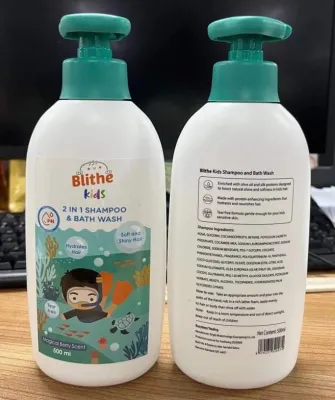
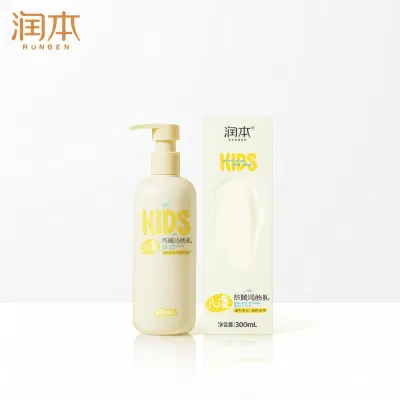
Products mentioned in this guide
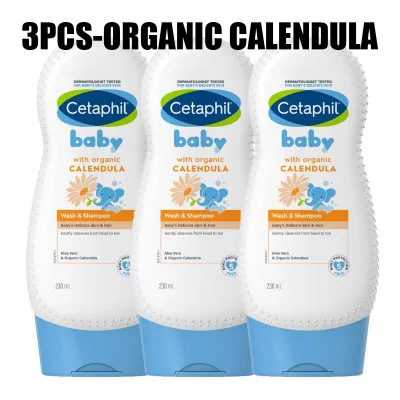
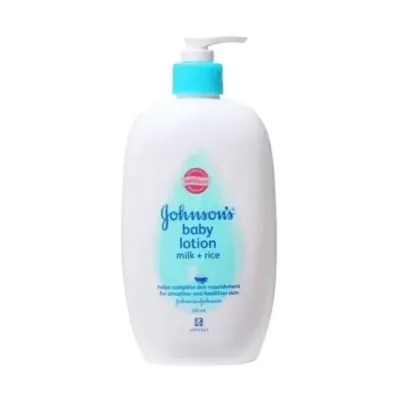
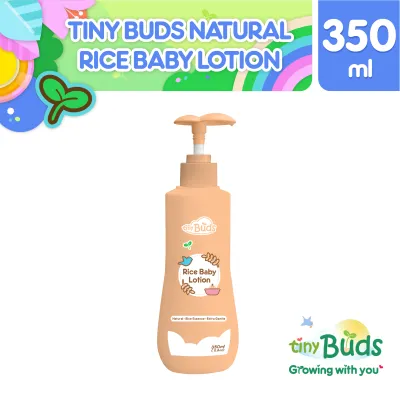
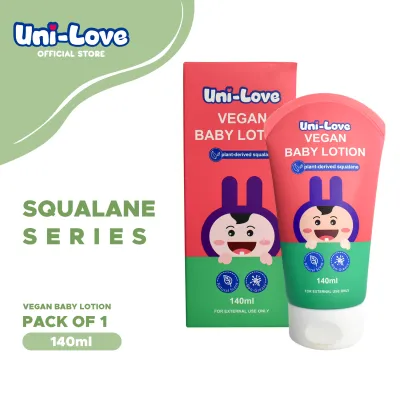
![[FDA Approved] Tenderoo Baby Moisturizing Lotion Avocado Plant Extract Gentle Safe Soothing 200ml](https://img.lazcdn.com/g/p/c537dad3153611e9e058bdbe2e97956d.jpg_400x400q80.jpg_.webp)
Prices are valid at publication and may change. Please refer to the product page for the latest price.
Sensitive skin in children often appears slightly red, flushed, or uneven in tone. It feels warm to the touch and may develop rough, dry patches quickly after exposure to new soaps, laundry detergents, or environmental changes. Children with sensitive skin frequently scratch or show discomfort, as their skin barrier is highly reactive to potential irritants.
Dry skin typically looks dull, flaky, or slightly ashiness, which is often more visible on darker skin tones. Tactilely, it feels rough, tight, and lacks elasticity, especially immediately after a bath. If left unmoisturized, dry skin can develop tiny cracks, leading to itching and an increased risk of minor infections from scratching.
Normal skin appears smooth, clear, and evenly toned. It feels soft, plump, and resilient, with a balanced moisture level that rarely reacts to standard pediatric skincare products. While normal skin is the easiest to maintain, it still requires basic protection to stay healthy under changing environmental conditions.
The Impact of the Philippine Climate
The tropical climate of the Philippines, characterized by high temperatures and elevated humidity, significantly influences how these skin types behave. High humidity causes children to sweat frequently, especially during outdoor play. While sweat is a natural cooling mechanism, prolonged moisture trapped in skin folds can lead to friction, itching, and heat rash, also known as miliaria or bungang-araw.
Conversely, many families rely on air conditioning to stay cool indoors. Air conditioning units extract moisture from the air, creating a dry indoor environment that rapidly dehydrates a child’s skin, particularly during sleep. This constant transition between hot, humid outdoor air and cool, dry indoor air can compromise the skin barrier of all skin types, making a targeted hydration strategy essential.
Parent's Skin Observation Checklist
To determine your child’s primary skin type, perform this simple observation at home:
- Step 1: Bathe your child using lukewarm water and a mild, fragrance-free cleanser, then gently pat their skin dry with a soft towel.
- Step 2: Leave the skin free of any lotions, creams, or powders for one hour in a room with a comfortable, neutral temperature.
- Step 3: Examine the skin under good lighting. Look for flaking, redness, or dry patches on the cheeks, arms, and legs.
- Step 4: Gently run your clean fingertips over their skin. Note whether it feels rough and dry, smooth and balanced, or warm and slightly irritated.
- Step 5: Observe your child's behavior. If they rub or scratch their skin during this period, it may indicate sensitivity or dryness.
Best Lotion Features for Sensitive Skin
Sensitive skin requires a cautious, minimalist approach to skincare. Because the outer layer of sensitive skin is more permeable, it allows irritants and allergens to penetrate more easily, which can trigger inflammation. When shopping for a lotion for kids with sensitive skin, simplicity in the ingredient list is your primary safeguard.

Always prioritize formulations labeled as fragrance-free, dye-free, and hypoallergenic. It is crucial to distinguish between “unscented” and “fragrance-free” products. Unscented products may still contain chemical masking agents designed to neutralize the smell of raw ingredients, and these masking agents can trigger allergic reactions. True fragrance-free lotions contain no added perfume chemicals, making them much safer for reactive skin.
Recommended Soothing Ingredients
When reviewing product labels, look for ingredients with a proven record of soothing and protecting delicate pediatric skin:
- Colloidal Oatmeal: This finely ground oat preparation forms a protective barrier on the skin, locking in moisture while relieving itching and minor irritation.
- Aloe Vera: Known for its cooling properties, pure aloe vera helps soothe redness and calms skin that has become warm or irritated from heat.
- Ceramides: These are natural lipids that help rebuild and strengthen the skin barrier, reducing moisture loss and preventing external irritants from penetrating.
The Importance of Patch Testing
Never apply a new lotion to your child’s entire body without performing a patch test first. Even products labeled as natural or dermatologist-tested can cause individual sensitivities. A patch test helps you identify potential adverse reactions in a controlled, low-risk manner.
To conduct a patch test, apply a dime-sized amount of the new lotion to a small, clean area of your child’s skin, such as the inner forearm or behind the ear. Leave the product on for 24 hours, keeping the area dry. Monitor the spot closely for any signs of redness, swelling, tiny bumps, or itching. If no reaction occurs after 24 hours, the lotion is generally safe for broader application.
Verifying Professional Claims
While terms like “pediatrician-tested” or “dermatologist-tested” offer reassurance, they are not official certifications with standardized global definitions. These labels indicate that the product was evaluated by professionals, but you must still verify the complete ingredient list. Ensure that the formula does not contain any specific triggers your child has reacted to in the past, and always consult your pediatrician if you are unsure about a specific ingredient.
Best Lotion Features for Dry Skin
Dry skin lacks the essential lipids needed to retain moisture, leaving it vulnerable to environmental drying factors like wind, sun, and air conditioning. To restore dry skin, you need a lotion that provides deep hydration and creates a protective seal to prevent water from evaporating from the skin’s surface.
Emollients and Occlusives
Effective dry skin lotions combine emollients and safe occlusives to address both moisture replenishment and moisture retention. Emollients, such as plant-derived oils (like sunflower seed oil or jojoba oil) and shea butter, fill in the microscopic gaps between skin cells, smoothing rough textures and softening the skin. Occlusives, such as glycerin or high-quality mineral oil, form a physical barrier on the skin’s surface to lock in that moisture.
Choosing Between Creams and Lotions
Managing dry skin in a tropical climate requires a strategic balance between heavy creams and lightweight lotions. Thick creams contain a higher oil-to-water ratio, making them highly effective at treating severe dryness, but they can feel heavy and sticky during hot, humid daytime hours.
- Daytime Use: Apply a lightweight, fast-absorbing moisturizing lotion before your child goes to school or plays outdoors. This keeps the skin hydrated without causing discomfort or excessive sweating.
- Nighttime Use: Apply a richer, heavier moisturizing cream before bed, especially if your child sleeps in an air-conditioned bedroom. The cream will work overnight to repair the skin barrier while resisting the drying effects of the air conditioner.
The Post-Bath Application Window
Timing is critical when moisturizing dry skin. The most effective time to apply lotion is within three minutes of bathing. When your child steps out of a lukewarm bath, their skin is saturated with water. Pat the skin gently with a towel, leaving it slightly damp, and immediately apply the lotion. This technique, often called the “soak and seal” method, traps the surface moisture in the skin before it can evaporate into the air.
Preventing Heat Rash
While deep hydration is essential, you must avoid over-applying heavy ointments or petroleum-based products during peak heat hours or before physical play. In the warm Philippine climate, thick, occlusive barriers can block sweat ducts, trapping perspiration beneath the skin. This leads to miliaria, or heat rash, which causes itchy red bumps. Stick to breathable, easily absorbed formulas during active, hot periods.
Best Lotion Features for Normal Skin in Humid Weather
Children with normal skin do not require heavy, intensive moisturizers, but they still benefit from daily hydration. The goal for normal skin in a humid climate is to maintain the natural skin barrier, protect it from environmental stressors, and provide a comfortable, non-sticky feel.
Lightweight and Breathable Textures
For active children in the Philippines, select water-based, lightweight lotions that absorb quickly into the skin. These formulas provide immediate hydration without leaving a greasy residue that can trap dirt, dust, or sweat. A breathable lotion allows the skin to cool itself naturally through perspiration while maintaining a smooth, comfortable texture.
The Role of Humectants
Look for lotions formulated with basic humectants, such as glycerin or hyaluronic acid. Humectants act like magnets, drawing moisture from the air and deeper skin layers into the outer layer of the skin. Because they do not rely on heavy oils to provide hydration, humectant-rich lotions offer an ideal, weightless solution for daily skin maintenance in warm, humid weather.
Protection Against Environmental Stressors
Even normal skin is subjected to daily wear and tear. Frequent handwashing, playing in chlorinated swimming pools, exposure to salty sea breezes during beach trips, and wind exposure can gradually strip the skin’s natural oils. Applying a light layer of lotion daily helps reinforce the skin’s natural defenses against these common elements, keeping it resilient and soft.
Moisturizer vs. Sunscreen
It is vital to understand that a daily moisturizing lotion is not a substitute for sun protection. While some lotions contain mild soothing ingredients, they do not block harmful ultraviolet (UV) rays unless they are specifically formulated and labeled as a broad-spectrum sunscreen. For outdoor play, always apply a dedicated, child-safe sunscreen with an SPF of 30 or higher over your child’s moisturizer, allowing the lotion to absorb fully before applying the sun protection.
Ingredients to Avoid and Safety Checks
When choosing skincare products for children, knowing what to exclude from their routine is just as important as knowing what to include. Children’s skin absorbs topical substances more readily than adult skin, making them more vulnerable to chemical irritants.
Common Irritants to Avoid
Carefully read the ingredient lists of any product you consider, and avoid those containing the following substances:
- Parabens: Used as chemical preservatives, these can penetrate the skin and have been associated with skin irritation in sensitive individuals.
- Phthalates: Often used to help fragrances last longer, these chemicals are avoided in pediatric care due to concerns regarding potential long-term systemic absorption.
- Synthetic Fragrances and Perfumes: These are the leading cause of cosmetic-related contact dermatitis and skin irritation in children.
- Drying Alcohols: Ingredients listed as denatured alcohol, isopropyl alcohol, or SD alcohol can strip the skin of its natural moisture, leading to severe dryness and irritation. (Note that fatty alcohols like cetyl, stearyl, or cetearyl alcohol are safe, non-drying emollients).
The "Natural" and "Organic" Misconception
Many parents assume that lotions labeled “100% natural” or “organic” are inherently safer for children. However, many natural ingredients can be highly sensitizing. Essential oils—such as lavender, tea tree, eucalyptus, and citrus oils—contain natural volatile compounds that frequently cause allergic reactions, redness, and skin sensitization in young children. Botanical extracts can also trigger seasonal allergy symptoms or localized rashes. Always evaluate a product based on its specific dermatological safety profile rather than marketing buzzwords.
Packaging and Expiration Checks
Before purchasing any lotion, perform a quick quality check on the physical product. Ensure the packaging is completely sealed, with no signs of leaking, swelling, or tampering. Check the expiration date printed on the bottle or box; using expired lotion can expose your child to degraded ingredients or harmful bacterial growth. Additionally, store lotions in a cool, dry place away from direct sunlight, as high tropical temperatures can cause the emulsion to break down, reducing its effectiveness.
Managing Adverse Reactions
If your child experiences any redness, itching, swelling, tiny bumps, or peeling after you apply a lotion, stop using the product immediately. Wash the area gently with cool water and a mild, soap-free cleanser to remove any remaining residue. Do not apply other scented products or home remedies to the irritated skin. If the reaction does not improve within 24 hours, or if it worsens, consult a pediatrician or a board-certified dermatologist for professional guidance.
Safe Application and Daily Skin Care Habits
Establishing a consistent, gentle skincare routine helps protect your child’s skin barrier while teaching them healthy personal care habits. How you apply lotion is just as important as the product you choose.
Optimal Timing and Technique
For maximum efficacy, apply lotion twice daily: once in the morning after their bath, and once before bed. When applying the product, squeeze a small amount into your clean palms and rub your hands together to warm the lotion slightly. Use gentle, upward strokes to spread the lotion evenly across your child’s limbs and torso.
Avoid vigorous rubbing, especially on areas that are already dry, red, or irritated, as friction can worsen skin inflammation. Focus on areas prone to dryness, such as the elbows, knees, and shins, while applying a lighter layer to areas that sweat easily, such as the back, chest, and skin folds.
Adjusting to Weather and Activity
Your child’s skincare needs will change depending on daily activities and seasonal weather patterns. During the hot, dry summer months, or when your child is highly active outdoors, reduce the amount of lotion used and stick to ultra-light, water-based formulas to prevent sweat retention.
During the cooler, rainy season, or if your child spends several hours in air-conditioned classrooms or bedrooms, increase the frequency of application or switch to a slightly richer cream to combat the drying effects of the environment. Always observe how your child’s skin looks and feels each day, and adjust your routine accordingly.
Holistic Skin Hydration
Topical lotions are only one component of healthy skin barrier maintenance. True skin hydration also comes from within. Ensure your child drinks plenty of water throughout the day, especially in the warm Philippine climate, to replenish fluids lost through sweat.
Complement hydration with a balanced diet rich in essential fatty acids, vitamins, and minerals, which support natural skin cell regeneration. Additionally, dress your child in loose, breathable cotton clothing to minimize friction and allow sweat to evaporate quickly, reducing the risk of skin irritation.
Frequently Asked Questions (FAQ)
Can I use adult lotion for my child?
You should avoid using adult lotions on children. A child’s skin barrier is significantly thinner, more delicate, and more absorbent than an adult’s. Adult lotions are often formulated to address mature skin concerns and may contain active ingredients like retinoids, alpha-hydroxy acids (AHAs), beta-hydroxy acids (BHAs), or strong synthetic fragrances. These ingredients can cause chemical irritation, redness, and burning on a child’s sensitive skin. Always choose products specifically formulated, tested, and labeled for babies or children.
How often should I apply lotion to my child's skin?
As a general guideline, applying lotion once or twice a day is sufficient for most children. However, you should adjust this frequency based on your child’s unique skin type and daily environment. Children with dry or sensitive skin may require application twice a day—once after their morning bath and once before bedtime—to maintain a healthy skin barrier. For children with normal skin, a single application after their daily bath is usually enough. Always observe your child’s skin and apply more frequently if you notice dry or rough patches.
Is it necessary to use lotion every day in a humid climate?
Yes, daily moisturizing remains beneficial even in a humid climate like the Philippines. While high ambient humidity helps prevent the air from drying out the skin, other daily factors can still compromise the skin barrier. Frequent bathing to wash off sweat, using soap, swimming in chlorinated pools, and sleeping in air-conditioned rooms all strip the skin of its natural moisture and protective lipids. Applying a lightweight, water-based lotion daily helps maintain the skin’s natural barrier without clogging pores or leaving a sticky residue.
Community discussion
Share your experience or ask a question. Comments are reviewed before publication.