
Starting your toddler on solid foods is an exciting milestone, but it often comes with a steep learning curve and plenty of messy cleanups. To make this transition smooth and successful, having the right tools is essential. A basic, practical toddler feeding set must include a suction bowl, a divided plate, soft-tipped training spoons, and an open or weighted straw training cup. These tools are designed to support self-feeding, minimize spills, and match your child’s developing motor skills.
Quick Answer: Must-Have Toddler Feeding Set Components
When introducing solids, you do not need an overwhelming array of gadgets. Instead, focus on a few high-utility items that directly support your child’s developmental stage. A complete feeding set for a toddler should grow with their developing motor skills rather than remaining static.
Here is the essential checklist of components you will need:
Products mentioned in this guide
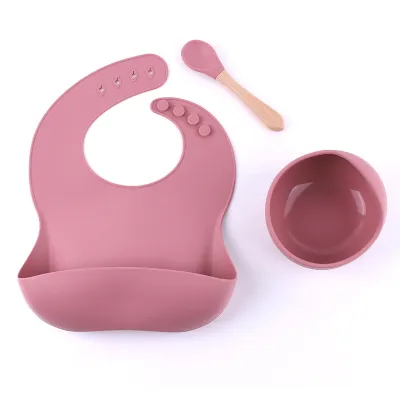
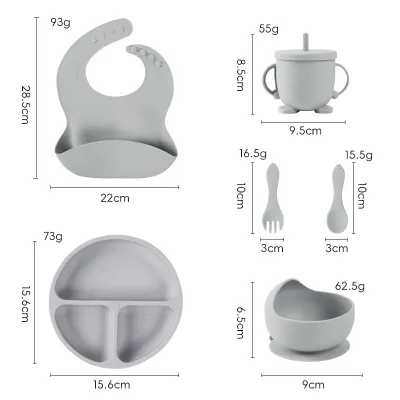
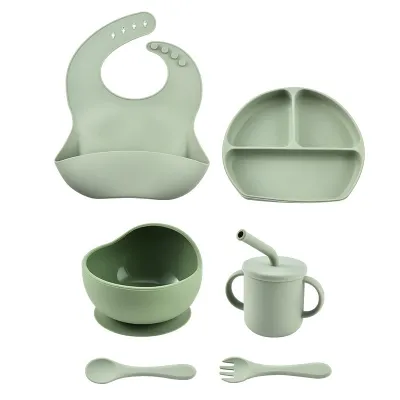
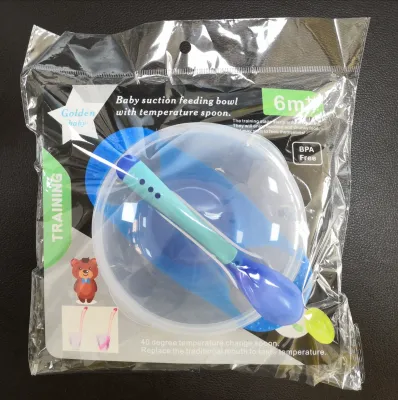
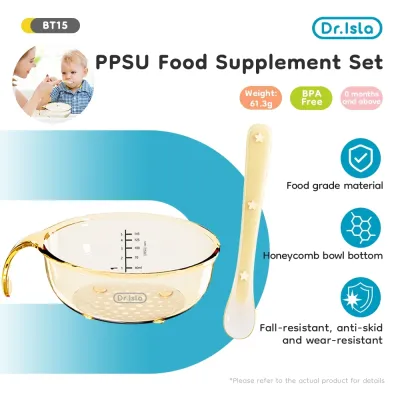
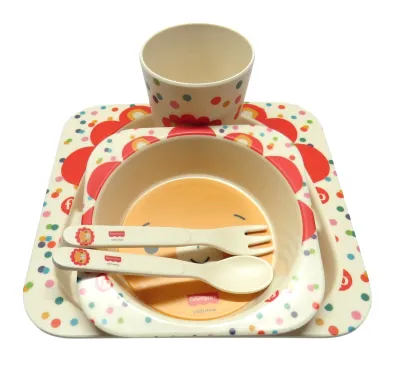
Prices are valid at publication and may change. Please refer to the product page for the latest price.
- Suction Bowls: These are indispensable for early meals, especially when serving soft purees, cereals, or mashed local vegetables like kalabasa. The suction base keeps the bowl firmly anchored to the high-chair tray, preventing your little one from flipping their food onto the floor.
- Divided Plates: As toddlers grow, they often prefer their foods separated. Divided plates allow you to serve different textures and temperatures—such as warm rice, soft-cooked fish, and cool fruit slices—without them mixing. This separation also helps toddlers identify and explore individual flavors.
- Soft-Tipped Spoons: Early eaters have highly sensitive gums. Spoons made with soft, flexible tips protect their mouths while they learn to scoop and bite.
- Training Cups: Transitioning away from bottles requires specialized cups. Weighted straw cups and open training cups help develop proper oral motor skills and swallowing patterns.
The primary goal of these items is encouraging self-feeding while minimizing mess. By providing tableware designed specifically for small hands and developing coordination, you empower your toddler to explore food at their own pace, building confidence and fine motor skills with every meal.
Key Features to Evaluate When Choosing Toddler Tableware
Selecting the right tableware involves looking beyond bright colors and cute designs. To ensure the items are practical, safe, and durable, you must evaluate several functional design elements.

Suction and Stability
Strong suction bases or weighted bottoms are critical for preventing spills during early self-feeding attempts. Toddlers naturally explore their environment through cause and effect, which often involves lifting, throwing, or sliding their dishes. A high-quality suction base keeps the plate or bowl securely attached to the high-chair tray or dining table. When evaluating suction, look for wide, flat silicone bases. In warm, humid tropical climates like the Philippines, dust and moisture can quickly compromise suction. Ensure the surface of both the high-chair tray and the suction base is completely clean and dry before pressing them together to create a secure seal.
Ergonomics and Grip
A toddler’s hand coordination is still developing. During the early stages of solid food introduction, children use a palmar grasp, gripping objects with their entire fist rather than their fingers. Therefore, utensils and cups must feature chunky, easy-to-hold handles that match this natural grip. Look for short, bulbous handles on spoons and forks, often textured with ridges or non-slip silicone. For cups, dual handles allow your toddler to use both hands to lift and tilt the cup steadily, reducing the likelihood of sudden drops.
Sensory and Visual Cues
Mealtime is a sensory experience. Divided plates and distinct, high-contrast colors can significantly help with portion recognition and new food acceptance. Visually separating foods makes the meal look less overwhelming to a hesitant eater. For instance, placing a small portion of a new food in one small compartment alongside familiar favorites in the larger sections encourages exploration without pressure. Bright, engaging colors can also make the dining setup more appealing, helping your toddler associate mealtime with positive experiences.
Ease of Cleaning
In a warm and humid environment, hygiene is a top priority. Food particles and moisture trapped in tight spaces can quickly lead to mold and bacterial growth. When choosing tableware, prioritize seamless designs without hidden crevices, complex valves, or non-removable parts. If a cup or bowl has multiple components, ensure they can be easily disassembled for thorough washing and drying. Opt for materials that are dishwasher-safe or easy to hand-wash with mild baby-safe dish soap, and ensure they can dry completely in a well-ventilated area.
Essential Feeding Set Components by Category
Rather than purchasing a rigid, one-size-fits-all bundle that may contain items your child is not yet ready for, consider building a modular feeding set. A modular approach allows you to select specific pieces based on your child’s current physical development, coordination, and eating habits. As your toddler transitions from smooth purees to textured finger foods and family meals, their tableware needs will shift. By understanding the unique functional requirements of each category, you can curate a set that perfectly supports their progress.
Plates and Bowls for Mess-Free Meals
The design of your toddler’s plates and bowls directly influences how easily they can scoop and manage their food. When selecting these items, consider the types of meals you prepare most frequently.
Shallow, wide bowls are ideal for early spoon-scooping. The low walls provide just enough resistance for your toddler to push food against the side of the bowl to load their spoon, without being so deep that they cannot see what they are scooping. Conversely, deep bowls are better suited for liquids, soups, or soft, spoon-fed purees like lugaw. The higher walls help contain splashes and keep liquid foods from sloshing over the edges.
Divided plates offer excellent utility for toddlers who prefer distinct textures and temperatures. Many young children experience food neophobia or simply dislike different food items touching. A divided plate keeps the savory main dish separate from sweet fruit sides, preserving individual flavors and textures.
When shopping for suction plates and bowls, always verify the suction cup release mechanisms. Look for designs that feature a small, integrated pull-tab on the base. This allows caregivers to break the vacuum seal easily and lift the dish without having to pull forcefully, which can lead to accidental spills and messes. Avoid plates with stiff, non-flexible suction bases that are difficult to release.
Spoons and Utensils for Self-Feeding
The transition from caregiver-led feeding to independent utensil use is a major developmental step. The utensils you choose should match your toddler’s current level of oral and fine motor control.
For the earliest stages of solid food introduction, soft, flexible silicone spoons are highly recommended. These spoons are gentle on sensitive, teething gums and prevent accidental injury if your baby bites down suddenly. As your toddler begins to feed themselves, they will need firmer utensils. Angled spoons or those with slightly firmer nylon or stainless steel tips (surrounded by soft outer edges) provide the structural support needed to pierce soft foods or scoop up denser textures.
Pay close attention to the handle design. Short, thick handles are much easier for a toddler to control than long, slender caregiver spoons. Because toddlers have limited wrist rotation, utensils with curved or angled necks can help them successfully guide food into their mouths without spilling.
Finally, check the spoon bowl’s depth and width. A spoon that is too wide or deep can hold too much food, making it difficult for your toddler to clear the spoon with their lips. It can also accidentally trigger their gag reflex. Choose a shallow, narrow spoon bowl that fits comfortably within your child’s mouth, allowing them to practice clean, efficient bites.
Training Cups for Independent Drinking
Introducing a training cup alongside solid foods is important for hydration and oral motor development. Moving away from the sucking motion used for bottles helps strengthen the muscles in the tongue, lips, and jaw.
Weighted straw cups are excellent transition tools. The weighted ball at the end of the straw ensures the straw remains submerged in liquid, allowing your toddler to drink from any angle, whether they are sitting upright or tilting the cup. Spoutless 360-degree cups are another popular option; they allow drinking from any edge of the rim, mimicking an open cup while preventing major spills. Both styles encourage proper tongue positioning and swallowing patterns.
Because cups are prone to trapping moisture, always check for removable, easy-to-clean valve systems. Mold can quickly accumulate in silicone valves and straw pathways if they are not thoroughly cleaned and dried. Look for cups that include a specialized straw cleaning brush and can be completely disassembled.
When selecting a cup, keep the capacity small. A cup holding around 120 to 180 milliliters of water is lightweight and easy for small hands to lift and control. Larger, heavier cups can cause fatigue, leading to frustration and accidental drops during mealtime.
Material Safety and Care Instructions to Verify
Ensuring the safety and longevity of your toddler’s feeding set requires careful attention to materials and maintenance. Not all products marketed for children meet the same rigorous standards, so proactive verification is essential.
Material Verification
Always check product labels and manufacturer specifications for food-grade silicone, high-quality stainless steel, or BPA/BPS-free plastics. Do not rely solely on front-of-box marketing claims like “100% safe” or “natural.” Look for clear indications that the materials are certified food-safe by recognized regulatory bodies. Food-grade silicone is highly durable, flexible, and resistant to shattering, making it an excellent choice for daily use. If you choose plastic items, ensure they are free from bisphenol compounds (BPA and BPS) and phthalates, which can leach into food under certain conditions.
Temperature Limits
Before heating or sterilizing any tableware, verify the exact microwave, oven, and dishwasher safety thresholds provided by the manufacturer. While high-quality silicone can generally tolerate high temperatures, some plastics and composite materials can warp, degrade, or release chemicals when exposed to extreme heat. If you use a steam sterilizer or dishwasher, ensure the product specifications explicitly state that the item can withstand these appliances. Always place plastic components on the top rack of the dishwasher, away from the heating element, to prevent warping.
Wear and Tear Checks
Regularly inspect your toddler’s feeding set for signs of wear and tear. Over time, silicone can develop deep scratches, become sticky, or show signs of structural degradation, especially if exposed to harsh dish soaps or hard water minerals. Plastic items may develop rough edges or micro-cracks where bacteria can hide. If you notice any peeling, cracking, deep scratches, or persistent odors that do not wash away, discard the item immediately. Replacing worn tableware ensures your child’s meals remain hygienic and safe.
Caregiver Supervision and Warnings
Always verify the age and development stage recommendations on the packaging, as well as any manufacturer warnings regarding caregiver supervision during meals. Never leave a toddler unattended while they are eating or drinking, as choking risks are present regardless of the tableware used. If your child experiences persistent feeding difficulties, gagging, or signs of allergic reactions, stop use of the current feeding method and consult a qualified pediatrician or pediatric feeding specialist.
Frequently Asked Questions (FAQ)
How many complete feeding sets do I actually need to buy?
For most families, having two to three complete feeding sets is a practical baseline. This quantity allows you to rotate sets throughout the day, accommodating multiple meals and snacks without needing to wash dishes immediately after every use. It also ensures you have a clean backup set ready if one is in the dishwasher or drying rack. If your child attends daycare or frequently travels to a relative’s house, keeping an extra set dedicated to their travel bag is highly convenient. Having multiple identical or similar bowls and spoons can also reduce toddler frustration, as young children often develop strong preferences for specific colors or shapes and may resist eating if their favorite dish is unavailable.
When should I transition from puree spoons to self-feeding utensils?
The transition to self-feeding utensils depends on your toddler’s individual physical and behavioral milestones rather than a strict age requirement. Look for key developmental cues, such as the ability to sit upright independently in a high chair, reaching out to grab the spoon during feeding, and successfully bringing their hands or toys to their mouth. When your child begins showing interest in scooping food from their plate or mimicking your movements, it is time to introduce self-feeding utensils. Start by offering a pre-loaded spoon for them to hold and bring to their mouth, gradually encouraging them to scoop the food themselves as their coordination improves.
Are all silicone feeding sets safe for the microwave and dishwasher?
While high-quality, food-grade silicone is naturally heat-resistant and generally safe for both the microwave and dishwasher, you must always verify the specific manufacturer’s guidelines. Some silicone items are reinforced with internal plastic or metal frames to provide structural stability, and these components may not be microwave-safe. Additionally, avoid microwaving silicone dishes containing foods with high fat or high sugar content. These ingredients can reach extremely high temperatures very quickly, causing localized superheating that can damage the silicone surface or create hot spots that could burn your toddler’s mouth. Always check the manufacturer’s temperature limits before heating.

Community discussion
Share your experience or ask a question. Comments are reviewed before publication.