
When it comes to your baby’s health, every drop of supplement requires careful consideration. Tiki-Tiki drops are a widely recognized pediatric multivitamin formulated to support infant growth, but determining if they are safe for your specific baby depends on several individual factors. In general, these vitamin drops are safe for infants when administered under the direct guidance of a pediatrician and in strict accordance with the product packaging.
Because an infant’s digestive system and kidneys are still developing, self-prescribing any over-the-counter supplement is highly discouraged. A pediatrician must first evaluate your baby’s daily diet, growth rate, and overall health to decide if supplementation is necessary. While vitamins support development, giving them without a professional recommendation can lead to unnecessary nutrient imbalances.
How to Verify the Product and Read the Label
Before administering the first dose, you must thoroughly inspect the packaging to ensure the product is authentic, safe, and suitable for your baby’s developmental stage. Start by checking the age and weight recommendations printed on the box. Pediatric drops are specifically concentrated for infants, whereas syrups are formulated for older children; confusing the two can lead to severe dosing errors.
Products mentioned in this guide
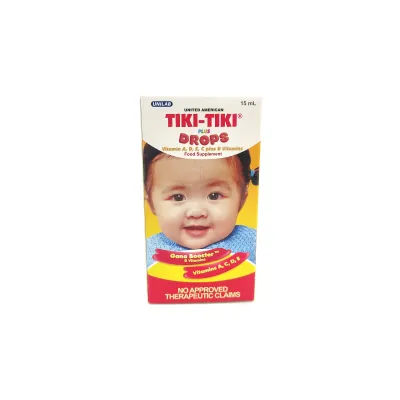







Prices are valid at publication and may change. Please refer to the product page for the latest price.
Next, examine the physical integrity of the bottle. Ensure the tamper-evident plastic seal around the cap is completely intact and shows no signs of tearing or bubbling. If the seal is broken or loose, do not use the product and return it to the drugstore or authorized retailer where it was purchased.
In the tropical climate of the Philippines, environmental factors play a major role in maintaining supplement safety. High humidity and ambient temperatures can rapidly degrade liquid vitamins, reducing their potency or causing them to spoil. Always check the storage instructions on the label, which typically recommend keeping the bottle in a cool, dry place below 30°C and away from direct sunlight.
Finally, locate the expiration date and batch number printed on both the outer carton and the bottle label. Never give your baby expired vitamins, as the chemical composition can change over time. Keeping track of the batch number is also useful in the rare event of a product recall or if you need to contact the manufacturer with specific inquiries.
Dosage Rules and Safe Administration Techniques
Accurate measurement is the most critical step in safely giving liquid vitamins to your baby. You must always use the calibrated dropper or syringe that comes inside the specific product packaging. Never substitute this dropper with a household spoon, a dropper from a different medicine, or a generic measuring tool, as even a tiny discrepancy can result in an underdose or a dangerous overdose.

To draw the liquid correctly, insert the dropper into the bottle and squeeze the bulb. Release it slowly to draw the liquid up to the exact line prescribed by your pediatrician or indicated on the package instructions. Hold the dropper at eye level to verify that the top of the liquid aligns perfectly with the dosage mark, and tap the side gently to disperse any trapped air bubbles that could skew the measurement.
When you are ready to administer the drops, position your baby in a comfortable, semi-upright hold. Supporting the head and neck securely prevents the baby from slipping or choking during the process. Avoid laying your baby completely flat on their back, as this increases the risk of the liquid entering the airway.
Gently place the tip of the dropper inside your baby’s mouth, aiming toward the inner side of the cheek rather than the back of the throat. Slowly squeeze the bulb to release the liquid drop by drop, allowing your baby time to swallow naturally. Aiming for the cheek prevents the gag reflex from triggering and minimizes the likelihood of the baby spitting the vitamins back out.
If your baby does spit out a portion of the dose, do not immediately administer another full dose to compensate. It is impossible to know exactly how much was swallowed, and giving more could lead to accidental overconsumption. Instead, wait until the next scheduled dose or consult your pediatrician for guidance on how to handle partial doses.
Precautions and Observable Signs of Intolerance
Even when vitamins are administered correctly, a baby’s sensitive digestive tract may occasionally show signs of mild intolerance. As a caregiver, you should closely monitor your baby for any physical changes after starting the supplement. Common observable signs of digestive adjustment include mild changes in stool consistency, slight gassiness, or a temporary increase in spitting up.
You may also notice changes in the color of your baby’s stool or urine. Certain vitamins, particularly iron or B-vitamins, can cause the stool to appear darker or the urine to take on a bright yellow hue. While these changes are generally harmless physiological responses to excess water-soluble vitamins being excreted, you should still note them down to discuss at your next pediatric visit.
Unusual fussiness or persistent crying shortly after taking the drops can indicate abdominal discomfort or cramping. If your baby displays ongoing signs of colic or distress that seem directly linked to the administration of the supplement, temporarily pause use and seek professional advice.
A critical precaution for parents is to avoid combining multiple vitamin supplements unless explicitly instructed by a doctor. Many infant formulas, fortified foods, and drops contain overlapping nutrients. Combining them without professional calculation can lead to hypervitaminosis, a condition where fat-soluble vitamins accumulate to toxic levels in the baby’s body.
When to Stop Use and Seek Medical Advice
While mild digestive adjustments can happen, you must be able to recognize the clear red flags that require you to stop administering the drops immediately and seek urgent medical attention. Severe allergic reactions, though rare, are medical emergencies. Watch for sudden hives, red or itchy skin rashes, swelling of the face, lips, or tongue, and any signs of labored breathing or wheezing.
You should also stop using the supplement if your baby experiences persistent vomiting or severe, watery diarrhea. These symptoms can quickly lead to dehydration, which is highly dangerous for infants in tropical climates. If your baby becomes unusually lethargic, difficult to wake, or refuses to feed, seek immediate medical evaluation.
Before introducing any new supplement, always inform your pediatrician if your baby is currently taking other medications, has been diagnosed with any chronic health conditions, or was born prematurely. Premature infants often have unique nutritional requirements and highly sensitive metabolic systems that require customized medical supervision rather than standard over-the-counter dosing.
Frequently Asked Questions (FAQ)
Can I mix Tiki-Tiki drops with breast milk or formula?
It is generally best to administer the vitamin drops directly into your baby’s mouth using the provided dropper to ensure they receive the complete dose. If your baby strongly dislikes the taste, you can mix the drops with a very small amount of expressed breast milk or prepared formula in a separate cup or syringe. Avoid mixing the dose into a full bottle of milk; if your baby does not finish the entire bottle, they will miss out on a significant portion of the required nutrients.
What should I do if I miss a dose or accidentally give too much?
If you miss a scheduled dose, do not double the amount during the next administration to make up for it. Simply skip the missed dose and resume your regular daily schedule as planned. If you suspect your baby has accidentally swallowed a large amount of the supplement or received a double dose, monitor them closely and contact your pediatrician or a local medical emergency hotline immediately for professional guidance.

Community discussion
Share your experience or ask a question. Comments are reviewed before publication.