
Securing your home for an active, curious baby requires a systematic approach to electrical safety. As infants transition from crawling to walking, low-lying wall outlets present an immediate hazard. To prevent accidental contact with live electrical contacts, choosing the right pantakip sa saksakan ng outlet (outlet cover) is one of the most critical steps in baby-proofing. The most effective solution is not a single universal product, but rather a combination of physical barriers tailored to how each outlet is used, your child’s current developmental stage, and the specific electrical configurations in your home.
In the Philippines, residential electrical systems often feature a mix of two-prong and three-prong outlets, sometimes positioned close to the floor where crawling babies can easily reach them. High humidity and dust can also interact with exposed electrical points, making secure coverage even more vital. By understanding the physical design of different covers and matching them to your daily routine, you can create a reliable barrier that keeps small fingers and conductive objects far from live currents.
Understanding the Main Types of Outlet Covers
To build a comprehensive home safety plan, you must first understand the distinct physical designs of outlet covers available on the market. Each type serves a specific purpose, balancing ease of adult access with child-resistant mechanisms.
Products mentioned in this guide
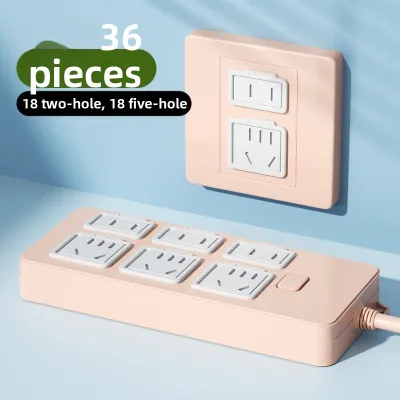
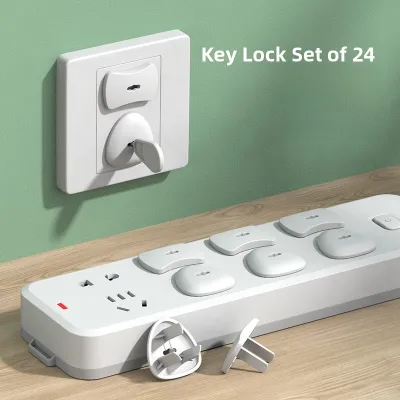
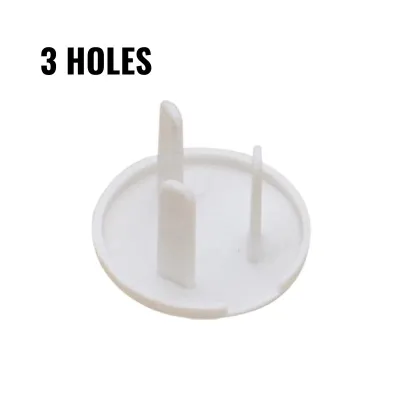
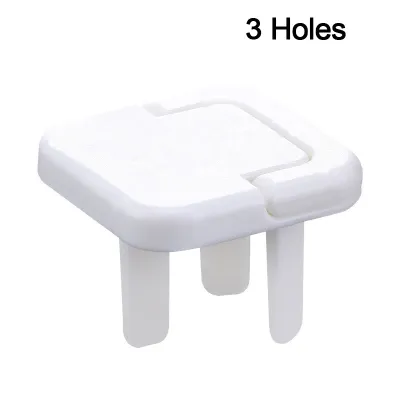

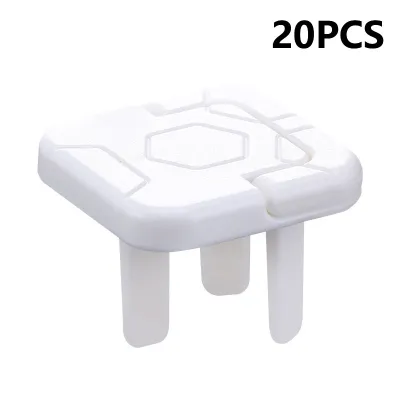
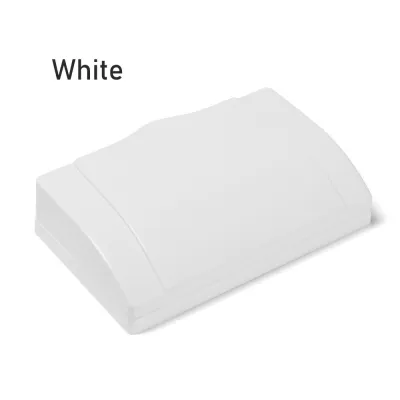
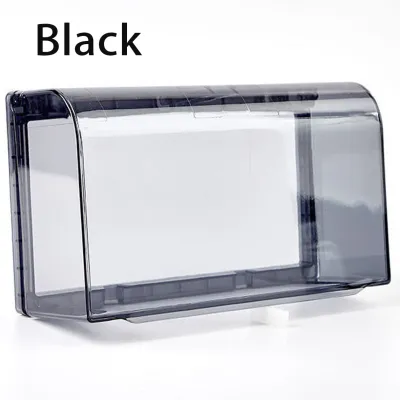
Prices are valid at publication and may change. Please refer to the product page for the latest price.
Plug-in caps are the most common and economical option. These simple plastic inserts feature prongs that slide directly into the outlet receptacles, blocking physical access. They are highly effective for outlets that are rarely or never used, such as those hidden behind heavy storage units or guest room walls. However, because they must be manually pulled out to use the outlet, they present a potential choking hazard if a determined toddler manages to pry them loose. Caregivers must evaluate the tightness of the fit and ensure these caps are never left lying on the floor when an outlet is temporarily in use.
Sliding outlet covers offer a more permanent and automated solution. These covers replace your existing standard outlet faceplate entirely. They feature a spring-loaded mechanism that keeps the entry points closed when no plug is inserted. To plug in an appliance, an adult must slide the cover panel to align the holes with the internal contacts, insert the plug, and let go. The moment the plug is removed, the cover automatically slides back into the closed position. This design is ideal for frequently used outlets, such as those in the living room or kitchen where you regularly plug in vacuum cleaners, phone chargers, or kitchen appliances, as it eliminates the risk of forgetting to replace a manual cap.
Full outlet box covers provide the highest level of security for outlets that must remain continuously plugged in. These devices enclose the entire outlet faceplate, the inserted plugs, and the initial portion of the power cords within a hard plastic protective box. A child-resistant latching mechanism prevents toddlers from opening the box, while small exit channels allow the cords to run safely out of the bottom or sides. This type of cover is essential for major appliances that run constantly, such as refrigerators, television setups, air conditioning units, or standing fans. It prevents children from pulling out the plugs, which could expose live prongs or abruptly shut down critical household appliances.
Key Safety Features to Evaluate Before Buying
When selecting an outlet cover, relying solely on product names or generic packaging is not enough. Parents must carefully evaluate specific physical safety features, material durability, and compatibility with local home configurations.

Choking hazard prevention must be your primary consideration when evaluating plug-in caps. A high-quality cap should have a low-profile design that sits completely flush against the wall, leaving no gaps or raised edges for tiny fingernails to grip. The plastic should be exceptionally sturdy and sized large enough that it cannot fit entirely inside a child’s mouth if removed. If a cap can be easily pried open with a plastic toy or a fingernail, it does not offer sufficient protection and should be replaced with a more secure alternative.
Material durability is another critical factor. Because electrical outlets can generate mild heat during operation, and tropical climates in the Philippines often bring high humidity, the plastic used in these covers must resist warping, cracking, and degradation over time. Review the manufacturer’s labels for material specifications, ensuring the plastic is flame-retardant and structurally sound. Avoid brittle, cheap plastics that can easily snap, as broken pieces can create sharp edges or expose the internal metal contacts of the outlet. Always check for age-appropriate warnings and weight or size recommendations on the packaging.
Shape compatibility is a practical hurdle that many homeowners face. Outlets in the Philippines vary widely, ranging from traditional flat duplex receptacles to modern universal outlets that accommodate multiple plug types. Before purchasing any sliding covers or full box covers, verify that the screw holes and outer dimensions match the specific outlet plates installed in your home. A cover that does not fit snugly against the wall can leave dangerous gaps, rendering the baby-proofing effort ineffective.
Matching Covers to Your Baby's Developmental Stage
As your child grows, their physical strength, dexterity, and curiosity evolve rapidly. A baby-proofing strategy that works for a six-month-old crawling on the floor may fail when they reach two years of age.
During the crawling stage, babies are primarily focused on exploring their immediate physical surroundings at floor level. At this stage, the main goal is to block physical access and remove visual temptations. Outlets that are painted or colored to match the wall are less likely to attract a crawling baby’s attention. Simple, tight-fitting plug-in caps or sliding covers are usually highly effective during this phase, as infants do not yet possess the fine motor skills or hand strength required to manipulate or remove them.
As your child transitions to the pulling-up and walking stage, their reach increases, and they begin to observe how adults interact with the environment. Toddlers quickly learn that cords plug into walls and will attempt to mimic this behavior. During this active phase, you must prioritize covers that cannot be pulled out, twisted, or pried open with small objects like keys, hairpins, or toys. Sliding covers and locked box covers become essential, as they prevent the child from inserting foreign objects into the slots even if they manage to reach the outlet.
Recognizing transition signals is key to maintaining a safe home. If you notice your toddler showing intense interest in the outlet covers, attempting to scratch at the edges of plug-in caps, or successfully removing a cap, this is an immediate signal that they have outgrown that specific protective measure. You must promptly upgrade to a more permanent, secure solution, such as a screw-on sliding cover or a locked box cover, to stay ahead of their developing physical capabilities.
Installation and Routine Maintenance Practices
Even the most advanced baby-proof outlet cover cannot protect your child if it is installed incorrectly or allowed to deteriorate. Proper installation and regular maintenance are vital to ensuring long-term safety.
Before installing any cover that requires removing the existing faceplate, such as sliding covers, always turn off the main power at your home’s circuit breaker. Use a reliable voltage tester to verify that the outlet is completely dead before unscrewing the plate. This simple step prevents accidental electrical shock during the installation process. If you are uncomfortable working with electrical wiring or if you discover loose, damaged, or scorched wires behind the old faceplate, stop immediately and consult a qualified professional electrician to handle the replacement.
Routine inspections should be integrated into your weekly household cleaning schedule. Walk through each room and physically check the condition of every outlet cover. Look for signs of wear, loose fits, cracked plastic, or broken internal springs in sliding covers. In humid tropical environments, dust and moisture can sometimes accumulate behind or inside the covers, which can affect both the electrical connection and the smooth operation of sliding mechanisms. Gently wipe the exterior of the covers with a dry microfiber cloth to keep them clean and free of debris.
Knowing when to stop using a cover is crucial for preventing hazards. If a sliding cover fails to snap back into the closed position immediately upon unplugging a cord, or if a plug-in cap becomes loose and falls out with minimal effort, its protective value is gone. Immediately remove the damaged cover, block access to the outlet by placing a heavy piece of furniture in front of it temporarily, and replace the cover with a new, fully functional unit.
Building Your Room-by-Room Baby-Proofing Checklist
To ensure no outlet is overlooked, parents should conduct a systematic, room-by-room audit of their entire living space from a child’s perspective.
Begin your audit strategy by literally getting down on your hands and knees to view each room at your child’s eye level. This perspective reveals hidden hazards that are easily missed from an adult’s standing height. Focus first on high-risk areas like the living room, nursery, and kitchen. Note the location of every single outlet, including those that are currently unused, those with temporary items plugged in, and those dedicated to permanent appliances.
Comprehensive safety requires looking beyond the outlet itself to manage the entire electrical setup. Combine your outlet covers with proper cord management. Dangling cords are a major temptation for toddlers, who may pull on them and bring heavy appliances crashing down, or pull the plug out and expose live contacts. Use cord shorteners, split-loom tubing, or wall-mounted cord covers to keep wires organized and completely out of reach. Additionally, ensure that heavy furniture, such as television stands, bookshelves, and dressers, are securely anchored to the wall so they cannot be tipped over by a child trying to reach an outlet behind them.
Once your audit is complete, create a targeted shopping shortlist. Group your needs by outlet usage: list how many sliding covers you need for frequently accessed areas, how many full box covers are required for permanent appliances, and how many heavy-duty plug-in caps are needed for completely unused, out-of-reach outlets. This organized approach ensures you purchase the exact types of protection required for each specific scenario in your home.
Frequently Asked Questions (FAQ)
Are traditional plastic plug-in caps safe for toddlers?
Traditional plastic plug-in caps can provide basic protection for completely unused outlets, but they carry inherent risks that parents must carefully manage. As toddlers develop fine motor skills and hand strength, they often learn to pry these caps out using their fingernails, teeth, or small toys. Once removed, the small plastic cap itself becomes a severe choking hazard. For this reason, plug-in caps should only be used in outlets that are completely blocked by heavy, unmovable furniture. For any outlet within a child’s reach or in active areas of the home, upgrading to self-closing sliding covers or locked box covers is a much safer and more reliable choice.
Do I need to baby-proof outlets hidden behind heavy furniture?
Yes, baby-proofing outlets located behind furniture is highly recommended. While a heavy sofa or cabinet may seem like a sufficient barrier, toddlers are remarkably persistent and can easily squeeze into tight spaces, push lightweight furniture aside, or climb over obstacles to reach hidden areas. Furthermore, if furniture shifts slightly over time, it can expose the outlet or bend plugged-in cords, creating both an electrical hazard and a fire risk. To secure these areas, use low-profile sliding covers or flat-profile box covers that allow furniture to sit close to the wall while keeping the outlet completely protected from curious hands.

Community discussion
Share your experience or ask a question. Comments are reviewed before publication.