
Finding the right baby powder in the Philippines is a priority for many parents seeking to keep their little ones comfortable in a warm, tropical climate. High humidity and constant heat often lead to sweat buildup in delicate skin folds, making moisture management essential for daily comfort. However, there is no single product that suits every infant. The ideal choice for your household depends on your baby’s unique skin sensitivity, your personal preferences regarding ingredients, and your monthly family budget.
When comparing Tender Care baby powder—particularly the popular 400g size—with other leading brands on the market, parents must look beyond eye-catching packaging and familiar jingles. A systematic comparison requires evaluating three core dimensions: the formulation and ingredient profile, the observable real-world effectiveness, and the overall economic value. By examining these factors closely, you can make an informed decision that supports your baby’s skin health while managing household expenses effectively.
Comparing Formulations and Ingredient Profiles
Understanding what goes onto your baby’s skin starts with a careful examination of the ingredient list printed on the back of the bottle or pouch. Baby powders generally rely on a mineral or starch base to absorb excess moisture, and each base material behaves differently on the skin. Talc-based powders use a naturally occurring mineral known for its smooth texture and highly effective moisture-wicking properties. Starch-based alternatives, which typically utilize cornstarch or tapioca starch, offer a plant-derived option that absorbs moisture by swelling slightly, providing a different tactile feel.
Products mentioned in this guide
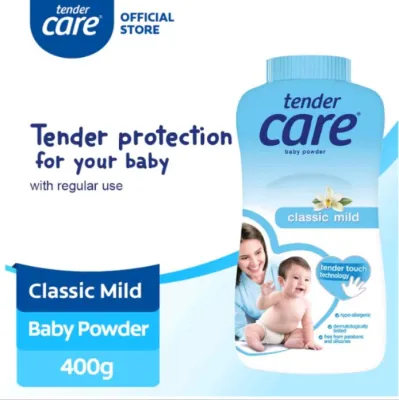
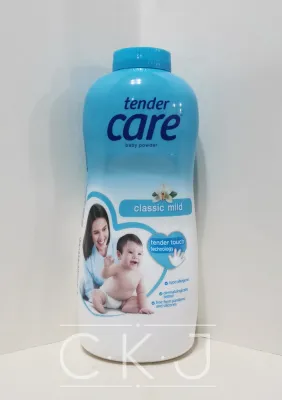
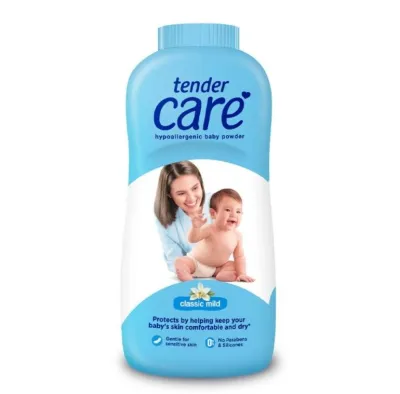
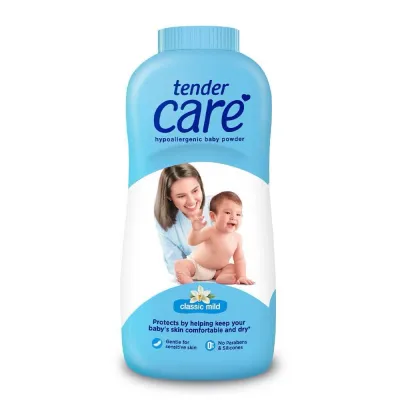
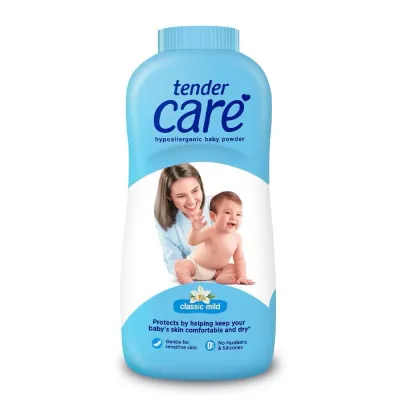
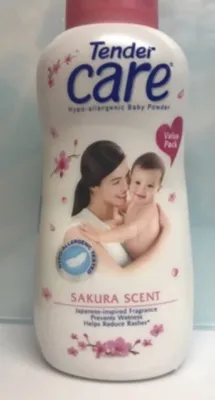
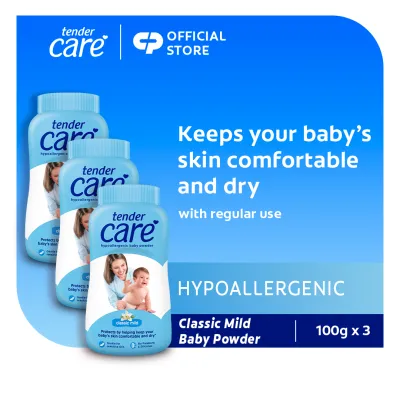
![[BUY 1 FREE 1] Tender Care Classic Mild Baby Powder - Hypoallergenic & Dermatologically Tested 200g x2](https://img.lazcdn.com/g/p/302bc979d85a5d59e97e49efef54084b.png_400x400q80.png_.webp)
Prices are valid at publication and may change. Please refer to the product page for the latest price.
When reading product labels, it is important to identify which base ingredient serves as the foundation of the formula. Cornstarch-based powders are often favored by parents who prefer plant-based skincare, as they are highly effective at absorbing sweat without stripping the skin of its natural oils. On the other hand, traditional mineral bases are valued for their exceptional slip, which helps reduce friction in high-movement areas like the thighs and underarms. Evaluating these base materials allows you to align your purchase with your family’s ingredient preferences.
Beyond the primary base, fragrances and preservatives play a significant role in skin compatibility. Many popular baby powders in the Philippines, including various Tender Care formulations, feature signature scents designed to keep babies smelling fresh throughout the day. However, added fragrances can sometimes trigger reactions in infants with highly sensitive skin or conditions like eczema. If your baby has a history of skin irritation, look for fragrance-free or hypoallergenic labels, and check the ingredient list for potential allergens or botanical extracts that might cause a reaction.
Finally, parents should look for specific testing claims, such as “dermatologist-tested” or “hypoallergenic,” which are frequently highlighted on baby care products. Because these terms can vary in definition between manufacturers, it is crucial to verify these claims directly on the physical product packaging. Look for details regarding the testing standards or certifications printed on the label. If the packaging does not provide clear information, or if your baby has a pre-existing skin condition, consult a pediatrician before introducing a new powder to your child’s daily routine.
Assessing Effectiveness and Skin Compatibility
Evaluating how a baby powder performs in the humid Philippine climate requires observing its behavior during daily use. A high-quality powder should absorb moisture efficiently without clumping into gritty particles that can chafe delicate skin folds. When sweat mixes with powder, poor-quality formulas may form paste-like residues that trap moisture against the skin rather than releasing it. Observe how smoothly the powder applies and whether it maintains a silky barrier over several hours, especially during nap times or outdoor play.

To ensure a new powder is safe for your baby’s skin, always perform a localized patch test before applying it to larger areas of the body. Start by selecting a small, clean patch of healthy skin, such as the inside of the baby’s forearm or the upper thigh. Apply a tiny amount of the powder to this area once or twice a day for three consecutive days, keeping the area dry and observing it closely. If the skin remains clear, smooth, and free of irritation, the product is likely compatible with your baby’s skin.
During the patch test and subsequent daily use, monitor your baby closely for any adverse reactions. Stop using the powder immediately if you observe signs of skin irritation, such as redness, small bumps, dry patches, or itching. Additionally, because fine powder particles can easily become airborne, watch for any signs of respiratory discomfort, including coughing, sneezing, or wheezing during application. If any of these symptoms occur, or if an existing diaper rash worsens after application, discontinue use and seek professional medical advice from a pediatrician.
It is also vital to remember that baby powder is a preventive tool rather than a treatment. Its primary function is to reduce friction and absorb light moisture on healthy skin. Applying powder to skin that is already broken, weeping, or severely inflamed can trap bacteria and exacerbate irritation. For active skin issues, rely on targeted barrier creams or ointments recommended by a healthcare professional rather than attempting to dry out the area with powder.
Price and Value Analysis for the 400g Size
When managing a household budget in the Philippines, comparing the price of baby products requires looking beyond the initial retail price. The Tender Care 400g size is a common choice for families seeking a bulk option, but determining its true value involves calculating the price per gram. To do this, divide the retail price of the package by its weight in grams. For example, dividing the total cost of a package in ₱ by its weight in grams gives you the exact cost per unit. Performing this simple calculation allows you to compare the 400g size directly against smaller bottles, such as 100g or 200g options, to see if the larger volume offers a genuine discount.
To get an accurate picture of current market pricing, check official brand stores, authorized health and beauty retailers, and major online marketplaces. Prices can fluctuate based on promotions, shipping fees, and bundle deals, so verifying prices across multiple platforms ensures you get the best available rate. Be cautious of unusually low prices on unauthorized channels, as counterfeit baby products can pose serious health risks due to unverified ingredients and lack of quality control.
Beyond the mathematical cost, the physical design of the packaging significantly influences the long-term value of the product. Large 400g packages are often sold in different formats, such as rigid plastic bottles with sifter tops or flexible refill pouches. While refill pouches are often more economical and environmentally friendly, they require a secure, dry container for storage to prevent spilling and moisture contamination. A poorly designed dispensing mechanism can lead to accidental spills, product waste, and airborne dust, which quickly diminishes the savings gained from buying in bulk.
Consider how you plan to store and dispense the powder in your daily routine. If you purchase a 400g refill pouch, ensure you have a clean, dry, empty shaker bottle ready for decanting. Keep the storage container tightly sealed and placed in a cool, dry cupboard away from bathroom humidity. Preventing moisture from entering the container ensures the powder remains free-flowing and effective down to the very last gram, maximizing your household investment.
Decision Framework: Which Powder Fits Your Baby?
To simplify your purchasing decision, use this structured framework to determine whether Tender Care 400g or an alternative brand is the best fit for your baby’s needs.
Choose Tender Care 400g if you prefer a highly accessible, budget-friendly bulk option that is easy to find in local supermarkets and pharmacies across the Philippines. This option is ideal for households looking for a familiar, scented powder to manage daily sweat and friction on healthy, non-sensitive skin, and who appreciate the convenience of a larger volume that reduces the frequency of shopping trips.
Choose an alternative brand if your baby has extremely sensitive skin, a history of eczema, or known fragrance allergies. In these cases, look for specialized, fragrance-free, or 100% plant-based starch formulas that omit potential irritants. You may also want to seek alternative packaging if you prefer travel-friendly, compact sizes or liquid-to-powder formulas that eliminate airborne particles entirely.
Verify first with a pediatrician if your baby has chronic respiratory conditions, asthma, or persistent diaper dermatitis. Before introducing any new powder or topical product to a baby with these health concerns, obtain professional medical clearance to ensure the ingredients and application method will not aggravate their condition.
Frequently Asked Questions (FAQ)
Is baby powder safe for newborns?
Pediatric guidelines generally advise extreme caution when using any dry, loose powder around newborns due to the risk of inhalation. A newborn’s developing lungs are highly sensitive to airborne particles, which can cause respiratory irritation if inhaled. To minimize this risk, never shake powder directly onto your baby’s body or near their face. Instead, dispense a small amount of powder into your own hands away from the baby, rub your hands together to minimize dust, and then gently pat the powder onto the baby’s skin folds. Always consult your pediatrician to establish a safe, newborn-appropriate skincare routine.
Can I use baby powder to treat an active diaper rash?
No, baby powder should not be used to treat an active, inflamed, or weeping diaper rash. Powders are designed to prevent friction and absorb minor moisture on healthy skin, but applying them to broken or highly irritated skin can cause the powder to clump, trapping moisture and bacteria in the rash area. This can worsen the inflammation and delay healing. If your baby has an active diaper rash, clean the area gently with warm water, let it air dry completely, and apply a thick layer of a dedicated diaper barrier cream containing zinc oxide. If the rash persists or worsens, consult a healthcare professional for targeted treatment.

Community discussion
Share your experience or ask a question. Comments are reviewed before publication.