
Quick Answer: How Does Tender Care Compare?
Choosing between Tender Care and other popular baby powder brands in the Philippines depends on your baby’s unique skin sensitivity, your specific ingredient preferences (such as talc-free versus traditional formulations), and your household budget. In the local market, Tender Care is a highly recognized, budget-friendly everyday staple. It is widely valued for its accessibility and classic fragrance profiles that help manage skin moisture in hot, humid tropical climates.
However, premium or clinical brands often cater to highly reactive or eczema-prone skin by offering minimalist, fragrance-free, or specialized organic ingredients. These premium options focus heavily on reducing potential allergens, whereas mass-market brands prioritize broad accessibility and general sweat absorption. To find the most suitable fit for your little one, you must check the specific product variant’s label to verify its base ingredient (such as cornstarch or talc) and fragrance details, as formulations frequently evolve over time.
Core Comparison Criteria for Baby Powders
To make an informed decision for your baby’s skincare routine, it is essential to understand the objective standards used to evaluate any baby powder. In a tropical environment like the Philippines, where high humidity and elevated temperatures are constant factors, baby powder is frequently used to keep delicate skin folds dry and comfortable. However, not all powders are formulated equally, and parents must look beyond the brand name to evaluate safety, ingredients, and overall practical value.
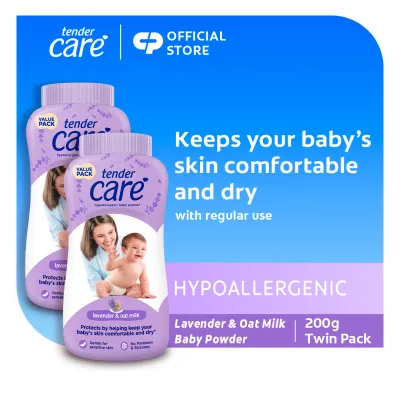
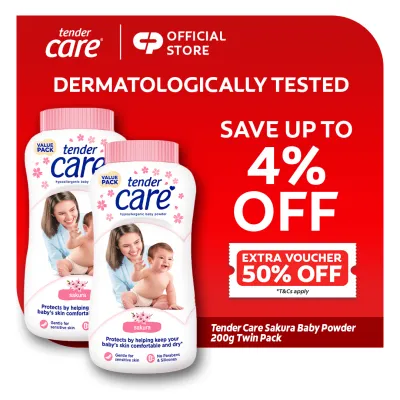
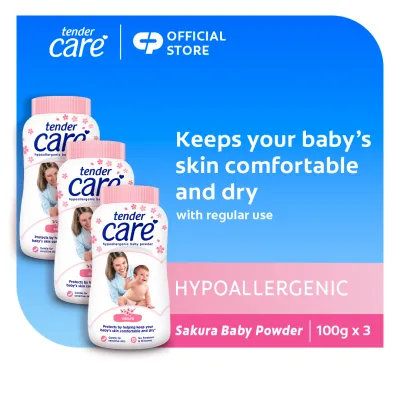
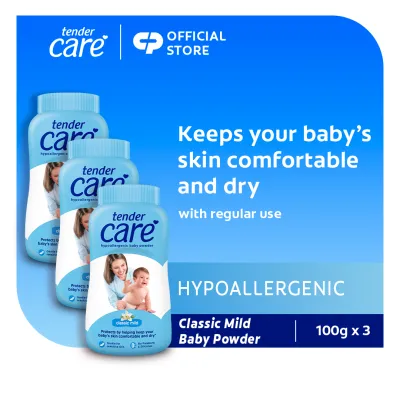
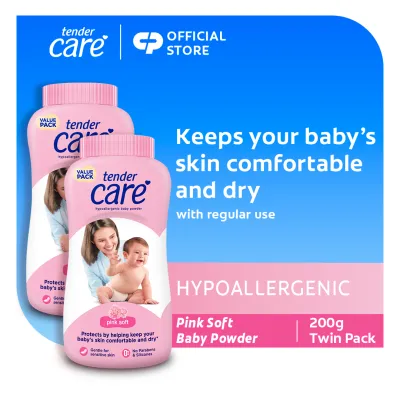
Products mentioned in this guide
![[BUY 2 FREE 1] Tender Care Pink Soft Baby Powder - Hypoallergenic & Dermatologically Tested 100g Value Pack of 3](https://img.lazcdn.com/g/p/1a198013be52a2f9fc4725516f9fb01d.png_400x400q80.png_.webp)
Prices are valid at publication and may change. Please refer to the product page for the latest price.

Ingredient Base and Inhalation Safety
The primary component of any baby powder is its absorbing agent, which typically falls into one of two categories: mineral-based talc or plant-based starches like cornstarch and tapioca. Traditional talc is a naturally occurring mineral that has been used for generations due to its exceptional ability to reduce friction and absorb moisture. Despite its long history, talc has faced significant safety scrutiny globally, leading many modern manufacturers to transition toward plant-derived alternatives.
Cornstarch and tapioca starch are food-derived alternatives that absorb moisture effectively without the specific mineral concerns associated with talc. Because these starch particles are generally larger than talc particles, they are slightly less prone to remaining suspended in the air, though any fine powder can still pose an inhalation risk. General pediatric guidance strongly advises minimizing the inhalation of any fine powders, as airborne particles can irritate a baby’s developing lungs and respiratory tract. When evaluating baby powders, parents should always inspect the ingredient list on the back of the bottle to identify the primary base ingredient.
Skin Soothing Additives and Allergens
Many baby powders incorporate secondary ingredients designed to soothe irritated skin, reduce redness, or provide a pleasant scent. Common additives include botanical extracts such as aloe vera, chamomile, and vitamin E, which are known for their skin-conditioning properties. While these additives can offer mild soothing benefits, they must be balanced against the presence of potential allergens, particularly synthetic fragrances.
In the Philippines, heavily fragranced baby products are highly popular because they help keep babies smelling fresh despite daily sweat and humidity. However, artificial fragrances are a common trigger for contact dermatitis and skin irritation, especially in infants with sensitive skin or a family history of eczema. If your baby has reactive skin, look for fragrance-free or hypoallergenic labels, and carefully cross-reference the ingredient list with any known sensitivities.
Value and Local Accessibility
Practical factors like cost-effectiveness and availability play a significant role in daily parenting decisions. To determine the true value of a baby powder, parents should compare the price per gram across different brands rather than looking only at the retail price of the bottle. A larger bottle or a multi-pack from a mass-market brand often provides a much lower cost per gram than specialty or clinical brands.
Additionally, local accessibility determines how easily you can restock your supplies. Mass-market brands are widely distributed across the Philippines, making them easy to find in local supermarkets, neighborhood pharmacies, and online marketplaces. In contrast, specialized organic or clinical brands are typically restricted to premium baby boutiques, high-end department stores, or specific online platforms, which may require extra shipping time and higher overall costs.
Evaluating Tender Care Baby Powder
Tender Care is one of the most prominent names in the Philippine baby care market, having established itself as a household staple over several decades. To evaluate Tender Care baby powder objectively, parents need to understand its market positioning, analyze its product variations, and know how to inspect the physical packaging before use.
In terms of market positioning, Tender Care is designed as an affordable, everyday moisture-absorption solution. It is formulated to address the immediate challenges of raising a baby in a tropical climate, where sweat accumulation in skin folds can quickly lead to friction rub and heat rashes, locally known as bungang-araw. The brand is highly accessible, offering various bottle sizes ranging from small travel-friendly containers to large family-sized bottles, making it highly adaptable to different household budgets.
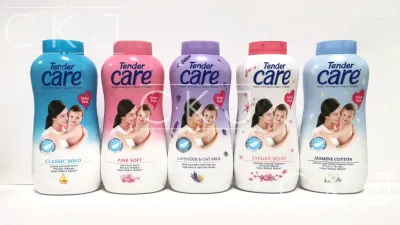
However, because formulations can change, parents must verify the specific variant they are purchasing. Tender Care offers several product lines, including classic formulations, floral-scented options like Sakura and Jasmine, and variants marketed for sensitive skin. Some variants may use traditional talc as their primary base, while others may utilize cornstarch. Rather than assuming all bottles under the same brand are identical, turn the bottle over and read the ingredient list to ensure it aligns with your family’s safety preferences.
Before applying the powder to your baby, conduct a quick physical inspection of the product to ensure its safety and integrity. Use the following checklist during your next purchase:
- Verify the Safety Seal: Check that the plastic wrap around the cap is fully intact and has not been tampered with or punctured.
- Check the Expiration Date: Locate the manufacturing and expiration dates printed on the bottom or back of the bottle to ensure the product is fresh.
- Inspect the Dispensing Cap: Ensure the twist-top mechanism opens smoothly and closes securely to prevent accidental spills and minimize the release of airborne dust.
- Read the Manufacturer Warnings: Review any specific age-suitability warnings or application instructions printed on the label, as these provide crucial safety boundaries.
Tender Care vs. Popular Competing Brands
To help you visualize how Tender Care compares to other options in the Philippine market, it is helpful to contrast it with two broad categories of competitors: Premium Hypoallergenic Brands and Classic Mass-Market Brands. Each category serves a distinct purpose and carries specific trade-offs regarding ingredients, fragrance, and pricing.
| Brand Profile | Primary Base | Fragrance Profile | Price Tier | Best Suited For |
|---|---|---|---|---|
| Tender Care | Talc or Cornstarch (Verify label) | Mild, classic floral or powdery scents | Budget-Friendly (₱) | Normal skin; daily moisture control in humid climates |
| Classic Mass-Market Competitors | Talc or Cornstarch (Verify label) | Distinct, long-lasting traditional scents | Budget-Friendly (₱) | Normal skin; daily sweat and friction management |
| Premium Hypoallergenic Brands | Cornstarch or Tapioca (Verify label) | Fragrance-free or ultra-mild botanical scents | Mid to High (₱₱ – ₱₱₱) | Sensitive, dry, or highly reactive skin |
Analyzing these options reveals clear trade-offs that parents must navigate. Tender Care and its classic mass-market competitors excel in value and accessibility. They are highly effective at absorbing excess moisture during hot afternoon hours, helping to prevent the skin-on-skin friction that leads to chafing. For families with babies who have normal, non-reactive skin, these budget-friendly options offer a highly practical way to maintain daily comfort without straining the household budget.
On the other hand, premium hypoallergenic or clinical brands are specifically formulated to address the needs of compromised skin barriers. These brands often eliminate synthetic fragrances entirely, as artificial scents are among the most common triggers for skin irritation and respiratory discomfort. Additionally, premium brands are more likely to use strictly plant-based starches like cornstarch, arrowroot, or tapioca, and they may include certified organic soothing agents. The trade-off is a significantly higher price per gram and more limited availability, often requiring parents to order online or visit specialty stores.
Ultimately, no single brand is universally superior for every infant. While a premium clinical brand may be necessary for a baby prone to eczema, a standard mass-market option like Tender Care may be perfectly suitable and highly economical for a baby with normal skin. Parents must weigh these practical trade-offs against their baby’s specific skin condition and verify the exact ingredients on the physical bottle before making a final purchase.
Decision Framework: Which Powder Fits Your Baby's Needs?
Choosing the right baby powder does not have to be a guessing game. By assessing your baby’s skin type, environmental exposure, and your family’s ingredient preferences, you can use a structured decision framework to select the most appropriate product.
Choose Tender Care if:
- Your baby has normal, healthy skin with no history of severe allergies, eczema, or reactive rashes.
- You need an affordable, highly accessible everyday powder to manage sweat and moisture during hot, humid days in the Philippines.
- You prefer a product with a mild, pleasant scent that helps keep your baby smelling fresh, and you have verified that the specific variant's ingredient list meets your standards.
Choose a Premium Hypoallergenic Brand if:
- Your baby has highly sensitive, dry, or reactive skin that easily becomes red or irritated after exposure to standard skincare products.
- You prefer a strictly fragrance-free formula to minimize the risk of contact dermatitis.
- You want a specialized, pediatrician-tested powder designed specifically for infants with compromised skin barriers.
Choose an Organic or Natural Brand if:
- You strictly prefer certified plant-based, non-GMO ingredients such as organic cornstarch, arrowroot, or tapioca starch.
- You are willing to pay a premium price per gram and plan ahead for specialty shopping or online ordering.
- You want to avoid any synthetic additives, preservatives, or mineral-based ingredients entirely.
Verify First and Consult a Professional if:
- Your baby has an active diaper rash, broken skin, oozing sores, or severe redness. Applying powder to broken skin can worsen irritation and promote bacterial or fungal growth.
- Your baby has a history of respiratory sensitivities, asthma, or frequent coughing.
- In any of these situations, stop using baby powder immediately. Consult a pediatrician or qualified healthcare professional to obtain a proper medical diagnosis and a safe treatment plan, which may involve switching to a targeted barrier ointment or therapeutic cream.
Safe Application and Skin Care Best Practices
Regardless of the brand of baby powder you choose, safe application is paramount to protecting your baby’s health. Because the primary risk associated with baby powder is the accidental inhalation of fine particles, caregivers must follow strict safety protocols during every diaper change or bath routine.
The most critical rule of baby powder application is the “pour into hands first” technique. Never shake a bottle of baby powder directly onto your baby’s body or near their face, as this creates a highly concentrated dust cloud that the baby can easily inhale. Instead, step slightly away from your baby, shake a small amount of powder directly into your own palm, and gently pat the powder onto the baby’s skin folds. Keep the bottle tightly closed and stored well out of the reach of children at all times.
When applying the powder, focus strictly on areas prone to moisture accumulation, such as the neck folds, underarms, and the outer creases of the thighs. Avoid applying powder near the baby’s eyes, nose, mouth, and immediate genital area. For baby girls, general medical guidance advises avoiding the application of talc-based powders to the perineal region entirely.
It is also important to recognize when to stop using powder and transition to other skincare solutions. Baby powder is designed primarily for moisture absorption and friction reduction on healthy skin; it is not a medical treatment for active skin conditions. If your baby begins to cough, sneeze, or show any signs of respiratory distress during or after application, discontinue use immediately. Furthermore, if you notice that skin redness is worsening, or if your baby develops a bright red rash with small red spots around the edges, stop using powder and consult a pediatrician, as this may indicate a yeast infection that requires a specific antifungal treatment rather than a drying agent.
Frequently Asked Questions (FAQ)
Is it safe to use baby powder on a newborn?
Newborn skin is exceptionally thin, delicate, and highly permeable, and their respiratory systems are still in the early stages of development. Most pediatricians recommend avoiding the use of any baby powder on newborns during the first few weeks of life to prevent accidental inhalation and skin irritation. Instead, focus on keeping the skin clean and dry, or consult your pediatrician for approved moisture-barrier creams if your newborn experiences dry skin or mild diaper irritation.
Can baby powder cause respiratory issues?
Yes, inhaling fine powder particles can irritate a baby’s sensitive airways and potentially lead to respiratory discomfort or breathing difficulties. This risk applies to both talc-based and cornstarch-based powders, as any fine particulate matter can be harmful if inhaled into the lungs. To minimize this risk, always apply powder by pouring it into your hands first, far away from the baby’s face, and ensure the room is well-ventilated during application.
What is the difference between talc and cornstarch baby powder?
Talc is a naturally occurring mineral that is highly effective at absorbing moisture and reducing friction, but it has faced safety concerns regarding inhalation risks and potential mineral purity issues. Cornstarch is a natural, food-derived starch that serves as a popular plant-based alternative. While cornstarch particles are larger and heavier than talc particles, making them slightly less likely to remain airborne, both types of powder can still cause respiratory irritation if inhaled. Always check the physical product label of the specific bottle you are buying to confirm which base ingredient is used.

Community discussion
Share your experience or ask a question. Comments are reviewed before publication.