
Quick Answer: Which Powder Is Safer for Your Baby?
When keeping your baby’s skin dry in a warm, humid climate, choosing the right baby powder is a common daily decision. Both traditional talc-based and talc-free baby powders can be safe on intact skin if used correctly, but modern pediatric guidelines generally lean toward talc-free alternatives. This preference is primarily due to the respiratory risks associated with the accidental inhalation of fine mineral dust, rather than direct skin contact.
The safest choice for your infant depends on their specific skin condition, the local environment, and how you apply the product. Before using any product, especially a compact 50g baby powder package, your first step must always be to inspect the ingredient list and safety warnings on the back label.
Understanding the Base Ingredients: Talc vs. Plant-Based Alternatives
To make an informed choice, you must understand what actually goes into these products. Traditional baby powder relies on talc, a naturally occurring mineral composed of magnesium, silicon, and oxygen. When processed into a fine powder, talc is highly effective at absorbing moisture, reducing friction, and preventing chafing in sensitive areas. It has been a staple in household care for generations due to its silky texture and reliable performance in humid conditions.
Products mentioned in this guide
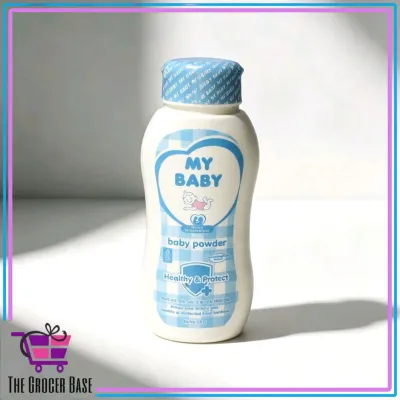
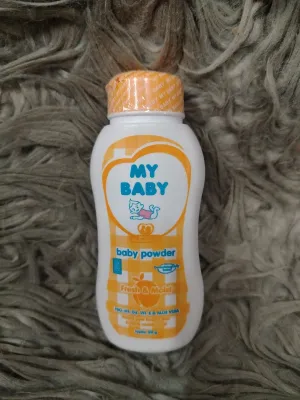
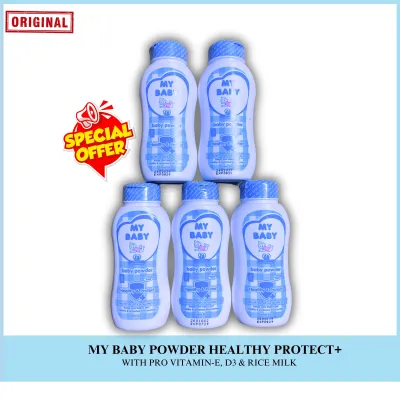
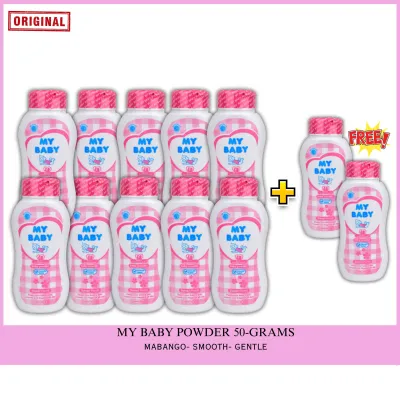
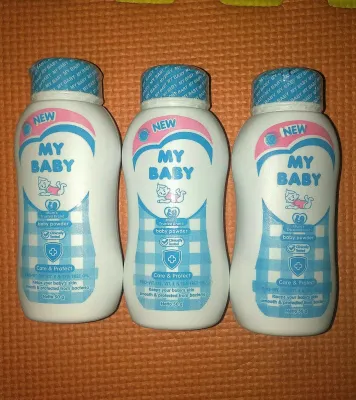
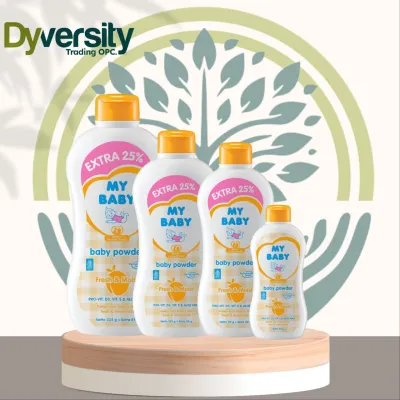
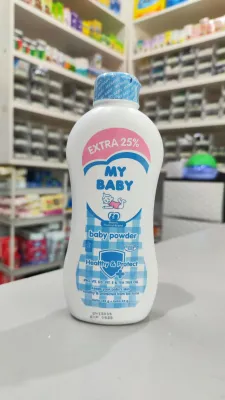
Prices are valid at publication and may change. Please refer to the product page for the latest price.

Conversely, talc-free alternatives utilize plant-based starches to manage moisture. The most common substitute is cornstarch, which is derived from corn kernels. Other plant-based options include arrowroot powder and tapioca starch. These starches feature larger particle sizes than talc, and they work by absorbing excess sweat and oil directly into their organic structures. While they may feel slightly heavier or more grip-like than the ultra-slick feel of talc, they serve the same basic protective function.
When shopping, do not rely solely on front-label marketing terms such as “natural” or “gentle.” These terms are not strictly standardized and can sometimes obscure the actual base ingredients. Instead, turn the container over and read the primary ingredient list on the back of the packaging. This simple habit ensures you know exactly what substance you are applying to your baby’s delicate skin barrier.
Skin Health and Safety: What to Verify on the Label
Evaluating skin compatibility requires looking beyond the primary base ingredient. If you choose a traditional talc-based powder, you must verify that the manufacturer specifies the use of high-purity, cosmetic-grade talc. This ensures the mineral has been thoroughly processed and meets strict quality standards.
For plant-based powders, different considerations apply. Because ingredients like cornstarch or arrowroot are derived from agricultural sources, you must check the packaging for cross-contamination warnings if your baby has known food allergies. Although rare, highly sensitive infants can experience localized skin reactions if they are exposed to starches derived from crops they are allergic to.
Another critical factor is how these ingredients interact with compromised skin. Plant-based starches like cornstarch can theoretically act as a food source for yeast (such as Candida) if applied to skin that is already broken, highly irritated, or trapped in deep, moist folds. If your baby is prone to stubborn diaper rashes, using a starch-based powder in those areas might inadvertently prolong the irritation. You must monitor the skin closely and stop application if you notice spreading redness or small bumps.
Finally, examine the label for secondary ingredients. Many powders contain added fragrances, synthetic preservatives, or essential oils to provide a pleasant scent. These additives are common culprits for contact dermatitis, regardless of whether the base is talc or cornstarch. For newborns and infants with sensitive skin, choosing an unscented, minimalist formulation is generally the safest approach to prevent unnecessary irritation.
Inhalation Risks and Safe Application Practices
The primary safety concern shared by pediatricians worldwide does not stem from skin contact, but rather from how powder behaves in the air. Any loose powder, regardless of its base ingredient, consists of microscopic particles that can easily become airborne. When an infant inhales these fine particles, they can irritate the delicate lining of the lungs and airways, potentially leading to respiratory distress or chronic coughing.
Because of this inhalation risk, safe application practices are paramount. You should never shake the powder container directly onto your baby’s body. Instead, follow these steps to minimize airborne dust:
- Step 1: Shake a small amount of powder directly into your own palm, keeping the container well away from your baby's face and breathing zone.
- Step 2: Rub your hands together gently to distribute the powder across your palms, avoiding any sudden movements that create a visible dust cloud.
- Step 3: Gently pat the powder onto your baby's skin folds rather than rubbing it vigorously, which can cause friction and release more particles into the air.
- Step 4: Immediately close the container tightly and store it completely out of reach of children to prevent accidental spills or inhalation.
If your baby was born prematurely, has developing lungs, or suffers from pre-existing respiratory conditions like asthma, you should exercise extreme caution. In these cases, it is highly recommended to consult your pediatrician before introducing any loose powder into your daily care routine.
Comparing Talc-Based and Talc-Free Powders at a Glance
To help you quickly evaluate your options, the following table outlines the key differences, application conditions, and label checks for both powder types.
| Feature | Talc-Based Powder | Talc-Free Powder (Cornstarch/Arrowroot) |
|---|---|---|
| Base Ingredient | Magnesium silicate (mineral) | Cornstarch, arrowroot, or tapioca (plant-based) |
| Moisture Absorption | Repels moisture and reduces friction on the skin surface | Absorbs moisture directly into the organic starch particles |
| Inhalation Risk | High risk of airway irritation if fine mineral dust is inhaled | Moderate risk of airway irritation from airborne organic dust |
| Skin Considerations | Highly inert on intact skin; does not support yeast growth | Can potentially feed yeast in active, moist diaper rashes |
| Label Verification | Look for cosmetic-grade purity and fragrance-free options | Check for food allergy warnings and added botanical oils |
When managing your household budget, you might also consider the practical value of different packaging sizes. A standard 50g baby powder container is highly portable and convenient for diaper bags, but its cost-effectiveness depends on your usage patterns. With prices often starting around ₱30 to ₱60 for a compact size, it is an affordable way to test skin compatibility. If you only apply powder to targeted areas like the underarms or neck folds during hot, humid afternoons, a 50g size can last for several weeks. However, if you use it for full-body dusting after every bath, you may find that purchasing multiple small units is less economical than opting for a larger size once you have verified skin compatibility.
How to Decide: Choosing the Right 50g Baby Powder
Selecting the right product involves matching the powder’s properties to your baby’s current skin health and your daily environment. Use this decision framework to guide your next purchase:
Choose Talc-Free if…
- You prefer plant-based, renewable ingredients over mined minerals.
- Your primary goal is to minimize the specific respiratory risks associated with mineral talc inhalation.
- Your baby has healthy, intact skin with no history of yeast-related diaper rashes.
- You want a powder that actively absorbs sweat during humid, tropical days.
Choose Traditional Talc if…
- You prefer an ultra-slick texture that provides maximum friction reduction in high-chafing areas.
- You have verified that the product uses high-purity, cosmetic-grade talc.
- You are committed to strict, dust-free application methods to prevent any inhalation.
- Your baby has sensitive skin folds where organic starches might trap moisture or encourage yeast growth.
Neither may fit if…
- Your baby has an active diaper rash, broken skin, or open sores. Applying any powder to compromised skin can cause severe irritation or delay healing.
- Your baby has a diagnosed respiratory condition or chronic cough.
- In these situations, you should bypass powders entirely. Instead, opt for thick barrier creams, zinc oxide ointments, or consult your pediatrician for a targeted treatment plan.
Frequently Asked Questions (FAQ)
Can I use baby powder on a newborn's umbilical cord stump?
No, you should not apply baby powder, creams, or lotions to a newborn’s umbilical cord stump. General pediatric guidance recommends keeping the stump clean and completely dry to allow it to fall off naturally and prevent localized infections. Introducing fine powders to this area can trap moisture, cause irritation, or introduce unwanted particles into the healing tissue. If you notice redness, discharge, or an unusual odor around the stump, consult your pediatrician immediately.
Does a 50g size last long enough for daily use?
The lifespan of a 50g baby powder container depends entirely on your application habits. If you use the powder sparingly for targeted areas—such as applying a small pat to the neck folds or underarms to prevent sweat rash during hot afternoons—a 50g container can easily last for three to four weeks. However, if you perform full-body dusting after every diaper change and bath, a 50g size may only last a week or two. It is highly recommended to track your usage during the first week to determine if buying multiple 50g units or transitioning to a larger container fits your budget better.
Is it safe to mix talc-free and traditional powders?
It is not recommended to mix talc-free and traditional powders in the same container or apply them simultaneously. Combining different bases alters the chemical formulation and physical properties of each product, which can reduce their overall effectiveness. Furthermore, if your baby develops an allergic reaction or skin irritation, mixing the powders makes it nearly impossible to identify which ingredient caused the issue. Keep the products separate to ensure clear label verification, accurate expiry tracking, and predictable skin compatibility.

Community discussion
Share your experience or ask a question. Comments are reviewed before publication.