
Choosing the right growing-up milk for your child in the Philippines is not about finding a single, universally superior brand. Instead, the ideal choice depends on your child’s specific dietary gaps, their taste preferences, and your household budget. Rather than relying on broad marketing claims, parents can make an informed decision by systematically comparing nutrition labels, calculating the actual cost per serving, and observing how well their child tolerates and enjoys the milk. This guide provides a practical, step-by-step framework to compare Sustagen Kids, Nido, and Enfagrow based on verifiable product specifications and everyday usability in your home.
Understanding the Role of Growing-Up Milk
Growing-up milk is formulated for toddlers and young children, typically from one to three years of age or older. Unlike infant formula, which is highly regulated and designed as a baby’s primary nutrition during their first year, growing-up milk is a food supplement engineered to support children transitioning from a liquid-based diet to solid family meals.
These milk drinks are designed to supplement a solid food diet, not to replace regular meals. Toddlers should obtain the vast majority of daily nutrients from a diverse, balanced diet of fruits, vegetables, whole grains, and proteins. Growing-up milk serves as a nutritional safety net, helping to fill common dietary gaps such as calcium, iron, or vitamin D during picky eating phases.
Products mentioned in this guide
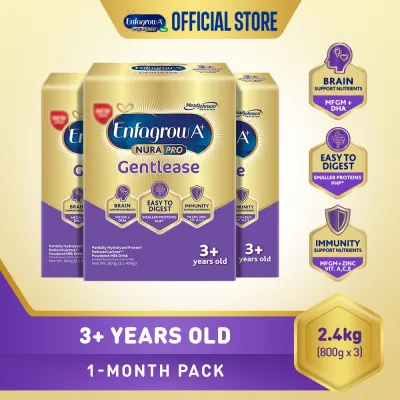
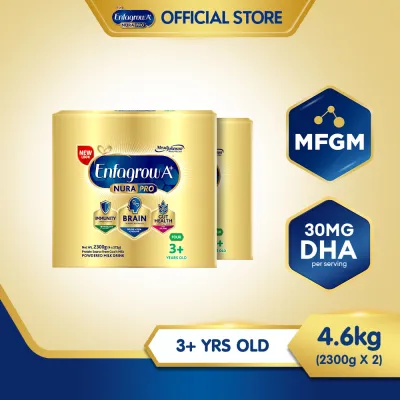

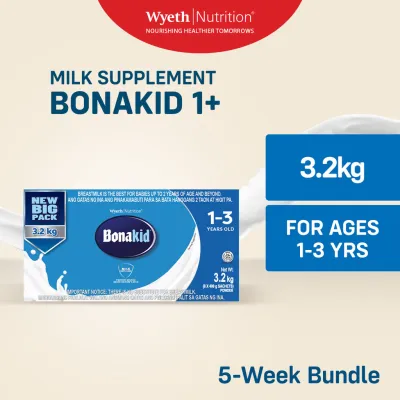
Prices are valid at publication and may change. Please refer to the product page for the latest price.
Before introducing any new milk supplement or switching brands, parents should consult a pediatrician. This is especially important if your child has underlying health conditions, growth concerns, or suspected food sensitivities. A healthcare professional can evaluate your child’s growth and diet to determine if a fortified milk drink is necessary, or if whole cow’s milk is a suitable alternative.
Comparing the Contenders: Brand Positioning and Product Lines
Sustagen Kids, Nido, and Enfagrow are three prominent names on supermarket shelves, each targeting different aspects of childhood nutrition. Because manufacturers frequently update formulations, ingredients, and packaging, use the following brand profiles as a baseline to guide your comparison. When shopping, always verify the exact product variant, age stage, and ingredient list on the physical packaging to ensure it matches your child’s current developmental needs.

Sustagen Kids
Sustagen Kids is generally positioned as a nutritional support drink for active, growing children, emphasizing energy provision, protein content, and essential vitamins and minerals to support daily physical activities and help manage picky eating habits.
When evaluating Sustagen Kids, check the product label for available flavor options like chocolate or vanilla, which can influence acceptance. Pay close attention to the recommended serving size and the carbohydrate-to-protein ratio listed on the nutrition facts panel to understand how it contributes to your child’s daily energy intake.
Nido
Nido is recognized as an everyday family nutrition brand, emphasizing calcium fortification, immune-support nutrients like zinc and vitamin C, and milk-based formulations. It is positioned as an accessible, reliable option for daily consumption across various childhood stages.
When browsing Nido, you will find several variants, including full cream options, fortified sub-lines, and age-specific formulations like Nido 3+ or Nido 5+. Inspect the packaging to identify which variant aligns with your child’s age group and check the label to verify the specific micronutrient levels provided per serving.
Enfagrow
Enfagrow is typically positioned in the premium segment, heavily emphasizing cognitive development with ingredients like DHA, along with specialized prebiotic blends designed to support digestive health and overall immune function.
Because Enfagrow offers multiple specialized variants and age-specific stages, parents must check the label for the correct stage number. Look for specific product lines, such as those formulated for sensitive tummies, and verify the exact levels of dietary fibers and fatty acids listed on the nutritional panel.
Key Dimensions for Your Label Comparison
To make an objective decision, parents must look past creative packaging designs and focus directly on the Nutrition Facts panel and the Ingredients list. Comparing these products requires a systematic approach to ensure you are evaluating them on an equal basis.
Always compare the nutritional values using the same serving size basis. Because different brands use different scoop sizes and water volumes, comparing “per serving” values can be misleading. Instead, calculate the nutrient levels per 100 grams of powder or per 100 milliliters of prepared milk to get an accurate, head-to-head comparison.
Nutritional Profile and Added Sugars
When examining the nutritional profile, focus on key nutrients like protein, calcium, and vitamin D, matching them against your child’s specific dietary gaps. If your child rarely eats dairy or green leafy vegetables, higher calcium and vitamin D levels may be a priority. If they struggle to consume enough protein from solid foods, compare the protein content per reconstituted cup.
Identifying added sugars is a critical step in reading the ingredients list. Look for terms such as sucrose, corn syrup solids, maltodextrin, glucose syrup, or honey. While carbohydrates are necessary for energy, a high concentration of added sugars can contribute to a preference for overly sweet tastes and impact dental health. Compare the “Total Sugars” and “Added Sugars” lines on the nutrition facts panel across the three brands.
Additionally, check the ingredients list for artificial flavors, colors, or preservatives based on your family’s dietary preferences. Some parents prefer plain, unflavored milk to establish healthy eating habits early on, while others may opt for flavored variants to encourage a reluctant drinker. Ensure the chosen product aligns with your household’s nutritional standards.
Taste, Mixability, and Dietary Restrictions
A milk can have an excellent nutritional profile on paper, but it is of little use if your child refuses to drink it or if the powder clumps stubbornly during preparation. To assess practical daily use factors, consider purchasing small boxes, trial packs, or single-serve sachets first. This allows you to test your child’s flavor preference and observe how easily the powder dissolves in warm or room-temperature water without committing to a large, expensive tin.
Parents must also carefully verify allergen warnings on the packaging. Growing-up milks are typically dairy-based and may contain soy lecithin as an emulsifier or other potential allergens. Look for bold text or dedicated allergen statements near the ingredients list to ensure the product is safe for your child.
If your child has a known dairy allergy, lactose intolerance, or specific dietary restrictions, consult a pediatrician before purchasing any growing-up milk. For children with diagnosed cow’s milk protein allergy (CMPA) or severe lactose sensitivity, standard growing-up milks are not suitable, and a specialized, hypoallergenic formula prescribed by a healthcare professional will be required.
Evaluating Value: Cost Per Serving and Availability
Evaluating the financial aspect of growing-up milk requires calculating the true cost per serving rather than simply comparing the upfront price of the tin or box. A larger package may seem more expensive initially, but it often yields a lower cost per gram of powder, making it more economical over time.
To calculate the cost per serving, divide the retail price of the package by the total number of servings it contains. You can find the number of servings by dividing the net weight of the package (such as 800 grams) by the recommended weight of powder per serving (such as 35 grams) specified on the label. This calculation gives you the actual cost per glass, allowing you to budget accurately.
Consider purchasing factors unique to your routine, such as bulk buying discounts at local supermarkets or subscription options on reputable online marketplaces. While online shopping can offer convenience and promotional vouchers, factor in shipping costs and delivery times. Additionally, assess local availability; choosing a brand that is consistently stocked at your neighborhood grocery store or pharmacy prevents sudden, stressful disruptions to your child’s feeding routine.
Keep in mind that ready-to-drink liquid formats or highly specialized, premium variants typically cost significantly more per serving than standard powdered versions. While liquid cartons offer convenience for travel or school snacks, relying on them for daily home consumption can substantially increase your monthly household expenses.
Decision Framework: Which Brand Fits Your Child's Needs?
To choose the right growing-up milk, synthesize your findings into a practical decision framework based on your child’s unique needs and your family’s circumstances.
Choose Sustagen Kids if your child is highly active, has a variable appetite, and you are looking for a milk drink that focuses on energy support and protein, provided you have verified that the sugar content and flavor options align with your family’s dietary preferences.
Choose Nido if you are seeking a widely available, budget-friendly everyday milk drink with a strong focus on calcium and basic micronutrient fortification, and your child prefers a classic, creamy milk taste.
Choose Enfagrow if you prioritize premium formulations with added cognitive-support ingredients like DHA and prebiotic fibers, and your household budget comfortably accommodates a higher cost per serving.
Verify first if your child has any history of allergies, digestive discomfort, or chronic health issues. Always consult your pediatrician before making a final decision. Additionally, if your child already eats a highly diverse, balanced diet of solid foods and drinks water well, verify with your doctor whether a fortified growing-up milk is necessary at all, as whole cow’s milk or simple dietary adjustments might be a more practical choice.
Ultimately, the best growing-up milk is the one that your child tolerates well, drinks consistently without resistance, and fits sustainably into your family’s monthly budget, serving as a supportive partner to a nutrient-dense, balanced diet.
Frequently Asked Questions (FAQ)
Can I mix different brands of growing-up milk in the same day?
While it is physically possible to serve different brands at different times of the day, doing so makes it difficult to track your child’s exact nutrient intake and can increase the risk of exceeding daily upper limits for certain vitamins and minerals, especially iron and vitamin A. Additionally, mixing different powders in the same bottle or cup is not recommended, as it alters the intended reconstitution ratio and can cause digestive upset. Always consult your pediatrician before combining or alternating different fortified milk products.
Is growing-up milk necessary if my child already eats a balanced diet?
No, growing-up milk is not strictly necessary for every child. If your toddler or young child eats a wide variety of whole foods—including fruits, vegetables, lean proteins, grains, and dairy—they may already be meeting all of their nutritional requirements. In such cases, plain whole milk or water is often sufficient. It is best to consult a healthcare professional to assess your child’s growth and diet to determine if specific nutritional gaps exist that warrant a fortified supplement.
How long can I keep prepared milk at room temperature?
In the warm and humid tropical climate of the Philippines, prepared powdered milk should generally be consumed within one hour of preparation if kept at room temperature. Bacteria thrive in warm, moist environments, and leaving prepared milk out for longer poses a risk of contamination and digestive issues for your child. If your child does not finish their cup, discard the leftover milk rather than saving it for later. Always read and follow the specific preparation, storage, and discard instructions printed on your product’s packaging.

Community discussion
Share your experience or ask a question. Comments are reviewed before publication.