
Choosing the right growing-up milk for your child involves balancing nutritional value, digestive tolerance, and your household budget. Promil, Nido, and Enfagrow are three of the most prominent brands available to parents in the Philippines, each offering distinct formulations designed for toddlers and young children. Because every child has unique dietary needs and growth rates, there is no single option that suits every family. The most effective way to decide is to analyze the nutritional labels, calculate the actual cost per serving, and observe how your child’s digestive system responds to the formula.
Before making any changes to your child’s diet, it is essential to recognize that growing-up milks are formulated as dietary supplements rather than complete meal replacements. Solid foods should remain the primary source of nutrition for children aged one year and older. Consulting your pediatrician is the most reliable first step to identify any specific nutritional gaps your child might have, ensuring you select a product that safely supports their development.
Understanding Age Stages and the Role of Growing-Up Milk
Growing-up milks, often labeled as Stage 3 or Stage 4 formulas, are specifically designed to transition toddlers from infant formula or breast milk to a broader family diet. During the toddler years, children frequently experience phases of picky eating, which can lead to minor gaps in essential micronutrients. These milk products are fortified with vitamins and minerals to help bridge those gaps, serving as a nutritional safety net rather than the foundation of their daily food intake.
Products mentioned in this guide



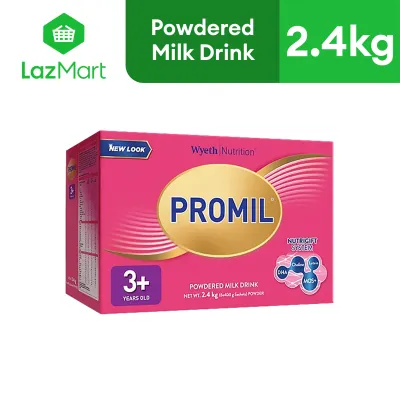
Prices are valid at publication and may change. Please refer to the product page for the latest price.
When browsing the shelves of local supermarkets or online marketplaces, you will find that Promil, Nido, and Enfagrow categorize their products by specific age brackets. For instance, Stage 3 products are generally intended for children aged one to three years, while Stage 4 products cater to children aged three years and older. It is crucial to read the front and back of the packaging carefully, as these age recommendations are calibrated to match the average nutritional requirements of children at those specific developmental milestones.
Using a milk stage that does not align with your child’s actual age can result in an imbalance of nutrients. Formulations for older children may contain different concentrations of proteins, fats, and minerals than those designed for younger toddlers. Always verify the age indicators on the box or tin before purchasing, and avoid transitioning your child to the next stage prematurely unless advised by a healthcare professional.
A child’s health status, growth curve, and dietary habits should dictate the transition between milk brands or stages. If your child has a history of food allergies, lactose sensitivity, or specific metabolic conditions, a sudden switch can trigger adverse physical reactions. A pediatrician can evaluate your child’s growth chart and provide personalized recommendations, helping you determine if a specialized or standard growing-up milk is necessary.
How to Compare Nutritional Profiles on the Label
Evaluating the nutritional value of growing-up milks requires looking past the vibrant marketing claims on the front of the packaging and focusing directly on the Nutrition Information panel. This panel lists the exact quantities of vitamins, minerals, and macronutrients contained in each serving or per 100 grams of powder. By comparing these values side by side, you can determine which brand aligns best with your child’s daily dietary requirements.

Key nutrients to focus on during your label comparison include calcium, iron, zinc, and docosahexaenoic acid (DHA). Calcium is vital for supporting bone and teeth development during rapid growth phases, while iron and zinc play critical roles in cognitive development and immune function. DHA, an omega-3 fatty acid, is frequently highlighted in toddler milks for its association with brain development; comparing the exact milligrams of DHA per serving across Promil, Nido, and Enfagrow will give you a clear picture of their respective formulations.
Beyond beneficial micronutrients, it is equally important to scrutinize the ingredient list for added sugars and flavorings. Manufacturers often add ingredients like sucrose, corn syrup solids, maltodextrin, or lactose to enhance taste and solubility. While some carbohydrates are necessary for energy, a high concentration of added sugars can contribute to rapid tooth decay and establish a preference for overly sweet foods early in life. Look for brands that prioritize lactose as their primary carbohydrate source and minimize added sugars.
The source and structure of proteins in the milk base also warrant close inspection. Some growing-up milks utilize partially hydrolyzed proteins, which are broken down into smaller segments to facilitate easier digestion, while others use standard cow’s milk protein. If your child has a sensitive stomach or a family history of allergies, the type of protein base can significantly influence their digestive comfort.
Finally, verify any specific health or immunity claims made on the packaging by cross-referencing them with recognized national or international nutritional standards. Claims regarding gut health, such as the inclusion of prebiotics (like oligofructose or inulin) or probiotics, should be backed by clear ingredient listings. If you are uncertain about how a specific nutrient or additive affects your child’s health, consult a pediatrician to obtain an objective, evidence-based explanation.
Evaluating Daily Practicalities: Budget and Usability
While nutritional content is a primary consideration, the practical aspects of daily preparation and long-term cost are equally important for busy households. Because growing-up milk is consumed daily, small differences in price and preparation efficiency can accumulate significantly over weeks and months. Parents must establish a realistic budget and assess how easily each milk powder integrates into their daily routine.
To accurately compare the cost of Promil, Nido, and Enfagrow, avoid simply comparing the retail price of the tins or boxes. Instead, calculate the cost per serving using the manufacturer’s preparation instructions. Locate the net weight of the package (for example, 800 grams or 1.2 kilograms) and check the recommended scoop size in grams along with the number of scoops required per glass. Dividing the total package weight by the weight of a single serving will give you the total number of servings per package, allowing you to divide the retail price by this number to find the true cost per serving in ₱.
A child’s willingness to drink the milk is another critical factor that cannot be overlooked. Children can be highly sensitive to variations in taste, aroma, and texture. Some brands may have a stronger vanilla flavor or a sweeter profile, while others taste more like natural cow’s milk. Additionally, observe how easily the powder dissolves in water; some formulations mix smoothly in lukewarm water, while others may require vigorous shaking or warmer temperatures to prevent clumping.
The tropical climate of the Philippines introduces specific storage challenges that parents must manage to maintain product freshness. High humidity and warm temperatures can cause opened milk powder to clump, lose its nutritional quality, or spoil prematurely. When evaluating different brands, consider their packaging formats; tins with tight-fitting plastic lids generally offer better moisture protection than cardboard boxes containing foil pouches. Always check the printed shelf life and storage instructions, ensuring you store the product in a cool, dry place and consume it within the manufacturer’s recommended timeframe after opening.
Making the Final Decision: Matching the Milk to Your Child
Selecting the right growing-up milk ultimately comes down to matching a brand’s specific profile with your child’s physical tolerance, dietary gaps, and your family’s financial plan. If your child eats a highly diverse diet of solid foods and simply needs a basic, cost-effective supplement to maintain their calcium intake, a standard, budget-friendly option may be the most practical choice. Conversely, if your child is transitioning through a severe picky-eating phase, you might prioritize a brand that offers higher concentrations of specific micronutrients like iron, zinc, or DHA, even if it comes at a higher price point per serving.
During the transition period, monitor your child closely for any signs that the new milk may not be suitable for their digestive system. Common indicators of intolerance or sensitivity include persistent loose stools, constipation, excessive gas, vomiting, or skin rashes such as eczema. If you observe any of these symptoms, or if your child exhibits unusual irritability and fussiness shortly after feeding, stop using the milk immediately and seek professional medical advice.
Never attempt to manage suspected milk allergies or severe nutritional deficiencies by continuously switching between commercial brands without professional guidance. A pediatrician can perform diagnostic tests to determine if your child has a cow’s milk protein allergy or lactose intolerance, which require specialized therapeutic formulas rather than standard growing-up milks. The ideal milk is one that your child drinks willingly, digests without discomfort, and fits comfortably within your household budget while supporting their overall growth.
Frequently Asked Questions (FAQ)
Can I mix two different brands of growing-up milk in one serving?
Mixing two different brands of growing-up milk in a single bottle or cup is generally not recommended. Each brand is scientifically formulated with a precise balance of proteins, fats, carbohydrates, and minerals, designed to be dissolved in a specific volume of water to achieve the correct osmolarity. Combining different powders can alter this delicate balance, making the mixture too concentrated or too diluted, which can strain your child’s developing kidneys and digestive system. If you are transitioning your child from one brand to another, it is safer to offer them as separate feeds throughout the day rather than mixing them in a single serving. Always consult your pediatrician and review the preparation instructions on both packages before initiating a transition.
How do I know if my child is sensitive to a specific milk brand?
You can identify a potential sensitivity by closely observing your child’s physical reactions and behavior in the hours and days following a feeding. Common signs of sensitivity or intolerance include frequent spitting up, vomiting, chronic diarrhea, hard or painful stools, abdominal bloating, and excessive flatulence. Skin reactions, such as hives or dry, itchy patches of eczema, can also indicate an adverse reaction to the milk’s ingredients. If your child becomes unusually fussy, cries persistently after drinking, or shows a sudden refusal to feed, these behaviors may stem from digestive discomfort. If you suspect a sensitivity, discontinue the use of the milk immediately and consult a qualified healthcare professional for an accurate diagnosis and a safe dietary plan.
Community discussion
Share your experience or ask a question. Comments are reviewed before publication.