
Choosing the right diaper pants for your baby in the Philippines involves balancing comfort, absorbency, and household expenses. With tropical humidity and high daily temperatures, finding a diaper that prevents leaks without causing heat rash is a constant challenge for parents. While Supertwins diaper pants, Pampers, Huggies, and Equator all offer convenient pull-up designs, they cater to different daily needs, baby body shapes, and budget limits. There is no single diaper that works for every infant, as a baby’s weight, activity level, and skin sensitivity change rapidly during their first few years.
To make an informed decision, parents must look beyond brand names and focus on observable design features, packaging specifications, and real-world performance. This guide establishes a practical framework to help you compare these four popular brands. By evaluating key factors such as waistband elasticity, core absorbency technology, and material breathability, you can determine which diaper pants align with your baby’s current developmental stage and your family’s daily routine.
Core Performance Factors to Evaluate
When comparing diaper pants, the primary factor to assess is the core absorbency technology. Most modern disposable diapers utilize superabsorbent polymers (SAP) mixed with wood pulp to draw moisture away from the skin. However, the distribution of this material inside the diaper core varies. Some brands design their cores with channels that distribute liquid evenly, preventing the diaper from sagging or clumping in the middle. Other designs concentrate the absorbent material in the center, which may feel bulkier but can handle sudden, heavy flows. Parents should check the packaging for terms like “absorption channels” or “quick-dry layers” to understand how the core manages wetness.
Products mentioned in this guide
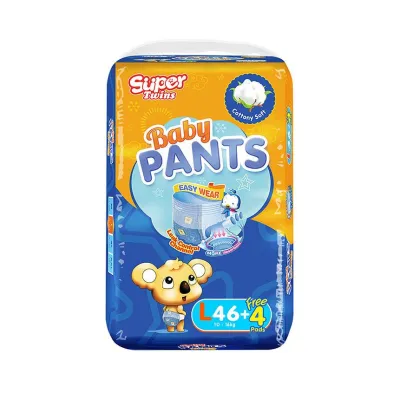
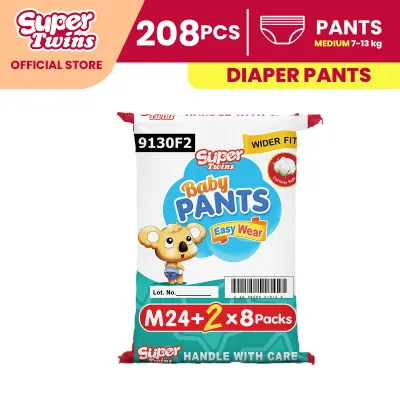
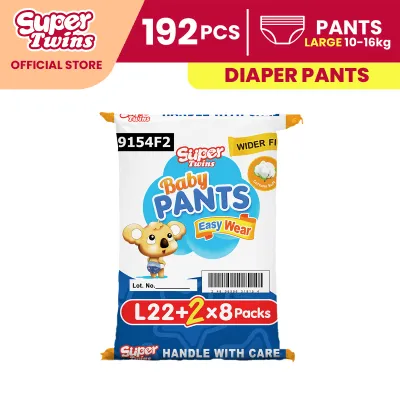
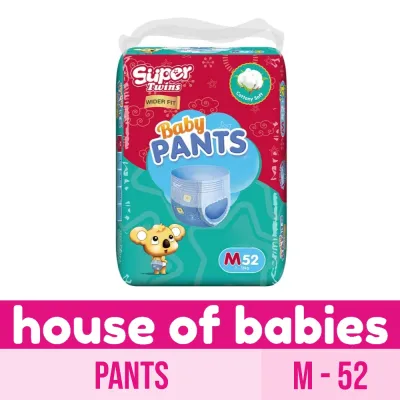
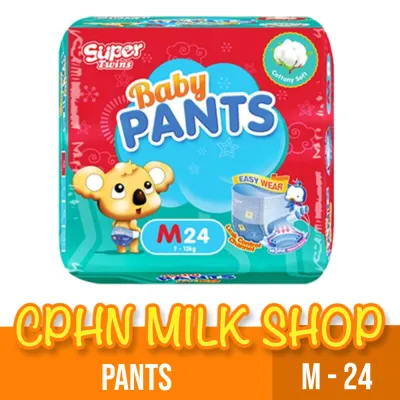
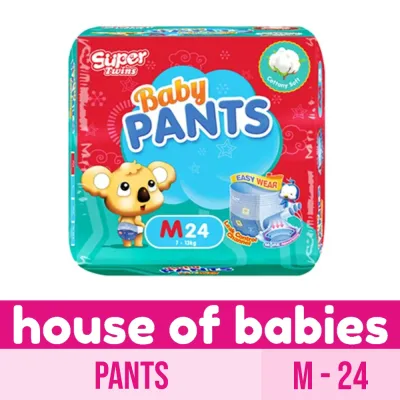
Prices are valid at publication and may change. Please refer to the product page for the latest price.
Another critical feature is the wetness indicator, which typically consists of a color-changing strip on the outer shell of the diaper. This indicator helps caregivers identify when a change is needed without having to pull open the waistband. When evaluating diaper pants, observe the placement and visibility of this indicator. In humid tropical climates, high ambient moisture can sometimes cause slight color changes even before the baby urinates, so it is important to verify the indicator’s reliability through regular physical checks.
Waistband elasticity and leg cuff design are the primary defenses against leaks, especially for active babies who are crawling, walking, or climbing. The waistband of a diaper pant should stretch easily to accommodate a baby’s expanding belly after feeding, yet remain snug enough to prevent the diaper from sliding down. Leg cuffs, often referred to as double leak guards, must wrap gently around the thighs. If these cuffs are too loose, liquid will escape during movement; if they are too tight, they can restrict circulation and leave painful red marks on the baby’s delicate skin.
Material breathability and the composition of the skin-contact layer are vital for maintaining skin health. In hot and humid conditions, trapped sweat and urine can quickly lead to diaper dermatitis. Parents should look for diaper pants that feature micro-porous outer sheets, which allow hot air and moisture vapor to escape while keeping liquid contained. Additionally, check the packaging for claims regarding hypoallergenic materials, cotton-like softness, or the inclusion of skin-soothing lotions, as these features help minimize friction between the diaper material and your baby’s skin.
Brand Positioning and What to Check on the Package
Each of the four brands—Supertwins, Pampers, Huggies, and Equator—occupies a distinct position in the local market, ranging from budget-friendly utility options to premium, feature-rich designs. Understanding these general positions helps narrow down your choices, but the final decision should always be based on the specific details printed on the product packaging. Before purchasing a large box, parents should carefully inspect the labels for size charts, weight recommendations, and specific material certifications.

Supertwins Diaper Pants
When examining Supertwins diaper pants, start by checking the packaging for details regarding core thickness and stated absorbency capacity. This brand is widely recognized for offering practical, everyday utility, making it a popular choice for families seeking a balance between cost and performance. Look for packaging descriptions that detail the absorption speed and how the core handles multiple wettings, which is crucial for determining if the diaper is suitable for extended wear.
Next, observe the waistband stretch and the overall cut of the diaper pants. Supertwins diaper pants are designed to provide a secure fit for active toddlers, but the elasticity of the waistband can vary between different size batches. Parents should verify the recommended weight range on the package, as some users find that the cut of these diaper pants fits more snugly around the hips compared to other brands. If your baby is at the upper limit of a weight bracket, you may need to check if transitioning to the next size up is necessary to prevent tightness.
Finally, note any specific skin-care ingredients or breathability features listed on the label. Check if the packaging mentions a breathable backsheet or any hypoallergenic properties. Because tropical heat can exacerbate skin friction, verifying these material claims on the package helps ensure the diaper pants will keep your baby comfortable during active daytime play.
Pampers
Pampers diaper pants are generally positioned as a premium option, with various product lines tailored to different developmental stages and skin needs. When shopping, look for specific line variations, such as Baby-Dry or Premium Care, and check their stated absorbency differences on the packaging. Premium lines often emphasize longer dryness protection, which is a key consideration for overnight use.
Check the leg cuff elasticity and the placement of the wetness indicator on the diaper pants. Pampers packaging frequently highlights a 360-degree stretchy waistband designed to mimic the fit of real underwear, reducing gaps at the back. Verify if the specific line you are choosing includes double-layer leg guards to prevent side leaks during sleep or active movement.
Review the material softness and fit claims printed on the package. Many Pampers products feature a soft, cotton-like top sheet and may include a mild lotion layer to protect the skin barrier. Parents should verify these ingredient lists on the packaging, especially if their baby has a history of skin sensitivity or allergic reactions to added fragrances.
Huggies
Huggies diaper pants are known for their focus on structural fit and leak prevention. When evaluating Huggies packaging, examine the waistband structure and look for descriptions of their specialized leak-lock systems. Many Huggies diaper pants feature a wide, pocketed waistband designed to trap runny stools and prevent messy blowouts, which is particularly useful for younger infants who are transitioning to solid foods.
Check the packaging for specific breathability or skin-soothing claims. Huggies often highlights clinically tested hypoallergenic materials or the absence of harmful chemicals on their labels. Parents should verify these certifications on the package to ensure the materials align with their baby’s skin requirements.
Compare the overall bulkiness and fit profile of the diaper pants. Huggies packaging often indicates whether the diaper is designed with an ultra-slim core for daytime mobility or a high-capacity core for overnight protection. A slimmer profile can make it easier for babies to move freely, while a thicker core may be preferred for long car rides or uninterrupted night sleep.
Equator
Equator diaper pants are positioned as a highly economical choice, focusing on straightforward functionality and value. When reviewing Equator packaging, check the core technology and absorbency capacity claims. Because these diaper pants are designed for frequent daily changes, the packaging may emphasize rapid absorption rather than long-term overnight dryness.
Check the elasticity of the waist and leg gathers on the diaper pants. Ensure that the elastic materials listed on the packaging are designed to be soft and flexible. Since budget-friendly diapers sometimes use simpler elastic bands, verifying that the gathers are gentle is important to prevent skin chafing during hot, humid afternoons.
Note any value-focused features or specific material compositions mentioned on the label. Look for indications of a cloth-like backsheet, which offers better breathability than plastic-like alternatives. Understanding these basic features helps parents determine if Equator diaper pants are suitable for daytime use when diapers are changed more frequently.
Feature Comparison Matrix
To help you compare these brands side-by-side, the following matrix outlines the key features you should verify on each brand’s packaging. Because retail prices and promotional discounts fluctuate frequently across local supermarkets and online marketplaces, parents should calculate the estimated cost per piece using their current local pricing.
| Brand | Absorbency Tech / Claims | Waistband & Leg Cuff Design | Breathability & Material | Estimated Cost per Piece (₱) |
|---|---|---|---|---|
| Supertwins | Verify SAP core and absorption channel claims on package | Check for flexible waistband and snug hip cut | Look for breathable backsheet labels | Calculate: Pack Price ÷ Pieces |
| Pampers | Check for multi-channel dryness and overnight claims | Look for 360-degree stretch and double leg guards | Verify hypoallergenic and lotion-infused claims | Calculate: Pack Price ÷ Pieces |
| Huggies | Look for leak-lock system and high-capacity core descriptions | Check for pocketed waistband to prevent blowouts | Verify clinically tested hypoallergenic labels | Calculate: Pack Price ÷ Pieces |
| Equator | Verify quick-dry layer and basic SAP distribution claims | Check for soft elastic waist and leg gathers | Look for cloth-like outer cover descriptions | Calculate: Pack Price ÷ Pieces |
How to Choose Based on Your Baby's Needs
Choosing the right diaper pants requires matching these observable features to your baby’s daily routine and physical characteristics. If your primary goal is managing a budget while maintaining hygiene during the hot daytime hours, choosing Supertwins or Equator diaper pants can be highly practical. In the Philippines, the high humidity means babies should be changed frequently to prevent sweat accumulation, regardless of how full the diaper is. Using these value-focused brands during the day allows you to perform frequent changes without incurring high costs.
If your baby is a heavy wetter or you want to ensure uninterrupted sleep for both yourself and your child, choosing Pampers or Huggies for overnight use is often the more suitable path. These brands typically offer advanced core technologies designed to lock away moisture for up to twelve hours, keeping the skin dry even during long periods of sleep. Additionally, if your baby has highly sensitive skin that reacts quickly to moisture or friction, the specialized hypoallergenic and lotion-infused layers found in premium lines may help reduce the risk of irritation.
Always verify the fit first if your baby is experiencing a growth spurt or has unique body proportions. For example, babies with rounder bellies or chunkier thighs may require a brand with highly elastic waistbands and wider leg openings, such as Huggies or Pampers, to avoid painful red marks. Conversely, slimmer babies might get a more secure, leak-free fit from the snugger cut of Supertwins diaper pants. Never rely solely on the age recommendations printed on the package; always use your baby’s current weight as the primary guide when selecting a size.
Tips for Testing and Transitioning Brands
When transitioning to a new diaper brand, it is wise to purchase the smallest pack size available rather than buying in bulk. This allows you to test the diaper’s fit and compatibility with your baby’s skin without a significant financial commitment. Start by using the new diaper pants during the day when you can monitor your baby’s comfort and movement closely.
During the trial period, check your baby’s skin regularly for any red marks around the waist and thighs. These marks are a clear sign that the elastic is too tight or that the diaper cut is not compatible with your baby’s body shape. Additionally, observe the diaper during active play and nap times to see if any leaks occur, which could indicate that the size is too large or the leg cuffs are not sealing properly.
Monitor your baby’s skin for any signs of irritation, redness, or diaper rash over a period of three to five days. If you notice persistent rashes, severe redness, or skin peeling, stop using the diaper pants immediately. Keep the area clean and dry, and consult a qualified pediatrician or healthcare professional to address the irritation and receive appropriate guidance on skin care.
Frequently Asked Questions (FAQ)
Can I mix different diaper brands for day and night use?
Yes, mixing diaper brands is a highly practical strategy used by many parents to balance performance and budget. You can use lighter, more economical diaper pants like Supertwins or Equator during the day when changes are frequent, and switch to high-capacity, premium diaper pants like Pampers or Huggies for overnight sleep. When using this strategy, remember to check the size charts for each brand individually. A size Medium in one brand may fit differently than a size Medium in another, so you must ensure both options fit your baby securely to prevent leaks.
How do I know if the diaper pants are too small or too big?
You can determine if diaper pants are the wrong size by observing how they fit and perform. Signs that a diaper is too small include deep red marks on your baby’s thighs or waist, frequent leaks even when the diaper is not fully saturated, and difficulty pulling the pants up over your baby’s hips. If the waistband sits far below the belly button, it is also time to size up. Conversely, signs that a diaper is too big include gaping gaps around the leg openings, the diaper sagging or sliding down when your baby crawls or walks, and leaks occurring almost immediately after your baby urinates.

Community discussion
Share your experience or ask a question. Comments are reviewed before publication.