
Choosing the right sunblock for your child in a tropical climate requires balancing high-performance UV protection with extremely gentle ingredients. The intense, year-round heat and high humidity in the Philippines mean that children sweat more quickly, which can easily wash away standard sunscreens. To keep your child’s delicate skin safe from sunburn and long-term UV damage, you need a formula that is highly water-resistant, broad-spectrum, and free from harsh chemicals that can trigger heat rashes or allergic reactions.
Navigating the baby care aisle can feel overwhelming with hundreds of local and imported options available. By focusing on how active ingredients interact with tropical humidity and understanding how to read product labels, you can confidently select a sunblock that offers reliable protection. This guide outlines the essential criteria for tropical sun safety, details what to look for on packaging, and provides practical application tips to keep your little ones protected during outdoor play.
Quick Guide: Core Criteria for Tropical Sun Protection
When protecting children’s skin in tropical environments, the baseline standard for sun protection is non-negotiable. Pediatric dermatologists generally recommend using a broad-spectrum sunblock with a minimum of SPF 30, though SPF 50 is highly preferred for prolonged outdoor exposure under intense equatorial sunlight. Broad-spectrum coverage ensures the formula shields the skin from both Ultraviolet A (UVA) rays, which penetrate deeply and cause long-term cellular damage, and Ultraviolet B (UVB) rays, which are responsible for painful sunburns.
Products mentioned in this guide
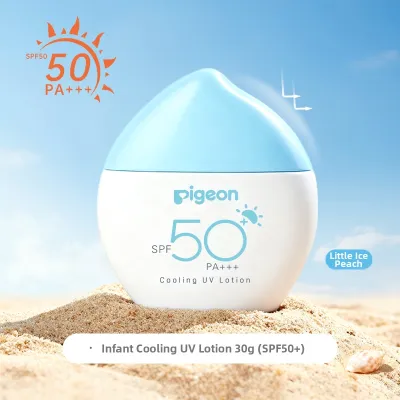
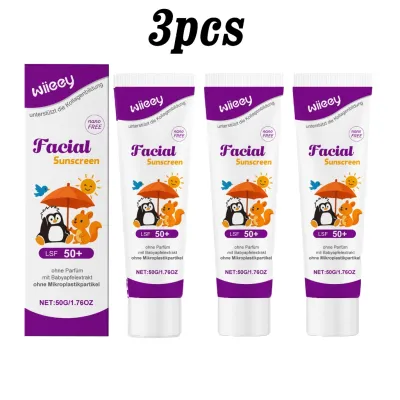
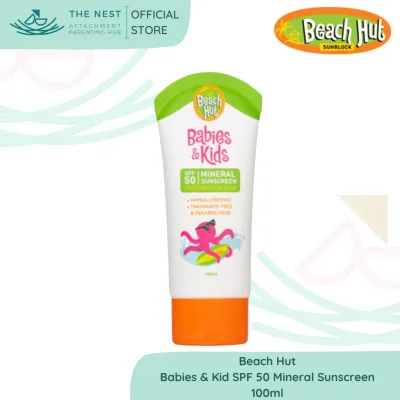
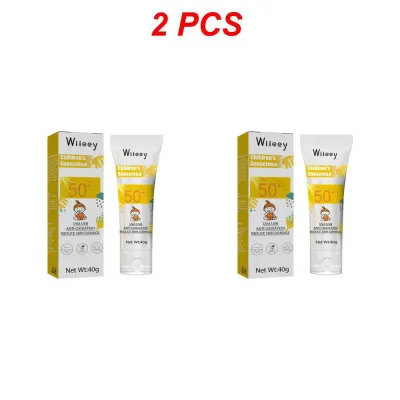
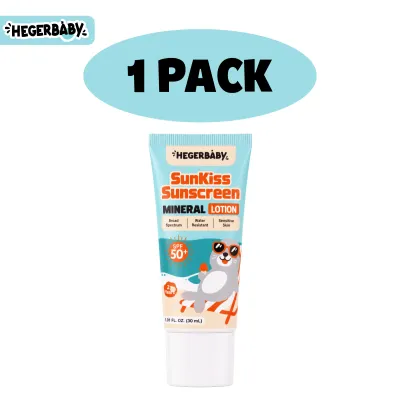
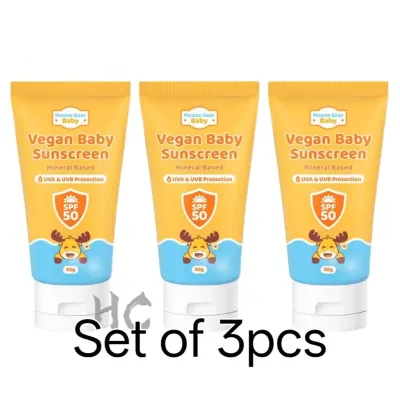
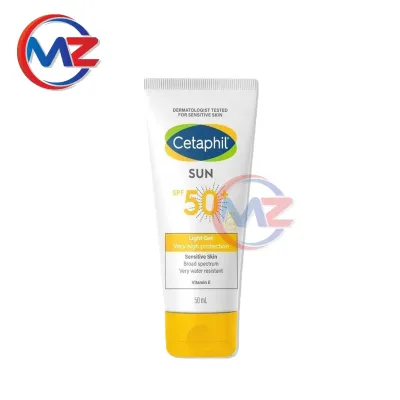
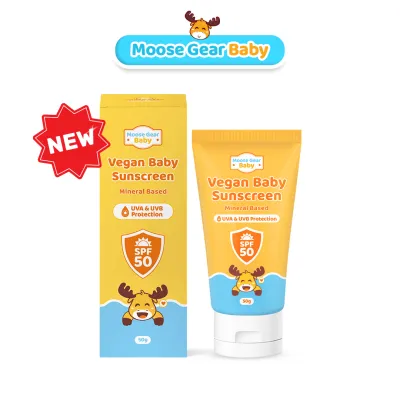
Prices are valid at publication and may change. Please refer to the product page for the latest price.
In addition to the Sun Protection Factor (SPF), you must look at the PA rating system, which measures UVA protection. In high-UV regions, a rating of PA+++ or PA++++ is highly recommended to ensure your child has robust defense against the intense daily solar radiation. Without this dual-layer protection, a sunblock may prevent surface burns while still allowing deeper, invisible skin damage to occur.
Humidity and heavy perspiration present a major challenge for sun protection in tropical climates. When children run, play, or swim in warm weather, their sweat can quickly emulsify and wash away standard lotions, leaving their skin completely exposed. Selecting a formula explicitly labeled as water-resistant is crucial to ensure the protective barrier remains intact on the skin even when your child is actively sweating or playing in the water.
To achieve this resistance without irritating young skin, it is helpful to understand the difference between physical (mineral) and chemical UV filters. Physical sunblocks use natural minerals like zinc oxide and titanium dioxide to form a physical shield on top of the skin, reflecting UV rays away like tiny mirrors. Chemical sunblocks, on the other hand, absorb UV rays and convert them into heat within the skin. Mineral options are widely preferred for younger children and those with sensitive skin because they do not absorb into the bloodstream, are less likely to cause stinging in the eyes, and work immediately upon application.
Decoding the Label: What to Verify Before Buying
Reading a sunblock label carefully is the most reliable way to verify its safety and efficacy before making a purchase. True broad-spectrum protection will always be clearly stated on the front of the packaging. When evaluating SPF numbers, keep in mind that SPF 30 filters out approximately 97 percent of UVB rays, while SPF 50 filters about 98 percent; higher numbers offer marginally more protection but require a higher concentration of active chemical or mineral ingredients, which can sometimes increase skin sensitivity.

Water resistance is measured by standardized testing and is typically listed on the label as either 40 minutes or 80 minutes. This rating tells you exactly how long the sunblock maintains its stated SPF level while the child is actively swimming or sweating. It is important to note that terms like “waterproof” or “sweatproof” are no longer permitted on reputable product labels, as no sunblock can completely resist water indefinitely. Any product making these absolute claims should be approached with caution.
When scanning the ingredient list, there are several components you should actively avoid to protect both your child’s health and the environment. Chemical filters such as oxybenzone and octinoxate have been flagged in pediatric research for potential hormone disruption and skin sensitization, and they are also known to cause severe damage to marine ecosystems. Additionally, synthetic fragrances, parabens, and alcohol should be avoided, as they can dry out the skin and trigger contact dermatitis or painful stinging when mixed with sweat.
Instead, look for pediatric formulas enriched with soothing, skin-barrier-supporting additives. Ingredients like aloe vera, calendula, chamomile, ceramides, and colloidal oatmeal help calm the skin, reduce redness, and maintain natural moisture levels under the hot sun. These additives help counteract the drying effects of wind, salt water, and heat, keeping your child’s skin comfortable throughout the day.
Finally, always verify the age appropriateness of the product before application. Pediatric guidelines strictly warn against using any sunblock on infants under six months of age without direct medical advice. An infant’s skin is highly permeable and lacks the ability to metabolize absorbed chemicals or minerals efficiently. For babies under six months, the safest approach is complete shade, lightweight protective clothing, and wide-brimmed hats; for children older than six months, gentle, mineral-based pediatric sunblocks are highly suitable.
Application and Maintenance in Heat and Humidity
Even the highest-quality sunblock will fail to protect your child if it is applied incorrectly or infrequently. To achieve the level of protection stated on the bottle, you must apply a generous volume of product. For a child’s face and neck, a nickel-sized dollop is generally required, while their entire body will need approximately the equivalent of a standard shot glass of lotion. Applying too thin a layer drastically reduces the effective SPF, leaving the skin vulnerable to burns.
Timing is another critical factor in tropical sun safety. If you are using a formula that contains any chemical filters, you must apply it 15 to 30 minutes before your child steps outdoors. This waiting period allows the active ingredients to bind fully to the skin cells and form an effective barrier. While pure mineral sunblocks technically work immediately, applying them indoors beforehand still ensures an even, unhurried application before your child begins to sweat or run around.
Reapplication is the most common area where sun protection breaks down. In hot and humid conditions, you must reapply sunblock at least every two hours, regardless of the SPF rating. Furthermore, there are immediate reapplication triggers that override the two-hour rule: heavy sweating, active swimming, and especially towel drying. Rubbing a towel across your child’s skin instantly removes the protective sunblock layer, meaning you must reapply a fresh coat immediately after they dry off.
At the end of the day, proper removal of sunblock is essential to maintain healthy skin. Because water-resistant mineral sunblocks are designed to adhere tightly to the skin, they do not wash off easily with water alone. Leaving these heavy formulas on overnight can clog pores, trap sweat, and lead to painful heat rashes, commonly known as prickly heat or bungang-araw. To safely remove the product, gently cleanse your child’s skin using a mild baby oil or micellar water on a soft cotton pad to break down the mineral barrier, followed by a warm bath with a gentle, fragrance-free baby wash.
Building Your Shortlist: Matching Sunblock to the Activity
To build a practical sun protection toolkit, it is best to match the sunblock format to your child’s specific daily activities and skin type. Having a few different options on hand makes daily application much easier and ensures you are always prepared for different outdoor scenarios.
Everyday Outdoor Play
For daily trips to the playground, short walks, or outdoor school activities, look for lightweight, non-greasy lotions or solid sunblock sticks. Sunblock sticks are incredibly convenient for quick, mess-free touch-ups on highly exposed areas like the nose, cheeks, ears, and the backs of the hands. They glide on easily without leaving a heavy, sticky residue, making them ideal for squirming children who dislike the feeling of thick creams during hot, humid days.
Beach and Water Activities
When planning a day at the beach or pool, prioritize highly water-resistant formulas rated for 80 minutes of water exposure. Because these activities often take place near delicate marine environments, look for products carrying eco-conscious or “reef-safe” labels, which indicate the absence of coral-damaging chemicals like oxybenzone. Always verify local environmental regulations, as some coastal destinations and marine sanctuaries have strict bans on specific chemical sunscreen ingredients to protect their local reefs.
Sensitive or Eczema-Prone Skin
If your child has highly sensitive skin, eczema, or a history of allergic reactions, focus exclusively on fragrance-free, hypoallergenic, 100% mineral-based options. These formulas should feature zinc oxide as the sole active ingredient and contain a minimal, easily recognizable list of supporting ingredients. Avoiding botanical extracts or complex essential oils can further minimize the risk of contact allergies on compromised skin barriers.
Before purchasing any sunblock, take the time to cross-check current stock, expiration dates, and authentic pricing on official brand websites or authorized e-commerce platforms. High-quality pediatric sunblocks in the local market typically range in price from ₱300 to over ₱1,200 depending on the formulation and bottle size. Be cautious of unusually cheap listings on unauthorized online marketplaces, as counterfeit skincare products can contain harmful contaminants or lack active UV filters entirely, leaving your child unprotected.
Frequently Asked Questions (FAQ)
Can I use adult sunblock on my child?
It is highly recommended to avoid using adult sunblock on children unless it is an absolute emergency. Adult formulations frequently contain high levels of synthetic fragrances, chemical preservatives, alcohol, and active chemical filters that can easily penetrate and irritate a child’s thin, sensitive skin. Pediatric sunblocks are specifically formulated, tested, and balanced to minimize these risks. If you must use an adult sunblock in an emergency, check the label to ensure it is free from fragrance and oxybenzone, and wash it off thoroughly with gentle soap as soon as you return indoors.
Is spray sunblock safe and effective for kids?
While spray sunblocks offer convenient and fast application for active children, they carry notable safety and efficacy risks. The primary concern is the risk of inhalation, as spraying aerosolized particles near a child’s face can irritate their lungs and trigger respiratory issues. Additionally, wind can easily blow the spray away, making it difficult to achieve an even, adequate layer of protection. If you choose to use a spray sunblock, always spray the product directly into your hands first, and then rub it gently onto your child’s face and body to ensure complete, safe coverage.
How do I know if my child is having a reaction to the sunblock?
An adverse reaction to sunblock typically presents as localized redness, small bumps, itching, swelling, or a raised rash in the areas where the product was applied. These symptoms can appear almost immediately or several hours after exposure to the sun and sweat. If you observe any signs of skin irritation, stop using the product immediately and move your child into the shade. Gently wash the affected area with cool water and a mild, soap-free cleanser to remove all traces of the sunblock, apply a cool compress to soothe the skin, and consult a pediatrician if the rash persists, spreads, or causes significant discomfort.

Community discussion
Share your experience or ask a question. Comments are reviewed before publication.