
Choosing the right diaper rash cream for your baby in the Philippines often comes down to balancing the local tropical humidity with your baby’s specific skin condition. Sudocrem is widely recognized as a thick, zinc oxide-based barrier paste designed to protect delicate skin from moisture and irritants. If you are looking for a heavy-duty barrier to shield your baby’s skin during long overnight stretches or periods of heavy wetting, a thick paste like Sudocrem is often a highly suitable option.
However, a dense barrier paste may not be the ideal choice for every situation. If your baby has extremely sensitive skin that reacts to specific fragrances, or if you prefer a lighter, fast-absorbing texture that is easier to spread in hot and humid weather, you may want to explore alternative creams or lotions. Because every baby’s skin reacts differently, it is essential to review individual product labels carefully and consult your pediatrician if you notice a persistent, worsening, or severe rash.
Key Ingredients to Check in Diaper Rash Creams
Understanding the ingredients on a diaper rash cream label allows you to make an informed decision based on your baby’s current skin needs. Most diaper care products rely on a combination of active barrier agents, soothing emollients, and preservatives. By learning to identify these components, you can select a product that provides effective protection without triggering unwanted skin reactions.
Products mentioned in this guide
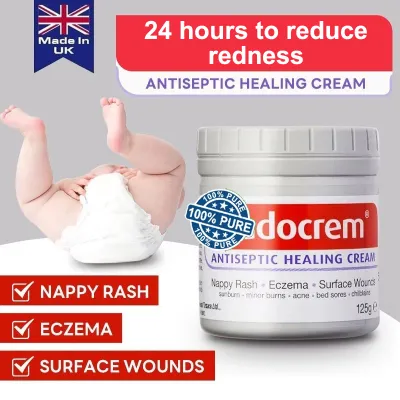
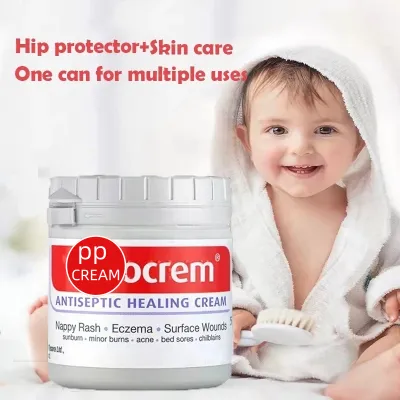
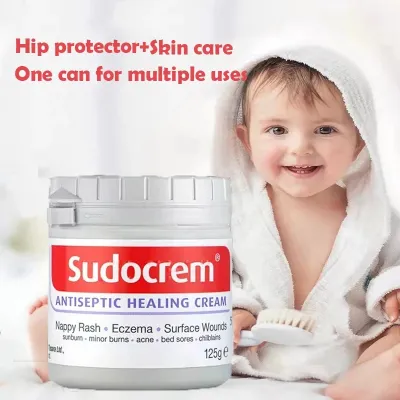
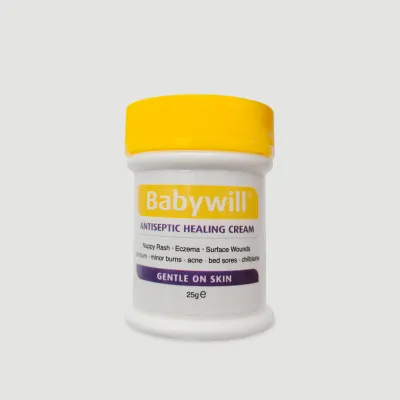

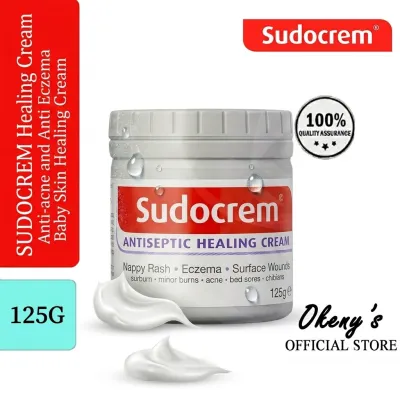
Prices are valid at publication and may change. Please refer to the product page for the latest price.
Common Barrier Ingredients
- Zinc Oxide: This is one of the most common active ingredients found in traditional diaper barrier pastes. It forms a physical, water-resistant layer over the skin, blocking wetness and friction from the diaper.
- Petroleum Jelly or Petrolatum: Often used as a base, this ingredient helps seal in natural moisture while creating a slick barrier that prevents stool and urine from directly contacting the skin.
- Lanolin: A deeply hydrating emollient that mimics natural skin lipids, helping to soften dry or chafed skin while contributing to a water-repellent barrier.
Soothing Agents and Potential Irritants
- Allantoin and Chamomile: These botanical or synthetic compounds are frequently added to lighter creams to help soothe mild redness and support natural skin recovery.
- Fragrances: While pleasant, added perfumes or synthetic fragrances can irritate compromised skin, especially in babies prone to eczema or contact dermatitis.
- Preservatives and Alcohol: Certain formulations contain specific preservatives or benzyl alcohol to maintain shelf life and prevent bacterial growth, but these can sometimes cause a mild stinging sensation on open or highly inflamed skin.
To ensure your baby’s safety, always cross-reference the ingredient list on the packaging with any known sensitivities your baby has shown in the past. If your pediatrician has recommended avoiding specific additives, such as synthetic fragrances or parabens, checking the label before purchase is the most reliable way to protect your baby’s skin barrier.
Evaluating Sudocrem: What to Look for on the Label
When evaluating Sudocrem specifically, the product packaging serves as your primary guide for safe and effective use. Because formulations can vary slightly depending on the region and the specific product line, reading the physical label is crucial before applying the paste to your baby’s skin.

Start by identifying the primary active ingredients listed on the back of the tub or tube. Sudocrem typically features zinc oxide as a key barrier component, alongside emollients like lanolin and mild soothing agents. The label will also outline the manufacturer’s stated purpose, helping you confirm whether the specific bottle is intended for daily diaper area protection or broader skin soothing.
Next, carefully check the packaging for age recommendations, specific usage instructions, and manufacturer warnings. Some formulations may have age limits or require specific application frequencies that you must follow to ensure safety. Additionally, look for clear instructions on how to store the product, as tropical heat and high humidity in the Philippines can sometimes affect the consistency of thick barrier pastes if they are not kept in a cool, dry place.
Finally, always verify product authenticity when purchasing from physical shops or online marketplaces. Look for intact safety seals, clear batch numbers, and legible expiration dates printed directly on the container. Counterfeit or expired skincare products can pose significant risks to your baby’s delicate skin, making these simple visual checks an indispensable part of your shopping routine.
Sudocrem vs. Other Diaper Rash Creams: A Comparison Framework
To choose between Sudocrem and the wide variety of alternative diaper rash creams available, it helps to establish a structured comparison framework. Rather than relying on general popularity, you can evaluate products side-by-side using verifiable specifications that directly impact how the cream performs on your baby’s skin.
Key Comparison Dimensions
- Active Ingredient Concentration: Higher concentrations of zinc oxide generally result in a thicker, more durable barrier, whereas lower concentrations are typically found in lighter, daily-wear creams.
- Texture and Thickness: Thick pastes excel at blocking heavy moisture but can be difficult to spread and wash off. Lighter creams or lotions absorb quickly and are easier to apply, though they may require more frequent reapplication.
- Fragrance Status: Unfragranced options are generally preferred for highly sensitive or broken skin, while lightly fragranced options may be acceptable for babies with normal skin types.
- Age Suitability: Always verify if a product is cleared for newborns or if it is recommended only for older infants and toddlers.
When shopping in-store or browsing online stores, keeping a mental checklist of these dimensions will help you cut through marketing claims. For example, if you are dealing with the intense heat of the local climate, you might weigh the trade-offs of a heavy paste. While a thick barrier like Sudocrem provides robust protection against overnight wetness, a lighter, fast-absorbing soothing lotion might feel more comfortable for your baby during hot daytime hours when frequent diaper changes are easier to manage.
How to Decide: Matching the Cream to Your Baby's Skin Needs
Selecting the right diaper care product requires matching the cream’s physical properties to your baby’s current skin condition and your family’s daily routine. There is no single product that suits every baby at all times, so understanding when to deploy different types of creams is key to maintaining healthy skin.
When to Choose Sudocrem or Similar Thick Pastes
- Overnight Protection: If your baby sleeps through the night and is exposed to wet diapers for extended periods, a thick zinc oxide paste provides a durable shield that won't easily rub off.
- Heavy Wetting: For babies who wet heavily, a robust moisture barrier is essential to prevent urine from breaking down the delicate skin barrier.
- Highly Sensitive Areas: When skin is already showing signs of moderate chafing, a thick layer of paste prevents further friction from the edges of the diaper.
When to Choose Lighter Alternative Creams
- Mild Redness: For minor, occasional redness, a lighter cream with soothing botanical extracts or a lower concentration of zinc oxide is often sufficient to calm the skin.
- Easy Application and Removal: If you prefer a product that glides on smoothly without pulling on the skin and washes off easily during bath time, a lighter lotion or cream is highly practical.
- Avoiding Specific Thick Ingredients: If your baby's skin reacts poorly to heavy mineral oils, petrolatum, or lanolin, a lighter, plant-based cream may offer a safer alternative.
When to Stop and Verify First It is vital to recognize that neither thick pastes nor light creams are designed to treat severe skin infections. If your baby’s diaper rash is bright red, weeping, blistering, bleeding, or accompanied by a fever, do not attempt to treat it with over-the-counter creams. Stop using any diaper care products immediately and consult a healthcare professional or pediatrician to receive an accurate diagnosis and appropriate medical treatment.
Safe Application and Daily Prevention Tips
No matter which diaper rash cream you choose, its effectiveness depends heavily on proper application and daily hygiene practices. Implementing a consistent routine helps protect your baby’s skin barrier and prevents moisture from becoming trapped beneath the cream.
Before applying any product, ensure the diaper area is thoroughly cleaned and completely dry. Use lukewarm water and a soft cloth or alcohol-free, fragrance-free wipes to gently clean the skin. Avoid rubbing, as friction can worsen irritation. Pat the skin dry gently, or let it air dry completely before moving to the next step.
When applying the cream, follow the manufacturer’s directions on the label carefully. For thick barrier pastes, apply a visible, even layer over the areas prone to redness, creating a protective shield. Avoid over-rubbing or trying to massage a thick paste completely into the skin; it is meant to sit on top of the skin as a barrier. For lighter creams, apply according to the package instructions, ensuring even coverage.
In the tropical climate of the Philippines, managing moisture is a constant challenge. To prevent diaper rash from developing, prioritize frequent diaper changes—ideally as soon as the diaper is soiled. Additionally, allowing your baby to have supervised diaper-free time every day lets the skin breathe naturally, significantly reducing the risk of moisture buildup and chafing.
Frequently Asked Questions (FAQ)
Can I use diaper rash cream preventatively at every change?
Using a diaper rash cream preventatively depends entirely on the specific product formulation and your baby’s skin type. Some lighter barrier creams and petroleum-based ointments are designed for daily, preventative use to protect healthy skin from moisture. However, heavy-duty treatment pastes may not be necessary for every single diaper change if your baby’s skin is clear. Always check the specific product label for daily use instructions and age limits, and consult your pediatrician to establish a safe, long-term preventative routine.
When should I stop using the cream and see a pediatrician?
As a general guideline, if a mild diaper rash does not show noticeable improvement after two to three days of consistent cream application and frequent diaper changes, you should stop using the product and seek professional medical advice. You must consult a pediatrician immediately if you observe warning signs such as worsening redness, open sores, blisters, pus, peeling skin, or if your baby develops a fever or seems unusually uncomfortable. These symptoms may indicate a bacterial or yeast infection that requires prescription treatment.
Do I need to wash off the cream completely during every diaper change?
You do not need to scrub off every trace of a thick barrier cream during every routine diaper change, especially if the diaper was only wet with urine. Harsh scrubbing can irritate your baby’s delicate skin and damage the skin barrier. Instead, gently wipe away soiled areas and stool, leaving any clean, remaining barrier paste intact, and then apply a fresh layer on top. When a complete clean is necessary, such as during bath time, follow the manufacturer’s removal instructions on the packaging, using a gentle baby wash and warm water to cleanse the area without friction.

Community discussion
Share your experience or ask a question. Comments are reviewed before publication.