
Choosing the right diaper rash cream for your baby in the Philippines requires balancing protective barrier strength with the daily realities of a hot, humid climate. Sudocrem, widely recognized for its thick zinc oxide formulation, serves as a robust barrier paste that shields delicate skin from moisture and irritants. However, it is not a one-size-fits-all solution; depending on whether you are managing daily prevention, mild chafing, or severe redness, alternative formulations like petroleum-based ointments or botanical creams might be more suitable for your baby’s specific skin needs.
To make an informed decision, caregivers must look beyond brand popularity and focus on active ingredients, texture, and how a product interacts with the skin under tropical conditions. High humidity can trap moisture against a baby’s skin, making the choice of barrier cream critical to preventing discomfort. By understanding the differences between heavy barrier pastes, slick ointments, and lighter botanical options, you can select a product that keeps your baby comfortable and rash-free.
Understanding Diaper Rash Creams: Sudocrem and Alternatives
Sudocrem is primarily formulated as a barrier paste, relying on zinc oxide as its active ingredient to block moisture from reaching the skin. Zinc oxide does not absorb fully into the skin; instead, it sits on the surface, creating a physical shield against wetness, enzymes, and acids found in soiled diapers. The formulation also contains emollients like lanolin, which help soothe the skin, and mild astringents that assist in reducing localized irritation.
Products mentioned in this guide
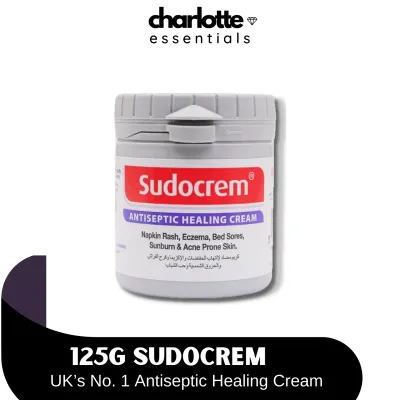
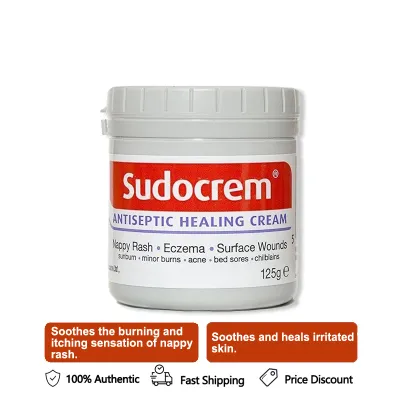
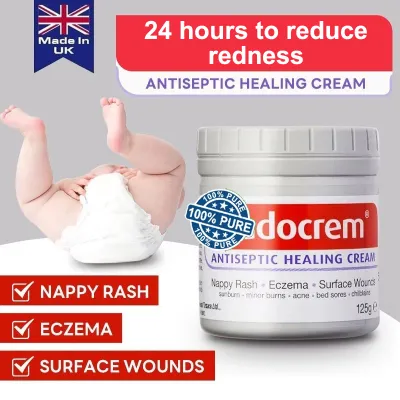
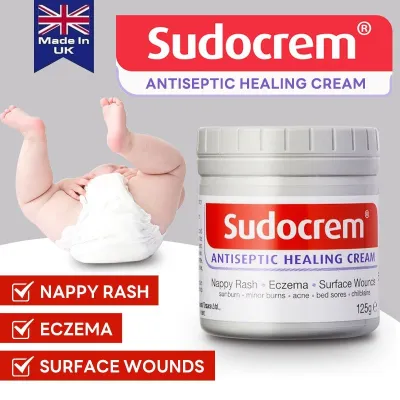
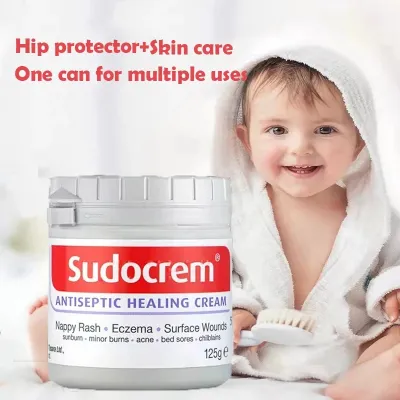
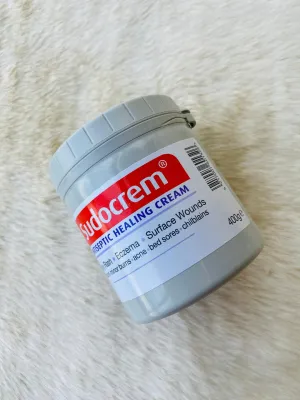
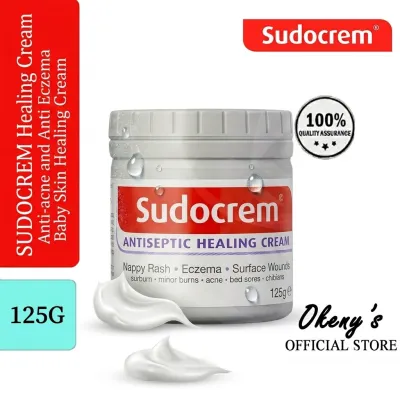
Prices are valid at publication and may change. Please refer to the product page for the latest price.
In contrast, other common diaper cream categories utilize different mechanisms to protect or soothe. Petroleum-based ointments, for example, act as highly occlusive barriers that lock in existing moisture and prevent external wetness from penetrating. These are often clear, greasy, and highly spreadable, making them popular for daily prevention. Botanical or natural creams, on the other hand, typically use plant-based oils, calendula, or chamomile to soothe mild irritation, offering a lighter texture that is easier to wash off but may provide a less durable physical barrier.
Before applying any cream to your baby’s skin, it is essential to check the ingredient list on the packaging for potential allergens or sensitizers. Some babies may react to lanolin, synthetic fragrances, or specific preservatives present in traditional formulations. Reading the label carefully ensures you do not inadvertently apply a known trigger to already compromised skin.
Key Factors to Compare When Choosing a Diaper Cream
When evaluating diaper creams, the concentration of the active ingredient is one of the most critical factors to consider. Zinc oxide percentages can vary widely across different brands, typically ranging from 10% for daily preventive creams to 40% for maximum-strength treatment pastes. A higher concentration provides a thicker, more resilient barrier suitable for severe redness, while lower concentrations are easier to spread and clean during routine diaper changes.

Texture and application play a significant role in daily usability, especially in warm climates. Thick, heavy pastes provide excellent protection but can be difficult to spread over sore skin and equally challenging to wipe away, sometimes requiring gentle soap and water. Lightweight lotions and ointments glide on smoothly with minimal friction, reducing discomfort during application, but they may wear off more quickly and require more frequent reapplication.
Additives and potential sensitizers should be minimized, particularly for newborns or babies with highly sensitive skin. Look for products that explicitly state they are free from parabens, artificial fragrances, phthalates, and alcohol. Fragrances, while pleasant, are a common source of contact dermatitis and can exacerbate an existing diaper rash rather than healing it.
Finally, match the product to the intended use stage. Daily prevention requires a breathable, lightweight barrier that keeps skin healthy without trapping excess heat or sweat. Intensive treatment, conversely, demands a heavy-duty paste that can withstand prolonged exposure to wetness, particularly overnight when diaper changes are less frequent.
Sudocrem vs. Common Alternatives: A Feature Breakdown
To help you visualize how these product categories compare, the table below outlines the primary differences in ingredients, texture, and ideal use cases.
| Cream Category | Primary Barrier Ingredient | Texture Profile | Ideal Use Case | Cleanup Effort |
|---|---|---|---|---|
| Sudocrem | Zinc Oxide & Lanolin | Thick, matte paste | Mild to moderate rash & protection | Moderate to high |
| High-Zinc Creams | Zinc Oxide (up to 40%) | Very thick, heavy paste | Severe redness & overnight use | High |
| Petroleum Ointments | Petrolatum | Greasy, translucent ointment | Daily prevention & dry skin | Moderate |
| Botanical Creams | Plant oils / Zinc Oxide | Light cream or lotion | Daily prevention & mild soothing | Low |
Please note that exact specifications, ingredient ratios, and specific product claims must always be verified on the physical product label, as formulations can vary by region and batch. Additionally, marketing terms such as “natural,” “organic,” or “botanical” do not automatically guarantee that a product is hypoallergenic or safe for every baby. Always review the full ingredient list to ensure the product meets your baby’s specific dermatological needs.
How to Match the Cream to Your Baby's Skin Needs
For daily prevention and mild redness, a lightweight, easily spreadable barrier cream is generally the most practical choice. In the Philippines, where high humidity can cause babies to sweat easily under their diapers, heavy pastes used daily may trap excess heat and moisture, potentially leading to heat rash. A thin layer of a petroleum-based ointment or a low-concentration zinc oxide cream provides sufficient protection while allowing the skin to breathe.
When moderate to severe diaper rash develops, it is time to switch to a higher-concentration zinc oxide paste like Sudocrem or a dedicated maximum-strength treatment. These thick formulations stay in place even when contact with wetness occurs, giving the underlying skin a chance to recover. If the rash does not show signs of improvement within a few days of consistent application, or if it worsens, consult a pediatrician for a targeted treatment plan.
If your baby has sensitive or eczema-prone skin, extra caution is required. Before applying any new diaper cream over a large area, perform a patch test by applying a tiny amount to a small patch of healthy skin on the baby’s arm or leg. Monitor the area for 24 hours for any signs of redness, swelling, or irritation. Cross-reference the ingredient list with any known triggers identified by your doctor to avoid adverse reactions.
Caregivers must also recognize clear stop-conditions that require immediate medical attention. Discontinue the use of any over-the-counter cream and consult a healthcare professional if you notice blisters, pus-filled bumps, peeling skin, bleeding, or if your baby develops a fever. These symptoms often indicate a secondary fungal or bacterial infection that cannot be resolved with standard barrier creams alone.
Smart Shopping: Budget, Sizing, and Where to Buy
Evaluating the cost-effectiveness of diaper creams requires looking beyond the initial retail price. To find the true value, calculate the price per gram or milliliter using the formula: Unit Cost = Retail Price in ₱ / Total Weight in Grams or Milliliters. This calculation allows you to compare different brands and packaging sizes accurately, as a larger tub may offer a significantly lower unit cost than a small travel tube.
Selecting the appropriate packaging size depends on your lifestyle and usage frequency. Large, family-sized tubs are highly economical for home use but can be unhygienic if you repeatedly dip your fingers into the container during diaper changes. For on-the-go use, compact squeeze tubes are more hygienic and convenient to pack in a diaper bag, preventing contamination and reducing the risk of the product expiring before you can finish it.
To ensure you are purchasing authentic products, buy diaper creams from official brand stores, established pharmacy chains, or reputable e-commerce platforms. Counterfeit baby products can contain harmful ingredients or lack the necessary active barriers, posing a direct risk to your baby’s health. Always inspect the packaging seals, batch numbers, and expiration dates immediately upon delivery to verify the product’s integrity.
Frequently Asked Questions (FAQ)
Can I use Sudocrem for conditions other than diaper rash?
According to manufacturer guidelines, Sudocrem is a versatile formulation that can be used for minor skin irritations, such as localized dry patches, minor cuts, or superficial scrapes, due to its protective barrier properties. However, you should never apply it to deep wounds, open sores, mucous membranes, or anywhere near your baby’s eyes. For persistent skin issues that do not resemble typical diaper chafing, consult a pediatrician rather than attempting to self-treat at home.
How thick should I apply the diaper rash cream?
The application thickness depends entirely on the product type and the current state of your baby’s skin. For daily prevention using lightweight ointments, a thin, translucent layer is sufficient to repel moisture. For active diaper rash using thick zinc oxide pastes like Sudocrem, apply a generous, visible layer—often described as frosting a cake—to ensure the skin is completely shielded from waste. Always clean the diaper area gently and thoroughly during changes, as excessive buildup of old cream can trap moisture and bacteria if not removed properly.
When should I stop using a diaper cream and see a doctor?
Over-the-counter diaper creams are designed for symptom management and barrier protection, not for curing underlying infections. You should stop using the cream and seek medical advice if the rash spreads beyond the diaper area, bleeds, oozes, or does not improve after three days of consistent care. Additionally, if your baby exhibits signs of systemic distress, such as a fever or unusual lethargy, contact a healthcare professional immediately to rule out fungal or bacterial infections that require prescription treatments.

Community discussion
Share your experience or ask a question. Comments are reviewed before publication.