
Diaper rash is a common challenge for parents in the Philippines, where the tropical heat and high humidity can quickly turn a damp diaper into a source of severe skin irritation. When looking for a protective solution, many parents search for “Sudocream” to find relief for their little one’s sensitive skin. The actual product, widely known as Sudocrem, protects your baby’s skin through a highly effective dual-action mechanism. It simultaneously creates a physical, water-repellent barrier to block external irritants while delivering targeted soothing agents directly to the inflamed skin.
By forming a reliable shield on the skin’s surface, the cream prevents urine and feces from coming into direct contact with the compromised skin barrier. At the same time, its active ingredients work underneath this shield to calm redness, reduce discomfort, and support the natural recovery process. The primary protective agent in this formulation is zinc oxide, which acts as the main physical defense against friction and moisture. Understanding how these components work together allows you to make an informed decision before purchasing or applying this classic diaper care product.
Breakdown of Sudocrem's Active Ingredients
To understand why this formulation remains a staple in nursery cabinets, it is helpful to look closely at the specific active ingredients listed on the tub. Each component serves a distinct physical or protective purpose, designed to address the delicate nature of infant skin. Rather than relying on a single mechanism, the formulation combines a robust physical barrier with mild soothing properties and cleansing agents.
Products mentioned in this guide
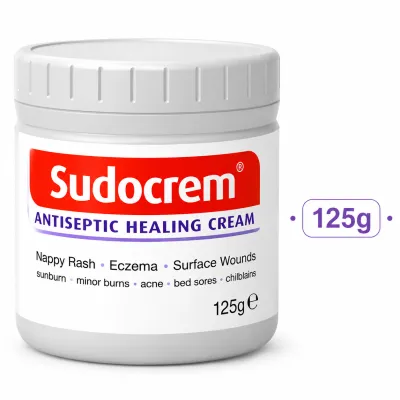
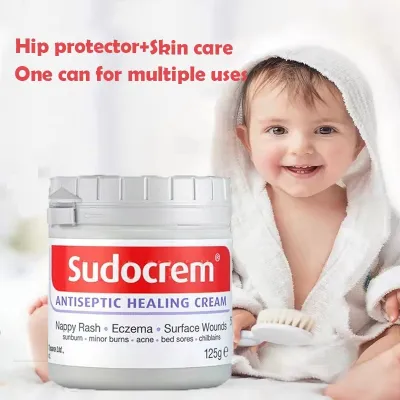
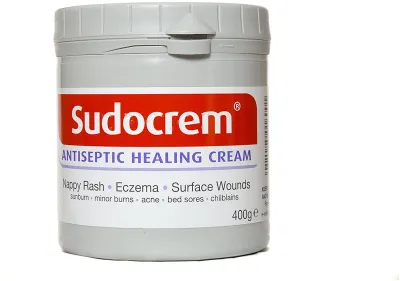

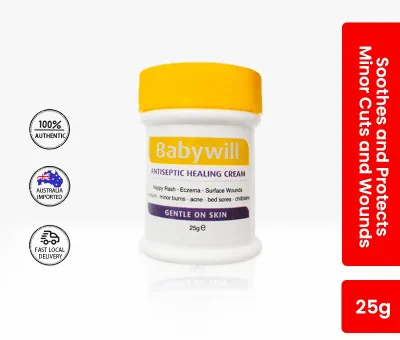
Prices are valid at publication and may change. Please refer to the product page for the latest price.
Zinc Oxide: The Primary Barrier
Zinc oxide is the cornerstone of many diaper care formulations, serving as the primary physical shield against wetness. When you apply the cream, the zinc oxide does not fully absorb into the skin; instead, it sits on the outer surface, forming a visible, protective layer. This layer acts as a mechanical barrier that deflects moisture from wet diapers and reduces the constant friction caused by diaper movement against the skin.
Beyond its barrier properties, zinc oxide possesses mild astringent and soothing qualities. These properties help to dry up minor skin dampness and calm the visible redness and irritation associated with diaper dermatitis. Because formulations can vary by country, region, or specific product lines, you should always check the physical label on your product packaging to verify the exact concentration of zinc oxide. This step ensures you are aware of the specific formulation you are applying to your baby’s skin.
Lanolin: Moisture Retention and Skin Repair
Lanolin, often listed on product packaging as hypoallergenic lanolin or purified wool wax, plays a vital role in maintaining skin hydration and supporting repair. While zinc oxide blocks external moisture, lanolin works from within the barrier to prevent transepidermal water loss. It does this by mimicking the natural lipids found in the skin’s outer layer, helping to seal in essential moisture so the skin does not dry out or crack.
As an effective emollient, lanolin softens the skin and keeps it supple, which is crucial for preventing further mechanical irritation from diaper edges. The manufacturer uses a highly refined, hypoallergenic grade of lanolin to minimize the risk of skin sensitivities. However, because lanolin is derived from sheep’s wool, parents of babies with known wool allergies or extremely reactive skin should exercise caution and monitor the application area closely for any signs of localized sensitivity.
Benzyl Benzoate and Benzyl Alcohol: Soothing and Cleansing
The formulation also includes benzyl benzoate and benzyl alcohol, which perform complementary roles in protecting and comforting irritated skin. Benzyl benzoate is traditionally utilized for its mild soothing and emollient properties, helping to condition the skin under the protective barrier. Benzyl alcohol serves a dual purpose: it acts as a mild local anesthetic to temporarily relieve the burning or painful sensations associated with raw, irritated skin, and it functions as a preservative and cleansing agent to prevent the growth of microbes within the cream.
However, the presence of these ingredients introduces important safety boundaries that caregivers must observe. Benzyl alcohol can pose serious health risks, such as gasping syndrome, if absorbed in significant quantities by premature infants or very young newborns. Consequently, you should always consult a pediatrician before applying products containing benzyl alcohol to premature babies, newborns under a certain age, or onto severely broken or bleeding skin where systemic absorption is more likely to occur.
The Emollient Base: Creating a Waterproof Shield
While the active ingredients provide direct protective and soothing benefits, they require a stable medium to remain effective on the skin. This is where the emollient base matrix comes into play, typically consisting of ingredients like purified water, liquid paraffin, and microcrystalline wax. These components are carefully blended to create the thick, heavy, paste-like texture that is characteristic of the cream.

This dense base acts as a structural anchor, locking the active ingredients in place so they do not easily wipe away or dissolve when the diaper becomes wet. By forming a highly water-repellent shield, the wax and paraffin mixture physically blocks acidic urine and fecal enzymes from penetrating the skin barrier. This robust staying power means the cream can remain protective through multiple wetness cycles, reducing the need for frequent, abrasive cleanings and reapplications that can further irritate a baby’s delicate skin.
Safety Considerations, Allergies, and Age Limits
When introducing any new skincare product to an infant’s routine, safety and compatibility should be your top priorities. Although the formulation is designed to be gentle, individual sensitivities can still occur. Lanolin, even in its highly refined hypoallergenic form, can occasionally trigger allergic contact dermatitis in babies who have a specific sensitivity to wool alcohols. If your baby has highly sensitive skin or a history of eczema, it is wise to perform a small patch test on a patch of healthy skin, such as the inner arm, and wait 24 hours to check for redness or swelling before applying it to the diaper area.
Caregivers must also remain mindful of the age limits and precautions associated with benzyl alcohol and benzyl benzoate. Always read the manufacturer’s packaging carefully to check for specific age recommendations, warnings, or usage limits. Applying the cream to premature infants or very young newborns should only be done under the direct guidance of a qualified healthcare professional.
Another critical safety rule is to avoid applying thick layers of any heavy barrier cream over skin that is visibly infected, weeping, oozing, or deeply cracked. Slathering a thick, occlusive paste over an active bacterial or fungal infection can trap moisture and pathogens against the skin, potentially worsening the infection. Finally, because manufacturers may update their ingredient lists or concentrations over time, you must always verify the current label printed on the physical product in your hands before use.
Best Practices for Applying Sudocrem
To get the maximum protective benefit from the cream, proper application technique is essential. The first and most critical step is preparation: ensure the diaper area is thoroughly cleaned and completely dry before you apply any product. Applying a water-repellent barrier cream over skin that is still damp or sweaty—especially in the humid climate of the Philippines—will trap that moisture directly against the skin, which can actually trigger or worsen diaper rash.
Once the skin is completely dry, apply a very thin, even layer of the cream. A common mistake is slathering on a thick, opaque white coating, but a small, pea-sized amount is generally sufficient to create an effective barrier. Applying a thin layer reduces the risk of trapping existing moisture and prevents the cream from building up excessively in the baby’s skin folds, which can make subsequent cleanings difficult and irritating.
Gently massage the cream into the skin using light, circular motions until it leaves a thin, translucent film on the surface. You should apply this protective layer at every diaper change, or as directed by the product label and your pediatrician, to maintain continuous defense against wetness and friction.
When to Stop Using Sudocrem and See a Pediatrician
While barrier creams are highly effective for preventing and managing standard irritant diaper rash, they have clear therapeutic limits. If your baby’s rash does not improve or continues to worsen after three to four days of consistent treatment, you should stop using the cream and seek professional medical advice. Other immediate red flags that require a pediatrician’s evaluation include the appearance of bleeding, blistering, oozing pus, or a rash that spreads rapidly beyond the diaper area.
It is vital to understand that this product is strictly a barrier and soothing cream; it does not contain antifungal or antibiotic medications. Consequently, it will not cure a fungal (yeast) infection or a bacterial skin infection. A classic sign of a fungal diaper rash, often caused by Candida, is a bright red, inflamed rash with distinct, small “satellite” spots spreading outward from the main red patch. If you suspect a yeast infection, a pediatrician must diagnose it and prescribe an appropriate antifungal treatment.
Additionally, if your baby develops a fever, becomes unusually irritable, or shows signs of severe pain when the diaper area is touched, stop using the product immediately and consult a doctor. These symptoms can indicate a more serious underlying infection that requires prescription medical intervention rather than a simple over-the-counter barrier cream.
Frequently Asked Questions (FAQ)
Can I use Sudocrem on my baby's face or for eczema?
While some parents use this cream for minor skin irritations or dry eczema patches due to its emollient properties, it is primarily formulated and optimized for the diaper area. You should always check with a pediatrician before applying it to your baby’s face, especially near sensitive areas like the eyes, nose, or mouth. Because the cream has a highly occlusive, wax-and-paraffin base, it can be too thick for facial skin and may block pores or cause localized irritation if used incorrectly.
Does Sudocrem contain steroids or antibiotics?
No, standard Sudocrem does not contain any corticosteroids, steroids, or antibiotics. Its formulation relies entirely on physical barriers, emollients, and mild soothing agents to protect and calm the skin naturally. If your pediatrician prescribes a specific medicated ointment (such as an antifungal or mild steroid cream) for a diagnosed skin condition, you should apply that medicated treatment first as directed, allow it to absorb, and then apply the barrier cream over it to lock in the treatment and protect the area.
How do I remove Sudocrem stains from baby clothes?
Because of its heavy zinc oxide and wax-based formulation, the cream can leave stubborn, greasy white stains on baby clothes, cloth diapers, or bedding. To remove these stains, start by gently scraping off any excess, thick cream from the fabric using a blunt edge. Next, apply a small amount of liquid dish soap or a dedicated laundry stain remover directly to the spot to help break down the oils and waxes, rubbing it in gently. Finally, wash the garment in the warmest water temperature that is safe for that specific fabric type, following the care instructions on the clothing label.
Community discussion
Share your experience or ask a question. Comments are reviewed before publication.