
Quick Answer: Which Diaper Rash Cream Should You Choose?
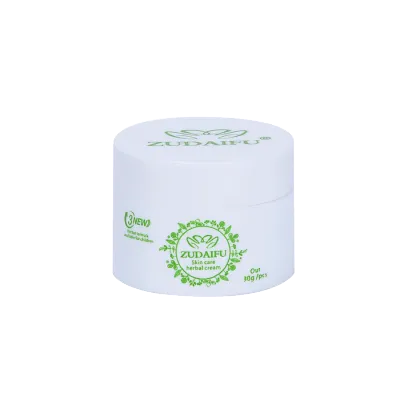
Choosing the right diaper care product is one of the most frequent decisions parents in the Philippines face. With high tropical humidity, elevated temperatures, and the constant friction of diaper wear, infants are highly susceptible to diaper dermatitis, commonly known as diaper rash. The ideal diaper care product for your baby depends on three main factors: your baby’s current skin condition, the severity of any active irritation, and your personal preferences regarding texture and ease of cleanup. Sudafu ointment serves as a lighter, highly spreadable barrier option designed primarily for daily skin conditioning and mild friction prevention.
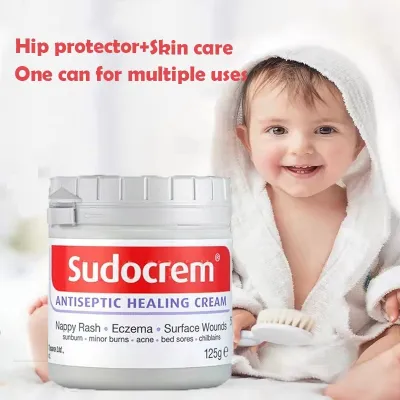
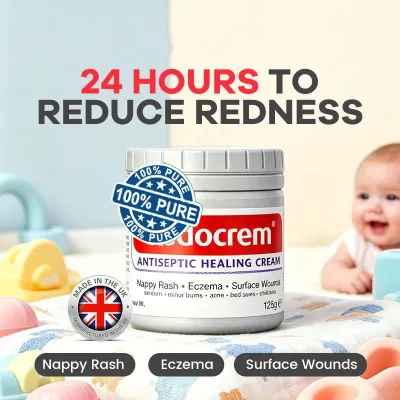
In contrast, other popular diaper rash creams on the Philippine market utilize different formulation strategies. Heavy-duty pastes containing high concentrations of zinc oxide are specifically formulated to treat active, moderate-to-severe diaper dermatitis by creating an impenetrable physical shield against moisture. Meanwhile, minimalist petroleum-based ointments offer a simple, fragrance-free moisture seal suitable for highly reactive skin, and botanical-infused creams focus on natural soothing properties. Choosing between Sudafu ointment and these alternatives requires evaluating whether your immediate goal is proactive daily protection or intensive treatment for an existing flare-up.
Ultimately, there is no single product that suits every infant at all times. Many parents find success by maintaining a hybrid approach, using a lighter, conditioning ointment like Sudafu during routine daytime diaper changes and reserving thick, zinc oxide-based pastes for overnight use or active rashes. By understanding the distinct roles of these formulations, you can keep your baby’s skin comfortable and protected from the unique environmental challenges of a tropical climate.
Products mentioned in this guide

Prices are valid at publication and may change. Please refer to the product page for the latest price.
Understanding Sudafu Ointment: What Parents Need to Know
Sudafu ointment is a popular choice among Filipino parents seeking an everyday skincare solution for their infants. Its general formulation profile typically centers on a combination of barrier agents and skin-conditioning components designed to keep moisture away from delicate baby skin. Unlike heavy, medicinal pastes that can feel thick and difficult to spread, this ointment is formulated to glide on smoothly, making it highly suitable for the frequent diaper changes required in warm, humid climates.

The primary intended use case for Sudafu ointment is daily moisture protection and the prevention of mild friction-induced irritation. When a baby wears a diaper, the constant movement of their legs combined with the humid microclimate inside the diaper can easily cause chafing along the thighs and waistline. By applying a thin layer of a conditioning ointment like Sudafu, parents can create a gentle, lubricating barrier that reduces this friction. It is particularly useful during routine daytime diaper changes when the skin is clear and you want to maintain its natural softness.
However, because formulations can vary significantly by region, batch, or manufacturer updates over time, parents must perform a diligent label verification before applying any product to their baby’s skin. It is crucial to inspect the packaging for specific age recommendations, a complete and exact ingredient list, and any manufacturer warnings. Some formulations may contain specific botanical extracts, mineral oils, or mild fragrances that might not be suitable for newborns or infants with extremely compromised skin barriers. Always cross-reference the label with your pediatrician’s guidelines, especially if your baby has a history of eczema or contact dermatitis.
Additionally, parents should note that while daily conditioning products are excellent for maintaining healthy skin, they are not designed to cure deep-seated fungal or bacterial infections. Understanding the limits of a daily prevention ointment ensures that you do not delay appropriate medical treatment if a more serious skin condition develops. Maintaining a clear distinction between daily preventative care and active medical treatment is key to keeping your baby’s skin healthy and comfortable.
Comparing Sudafu Ointment and Alternative Diaper Rash Creams
To make an informed decision for your baby’s skincare routine, it is helpful to compare Sudafu ointment directly against alternative diaper rash creams along several distinct comparison axes. These axes include the active ingredient profile, the physical texture or consistency of the product, and how easy the cream is to clean off during diaper changes. Understanding these physical and chemical differences allows you to match the product to your baby’s current skin needs and your daily diapering setup.
While many products claim to resolve diaper rash quickly, parents should understand that exact performance and healing timelines can vary based on individual skin types and environmental factors. Rather than focusing on unverified clinical claims, evaluating how these formulations physically behave on the skin and how they interact with different diaper materials provides a more practical guide for daily use.
Active Ingredients and Skin Sensitivities
The active ingredients in diaper care products generally fall into two categories: physical blockades and moisture-sealing emollients. Traditional diaper rash creams often rely heavily on zinc oxide, a mineral that does not dissolve in water. Zinc oxide concentrations in these products can range from 10% for daily prevention to as high as 40% for maximum-strength treatment. These high-zinc formulations create a thick, visible white layer that physically blocks wetness and acidic stools from touching the skin.
In contrast, Sudafu ointment and similar light barrier creams typically utilize petroleum jelly, dimethicone, or plant-based oils as their primary moisture-sealing agents. These ingredients work by forming a semi-occlusive layer that traps the skin’s natural moisture while keeping external wetness out. Because they lack the heavy, chalky density of zinc oxide, they feel much lighter on the skin and are easier to spread evenly over a wide area.
When evaluating skin sensitivities, the presence of additives is a critical factor. Many commercial diaper creams contain added fragrances, preservatives like parabens, or botanical extracts to improve scent and shelf life. While these may be perfectly fine for babies with normal skin, they can trigger allergic contact dermatitis in infants with highly sensitive skin or active eczema. If your baby has known allergies or highly reactive skin, a minimalist, fragrance-free petroleum ointment may be safer than a heavily formulated botanical cream. Always cross-reference the ingredient list of any product with your pediatrician’s advice to ensure it is safe for your baby’s specific skin profile.
Texture, Application, and Diaper Compatibility
The physical consistency of a diaper care product directly impacts how easy it is to apply and how it interacts with different diaper types. Thick, paste-like zinc oxide creams have a heavy, sticky texture. While this density is excellent for staying in place even when a diaper is wet, it requires more physical effort to spread over irritated skin, which can sometimes cause discomfort to a baby who is already sore. Sudafu ointment offers a much lighter, slicker consistency that glides effortlessly across the skin, allowing for a fast and painless application.
Diaper compatibility is another practical consideration, particularly for families using modern cloth diapers. Heavy zinc oxide pastes and petroleum-heavy ointments can deposit a stubborn residue on cloth diaper fibers. Over time, this residue can build up, causing the fabric to repel liquid rather than absorb it, which ultimately leads to leaks and diaper failure. If you use cloth diapers, you must verify whether your chosen cream is labeled as “cloth diaper safe” or use a disposable liner to protect the fabric. Lighter ointments like Sudafu are generally easier to wash out, but they can still cause buildup if applied excessively.
Cleanup routines also differ based on the product’s texture. Removing a thick, water-resistant zinc oxide paste during a diaper change can be challenging. Scraping or wiping too vigorously with dry wipes can further irritate already inflamed baby skin. To clean off stubborn barrier creams safely, parents can apply a small amount of baby oil or a gentle, water-based wipe to dissolve the cream before wiping it away. Lighter ointments like Sudafu typically wipe clean with minimal effort, reducing friction and keeping the skin barrier intact.
Decision Guide: When to Use Sudafu vs. Alternatives
Navigating the diaper care aisle can be overwhelming with dozens of competing brands and formulations. To help you choose the right product for your baby’s current needs, use the following conditional decision framework based on realistic daily scenarios and skin conditions:
- Choose Sudafu Ointment if: You are looking for a highly spreadable, lightweight product for daily maintenance and protection. It is an excellent choice if your baby's skin is currently healthy and you want to prevent mild friction or chafing, particularly in the humid climate of the Philippines where heavy creams might feel too hot or suffocating. Its smooth texture makes it ideal for rapid, routine application during daytime diaper changes.
- Choose a High-Zinc Oxide Alternative if: Your baby has an active, moderate-to-severe diaper rash characterized by bright red, inflamed skin. The high concentration of zinc oxide is necessary to create a durable, physical shield that stands up to overnight wetness and acidic stools. This option is best when you need a heavy-duty treatment paste rather than a daily preventative ointment, subject to your pediatrician's approval.
- Choose a Plain Petroleum-Based Ointment if: Your baby has extremely sensitive, reactive, or eczema-prone skin. A minimalist, single-ingredient or low-ingredient petroleum ointment provides a safe, fragrance-free moisture seal without the risk of allergic reactions to botanical extracts, preservatives, or added perfumes.
- Verify First if: Your baby's skin exhibits signs of severe irritation, such as bleeding, weeping, peeling, or open sores. If you observe these symptoms, or if the rash is accompanied by a fever, stop all home treatments immediately. These are clear indicators of a potentially more serious skin condition or secondary infection that requires professional medical diagnosis and prescription treatment.
Ultimately, finding the perfect diaper care product involves a degree of trial and error, as every baby’s skin chemistry is unique. Keep in mind that you do not have to stick to just one product; many parents find success by using a light ointment like Sudafu for daily prevention during the day and a thicker zinc oxide paste for overnight protection. In terms of budget, diaper care products in the Philippines typically range from ₱150 to ₱600 depending on the brand, size, and retailer, so choosing a combination that fits your budget and diapering style can help manage long-term costs.
Safe Application and When to Consult a Pediatrician
No matter which diaper rash cream or ointment you choose, proper application technique is vital to ensure the product works effectively and does not inadvertently trap moisture against your baby’s skin. Before applying any product, always clean the diaper area gently using lukewarm water or fragrance-free, alcohol-free baby wipes. Avoid rubbing the skin; instead, gently pat the area dry with a clean, soft towel. Whenever possible, allow your baby to go diaper-free for a few minutes to air dry completely, as trapping residual moisture under a barrier cream can worsen irritation.
Once the skin is completely dry, apply a thin, even layer of your chosen cream or ointment. It is a common misconception that applying a very thick layer provides better protection; in reality, a thin, consistent barrier is highly effective and much easier to clean during the next diaper change. For safety, do not apply diaper creams to broken skin, deep wounds, or visibly infected areas unless you have been explicitly instructed to do so by a healthcare professional. Additionally, avoid applying multiple medicated products, such as antifungal creams or steroid ointments, simultaneously without a doctor’s guidance, as this can cause adverse chemical interactions or skin thinning.
While mild diaper rash can often be managed at home with diligent care, parents must remain vigilant for signs of secondary infections, such as yeast or bacterial overgrowth, which thrive in the warm, humid environment of a diaper. You should stop home treatment and consult a pediatrician immediately if you observe any of the following red flags:
- The rash does not improve or continues to worsen after 2 to 3 days of consistent home care.
- The rash spreads beyond the immediate diaper area to the abdomen, thighs, or back.
- The skin develops blisters, pimples, pus-filled bumps, or open, oozing sores.
- Your baby develops a fever or shows signs of unusual lethargy, irritability, or pain during diaper changes.
Frequently Asked Questions (FAQ)
Can I use Sudafu Ointment and diaper powder together?
Pediatricians generally advise against using diaper powders due to the risk of accidental inhalation, which can damage an infant’s developing lungs. Furthermore, mixing a powder with an ointment like Sudafu can create a thick, clumpy paste that traps moisture and sweat against the skin, increasing friction and worsening diaper rash. Always review the product labels and consult your pediatrician before attempting to combine different types of diaper care products.
How often should I reapply diaper rash cream during the day?
The frequency of application depends on the specific product’s instructions and whether you are preventing or treating a rash. Generally, barrier ointments used for daily prevention are applied during routine diaper changes, particularly before long sleep periods when the baby will wear a diaper for an extended time. If you are treating an active rash with a treatment cream, it is usually applied at every diaper change after thorough cleaning. Always refer to the manufacturer’s label for specific usage guidelines.

Community discussion
Share your experience or ask a question. Comments are reviewed before publication.