
Starting your baby on solid foods is a major milestone, but it often comes with a side of flying purees and overturned dishes. To keep meals on the tray rather than the floor, choosing the right suction bowl for baby is a practical first step. The features that matter most are a secure vacuum seal compatible with your specific highchair, certified food-grade materials that withstand tropical humidity, and an ergonomic shape tailored to your baby’s developing motor skills. By focusing on these core elements, you can minimize mealtime mess and support your child’s self-feeding journey.
As you navigate this transition, you will quickly realize that baby tableware is not a one-size-fits-all purchase. A bowl that works perfectly for a six-month-old receiving their first taste of mashed sweet potato may fail completely when faced with a determined ten-month-old exploring finger foods. Understanding how design features interact with your baby’s physical development is the key to making a smart, lasting investment.
Identifying Your Baby's Feeding Stage and Mealtime Behavior
Every baby approaches solid foods differently, and their physical development directly influences how they interact with tableware. In the early weeks of introducing solids, typically around six months, your baby is primarily learning to swallow smooth purees. At this stage, their motor skills are limited to basic reaching and grasping, meaning the mess is usually confined to dribbles and accidental nudges. A basic level of stability is often enough to keep the bowl in place while you spoon-feed them.
Products mentioned in this guide
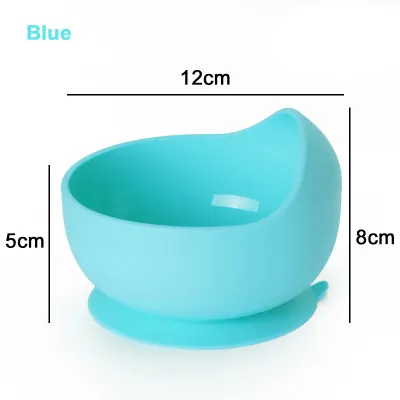
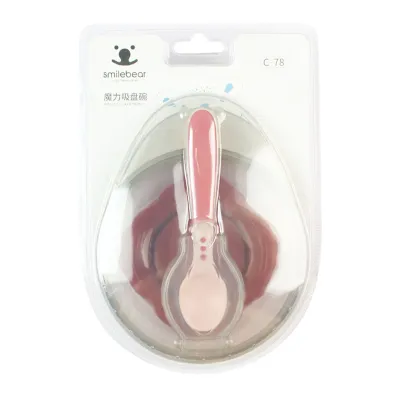
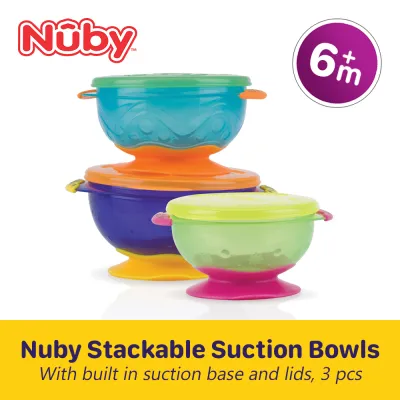
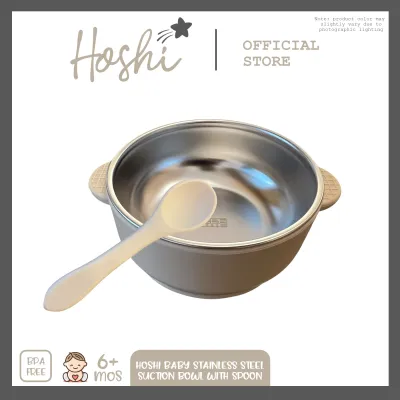
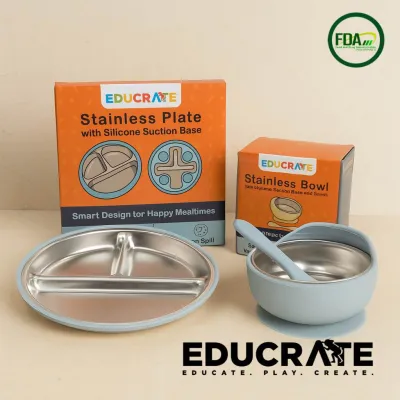
Prices are valid at publication and may change. Please refer to the product page for the latest price.
As your baby grows and enters the finger food stage, their curiosity and physical strength increase dramatically. They will begin to swipe, grab, and lift everything within reach, including their bowl. This is when mealtime behavior shifts from passive eating to active exploration, which often involves testing gravity. A bowl without a secure grip quickly becomes a projectile, sending soft fruits or mashed vegetables flying across the room.
During this active phase, babies develop the palmar grasp, using their entire hand to clutch objects, followed by the more refined pincer grasp. These motor milestones mean they can apply significant upward and sideways force to their tableware. If a bowl easily detaches, your baby will likely treat it as a toy rather than a container for food, disrupting the learning process and creating unnecessary cleanup.
Understanding this behavioral shift helps you define your primary goal for buying tableware. For a younger infant, you want a bowl that simply resists sliding around as you guide the spoon. For an older, more active baby, you need a robust suction base that can withstand vertical pulling forces and determined little hands. Recognizing where your baby falls on this developmental spectrum ensures you choose a bowl designed for their specific level of physical coordination.
Essential Suction Bowl Features to Evaluate
Selecting the right tableware requires looking beyond bright colors and cute designs to evaluate the physical and material specifications of each product. To find a bowl that truly performs under daily pressure, you must verify several critical features before making a purchase.

Suction Base Design and Grip Strength
The effectiveness of any suction bowl relies entirely on the physics of its base. Manufacturers generally design these bowls with either a wide, flat suction base or a narrower, concentrated suction pad. Wide-base designs tend to distribute the vacuum seal over a larger surface area, making them highly stable on expansive, smooth surfaces like dining tables. However, they may not fit properly on smaller, contoured highchair trays.
A crucial feature to look for is an integrated release tab or lifting edge on the suction base. Without this tab, removing a firmly sealed bowl from a tray requires significant force, which often results in sudden releases and spilled food. The tab allows you to break the vacuum seal quickly and smoothly with one finger, keeping the remaining food safely inside the bowl.
It is important to remember that suction performance is highly dependent on the surface material of your furniture. Even the strongest suction base requires a clean, dry, and completely non-porous surface to maintain its grip. Textured plastic trays, wood grain finishes, and matte surfaces allow air to seep under the silicone edge, which quickly breaks the vacuum seal regardless of the bowl’s quality.
Material Safety and Temperature Tolerance
Because your baby’s food will directly contact the bowl’s surface, verifying material safety is a non-negotiable step. Look for products clearly labeled as food-grade silicone or BPA-free and BPS-free plastics. Avoid relying on vague marketing claims; instead, inspect the packaging for compliance with recognized international safety standards or manufacturer certifications.
One practical way to verify the quality of a silicone bowl is the “pinch test.” When you pinch and twist a flat section of the silicone, the material should retain its color. If white shows through, it often indicates the presence of plastic fillers, which can compromise the bowl’s flexibility and durability over time. Pure, food-grade silicone remains uniform in color and is highly resistant to degradation.
In warm, humid climates, tableware must withstand frequent washing and sterilization without degrading. You should verify whether the bowl is microwave, dishwasher, and freezer safe by checking the embossed symbols on the bottom of the product or reading the instruction manual. High-quality food-grade silicone is naturally resistant to extreme temperatures, making it an excellent choice for serving warm mashes or chilling leftovers.
Be cautious of lower-grade plastics that may warp, crack, or release chemical odors when exposed to hot foods or high-temperature sterilization. Warped bases lose their flat profile, permanently ruining the bowl’s suction capabilities. Choosing materials with high temperature tolerance ensures the bowl remains hygienic and functional through hundreds of meal prep and cleanup cycles.
Bowl Shape, Depth, and Functional Extras
The internal geometry of a suction bowl plays a significant role in how easily your baby learns to feed themselves. Bowls with steep, vertical inner walls provide a helpful barrier for babies learning to scoop food with a spoon. As they push the spoon against the side, the steep wall guides the food onto the utensil rather than letting it slide over the edge.
Some advanced designs feature an inward-curving lip or “overhang” at the top of the bowl. This specific shape is incredibly helpful for toddlers practicing self-feeding, as it actively prevents food from spilling over the rim when they scoop upward. It keeps the food contained while building their confidence and coordination.
You will also need to choose between single-compartment bowls and divided sections. Single-compartment bowls are ideal for early purees, stews, and mixed grains. Divided bowls, on the other hand, are excellent for older babies who prefer to explore different textures and flavors separately, preventing different foods from mixing on the plate.
Functional extras, such as tight-fitting, spill-proof lids, add substantial value to your purchase. A secure lid allows you to prep meals in advance, store leftovers directly in the fridge, or pack snacks for family outings. Ensure the lid fits tightly around the bowl’s rim without distorting the shape of the suction base underneath.
Matching Bowl Features to Your Baby's Developmental Needs
To make a practical decision, you can align specific bowl designs with your baby’s age and feeding milestones. During the early solids phase, which typically spans from six to eight months, your baby is just getting used to the concept of food. At this stage, a shallow, single-compartment bowl with a reliable suction base is ideal. Since you will do most of the feeding, the suction simply needs to prevent the bowl from sliding away when you scoop out the purees.
As your baby transitions into an active eater between eight and twelve months, their feeding style becomes much more hands-on. They will explore finger foods, practice scooping, and occasionally try to lift the bowl. For this stage, prioritize deep bowls with high, curved walls to contain the mess, and look for a wide suction base with maximum grip strength to resist pulling. Divided bowls are also highly beneficial now, as they encourage food exploration and self-selection.
By the time your child reaches the toddler transition at twelve months and beyond, their motor skills are much more refined. They are less likely to throw their tableware out of frustration, meaning you can gradually transition to suction plates or lighter suction bowls. This stage is about fostering independence, so look for designs that mimic adult tableware while still offering a safety net against accidental spills.
When shopping in physical baby boutiques or browsing online marketplaces, use this quick mental checklist to evaluate your options:
- Does the suction base fit the exact dimensions of my highchair tray?
- Is the material certified food-grade silicone or BPA-free plastic?
- Does the base include a quick-release tab for easy removal?
- Are the inner walls steep enough to assist with spoon-scooping?
- Can the bowl be safely sterilized, microwaved, and washed in a dishwasher?
- Does the price fit comfortably within my family's ₱ budget for baby gear?
Safety Checks, Cleaning, and Maintenance
Proper maintenance is essential to keep your baby’s suction bowl hygienic and to preserve its grip strength over time. Food residue, grease, and soap film can accumulate on the bottom of the suction base, creating a barrier that prevents a tight vacuum seal. To prevent this, wash the base thoroughly with mild, baby-safe dish soap and warm water after every meal, ensuring no oily residue remains.
Regularly inspect the bowl for signs of wear and tear, especially if it is made of silicone or soft plastic. Look closely for micro-tears, deep scratches, or changes in material texture, as these crevices can harbor bacteria. In humid environments, ensure the bowl dries completely in a well-ventilated area to prevent mold or mildew from developing in hard-to-reach seams, particularly around the suction base joint.
You should establish clear stop-use conditions to protect your baby’s health and safety. If you notice any warping of the suction base, persistent sticky residue, or visible cracking, it is time to replace the bowl. A warped base will no longer stick to surfaces, defeating the purpose of the bowl and increasing the risk of hot food spills.
Additionally, be cautious of bowls that combine multiple materials, such as a plastic bowl with a glued-on silicone suction base. Over time, water can get trapped in the seams between these materials, leading to mold growth that is difficult to clean. Single-piece silicone construction is often easier to maintain because it lacks these hidden crevices.
Finally, always remember that a suction bowl is a helpful tool, not a substitute for active caregiver supervision. Never leave your baby unattended during meals, as they can still pull a bowl loose with enough determination. Constant supervision is the most effective way to prevent choking hazards, manage spills, and ensure a safe, positive dining experience for your little one.
Frequently Asked Questions (FAQ)
Why does my baby's suction bowl keep sticking to the table but not the highchair tray?
Suction bases require a completely smooth, non-porous surface to create a vacuum seal. Many highchair trays feature a slightly textured or matte finish designed to hide scratches, but these microscopic bumps allow air to leak under the suction cup, breaking the seal. If your highchair tray is textured, try wiping it with a damp cloth before applying the bowl, or consider using a smooth, flat silicone placemat as an intermediate surface to help the bowl stick.
Are suction bowls with built-in heat sensors necessary for beginners?
While bowls with built-in heat sensors or color-changing materials offer convenience, they are not a safety requirement. These sensors can degrade over time, especially when exposed to high heat during sterilization or dishwashing. You should always perform a manual temperature check by placing a small drop of food on the inside of your wrist before feeding your baby, regardless of what the bowl’s sensor indicates.
When should I transition my baby from a suction bowl to a regular bowl?
Most toddlers are ready to transition to regular, non-suction tableware between eighteen and twenty-four months. Look for developmental signs such as improved hand-eye coordination, the ability to scoop food without pushing the bowl around, and a decrease in throwing behavior. You can start the transition gradually by introducing standard bowls during supervised snack times before moving to main meals.

Community discussion
Share your experience or ask a question. Comments are reviewed before publication.