
Choosing the right stuffed toy organizer for a small nursery in the Philippines requires balancing limited floor space with the need for excellent air circulation to combat tropical humidity. While there is no single option that fits every home, corner hammocks and over-door pockets excel at preserving precious floor space, while low-profile woven baskets and modular bins offer unmatched accessibility for growing toddlers. The ideal choice depends on your nursery’s layout, your child’s developmental stage, and the total volume of plush toys you need to store. By evaluating these factors, you can create a tidy, safe, and functional environment for your baby.
Assessing Your Nursery Space and Toy Volume
Before browsing online marketplaces for storage solutions, take a tape measure and map out the exact physical dimensions of your nursery. Note the placement of essential furniture like the crib, changing table, and wardrobe, paying close attention to how much open floor space remains. In compact urban condominiums or cozy family homes, floor space is often the most limited resource. Look upward and identify underutilized areas, such as empty wall corners, the space above the changing table, or the back of the nursery door, which can easily be converted into vertical storage zones.
A child’s age and developmental stage should heavily influence your choice of organizer. For infants, storage is primarily for caregiver convenience and visual appeal, making high-mounted shelves or corner hammocks excellent choices that keep toys clean and out of the way. However, as your baby transitions into a crawling and walking toddler, independent access to toys becomes vital for their cognitive and motor development. If toddlers cannot safely reach their favorite plush toys, they may attempt to climb furniture, which highlights the need for low-profile, accessible storage options.
Products mentioned in this guide
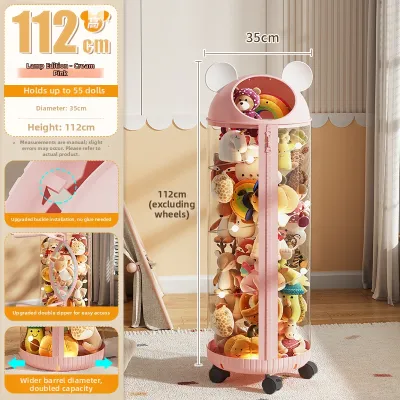
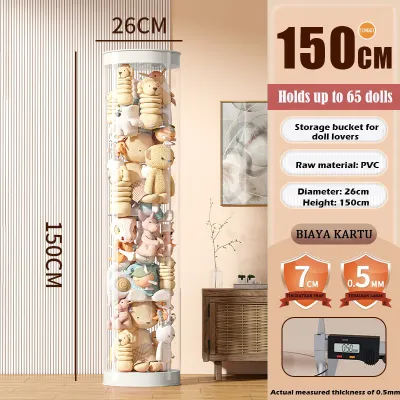
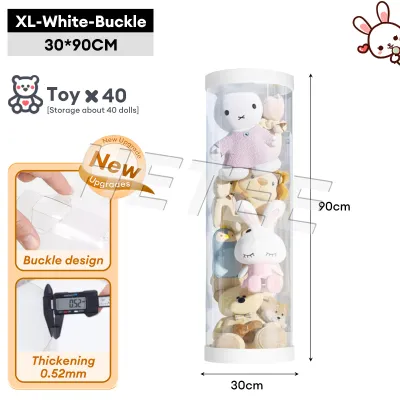
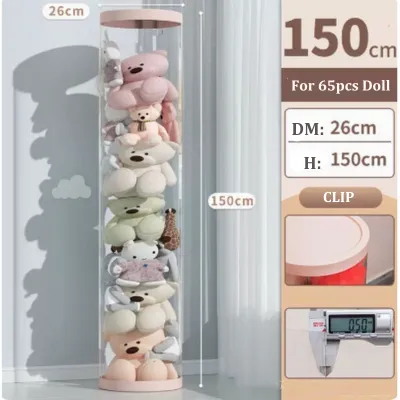
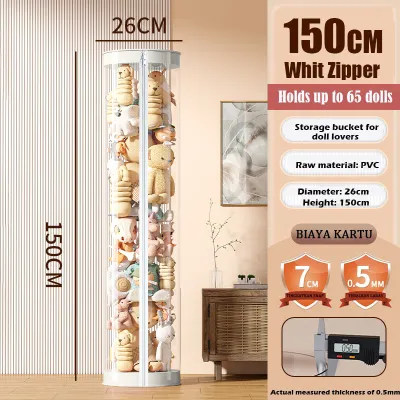
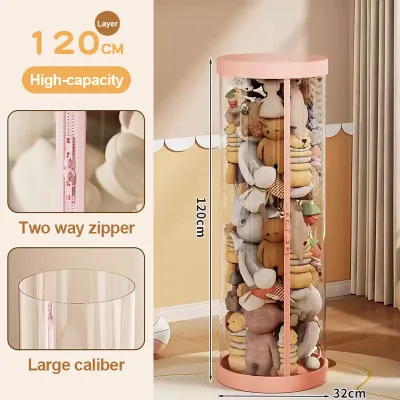
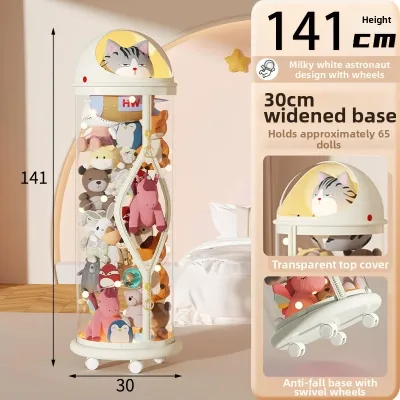
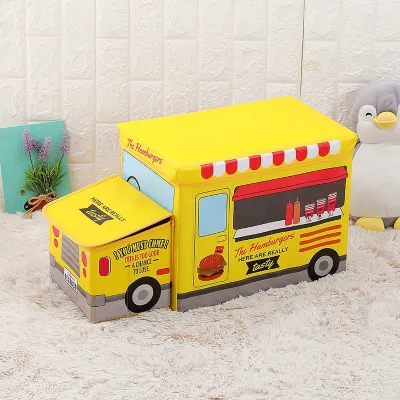
Prices are valid at publication and may change. Please refer to the product page for the latest price.
Next, take an honest inventory of your current stuffed toy collection and plan for future growth. Sort the toys by size, weight, and how often your child plays with them. A collection consisting of a few oversized teddy bears requires a completely different storage strategy than dozens of small, lightweight plushies. Because baby showers, birthdays, and family gifts will inevitably expand this collection over time, choosing an organizer that can scale or selecting a modular system will save you from having to replace your storage setup within a few months.
The tropical climate in the Philippines also plays a critical role in how you should store fabric items. High relative humidity, particularly during the rainy season, creates an ideal environment for mold, mildew, and dust mites to thrive on plush toys. Storing stuffed animals in airtight plastic bins can trap moisture, leading to musty odors and potential respiratory triggers for sensitive babies. Opting for breathable storage solutions—such as open-weave nets, cotton rope baskets, or slatted wooden shelves—allows continuous airflow to keep toys dry, fresh, and safe for your little one.
Comparing Organizer Types for Compact Nurseries
To select the most efficient storage system, caregivers must weigh the spatial footprint, accessibility, and visual impact of different organizer styles. A corner hammock utilizes zero floor space but keeps toys on display, which can sometimes contribute to visual clutter in a small room. A floor basket offers quick cleanup and easy access but occupies valuable floor area. Wall shelves display curated items beautifully but require secure installation, while over-door pockets hide clutter behind the door at the expense of easy toddler access.

Maximizing vertical space is the golden rule of small-space organization. Suspended nets, wall shelves, and over-door organizers lift the clutter off the ground, leaving the floor open for playmats, tummy time, and safe movement. Conversely, floor-based storage solutions, while taking up physical room, provide a lower center of gravity and eliminate the risk of falling objects, making them inherently safer for active toddlers.
Open display options, like hammocks and floating shelves, turn colorful plush toys into part of the nursery decor. This can create a warm, whimsical atmosphere, but it also exposes the toys to settling dust. Concealed storage, such as deep bins with lids or over-door pockets, keeps the room looking neat and minimalist. However, hidden toys are often forgotten, and deep bins can quickly turn into a chaotic jumble where the toy at the bottom is never played with.
Corner Hammocks and Hanging Nets
Corner hammocks and hanging nets are classic space-savers that transform empty, high-up corners into functional storage zones. By suspending plush toys near the ceiling, you keep the entire floor area clear for essential furniture like cribs or playpens. This setup is particularly advantageous in tight nursery layouts where every square inch of floor space must be preserved for daily activities.
While highly efficient for space-saving, suspended nets have distinct limitations regarding weight capacity and accessibility. Because they are installed high out of reach, young children cannot retrieve or put away their toys independently. This means caregivers must constantly assist with toy selection and cleanup. Additionally, overloading a fabric net can cause it to sag excessively, potentially blocking light or creating an unsightly droop.
Secure installation is paramount for any suspended organizer. In many homes across the Philippines, walls are constructed from concrete hollow blocks or solid concrete, rather than drywall. Installing a hammock on concrete requires masonry drill bits, plastic wall plugs (often locally referred to as tox), and sturdy metal hooks. Attempting to use adhesive hooks on painted concrete or plaster walls often leads to failure, as the weight of the toys and the tropical humidity can cause the adhesive to peel off, dropping the net.
Storage Bins, Baskets, and Toy Chests
Low-profile storage bins, woven baskets, and toy chests are the gold standard for toddler-friendly nurseries. These containers sit directly on the floor or slide under the crib, making them incredibly easy for small hands to reach. This accessibility fosters independence, allowing toddlers to choose their playmates and participate in cleanup routines as part of their daily learning.
The primary drawback of floor bins is their physical footprint. In a compact nursery, a large toy chest can obstruct walkways and restrict room traffic flow, making the space feel cramped and difficult to navigate. To mitigate this, look for slim, rectangular baskets that fit snugly against walls, or modular bins that can be stacked vertically as your child grows and your storage needs change.
When choosing floor containers, prioritize materials that balance breathability with ease of maintenance. Natural fibers like rattan, seagrass, and woven cotton rope are highly popular in the Philippines because they allow air to circulate freely around the plush toys, preventing moisture buildup. However, ensure these materials are smoothly finished to prevent snags on delicate plush fabrics. Canvas bins with removable, washable liners are also excellent options, as they can be easily cleaned when dust or spills accumulate.
Wall-Mounted Shelves and Over-Door Pockets
Wall-mounted shelves and floating ledges offer a structured, organized way to display a curated collection of favorite plush toys. Instead of piling toys into a chaotic heap, shelves allow you to arrange them neatly, turning beloved stuffed animals into charming wall art. This approach works best for special, high-quality toys or sentimental items that you want to keep safe from daily wear and tear.
Over-door pocket organizers are an exceptional, zero-footprint solution for small nurseries. By utilizing the unused space on the back of the nursery door, these fabric or mesh organizers provide multiple vertical compartments without taking up any wall or floor space. They are perfect for sorting smaller plush toys, keeping them organized, visible, and easily accessible to caregivers while remaining completely hidden when the door is open.
Rigid shelving units, whether wall-mounted or freestanding, require strict adherence to safety protocols. Freestanding bookshelves or cubby units must always be secured to the wall with anti-tip brackets to prevent them from falling over if a child attempts to climb them. For wall-mounted floating shelves, ensure they are rated for the weight of the toys and installed at a height where they do not pose a head-bump hazard for caregivers moving around the room.
Essential Features to Verify Before Purchase
Before purchasing any organizer from an online marketplace or local baby boutique, carefully check the manufacturer’s stated weight limits. This is especially critical for suspended hammocks, hanging nets, and fabric over-door pockets. Overloading these organizers can strain the seams, stretch the fabric, or pull the mounting hardware out of the wall, creating a safety hazard. Ensure the capacity aligns with the actual weight of your child’s toy collection.
Read product labels and descriptions to verify the durability and washability of the materials. Stuffed toys naturally accumulate dust, which can trigger allergies in infants. Therefore, your storage solution should be easy to clean. Look for machine-washable fabric nets, wipeable canvas, or dust-resistant materials. In the humid Philippine climate, verifying that metal components (like grommets or hooks) are rust-resistant is also a wise step to prevent staining on fabrics.
Never rely on product photos alone, as perspective can be highly misleading. Always compare the exact dimensions listed in the product specifications against the measurements you took of your nursery. Measure the width of your door before buying an over-door organizer to ensure it will fit without preventing the door from closing properly. For corner hammocks, verify the length of the sides to ensure they will fit your specific corner without overlapping windows or light fixtures.
Take time to read customer feedback on e-commerce platforms, focusing on reviews that mention structural integrity, ease of installation, and actual size. Look for photos uploaded by other parents to see how the product looks in a real-world setting. Whether you are budgeting under ₱500 for a simple mesh net or investing more in a premium wooden shelf, verify the seller’s return policy before checking out, ensuring you can easily return or exchange the item if it arrives with manufacturing defects or does not match the advertised specifications.
Safety Boundaries and Installation Checks
Safe installation is the most critical step in setting up nursery storage. When hanging hammocks, nets, or shelves, you must identify your wall type and use the appropriate heavy-duty anchors. Standard plastic anchors included in product packaging are often generic and may not hold securely in concrete hollow blocks or lightweight drywall. Purchasing specialized, high-quality wall plugs from a local hardware store ensures a secure hold that can withstand the tension of a fully loaded organizer.
If you choose freestanding shelves, cubbies, or heavy toy chests, they must be securely anchored to the wall. Toddlers are naturally curious and may attempt to climb shelves to reach a toy placed on a higher level. Anti-tip straps or brackets are essential safety devices that prevent heavy furniture from tipping forward. Ensure these brackets are screwed directly into a wall stud or secured with heavy-duty masonry anchors in concrete walls.
Carefully inspect any organizer for potential hazards before introducing it to the nursery. Avoid products with small detachable parts that could pose a choking hazard, sharp wooden or metal edges, or long hanging cords that present a strangulation risk. Ensure that hanging nets are suspended high enough that an infant in a crib cannot reach or pull on them, and never hang heavy items directly over the crib or changing table.
If you are unsure about your wall’s structural integrity, the suitability of your mounting hardware, or if the installation process conflicts with the manufacturer’s instructions, stop immediately. It is always safer to consult a qualified local handyman or professional installer to ensure everything is mounted securely. Taking this extra precaution provides peace of mind, knowing that your nursery storage is completely safe for your growing child.
Frequently Asked Questions (FAQ)
How do I clean and maintain a stuffed toy hammock or net?
To keep your stuffed toy hammock or net clean and free of dust, always check the manufacturer’s care label first. Many fabric and mesh nets are machine washable on a gentle cycle inside a laundry bag, while others may require hand washing or spot cleaning with a mild, baby-safe detergent. After washing, allow the net to air dry completely in a well-ventilated area to prevent any moisture from being trapped in the fibers.
Before reattaching the clean organizer to the wall, perform a thorough inspection of its structural components. Check the seams, stitching, and hanging loops for any signs of wear, fraying, or stretching. If you notice any compromised stitching or weakened loops, repair them immediately or replace the organizer to prevent it from falling unexpectedly when loaded with toys.
What is the safest way to store heavy or oversized plush toys?
Heavy or oversized plush toys should never be stored in high-hanging nets, hammocks, or upper wall shelves. These suspended organizers are designed for lightweight items, and exceeding their weight capacity can cause the mounting hardware to pull out of the wall, creating a falling hazard. Storing heavy items up high also makes it difficult and dangerous for caregivers to retrieve them safely.
The safest storage solution for large, heavy stuffed animals is a sturdy floor bin, a low-profile basket, or the bottom shelf of a secured cubby unit. Placing heavy toys at floor level eliminates the risk of falling injuries and ensures the room’s center of gravity remains low. This placement also allows your child to interact with their large plush companions safely without any risk of tipping or pulling down heavy objects.

Community discussion
Share your experience or ask a question. Comments are reviewed before publication.