
Transitioning your baby from a bottle or breast to a baby water drinking cup is a major developmental milestone that involves much more than just preventing spills. As your little one begins to explore solid foods during the weaning stage, introducing water helps them stay hydrated, especially in a warm, tropical climate where active babies lose moisture quickly. However, walking down the baby care aisle or browsing online marketplaces can feel overwhelming with the sheer variety of straw cups, spout cups, and open cups available. Choosing the right cup depends on your baby’s physical readiness, oral motor skills, and developmental stage rather than a rigid age chart.
Every baby develops at their own pace, meaning the ideal cup for one infant might cause frustration or frequent choking in another. By understanding how each cup design interacts with your baby’s developing mouth, jaw, and swallowing reflexes, you can make an informed decision that supports their natural growth. Rather than viewing these cups as a strict, linear sequence that every child must complete, it is more helpful to see them as different tools designed to teach specific oral habits. Matching the cup to your baby’s current abilities ensures a smoother transition, reduces mealtime stress, and protects their developing teeth and gums.
Recognizing Your Baby's Drinking Readiness
Before introducing any baby water drinking cup, it is essential to observe your child’s physical milestones to ensure they can handle the mechanics of drinking safely. A primary indicator of readiness is the ability to sit upright unassisted with steady head and neck control. This posture is crucial because drinking while slouching or tilting backward increases the risk of liquid entering the airway, leading to coughing or choking. If your baby can sit securely in their high chair and has developed the hand-eye coordination to grasp objects and bring them to their mouth, they are likely ready to try a cup.
Products mentioned in this guide
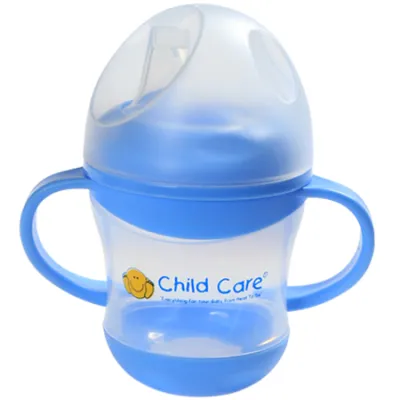
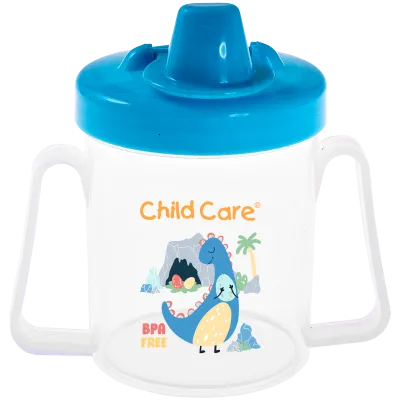
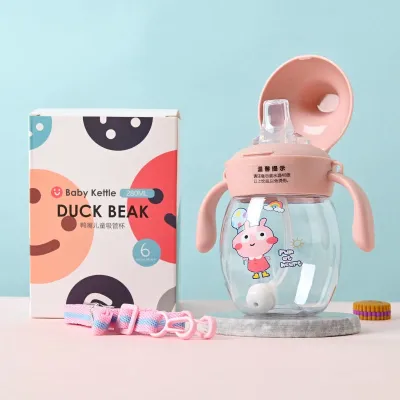
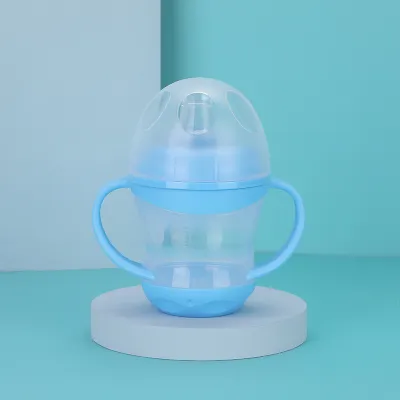
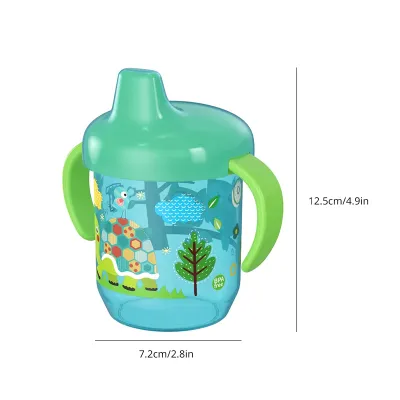

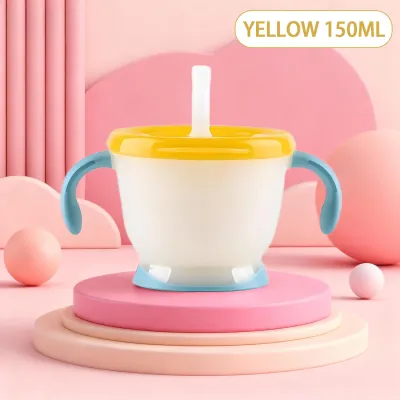
Prices are valid at publication and may change. Please refer to the product page for the latest price.
Beyond these gross motor skills, your baby’s oral motor development must transition away from the infant suckling reflex. In the first few months of life, babies use a forward-and-backward tongue movement to draw milk from a nipple. To drink water successfully from a cup, they must learn to use their lips, cheeks, and tongue to control a pool of liquid in their mouth before swallowing. You can look for signs such as your baby watching you drink, reaching for your glass, or showing the ability to swallow thin purees without automatically pushing them out with their tongue.
While manufacturer packaging often displays age guidelines like “6 months+” or “9 months+”, these should be treated as general baseline references rather than strict deadlines. Pediatricians generally suggest introducing small sips of water from a cup around the time solid foods are introduced, which is typically around six months of age. However, your baby’s individual coordination and comfort level should always guide your timeline. Forcing a cup before your baby is physically ready can lead to negative associations with drinking, so it is always best to observe their cues and consult your pediatrician if you have concerns about their developmental progress.
Straw Cups: Suction Skills and Oral Development
Straw cups are highly regarded by pediatric feeding specialists because they promote excellent oral motor coordination. To drink from a straw, a baby must learn to wrap their lips tightly around the tube to create a seal, pull the tongue back, and use their cheek muscles to generate suction. This action strengthens the muscles of the lips, cheeks, and tongue, which are the very same muscles used later for speech development and chewing solid foods. Managing the flow of liquid through a straw also teaches babies how to coordinate their breathing with swallowing, preventing them from taking in too much water at once.

Despite these developmental benefits, straw cups come with practical maintenance challenges that parents must consider. The narrow tubes, weighted balls, and internal valves that make these cups spill-proof are notorious for trapping moisture and organic residue. In humid tropical environments, this trapped moisture can quickly lead to mold growth if the cup is not cleaned meticulously. Parents should weigh the oral benefits of a straw cup against the daily effort required to keep all the tiny components sanitary.
When shopping for a straw cup, look closely at the product labels and design features to make cleaning as simple as possible. Opt for models that feature fully removable valves, dishwasher-safe materials, and simple disassembly steps. Many brands sell specialized, ultra-thin cleaning brushes specifically designed to slide inside baby straws, which are indispensable tools for daily maintenance. It is also wise to check if the manufacturer sells replacement straws separately, allowing you to swap out worn or stained parts without needing to purchase an entirely new cup.
Spout Cups: Early Transitions and Dental Considerations
Spout cups, often referred to as sippy cups, have long been a popular transitional tool because their shape closely mimics the familiar feel of a bottle nipple. For early transitioners who are just beginning to move away from breast or bottle feeding, a soft silicone spout can feel comforting and intuitive. These soft spouts require a similar biting or pressing motion to release liquid, making them an easy first step for babies who struggle with the active suction required by straw cups. As babies grow older and develop teeth, harder plastic spouts offer a more durable option that can withstand chewing.
However, pediatric dentists often advise caution regarding prolonged or exclusive use of spout cups. The wide, flat shape of a traditional spout rests on top of the tongue, which can encourage a persistent infant-like tongue thrust. Over time, relying too heavily on a spout cup can potentially affect the natural alignment of the baby’s teeth and the development of the hard palate. To minimize these risks, spout cups are best used as a temporary, short-term bridge rather than a permanent fixture in your baby’s daily routine.
To ensure a positive experience, verify the design of the spill-proof mechanism before purchasing a spout cup. Some cups utilize highly restrictive valves that require an excessive amount of sucking force to release even a single drop of water. This can quickly frustrate a baby and discourage them from drinking altogether. Look for responsive valves that allow liquid to flow easily when the baby bites or sips gently, and plan to transition your baby to a straw or open cup once they have mastered the basic concept of holding and tilting a cup.
Open Cups: Building Independence and Natural Swallowing
Introducing an open cup might seem daunting due to the inevitable spills, but it is widely considered the gold standard for long-term oral health and independent drinking. Drinking from an open cup forces a baby to raise their lower jaw, seal their upper lip against the rim, and tip the cup at a controlled angle. This process teaches a natural, mature swallowing pattern where the tongue tip elevates against the roof of the mouth rather than pushing forward. It also helps babies develop spatial awareness and fine motor control as they learn to balance the cup with both hands.
To manage the learning curve and minimize messy cleanups, start by offering very small volumes of water—just a tablespoon or two at a time. This ensures that when spills do happen, they are minor and easy to wipe up. Choosing the right cup design can also make a significant difference in your baby’s success. Look for small, lightweight cups designed specifically for tiny hands, preferably with a heavy, weighted bottom that resists tipping over. Some training cups feature slanted rims that allow the baby to drink without tilting their head back too far, making the process much easier to manage.
Because open cups do not have lids or valves, active caregiver supervision is absolutely essential during every practice session. You will need to sit close by, perhaps placing your hand gently over your baby’s hands to help them guide the cup to their mouth and control the tilt. This hands-on guidance prevents the baby from dumping the entire contents over their face, choking on a sudden rush of water, or dropping the cup onto hard floors. With patience and consistent practice, usually during scheduled mealtimes, babies can quickly build the confidence and coordination needed to handle an open cup independently.
How to Choose the Right Baby Water Drinking Cup
Selecting the right cup does not require buying every style on the market; instead, you can use a simple, condition-based framework to match the cup to your baby’s current physical abilities. Choose a soft spout cup if your baby is under eight months old, still relies heavily on a suckling reflex, and needs a comforting, familiar transition from the bottle. Choose a straw cup if your baby has strong grasping skills, shows interest in suction, and you want to promote active cheek and tongue muscle development. Choose an open cup if you want to prioritize natural swallowing mechanics from the start and are ready to provide close supervision during meals.
As your baby uses their current cup, keep an eye out for observable signs that indicate they are ready to move to the next developmental stage. If your baby is constantly chewing on their soft silicone spout rather than drinking, or if they have developed a strong pincer grasp and can easily lift heavier objects, it may be time to introduce a straw or open cup. Conversely, if your baby consistently chokes, coughs, or becomes highly frustrated during cup time, it is a clear sign to step back, simplify the flow, or return to a more familiar cup style for a few weeks.
Before making a final purchase, run through a quick verification checklist to ensure the cup is safe and practical for daily use. Check the product packaging for clear material safety labels, ensuring the cup is free from BPA and other harmful chemicals. Disassemble the cup completely in your hands to verify that there are no hidden, unreachable crevices where mold can hide, especially in warm, humid climates. Finally, look for ergonomic features such as non-slip handles or textured grips that fit comfortably into your baby’s small hands, making their learning journey as smooth and enjoyable as possible.
Frequently Asked Questions (FAQ)
Can I skip the spout cup and go straight to a straw or open cup?
Yes, you can absolutely skip the spout cup entirely. Many pediatric feeding experts recommend bypassing spout cups because they are not a mandatory developmental milestone. If your baby has good head control, can sit upright, and shows strong oral coordination, you can transition them directly from breast or bottle to a straw cup or a small open cup. This direct transition helps avoid the tongue-thrust habits sometimes associated with prolonged spout use and allows your baby to develop mature swallowing patterns much earlier.
How do I properly clean and maintain valves and straws to prevent mold?
To prevent mold and bacterial buildup, you must fully disassemble every part of the cup, including straws, valves, and silicone seals, after every single use. Rinse the components immediately under running water to wash away any organic residue. Refer to the manufacturer’s instructions to see if the parts can be boiled, steam-sterilized, or washed on the top rack of a dishwasher. For daily washing, use warm water, mild dish soap, and a specialized straw brush to scrub the inside of the tubes, then allow all parts to air-dry completely in a well-ventilated area before reassembling.
What should I do if my baby refuses to drink from a new cup type?
If your baby refuses a new cup, the best approach is to introduce it gradually during relaxed, low-pressure moments rather than when they are extremely hungry or thirsty. You can try letting them play with the empty cup during non-meal times to build familiarity, or model how to use it by taking sips from a similar cup yourself. If your baby becomes highly distressed or resists consistently, pause the transition and temporarily revert to their previous cup. Forcing the issue can create negative associations with drinking, so it is always best to wait a week or two before trying again.

Community discussion
Share your experience or ask a question. Comments are reviewed before publication.