
Choosing the right training cup for your baby is not about finding a single, universally perfect product, but rather matching the cup’s design to your child’s current developmental stage. As your baby transitions from breastfeeding or bottle-feeding to solid foods, their oral motor skills undergo rapid changes. The ideal cup supports this transition by encouraging healthy swallowing patterns, protecting developing teeth, and fitting seamlessly into your daily routine. By understanding how straw, spout, and 360-degree cups function, you can make an informed decision that keeps your baby hydrated and supports their developmental milestones.
Understanding the Three Main Training Cup Designs
Spout cups are often the first step caregivers introduce during the weaning process. These cups feature a raised, contoured spout that fits easily into a baby’s mouth. Soft silicone spouts mimic the familiar, flexible feel of a baby bottle nipple, making them highly approachable for younger infants who are just learning to hold something other than a bottle. Hard plastic spouts offer greater durability against emerging baby teeth but lack the flexibility of silicone. Both types of spout cups generally require the baby to tilt their head back to drink, relying on a sucking motion similar to bottle-feeding.
Straw cups introduce a completely different oral mechanic that does not require tilting the head. Instead, the baby keeps the cup upright and uses active suction to draw liquid upward through a narrow tube. Many modern straw cups designed for infants feature weighted straws that move with the liquid, allowing the baby to drink successfully even when holding the cup at an angle. Some designs also incorporate bite-valves within the straw, which require the baby to apply gentle pressure with their gums or teeth to release the liquid, preventing accidental leaks when the cup is dropped.
Products mentioned in this guide
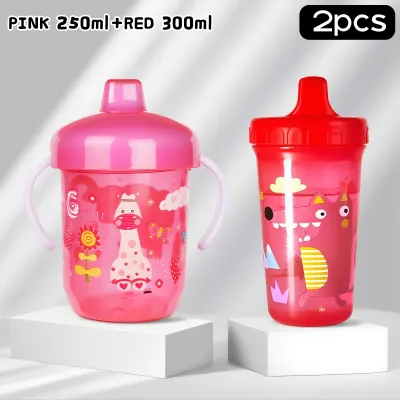
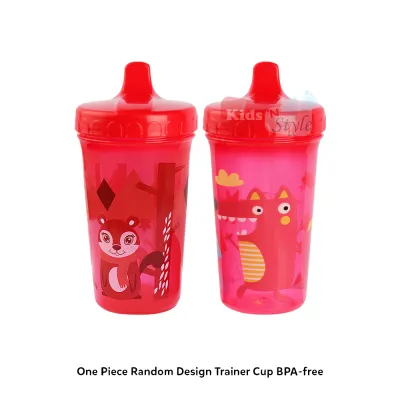
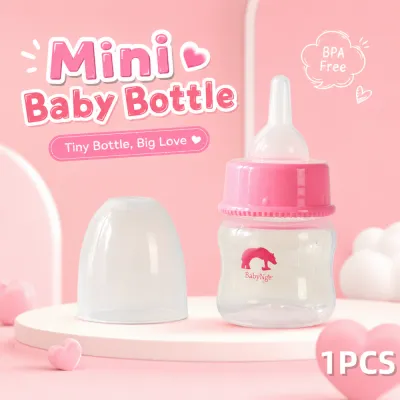
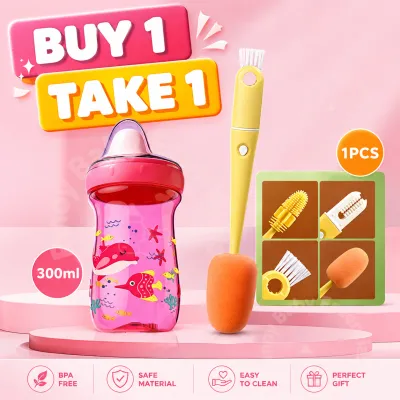
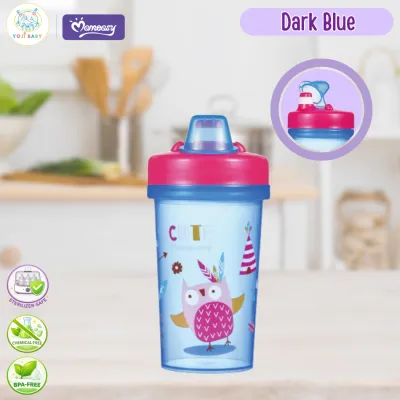
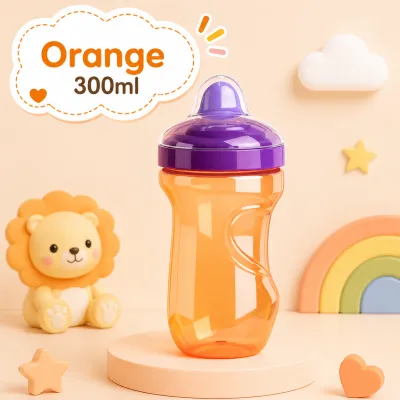

Prices are valid at publication and may change. Please refer to the product page for the latest price.
The 360-degree cup, often referred to as a rim cup, features a circular top with a silicone valve in the center. Liquid flows only when the baby applies gentle lip pressure and suction along any part of the rim, simulating the experience of drinking from a standard open cup. This design is highly regarded because it prevents large spills while teaching the baby how to position their lips and control liquid flow along a flat edge. Once the baby stops applying pressure, the silicone valve seals shut automatically, making it a practical option for active toddlers.
Key Comparison Dimensions for Weaning and Development
When evaluating training cups, oral motor development and dental health should be primary considerations. Prolonged use of spout cups can sometimes reinforce immature sucking patterns, as the tongue tends to rest forward under the spout to control the flow of liquid. Pediatric dentists often suggest limiting the use of spout cups to prevent potential issues with palate shape and tooth alignment. In contrast, straw and 360-degree cups encourage the tongue to retract and promote mature swallowing patterns, which are beneficial for long-term speech and dental development.

Spill resistance is another critical factor, especially for active toddlers who enjoy shaking, dropping, or throwing their cups. In warm, tropical climates, a spilled sugary drink or milk is not just a minor inconvenience; it quickly attracts household pests like ants and can lead to sticky, hard-to-clean surfaces on play mats or wooden floors. Evaluating the reliability of a cup’s spill-proof valve is essential for maintaining a clean and hygienic home environment. Caregivers should look for cups that offer a secure seal without requiring excessive suction force from the baby.
Ease of cleaning and mold prevention are paramount for maintaining your baby’s health. High humidity and warm temperatures accelerate mold growth, particularly in small, enclosed spaces like valves, straws, and silicone seals. Training cups with complex valve systems or multi-part straws require meticulous cleaning and complete disassembly. When choosing a cup, consider how easy it is to take apart and whether you can access all crevices with a standard bottle brush or a specialized straw cleaner.
Ergonomics, grip design, and weight play a significant role in helping your baby build fine motor skills. A baby’s hands are small and still developing coordination, so a lightweight cup with dual handles is often easier for them to grasp and lift independently. As your baby grows stronger and more confident, transitioning to handle-less, contoured cups helps them practice the precise grip they will eventually use for adult glassware. Balancing the cup’s weight when filled with liquid is also important to prevent frustration during meal times.
Feature Comparison: Straw vs. Spout vs. 360 Cups
To help you weigh your options, the table below summarizes how each training cup design performs across key developmental and practical dimensions.
| Cup Type | Primary Mechanism | Ideal Stage | Spill-Proof Level | Cleaning Complexity |
|---|---|---|---|---|
| Spout Cup | Tilting and sucking on a raised spout | Early weaning (approx. 6+ months) | Moderate to High | Low to Moderate |
| Straw Cup | Upright suction through a narrow tube | Active weaning (approx. 8+ months) | High (with bite-valves) | High (requires straw brushes) |
| 360 Cup | Lip pressure and suction along the rim | Transition to open cup (approx. 12+ months) | High (when stationary) | Moderate (requires valve removal) |
Each design comes with distinct trade-offs that caregivers must consider. For instance, 360 cups require stronger initial suction and lip coordination, which can frustrate some babies who are used to the easy flow of a bottle. Straw cups offer excellent spill resistance and support healthy oral development, but their narrow tubes easily harbor residue if not scrubbed thoroughly with specialized tiny brushes. Spout cups are highly intuitive for babies transitioning from bottles, but they do not teach the mature drinking mechanics needed for open cups.
Before making a purchase, always verify the manufacturer’s recommended age range, weight limits, and specific safety certifications on the product packaging. Because every baby develops at their own pace, these age guidelines should be treated as general references rather than strict rules. Inspecting the physical product and reading the instruction manual will help ensure the cup matches your baby’s current physical capabilities.
Decision Framework: Which Cup Fits Your Baby's Current Stage?
Choosing the right cup involves assessing your baby’s current developmental milestones and your daily routine.
Choose a Spout Cup if:
- Your baby is in the very early stages of weaning and is transitioning directly from a breast or bottle.
- You need a familiar, comforting suction mechanic to help your baby understand the concept of holding a cup and drinking liquids other than milk.
- You plan to use the cup as a short-term bridge for a few weeks before moving on to more advanced designs.
Choose a Straw Cup if:
- Your baby has already mastered basic suction and can draw liquid upward without needing to tilt their head back.
- You need a highly portable, spill-resistant option for outdoor trips, stroller rides, or active play sessions.
- You want to encourage independent drinking while supporting healthy tongue retraction and oral muscle development.
Choose a 360 Cup if:
- Your primary goal is to prepare your child for a standard open cup by teaching them how to sip from a rim.
- You want to minimize the dental risks associated with prolonged spout use and encourage mature swallowing patterns.
- Your toddler has developed the hand-eye coordination to lift and tilt a cup without dropping it constantly.
Before introducing any cup, verify if your baby has any specific oral motor delays or physical sensitivities. The chosen cup’s valve mechanism must match your child’s current bite and suction strength. A valve that is too stiff will cause frustration and may discourage your baby from drinking, while a valve that releases liquid too quickly can lead to choking or coughing. Observing how your baby interacts with the cup during the first few attempts will help you determine if the flow rate is appropriate.
Safe Usage, Transitioning, and Cleaning Guidelines
Maintaining strict hygiene is essential when using training cups, especially in warm and humid climates. Wash all cup components immediately after use with warm, soapy water. Disassemble every single part, including silicone valves, straws, and sealing rings, as moisture trapped inside these components can quickly lead to mold buildup. Use a dedicated straw brush to clean the inside of tubes, and allow all parts to air-dry completely in a well-ventilated area before reassembling them.
Transitioning to a standard open cup should be the ultimate goal of using training cups. Look for observable signs of readiness, such as your child’s ability to control a cup with two hands, set it down without spilling, and swallow liquid without letting it dribble from the corners of their mouth. You can start practicing with an open cup during bath time or outdoor play, where spills are easy to manage, using small amounts of water to build their confidence.
Safety checks should be performed before every single use. Inspect all silicone parts, valves, and straws for signs of wear, such as bite marks, tears, or thinning material. Toddlers with emerging teeth can easily damage soft silicone, and loose pieces can present a serious choking hazard. If you notice any damage, replace the worn parts immediately or discard the cup according to the manufacturer’s instructions.
If your baby consistently rejects all training cup types, struggles to draw liquid, or shows signs of swallowing difficulty, coughing, or sputtering during use, stop using the cup. Consult a pediatrician or a pediatric feeding specialist to evaluate their oral motor development. They can provide personalized guidance and recommend specific cup designs or feeding techniques tailored to your baby’s unique needs.
Frequently Asked Questions (FAQ)
Can I put milk or formula in a straw or 360 training cup?
Yes, most training cups are compatible with milk or formula, but doing so requires extra vigilance. Milk residues spoil rapidly, especially in warm climates, creating a breeding ground for bacteria within valves and straws. If you use these cups for milk, disassemble and clean them thoroughly with warm, soapy water immediately after use, and follow the manufacturer’s sterilization protocols.
When should I stop using a training cup entirely?
Many pediatricians and dental professionals recommend transitioning away from training cups entirely by around 12 to 18 months of age, moving toward standard open cups. Prolonged reliance on training cups—especially spout designs—can interfere with natural speech development and dental alignment. Look for signs of readiness, such as your toddler’s ability to control a cup with two hands and swallow without spilling, to guide your transition timeline.

Community discussion
Share your experience or ask a question. Comments are reviewed before publication.