
Choosing the right baby water bottle for your weaning child is not about finding a single, universally perfect product. Instead, the ideal choice depends on your baby’s current developmental stage, oral motor skills, and weaning progress. While a baby water bottle or weaning cup is an essential tool for hydration, straw, spout, and open cups each serve different developmental milestones. Introducing these cups at the right time helps ease the transition from breastfeeding or bottle-feeding while supporting healthy oral development. By understanding how each cup type functions, you can select the most appropriate option to match your baby’s growing abilities.
Recognizing Cup Readiness and Developmental Milestones
Before introducing any baby water bottle, it is important to look for specific physical signs that indicate your baby is ready to transition away from the breast or bottle. Most babies show readiness for a cup around six months of age, which aligns with the introduction of solid foods. Key observable signs include the ability to sit upright unassisted in a high chair, showing curiosity about what you are drinking, and reaching for or grasping objects with a stable grip. A baby must have sufficient head and neck control to swallow liquids safely from a cup without choking.
Oral motor skills play a fundamental role in how a baby interacts with different cup types. Sucking from a bottle or breast involves a forward-and-backward tongue movement known as suckling. Transitioning to a cup requires the baby to develop more mature oral patterns, such as lifting the tongue, sealing the lips around a rim or straw, and stabilizing the jaw. If your baby consistently resists every cup type you introduce, displays persistent coughing or sputtering, or struggles to swallow safely, it is best to pause and consult a pediatrician or a pediatric lactation consultant for personalized guidance.
Products mentioned in this guide
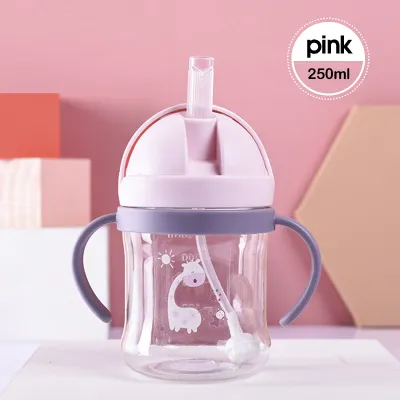
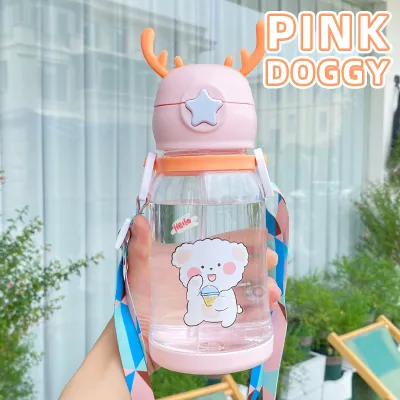
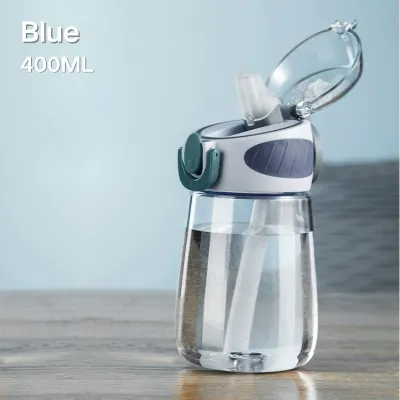
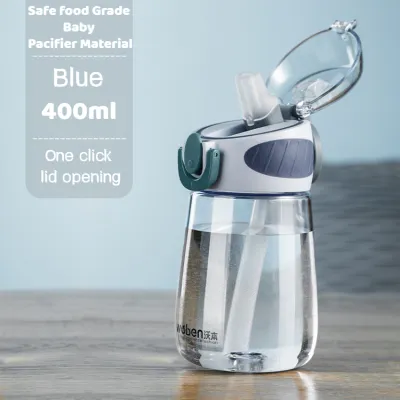
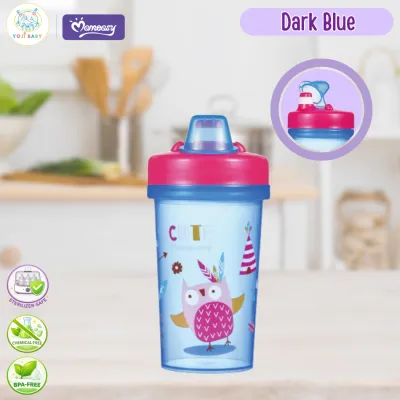
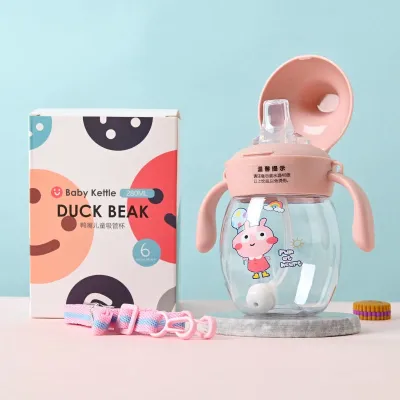
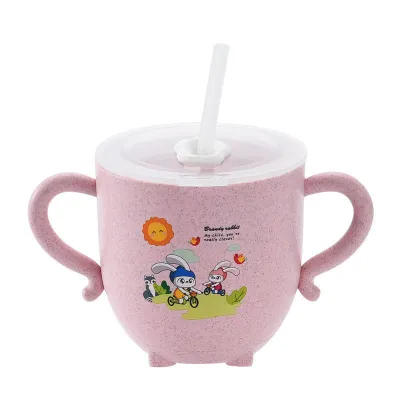
Prices are valid at publication and may change. Please refer to the product page for the latest price.
Comparing Straw, Spout, and Open Cups for Weaning
Each cup style offers distinct advantages and challenges during the weaning process. To help you navigate these options, it is helpful to compare how they function, the developmental skills they promote, and the level of supervision they require. Regardless of the style you choose, material safety and ease of cleaning remain universal requirements to protect your baby’s health. In warm, humid tropical climates like the Philippines, choosing cups that can be thoroughly sanitized is essential for preventing bacterial growth.

Straw Cups: Mechanics and Developmental Benefits
Straw cups are highly recommended by many pediatric feeding specialists because of the specific oral motor skills they encourage. Drinking from a straw requires a baby to draw the tongue back into the mouth, a movement known as tongue retraction. It also helps build lip strength as the baby seals their lips around the straw, and strengthens the cheeks and jaw. These movements contribute to the muscle development needed for speech and mature chewing patterns.
You can look for readiness signs specifically for straw cups, such as your baby’s ability to swallow purees smoothly and manage liquid flow without coughing. Many modern straw cups feature weighted straws that allow babies to drink from any angle, which is highly convenient for beginners. However, straw cups do have potential drawbacks. They feature complex parts, including internal valves and thin tubes, which can make cleaning difficult. Additionally, if the flow rate of the straw is too fast, it can increase the risk of choking, so caregivers must verify that the cup’s flow rate matches the baby’s swallowing pace.
Spout Cups: Transitioning from Bottle to Cup
Spout cups, often referred to as traditional sippy cups, have long been used as an intermediate step between bottles and open cups. The primary benefit of a spout cup is that the hard or soft spout mimics the shape of a bottle nipple, making the initial transition feel familiar and comforting to a baby. This familiarity can be particularly helpful for babies who are highly resistant to change during the early stages of weaning.
Despite their convenience, pediatric dentists and speech therapists often advise limiting the use of spout cups. Prolonged use of a spout cup can keep the tongue in a forward position, similar to bottle-feeding, which may delay the development of mature swallowing patterns and potentially affect palate shape or speech development. To minimize these risks, best practices suggest limiting spout cup use strictly to mealtimes rather than allowing your baby to carry the cup around for constant grazing throughout the day.
Open Cups: Building Mature Drinking Skills
Introducing an open cup early in the weaning process is an excellent way to build mature drinking skills from the start. Drinking from an open cup teaches a baby how to control their lips to sip liquid rather than suck it. This practice promotes proper tongue placement against the roof of the mouth and strengthens the jaw muscles. Because open cups do not rely on a sucking mechanism, they are widely considered the gold standard for long-term oral health.
The primary challenge of open cups is the mess, as spills are inevitable during the learning phase. Because of this, open cups require absolute caregiver supervision and physical assistance to guide the cup to the baby’s mouth and prevent choking. When choosing an open cup for a beginner, look for specific features designed for small hands. Ideal options include cups with a small volume capacity to limit spills, a wide or weighted base to prevent tipping, and easy-grip handles that allow the baby to practice holding the cup independently.
Decision Framework: Which Cup Fits Your Baby Right Now?
To choose the right baby water bottle or cup, evaluate your baby’s current physical milestones and your daily routine. If your baby is in the very early stages of weaning, struggles with change, and needs a familiar sucking motion to accept liquids, starting with a soft-spout cup can provide a gentle transition. Limit this stage to a few weeks or months to prevent the development of immature swallowing habits.
If your baby can sit well independently, shows advanced oral coordination, and you need a practical solution for on-the-go hydration, a straw cup is often the most suitable choice. Straw cups offer excellent spill resistance while actively supporting healthy oral motor development, making them ideal for active families.
If you have the time to assist your baby during mealtimes and your primary goal is to foster mature swallowing and jaw stability, prioritize an open cup. Many parents find success by using a combination of cups: an open cup for supervised practice at the dining table, and a straw cup for convenience and travel. Always verify first with a pediatric professional or feeding therapist if your baby has specific oral motor delays, reflux, or any medical conditions that affect their ability to swallow safely.
Safety, Hygiene, and Maintenance Checks
Maintaining a clean and safe baby water bottle requires a consistent daily routine. Because babies have developing immune systems, preventing the buildup of bacteria and mold is critical. Make it a habit to fully disassemble all parts of the cup every day. This means removing silicone valves, pulling straws out of their housings, and separating silicone seals from lids. In warm, humid environments, moisture trapped in these small crevices can quickly lead to mold growth.
Perform a regular visual inspection of all cup components. Look closely at hard-to-reach areas, such as the inside of straws and the undersides of silicone valves, for any signs of black spots, discoloration, or wear and tear. Before purchasing, verify the product labels to ensure the cup is made from safe materials, such as food-grade silicone and BPA-free plastics.
Establish clear conditions for when to discard and replace cup parts. If you notice deep scratches in plastic components, tears in silicone straws or spouts, or mold that cannot be completely cleaned, replace those parts immediately. Damaged silicone can become a choking hazard if pieces tear off, and scratched plastic can harbor bacteria even after thorough washing.
Frequently Asked Questions (FAQ)
Can I put milk or juice in a baby water bottle or weaning cup?
Water is the safest and most highly recommended default liquid for practice and hydration in a weaning cup. Offering juice or sweetened beverages in a cup can increase the risk of tooth decay, especially if the baby sips on the liquid slowly over an extended period. If you choose to put breast milk or formula in a weaning cup, you must follow strict cleaning protocols immediately after use. Milk residues spoil rapidly in warm temperatures, creating a breeding ground for bacteria in straws and valves.
At what age should I completely stop using a spout cup?
General pediatric and dental guidelines suggest transitioning away from spout cups entirely by 12 to 18 months of age. Prolonged use of spout cups beyond this window can interfere with the natural development of the palate and teeth, and may contribute to speech delays. To encourage a smooth transition, gradually replace spout cup sessions with straw cups or open cups, offering plenty of positive reinforcement as your baby masters these more mature drinking methods.

Community discussion
Share your experience or ask a question. Comments are reviewed before publication.