
Choosing the right sippy cup for a baby 1 year old is a significant milestone in your child’s weaning journey, but there is no single design that works universally for every toddler. The ideal choice depends on your baby’s unique oral motor development, teething status, and your family’s daily routine. While some parents prioritize spill-proof designs for active days, others focus on cups that mimic open-cup drinking to support natural jaw and tongue movements. By understanding how straw cups, spout cups, and 360-degree cups function, you can select a tool that matches your child’s current abilities while encouraging their independence.
Assessing Your 1-Year-Old's Drinking Milestones
At around twelve months of age, toddlers undergo rapid physical and cognitive changes that directly impact how they consume liquids. To determine which cup style fits your child, start by observing their physical coordination during mealtimes. Look for signs of swallowing coordination, such as the ability to swallow continuously without pausing to gasp for air after every sip. A baby who can seal their lips firmly around a rim or straw is demonstrating the muscle control necessary to transition away from the infant suckling reflex.
Grip strength and hand-eye coordination are equally important indicators of readiness. If your child can easily lift a small object and bring it directly to their mouth without dropping it, they likely have the motor skills to handle a cup with handles or a contoured grip. However, because every child develops at their own pace, it is highly recommended to check with your pediatrician or pediatric dentist. These professionals can evaluate your baby’s specific oral structure and developmental timeline to ensure your weaning approach aligns with their overall growth.
Products mentioned in this guide
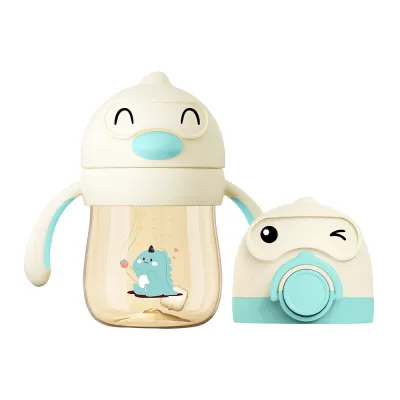
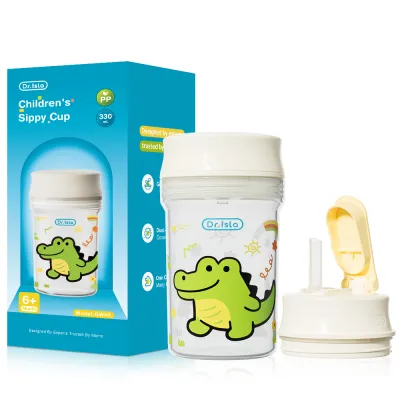
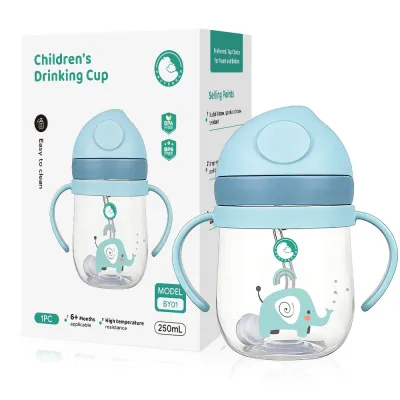
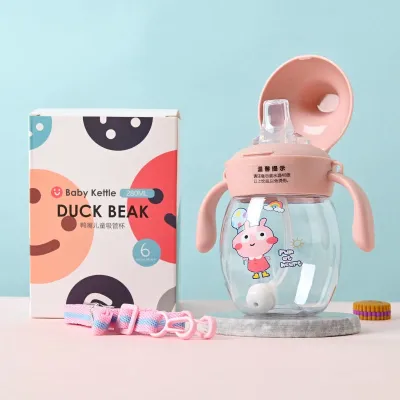
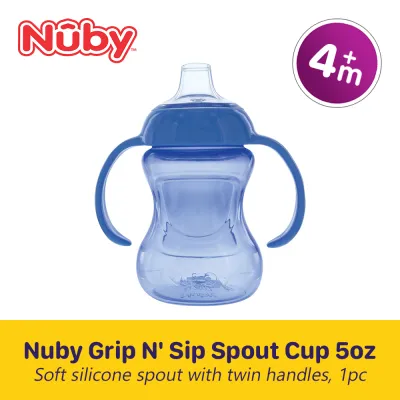
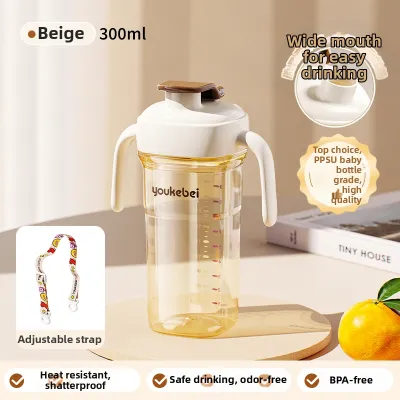
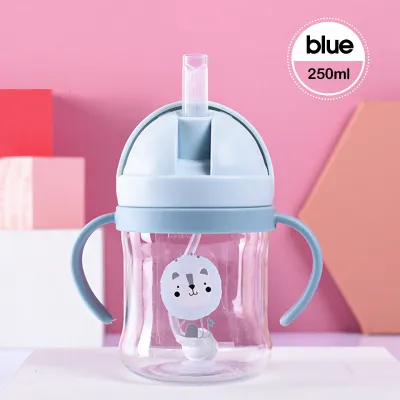
Prices are valid at publication and may change. Please refer to the product page for the latest price.
Straw Cups: Sucking Mechanics and Daily Practicality
Straw cups are widely favored by developmental specialists because they encourage a mature drinking pattern. Unlike bottle feeding, which relies on a forward-and-backward tongue movement known as suckling, drinking from a straw requires active lip closure and tongue retraction. This oral motor action helps strengthen the muscles in the lips, cheeks, and tongue, which are essential for speech development and proper chewing.

From a practical standpoint, straw cups are highly convenient for active toddlers, but they require diligent maintenance. In warm, humid tropical climates like the Philippines, moisture trapped inside narrow straws and complex valve systems can quickly become a breeding ground for mold and bacteria. When selecting a straw cup, it is crucial to verify the complexity of the internal valve and ensure that a dedicated, slim straw brush is accessible for daily cleaning.
While straw cups are excellent for on-the-go hydration, they can present challenges during teething phases. Teething babies often bite down on soft silicone straws to soothe their sore gums, which can tear the material and lead to leaks or choking hazards. If your baby is actively cutting teeth, you may need to monitor their usage closely or opt for reinforced silicone straws designed to withstand moderate chewing.
Spout Cups: Flow Control and Dental Considerations
Spout cups have long been a traditional stepping stone between bottles and open cups, primarily because they offer excellent flow control. The design typically features a raised, flattened spout that fits easily into a baby’s mouth, allowing them to control the liquid flow with minimal effort. This controlled delivery prevents the baby from being overwhelmed by a sudden rush of water, making it a comforting option for early independent drinking.
However, parents should carefully verify current pediatric dental guidelines regarding the prolonged use of hard spout cups. Many pediatric dentists advise against extended reliance on hard plastic spouts, as the rigid material can exert pressure on the developing palate and potentially affect teeth alignment. To mitigate this risk, many families opt for soft silicone spouts instead of hard plastic, especially for teething babies who crave soft surfaces to bite.
Durability is another factor to consider when evaluating spout cups. While soft silicone spouts are gentler on sensitive gums, they are more susceptible to wear and tear from chewing. Regularly inspecting the spout for punctures, tears, or structural degradation is essential to prevent leaks and ensure that small pieces of silicone do not tear off during use.
360-Degree Cups: Open-Cup Simulation and Spill Management
The 360-degree cup is designed to mimic the experience of drinking from a regular open cup while preventing messy spills. This cup features a circular rim with a central silicone valve that releases liquid only when the baby applies lip pressure to the edge. By requiring the baby to sip from the rim, the 360-degree cup promotes mature swallowing patterns and helps build essential lip strength.
To ensure the cup remains leak-free, parents must regularly inspect the silicone valve for proper sealing and correct assembly. Over time, the silicone can stretch or accumulate mineral deposits from hard water, which may compromise the seal and cause slow drips. Ensuring that all parts are completely dry before reassembly is particularly important in humid environments to prevent mold from forming underneath the valve.
While highly beneficial for oral development, 360-degree cups often come with a steeper learning curve for a one-year-old. Some babies may initially struggle to understand that they need to suck or press their lips against the edge to release the water. Additionally, these cups require thorough daily disassembly, as the multi-part lid must be separated and washed to maintain hygiene.
Decision Framework: Matching the Cup to Your Baby's Routine
To make the best choice for your household, it helps to compare these three cup types across practical daily dimensions. If your primary goal is leak resistance during outdoor trips or car rides, a high-quality straw cup with a flip-top lid is often the most reliable option. If you prioritize easy cleaning and want to avoid scrubbing narrow tubes, a simple spout cup with fewer parts may fit your schedule better, provided you monitor its impact on teething.
For parents focused on long-term oral development and preparing their child for a standard glass, the 360-degree cup serves as an training tool. You might choose a straw cup if your baby already enjoys sucking through straws and needs a spill-proof companion for active play. Conversely, opt for a 360 cup if you want to encourage natural lip-resting habits during family mealtimes.
When planning your budget, remember to factor in the long-term replacement costs in ₱ for consumable parts. Silicone straws, valves, and spouts will inevitably wear out or get damaged by chewing, requiring you to purchase replacement packs. Checking the availability and local prices of these spare parts in the Philippines before committing to a specific brand can save you significant money and hassle over time.
Moving Beyond Sippy Cups: Transitioning to an Open Cup
While transitional cups are incredibly useful for managing spills, the ultimate goal is to help your child transition to a standard open cup. Parents can look for specific readiness signals, such as steady hand-eye coordination and the ability to sit upright without support during meals. If your baby can hold a toy with both hands and bring it steadily to their mouth, they are likely ready to practice with an open cup.
A gradual transition plan is the most effective way to build confidence without overwhelming your child or creating excessive mess. Start by introducing a small, lightweight, shatterproof open cup during supervised mealtimes, filling it with only a few sips of water. As your baby learns to tilt the cup and control the flow, you can slowly increase the volume and frequency of use. Always consult your pediatrician or pediatric dentist for personalized weaning timelines tailored to your child’s unique physical development.
Frequently Asked Questions (FAQ)
Can a 1-year-old use a regular open cup instead of a sippy cup?
Yes, a one-year-old can absolutely practice using a regular open cup, and many developmental experts encourage introducing it early. However, this transition requires the development of complex motor skills, including precise hand-eye coordination and jaw stability. Because spills are inevitable during the learning phase, close adult supervision is absolutely necessary to prevent choking and manage messes. Using a small, durable cup filled with a minimal amount of water during meals is an excellent way to practice safely.
How often should sippy cup parts be replaced?
You should always check the manufacturer’s labels and instructions for specific replacement intervals, as materials and durability vary. Generally, soft silicone parts like straws, spouts, and valves should be visually inspected weekly for signs of mold, deep bite marks, or material degradation. In humid climates, silicone can degrade faster or harbor persistent mold despite thorough washing. If you notice any tears, discoloration, or a loose fit, replace the part immediately to maintain hygiene and safety.

Community discussion
Share your experience or ask a question. Comments are reviewed before publication.